Waiver Form For Motorcycle Rides In Wake
Description
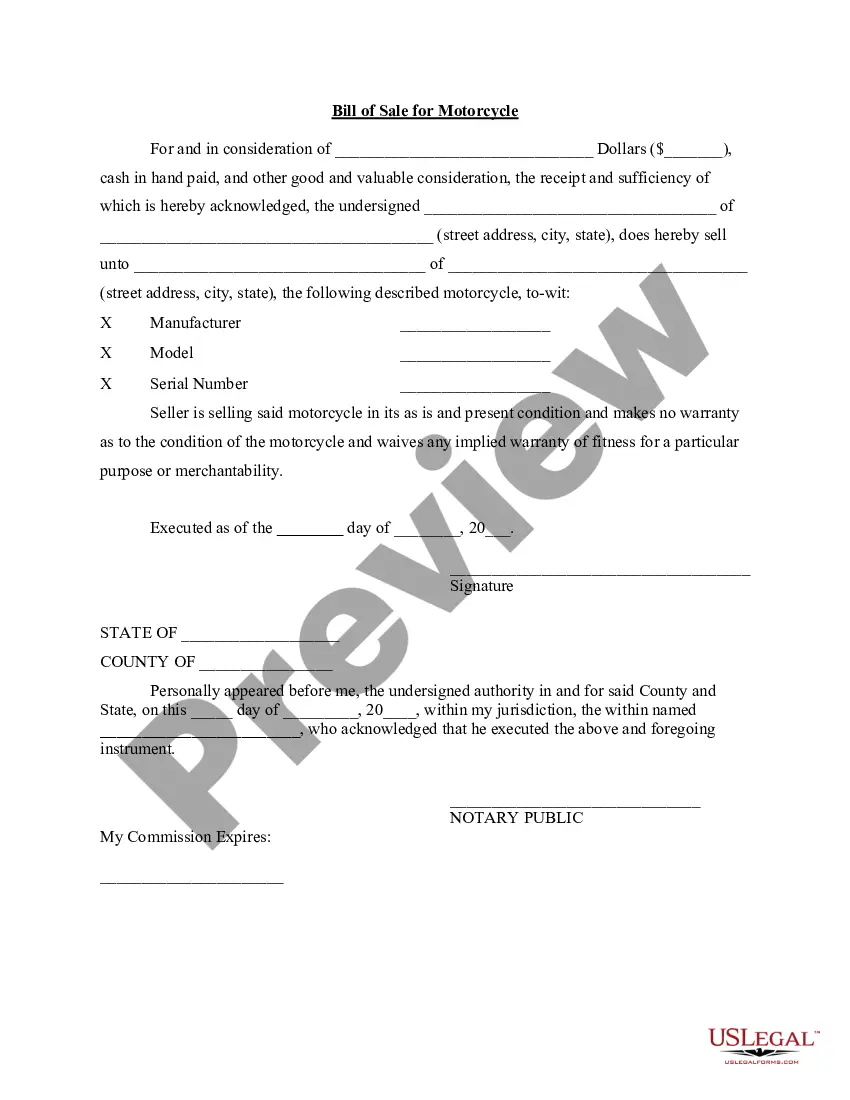
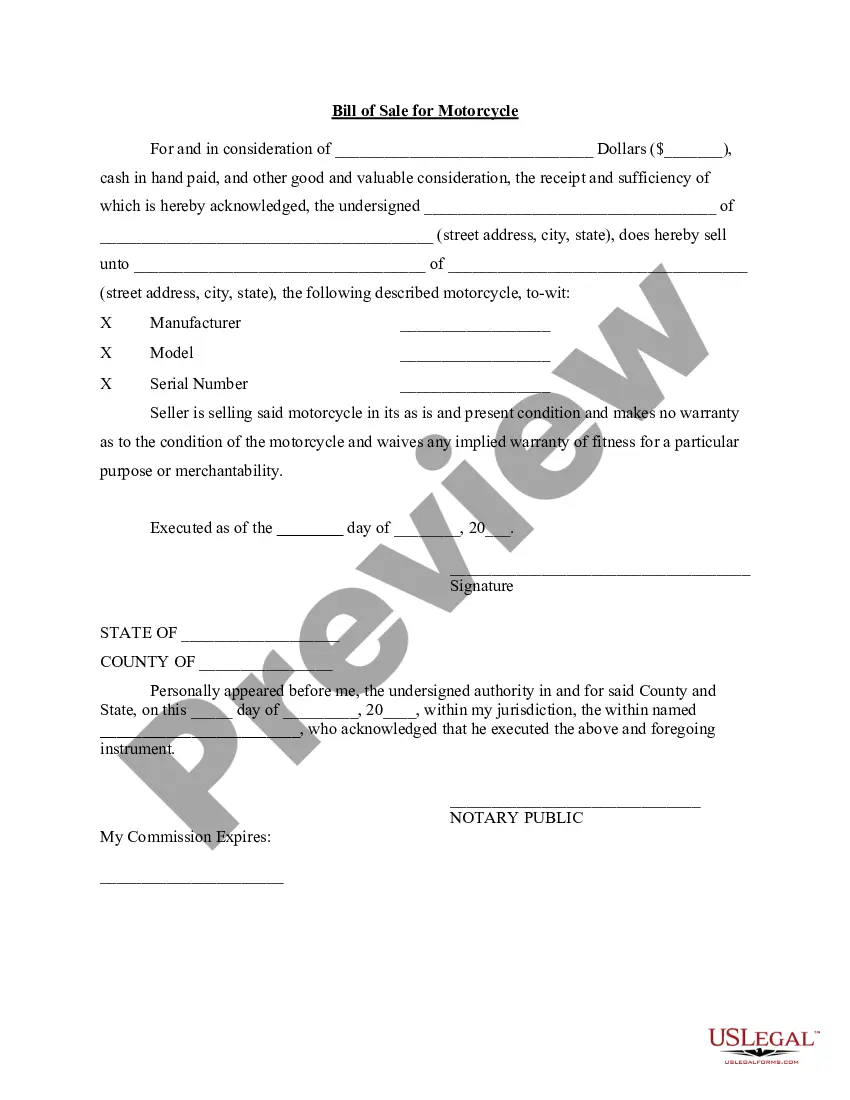
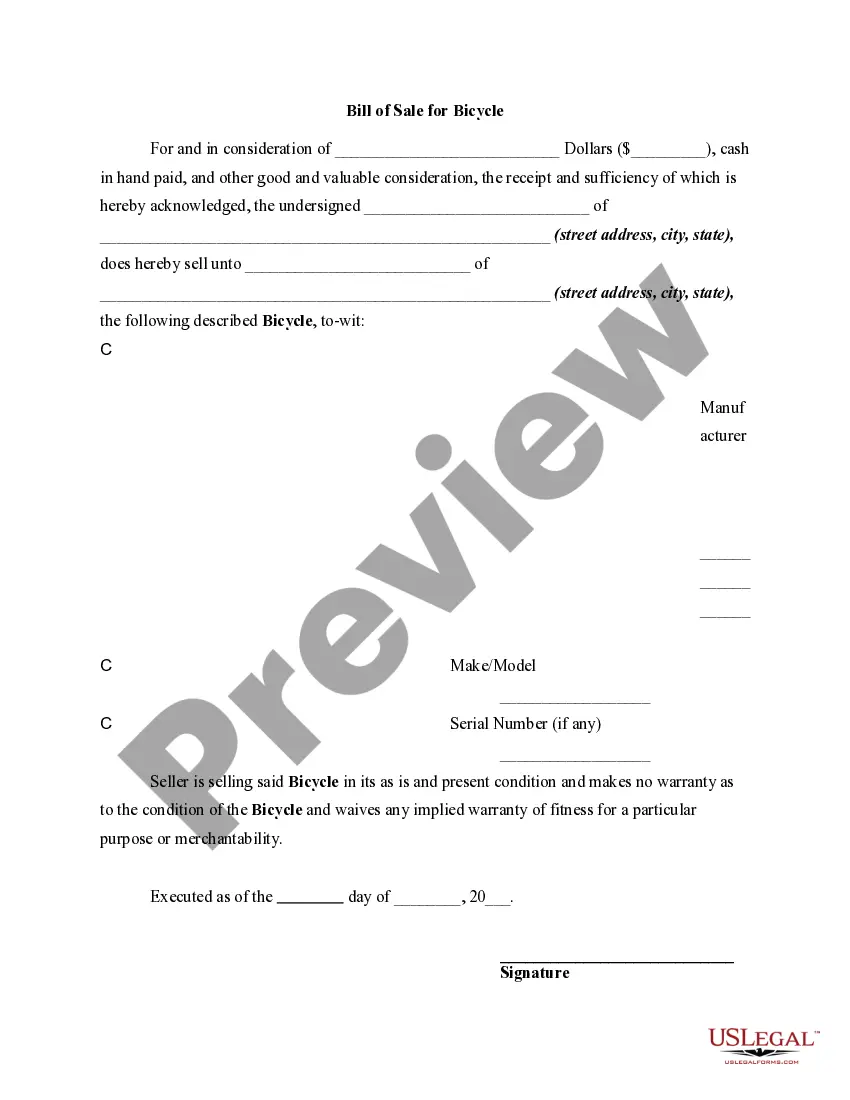
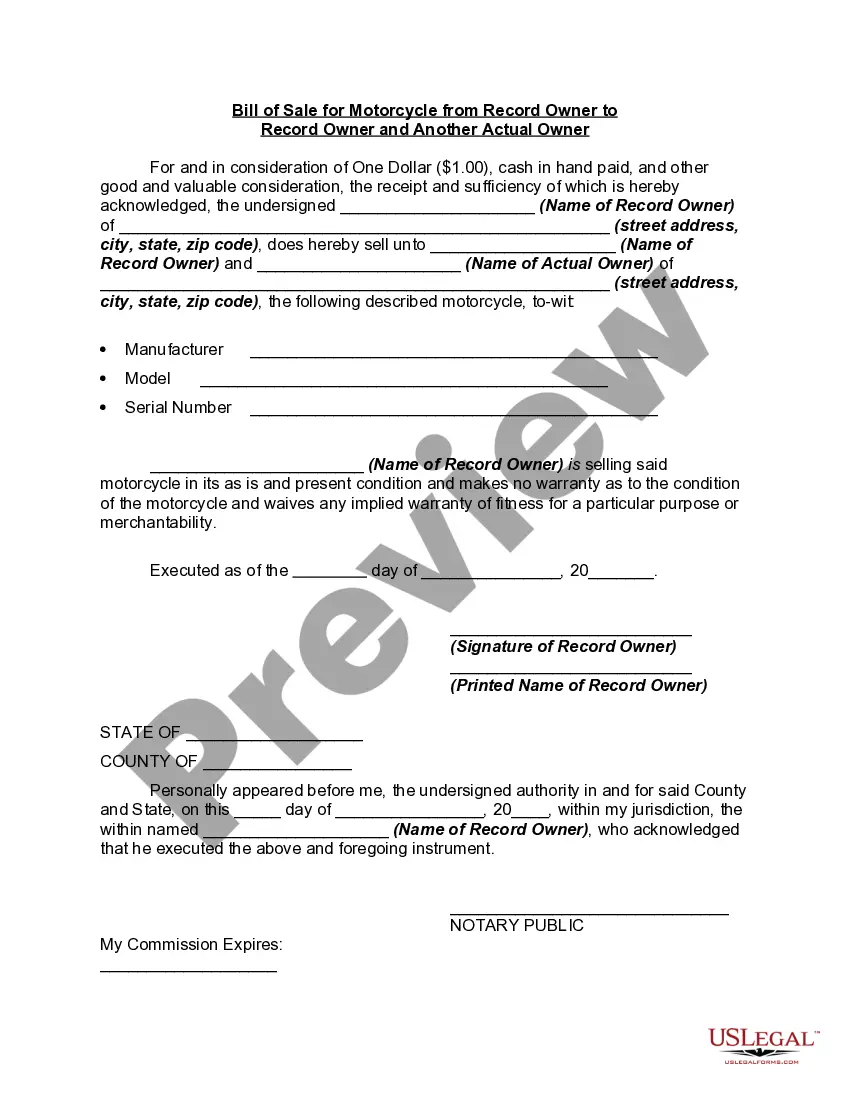
Get your form ready online
Our built-in tools help you complete, sign, share, and store your documents in one place.
Make edits, fill in missing information, and update formatting in US Legal Forms—just like you would in MS Word.
Download a copy, print it, send it by email, or mail it via USPS—whatever works best for your next step.
Sign and collect signatures with our SignNow integration. Send to multiple recipients, set reminders, and more. Go Premium to unlock E-Sign.
If this form requires notarization, complete it online through a secure video call—no need to meet a notary in person or wait for an appointment.
We protect your documents and personal data by following strict security and privacy standards.

Make edits, fill in missing information, and update formatting in US Legal Forms—just like you would in MS Word.

Download a copy, print it, send it by email, or mail it via USPS—whatever works best for your next step.

Sign and collect signatures with our SignNow integration. Send to multiple recipients, set reminders, and more. Go Premium to unlock E-Sign.

If this form requires notarization, complete it online through a secure video call—no need to meet a notary in person or wait for an appointment.

We protect your documents and personal data by following strict security and privacy standards.
Looking for another form?










Form popularity
FAQ
A waiver is a demonstration, usually in written form, of a party's intent to relinquish a legal right or claim. The key point to note is that the relinquishment is voluntary, and can apply to a variety of legal situations. Essentially, a waiver removes a real or potential liability for the other party in the agreement.
Gym waivers serve as legally binding agreements between you, as the gym owner, and your clients. They outline the risks associated with physical activity, establish the responsibilities of both parties, and waive liability in case of injury or damage.
By signing a waiver, individuals essentially agree to hold the gym harmless in the event of an accident or injury . This can be a valuable protection for gyms, especially in today's litigious society.
I acknowledge that using gym facilities, equipment, and participating in physical exercise involves inherent risks, including but not limited to physical injury, strain, discomfort, and the possibility of serious injury or death. I assume all risks and responsibility for any injuries or other medical incidents.
Key Takeaways On How To Write A Waiver Choose a waiver template. Determine the type of activity or service. State the purpose of the waiver. Identify the risks. Include a title. Include customer information. Include waiver terms. Include a statement of understanding.
A liability waiver form is a legal contract that educates one party about the risks associated with an activity. Once signed, it prevents the participant from opening a lawsuit against the company in the event of damage or loss, effectively shifting responsibility for injuries from the company to the customer.
I have signed this WAIVER AND RELEASE freely, voluntarily, under no duress or threat of duress, without inducement, promise, or guarantee being communicated to me. My signature is proof of my intention to execute a complete and unconditional WAIVER AND RELEASE of all liability to the full extent of the law.
You can file an I-601 Waiver application by yourself. However, you are very strongly advised against doing so. You should hire an experienced immigration lawyer to assist and represent you in the preparation and filing of your application for an I-601 Waiver.
How to write a waiver Introductory statement. The introductory statement of a waiver serves to clarify its purpose and the parties involved. Summary of risks. Assumption of risks. Release clause. Indemnification clause. Governing law. Consent and signature.
