Release Records Without Consent In San Diego
Description

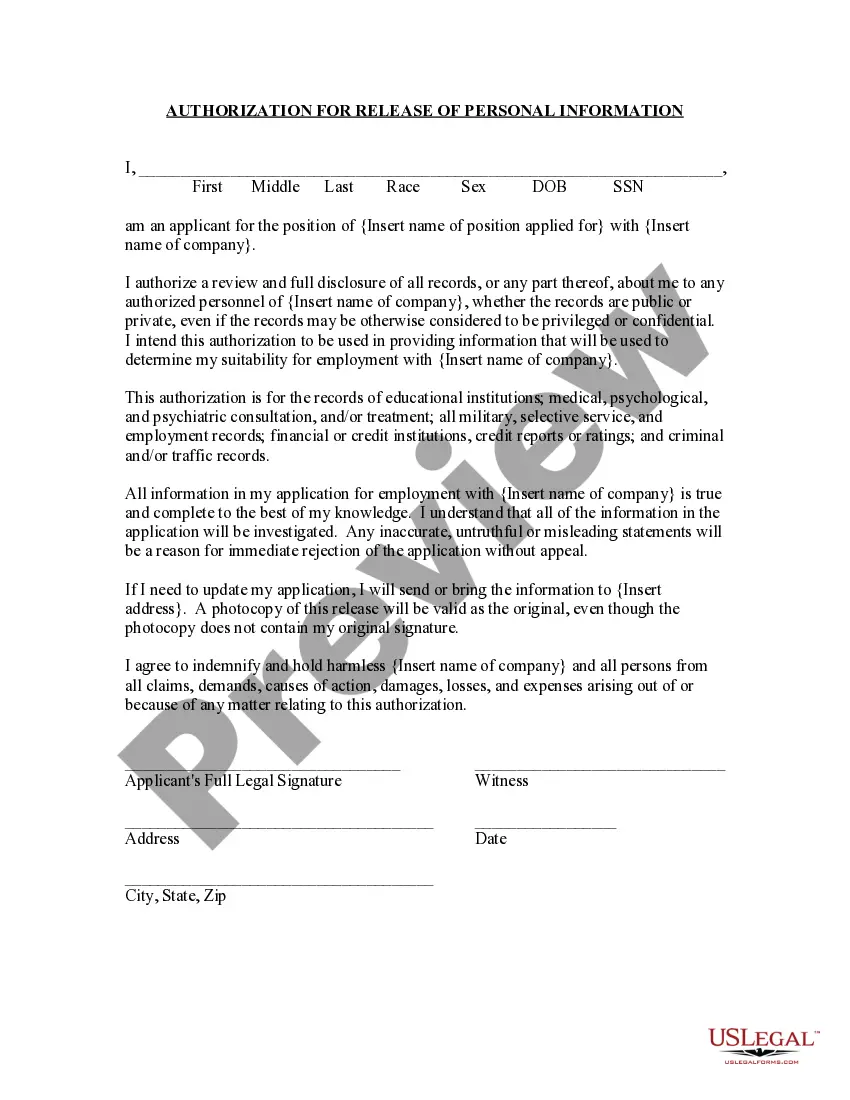
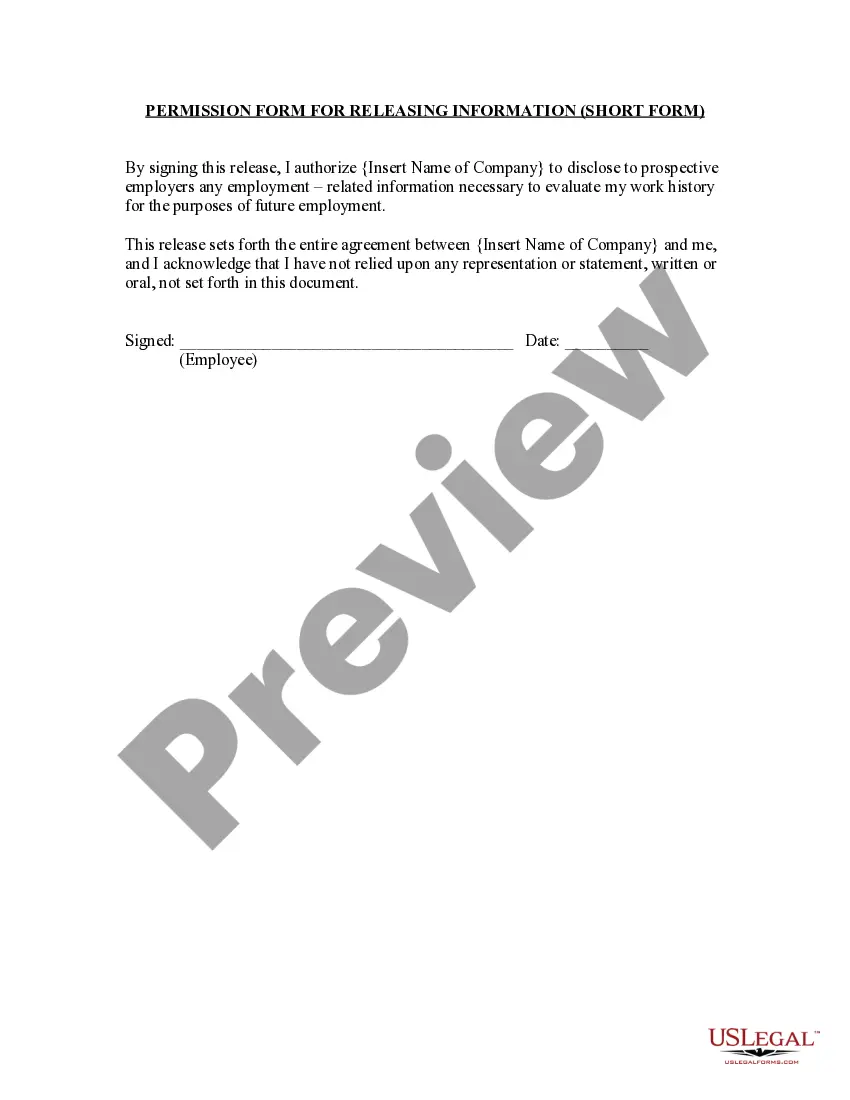
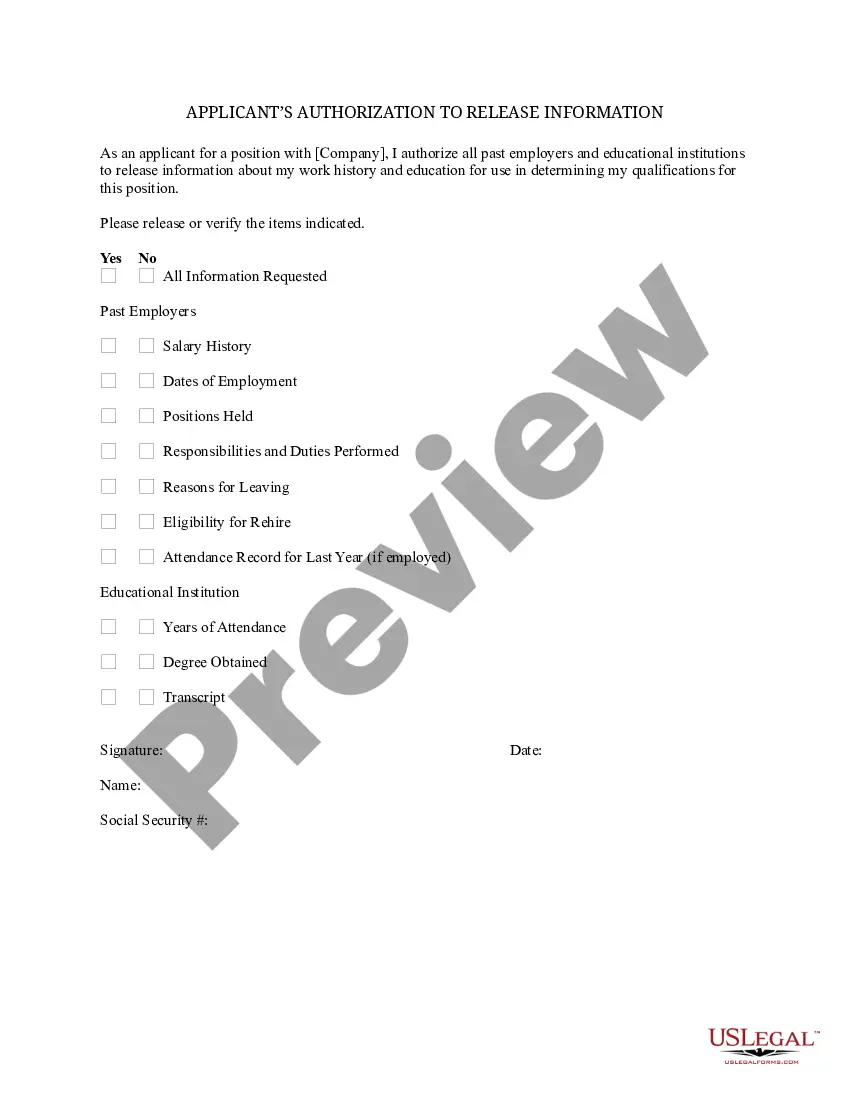
Get your form ready online
Our built-in tools help you complete, sign, share, and store your documents in one place.
Make edits, fill in missing information, and update formatting in US Legal Forms—just like you would in MS Word.
Download a copy, print it, send it by email, or mail it via USPS—whatever works best for your next step.
Sign and collect signatures with our SignNow integration. Send to multiple recipients, set reminders, and more. Go Premium to unlock E-Sign.
If this form requires notarization, complete it online through a secure video call—no need to meet a notary in person or wait for an appointment.
We protect your documents and personal data by following strict security and privacy standards.

Make edits, fill in missing information, and update formatting in US Legal Forms—just like you would in MS Word.

Download a copy, print it, send it by email, or mail it via USPS—whatever works best for your next step.

Sign and collect signatures with our SignNow integration. Send to multiple recipients, set reminders, and more. Go Premium to unlock E-Sign.

If this form requires notarization, complete it online through a secure video call—no need to meet a notary in person or wait for an appointment.

We protect your documents and personal data by following strict security and privacy standards.
Looking for another form?








Form popularity
FAQ
Is there any way to find out who owns a property? The County of San Diego Assessor's Office can provide information about any parcel of land located within the County of San Diego. The office can also be reached at 619-236-3771. Properties owned by the City of San Diego can be viewed on the Map of City-owned Land.
The California Public Records Act requires that governmental records be accessible to the public when requested, unless exempt by the law. Requests for identifiable, disclosable recordsmust be responded to within timeframes and promptly available for anyone who pays duplication costs or statutory fees.
The California Public Records Act (CPRA) was passed by the California Legislature in 1968 for government agencies and requires that government records be disclosed to the public, upon request, unless there are privacy and/or public safety exemptions which would prevent doing so.
6250. In enacting this chapter, the Legislature, mindful of the right of individuals to privacy, finds and declares that access to information concerning the conduct of the people's business is a fundamental and necessary right of every person in this state. 6251.
The California Public Records Act (the Act) was enacted in 1968 to guarantee the public's right to access government records, ensuring transparency and accountability. It has since been recodified in 2023, without any substantive changes to the Act.
If you're looking for criminal records contact The California Department of Justice. They offer aMoreIf you're looking for criminal records contact The California Department of Justice. They offer a background check service but you'll need to submit fingerprints.
How to File a Public Records Act Request. The City of San Diego has a Public Records Portal (NextRequest) that allows anyone to submit a request, correspond with City staff, and track requests online. The portal also allows users to search for published public records requests and documents.
“Public records are open to inspection at all times during the office hours of the state or local agency and every person has a right to inspect any public record, except as hereafter provided.”
You may submit a request for building records to ARCCBuildingRecords.FGG@sdcounty.ca. To help expedite your request, please see the requirements below for requesting copies of building records. Requests from property owners – an email with parcel number or property address and a copy of their photo ID.

