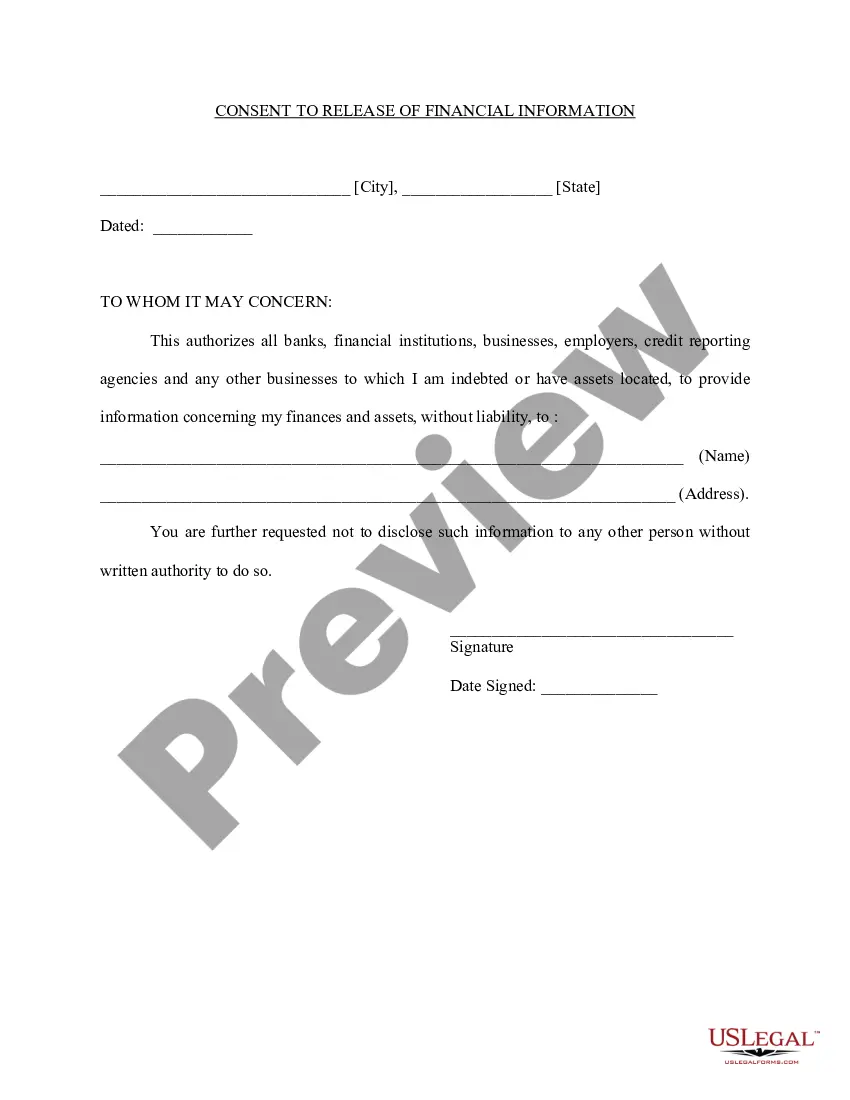
Ferpa Release Information Without Consent In Queens
Description

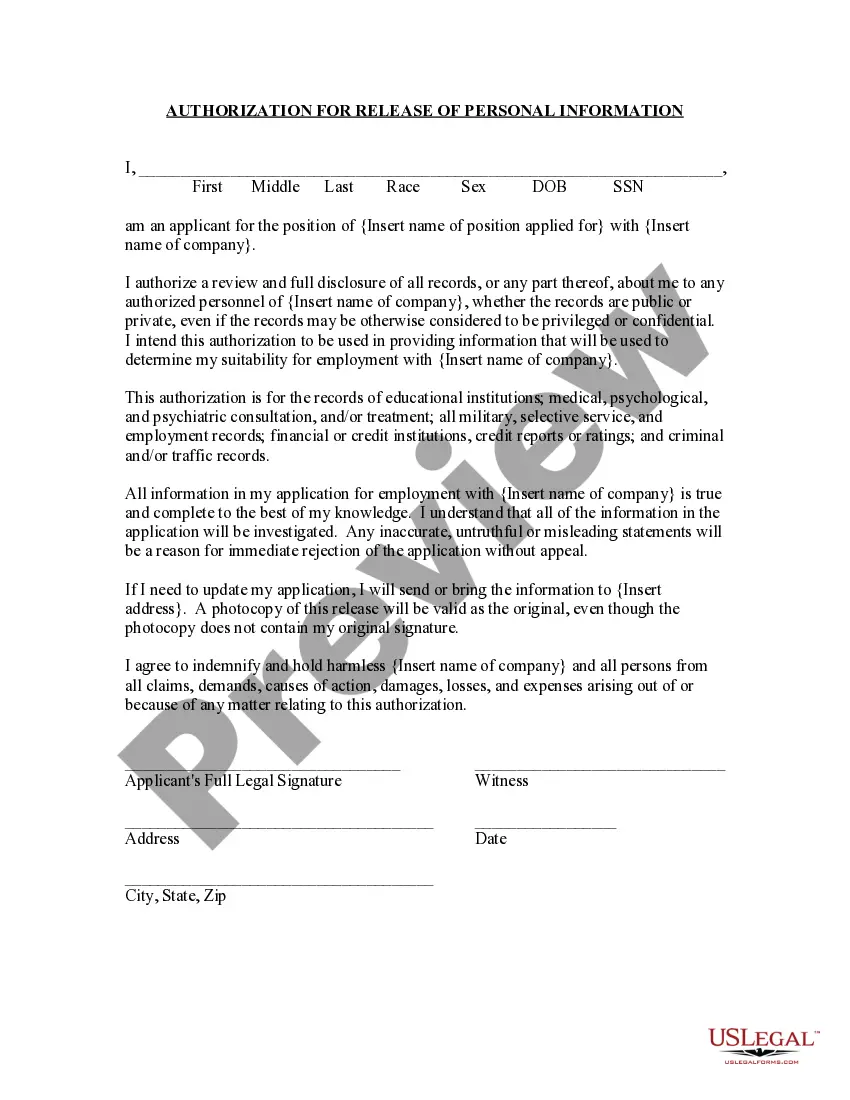
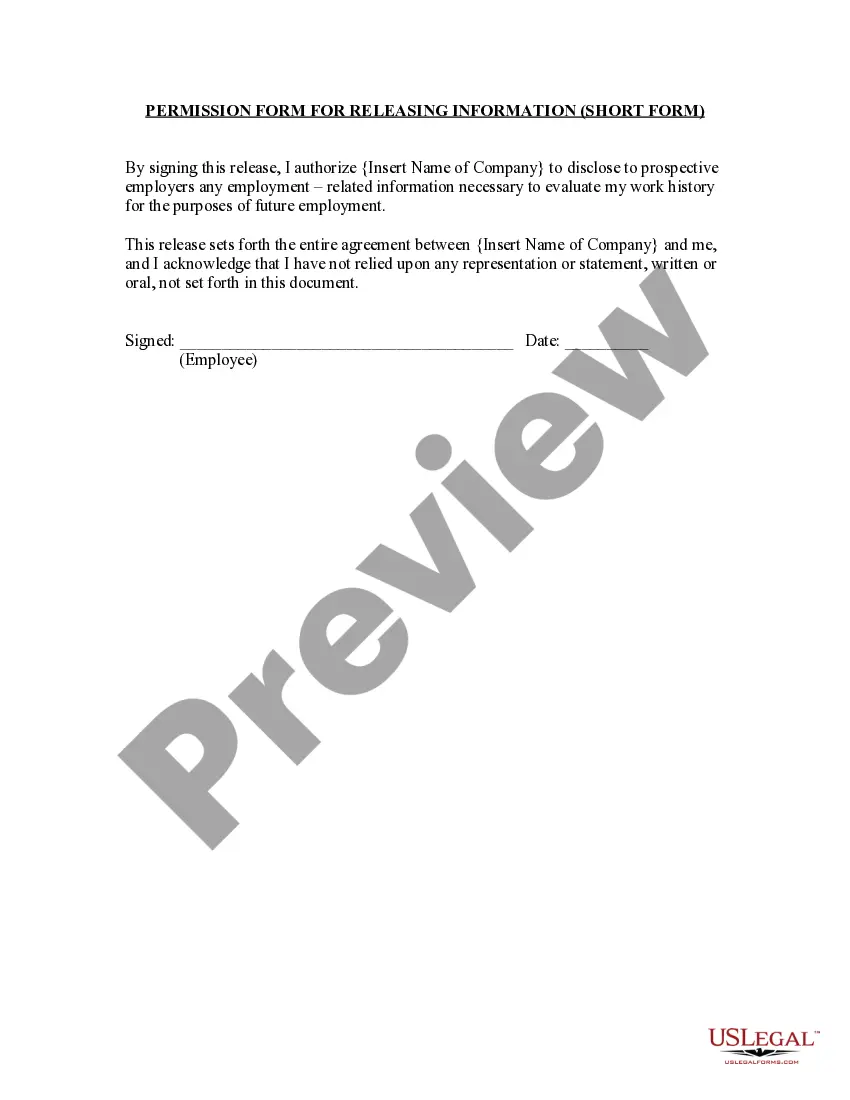
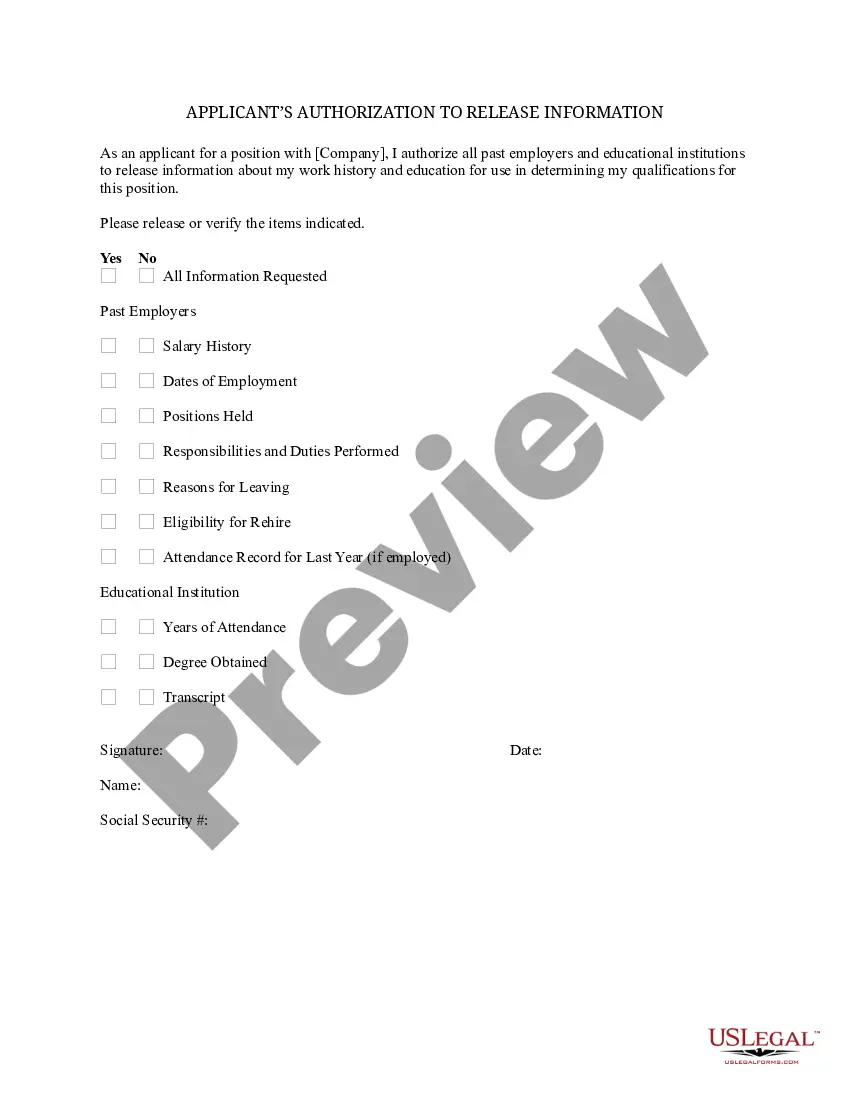
Get your form ready online
Our built-in tools help you complete, sign, share, and store your documents in one place.
Make edits, fill in missing information, and update formatting in US Legal Forms—just like you would in MS Word.
Download a copy, print it, send it by email, or mail it via USPS—whatever works best for your next step.
Sign and collect signatures with our SignNow integration. Send to multiple recipients, set reminders, and more. Go Premium to unlock E-Sign.
If this form requires notarization, complete it online through a secure video call—no need to meet a notary in person or wait for an appointment.
We protect your documents and personal data by following strict security and privacy standards.

Make edits, fill in missing information, and update formatting in US Legal Forms—just like you would in MS Word.

Download a copy, print it, send it by email, or mail it via USPS—whatever works best for your next step.

Sign and collect signatures with our SignNow integration. Send to multiple recipients, set reminders, and more. Go Premium to unlock E-Sign.

If this form requires notarization, complete it online through a secure video call—no need to meet a notary in person or wait for an appointment.

We protect your documents and personal data by following strict security and privacy standards.
Looking for another form?




Form popularity
FAQ
Family Educational Rights and Privacy Act (FERPA) – The foundational federal law on the privacy of students' educational records, FERPA safeguards student privacy by limiting who may access student records, specifying for what purpose they may access those records, and detailing what rules they have to follow when ...
Example: Sharing a student's grades, disciplinary records, or personal information with someone who doesn't have a legitimate educational interest or without the student's consent.
Records may be released without the student's consent: (1) to school officials with a legitimate educational interest; (2) to other schools to which a student seeks or intends to enroll; (3) to education officials for audit and evaluation purposes; (4) to accrediting organizations; (5) to parties in connection with ...
The Health Information Privacy Act (HIPA) places restrictions on uses and disclosures of personally identifiable consumer data related to health and wellness, excluding the PHI collected by HIPAA-regulated entities. It is important to note that HIPA exempts PHI, not HIPAA-regulated entities.
Under FERPA, a school may not generally disclose personally identifiable information from an eligible student's education records to a third party unless the eligible student has provided written consent.
A person over five and under twenty-one years of age who has not received a high school diploma is entitled to attend the public schools maintained in the district in which such person resides without the payment of tuition.
New York State Education Law 2-d prohibits the unauthorized release of personally identifiable student, teacher, or administrator data (PII). It also requires Parents' Bill of Rights for Data Privacy and Security.
Family Educational Rights and Privacy Act (FERPA) – The foundational federal law on the privacy of students' educational records, FERPA safeguards student privacy by limiting who may access student records, specifying for what purpose they may access those records, and detailing what rules they have to follow when ...
Final answer: School officials can release identifiable information without parental consent when required by law, in emergencies or to school officials with legitimate interests.