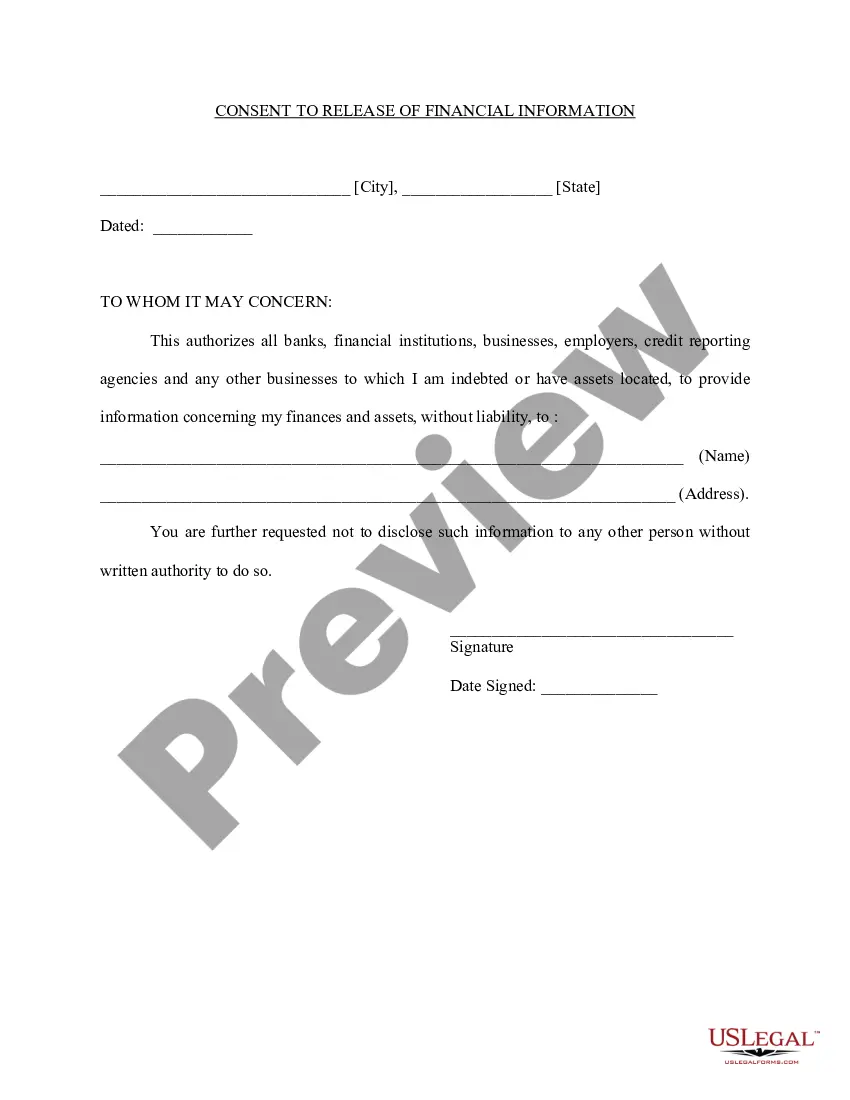
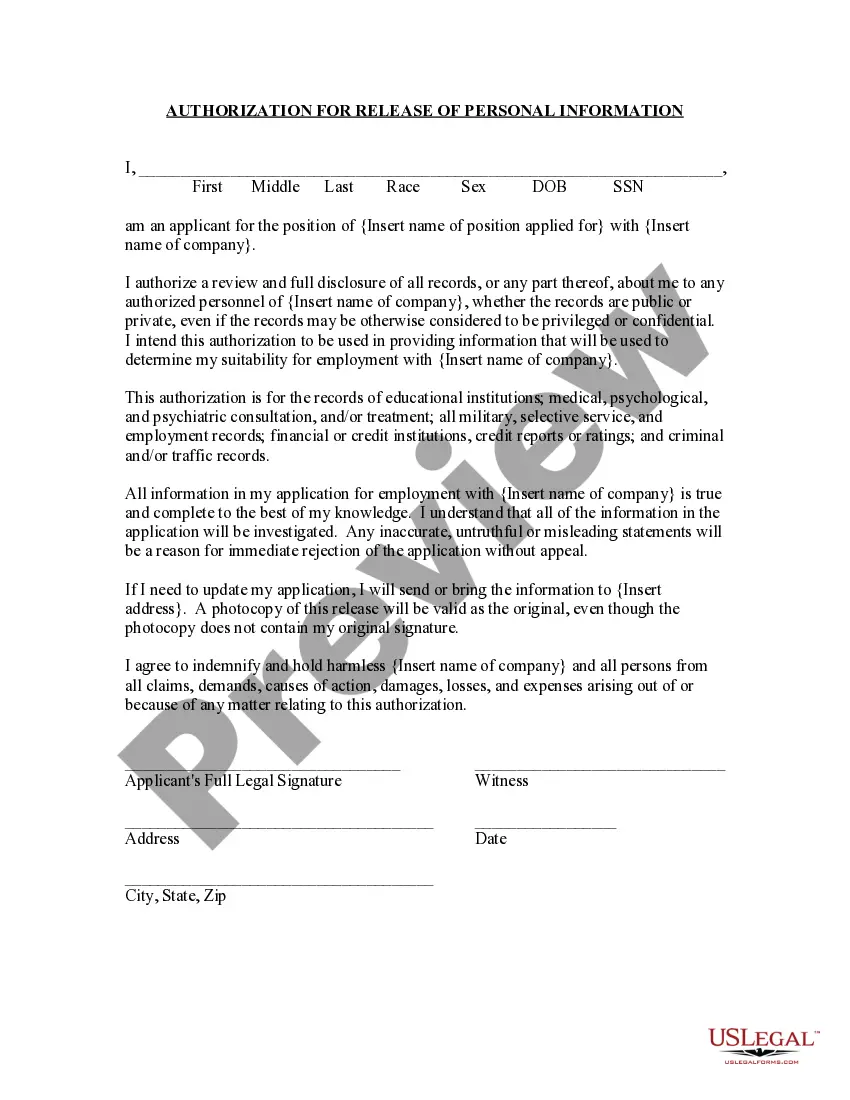
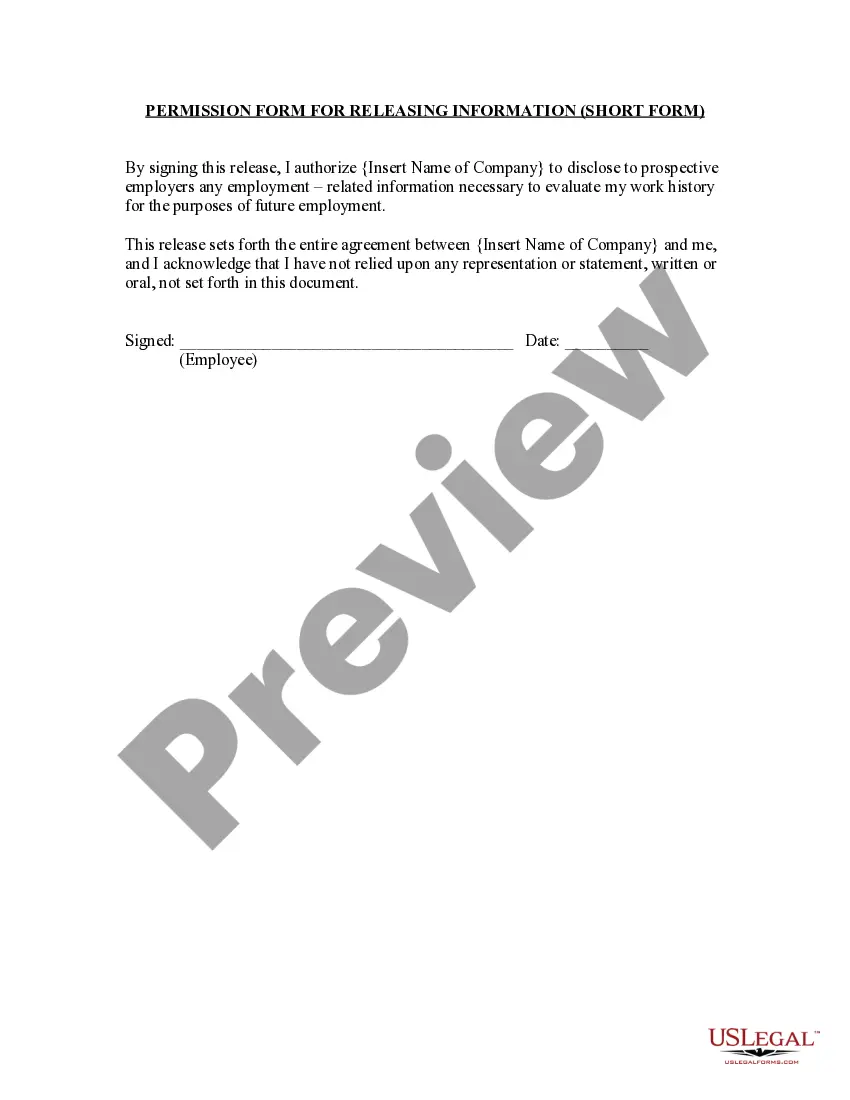
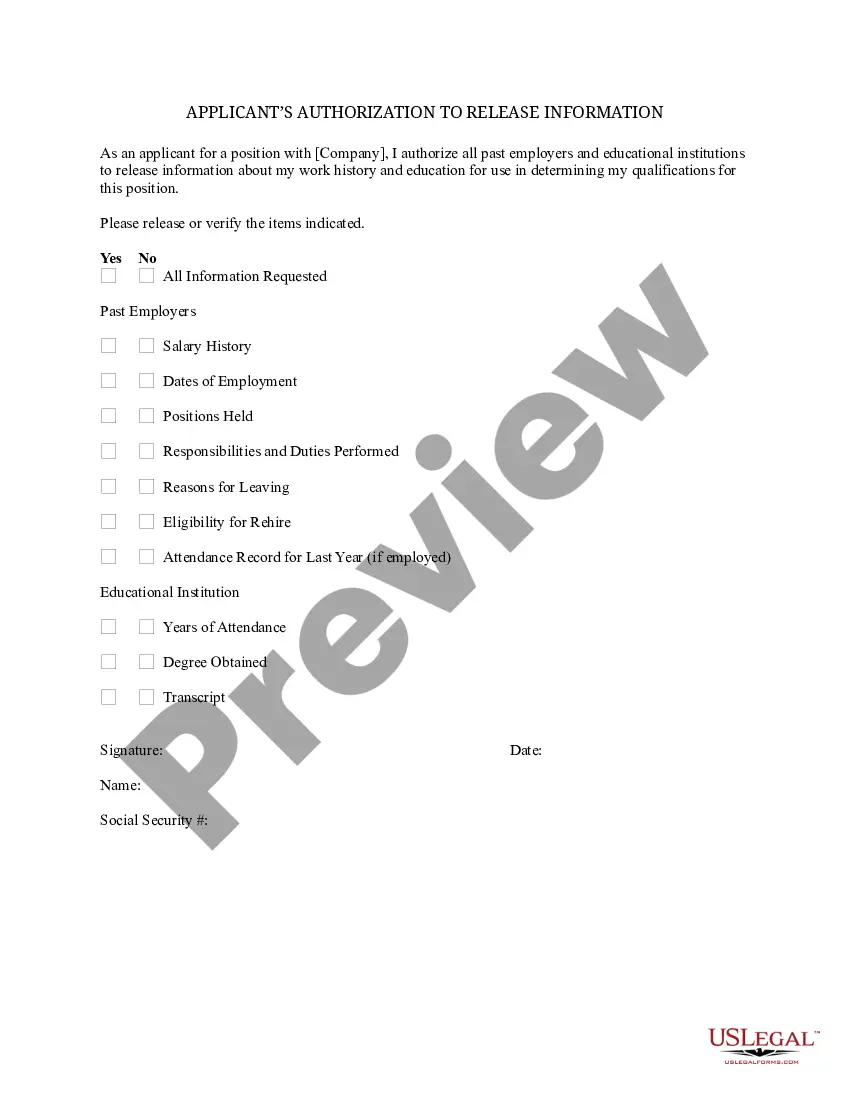
Medical Information Release Consent Form In North Carolina
Description

Get your form ready online
Our built-in tools help you complete, sign, share, and store your documents in one place.
Make edits, fill in missing information, and update formatting in US Legal Forms—just like you would in MS Word.
Download a copy, print it, send it by email, or mail it via USPS—whatever works best for your next step.
Sign and collect signatures with our SignNow integration. Send to multiple recipients, set reminders, and more. Go Premium to unlock E-Sign.
If this form requires notarization, complete it online through a secure video call—no need to meet a notary in person or wait for an appointment.
We protect your documents and personal data by following strict security and privacy standards.

Make edits, fill in missing information, and update formatting in US Legal Forms—just like you would in MS Word.

Download a copy, print it, send it by email, or mail it via USPS—whatever works best for your next step.

Sign and collect signatures with our SignNow integration. Send to multiple recipients, set reminders, and more. Go Premium to unlock E-Sign.

If this form requires notarization, complete it online through a secure video call—no need to meet a notary in person or wait for an appointment.

We protect your documents and personal data by following strict security and privacy standards.
Looking for another form?







Form popularity
FAQ
For information about your medical record, please see this Medical Records page or call (984) 974-3226. If you would like to request a copy of information in a medical record, please FAX a completed authorization form to (984) 974-0474.
North Carolina's medical records laws hold all privileged patient medical records as confidential, available to pharmacists when necessary. In cases where a medical professional suspects child abuse, however, that person is required to report these findings to law enforcement.
10A NCAC 13B . 3903 North Carolina Department of Health and Human Services is charged with creating policy regarding "health care facilities", and is written primarily for hospitals. ing to the DHHS medical records of a facility must be maintained for at least 11 years after an adult patient's discharge.
What is the HIPAA Privacy Rule? The Privacy Rule outlines the specific rights of individuals, medical professionals, hospitals, insurers and other “covered entities” that are subject to HIPAA laws. Patient rights include: The right to see and obtain copies of your medical records.
Due to the large volume of records requests received by the Department and often the complexity of records requests, please allow 16 days for delivery of documents requested.
Who Owns Medical Records: 50 State Comparison StateMedical Record Ownership LawsDetails New York No law identified conferring specific ownership or property right to medical record North Carolina Hospital and/or physician owns medical record 10A N.C. Admin. Code 13B.3903: Medical records are the property of the hospital.49 more rows •
With limited exceptions, the HIPAA Privacy Rule (the Privacy Rule) provides individuals with a legal, enforceable right to see and receive copies upon request of the information in their medical and other health records maintained by their health care providers and health plans.
For information about your medical record, please see this Medical Records page or call (984) 974-3226. If you would like to request a copy of information in a medical record, please FAX a completed authorization form to (984) 974-0474.
A. Adults: 11 years after last date of patient encounter if no litigation, claim, audit, or official action involving the records has been initiated.