Medical Records Release Consent Form In Clark
Description

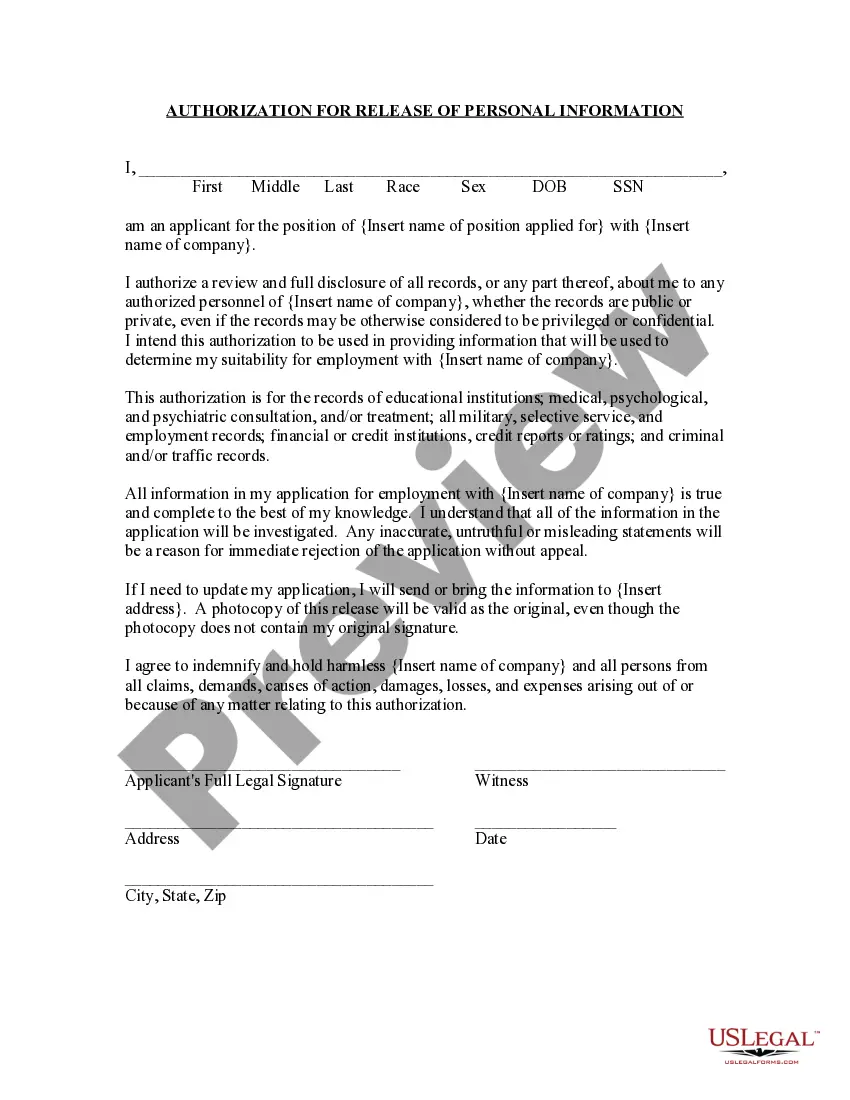
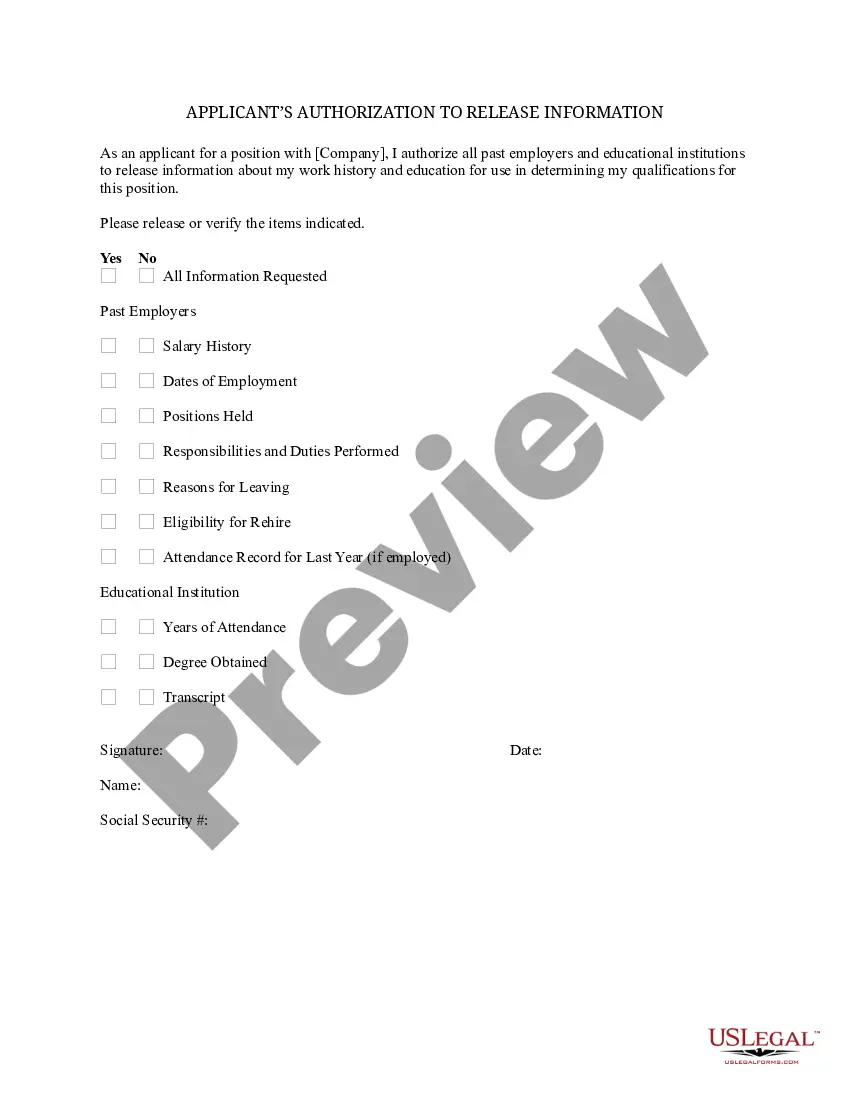
Get your form ready online
Our built-in tools help you complete, sign, share, and store your documents in one place.
Make edits, fill in missing information, and update formatting in US Legal Forms—just like you would in MS Word.
Download a copy, print it, send it by email, or mail it via USPS—whatever works best for your next step.
Sign and collect signatures with our SignNow integration. Send to multiple recipients, set reminders, and more. Go Premium to unlock E-Sign.
If this form requires notarization, complete it online through a secure video call—no need to meet a notary in person or wait for an appointment.
We protect your documents and personal data by following strict security and privacy standards.

Make edits, fill in missing information, and update formatting in US Legal Forms—just like you would in MS Word.

Download a copy, print it, send it by email, or mail it via USPS—whatever works best for your next step.

Sign and collect signatures with our SignNow integration. Send to multiple recipients, set reminders, and more. Go Premium to unlock E-Sign.

If this form requires notarization, complete it online through a secure video call—no need to meet a notary in person or wait for an appointment.

We protect your documents and personal data by following strict security and privacy standards.
Looking for another form?








Form popularity
FAQ
The two most common types of databases found in healthcare... relational and object-oriented databases. An index creates a definition for terms that are within a database.
The two most commonly used filing systems for paper-based medical records are the chronologic and numeric systems. Chronologic Filing System: This organizes medical records based on the date of service. Numeric Filing System: This system arranges records by a unique identification number assigned to each patient.
Personal health record (PHR) Electronic medical record (EMR)
If you're a Canadian resident looking for health records from providers within Canada, you're in luck! Try downloading Dot Health. We strongly feel this is the most convenient way to access all of your health records, no matter where they're from.
Medical records are an integral part of the healthcare system and are meant to improve the quality of care. They contain 1. Patient Demographics · 2. Medical History · 3.
The most commonly used health record format in healthcare settings as they transition to electronic records is the Electronic Health Record (EHR). EHRs are comprehensive digital records that contain a patient's medical history, medications, lab results, and treatment plans.
Please note: To apply to opt-out, please visit the Student VIP website or contact the Health Plan Office for support. Opt-Outs must be submitted each academic year. Opt-Outs are only granted if proof of alternative, comparable coverage is provided and the plan is unused.
You may waive the SHIP/Aetna plan through the Aetna website before the third week of the fall semester—you must submit a waiver every year. If you are starting as a new student in the spring semester, submit the waiver before the third week of the spring semester in your first year, and then annually each fall.
Domestic students may apply for a waiver online by visiting .universityhealthplans/clark.
How to request Download and complete the Public Information Request Form. Please be specific about facility name, location, and dates. Mail your completed request and release form, if applicable, to: Division of Health Care Facility Licensure and Certification.