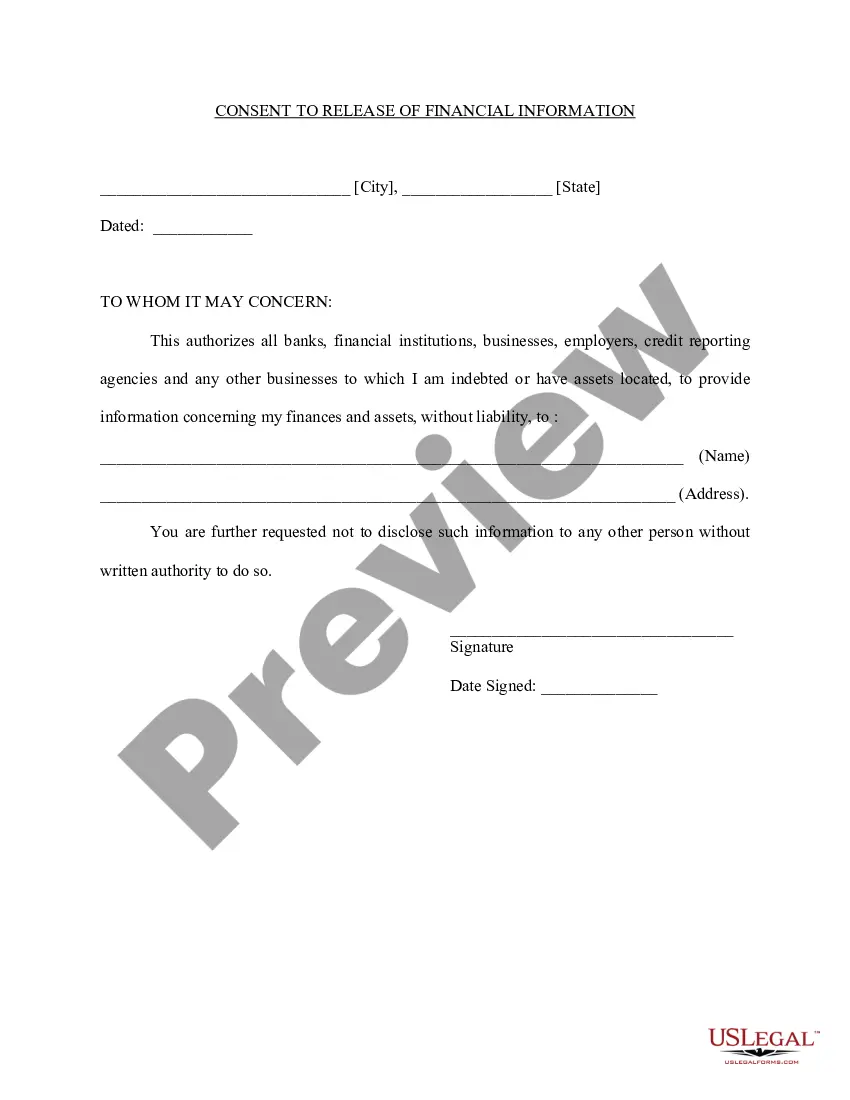
Medical Information Release Consent Form In California
Description

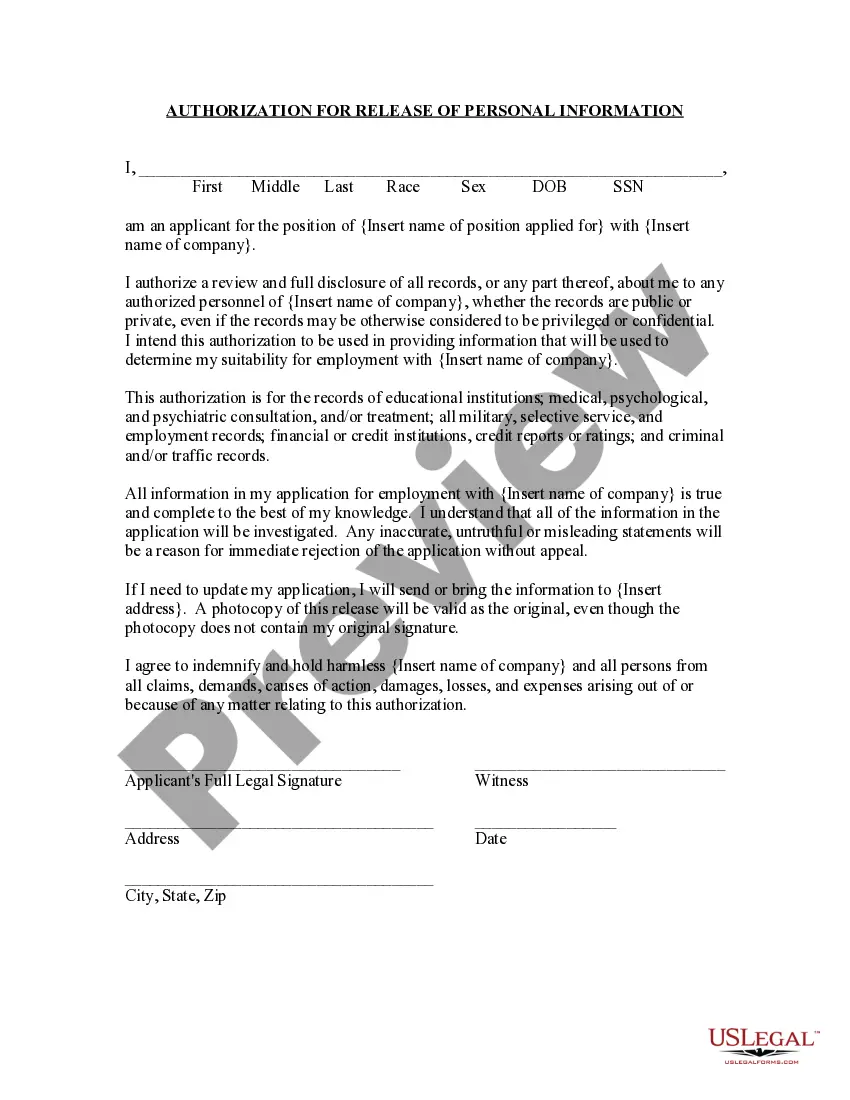
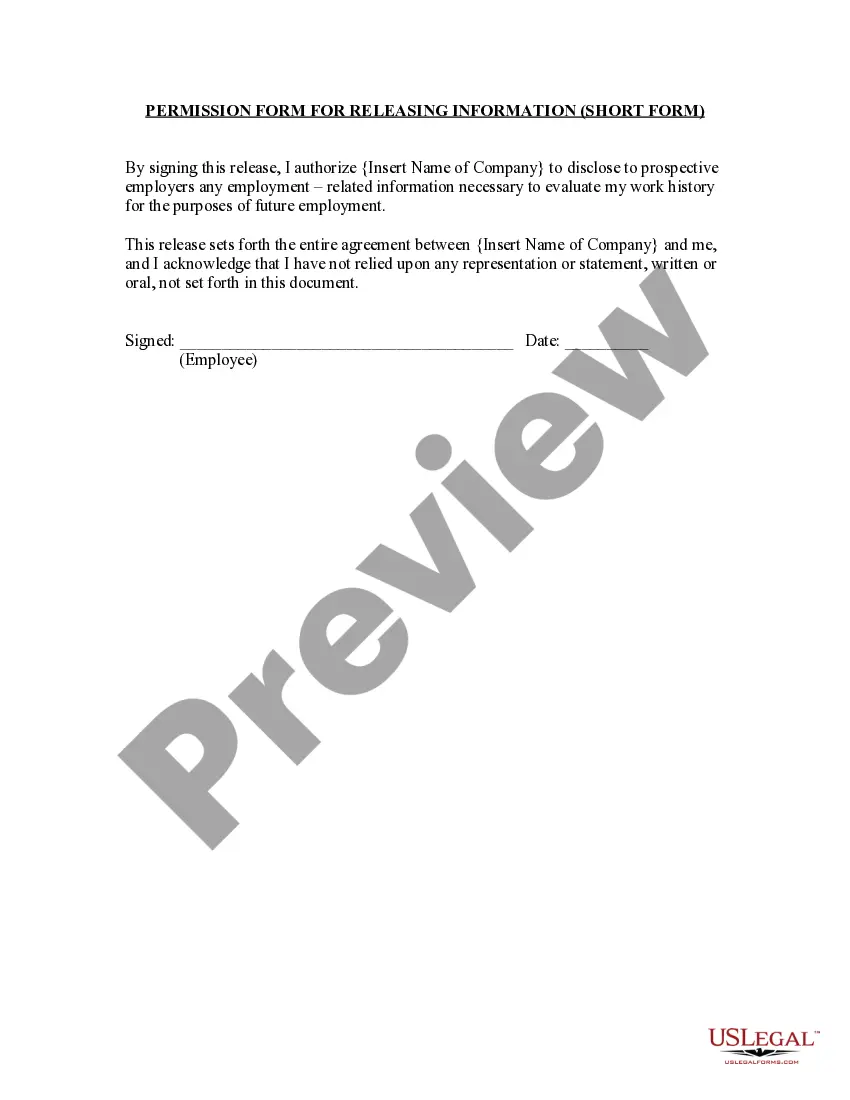
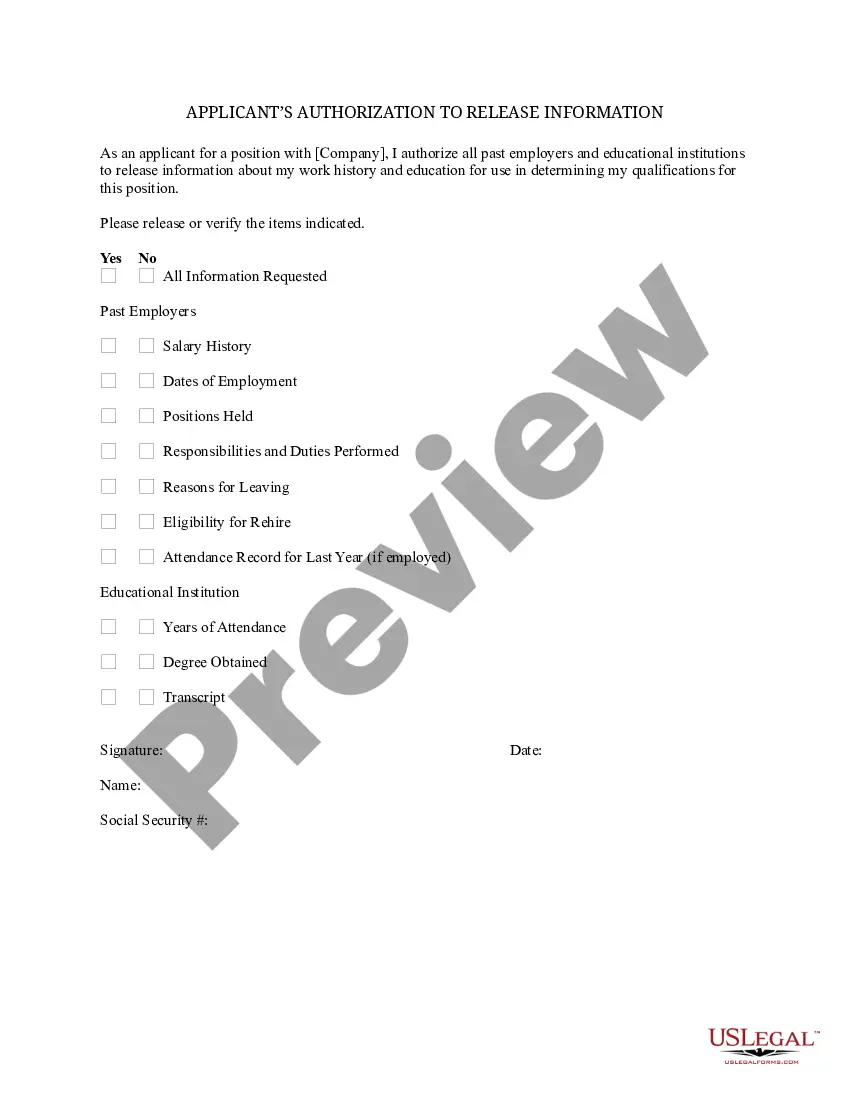
Get your form ready online
Our built-in tools help you complete, sign, share, and store your documents in one place.
Make edits, fill in missing information, and update formatting in US Legal Forms—just like you would in MS Word.
Download a copy, print it, send it by email, or mail it via USPS—whatever works best for your next step.
Sign and collect signatures with our SignNow integration. Send to multiple recipients, set reminders, and more. Go Premium to unlock E-Sign.
If this form requires notarization, complete it online through a secure video call—no need to meet a notary in person or wait for an appointment.
We protect your documents and personal data by following strict security and privacy standards.

Make edits, fill in missing information, and update formatting in US Legal Forms—just like you would in MS Word.

Download a copy, print it, send it by email, or mail it via USPS—whatever works best for your next step.

Sign and collect signatures with our SignNow integration. Send to multiple recipients, set reminders, and more. Go Premium to unlock E-Sign.

If this form requires notarization, complete it online through a secure video call—no need to meet a notary in person or wait for an appointment.

We protect your documents and personal data by following strict security and privacy standards.
Looking for another form?








Form popularity
FAQ
Check their website: Information about how to get your health record may be found under the Contact Us section of a provider's website. It may direct you to an online portal, a phone number, an email address, or a form. Phone or visit: You can also call or visit your provider and ask them how to get your health record.
You may be able to request your record through your provider's patient portal. You may have to fill out a form — called a health or medical record release form, or request for access—send an email, or mail or fax a letter to your provider.
Federal laws govern the privacy protection of medical records, along with some state laws. California medical records laws state that a patient's information may not be disclosed without authorization unless it is pursuant to a court order, or for purposes of communicating important medical data to other health care ...
Release of Information Authorization Under the HIPAA Privacy Rule, when a release of information is intended for purposes other than medical treatment, healthcare operations, or payment, you'll need to sign an authorization for ROI.
(a) Patients may authorize the release of their health care information by completing the CDCR 7385, Authorization for Release of Protected Health Information , to allow a family member or friend to request and receive an update when there is a significant change in the patient 's health care condition.
(5) A person or entity who is not permitted to receive medical information pursuant to this part and who knowingly and willfully obtains, discloses, or uses medical information without written authorization from the patient shall be liable for a civil penalty not to exceed two hundred fifty thousand dollars ($250,000) ...
By law, a patient's records are defined as records relating to the health history, diagnosis, or condition of a patient, or relating to treatment provided or proposed to be provided to the patient. Physicians must provide patients with copies within 15 days of receipt of the request.
A HIPAA Authorization form is a formal document used to obtain a person's signed permission for a covered entity (e.g., a healthcare provider) to use and disclose their protected health information (PHI) for a purpose that is not otherwise permitted under the HIPAA Privacy Rule.
All employees have the right to keep their medical conditions confidential if they wish. Rather, an employer should ask if their recent medical history is preventing them from performing the job tasks they used to do before the illness.