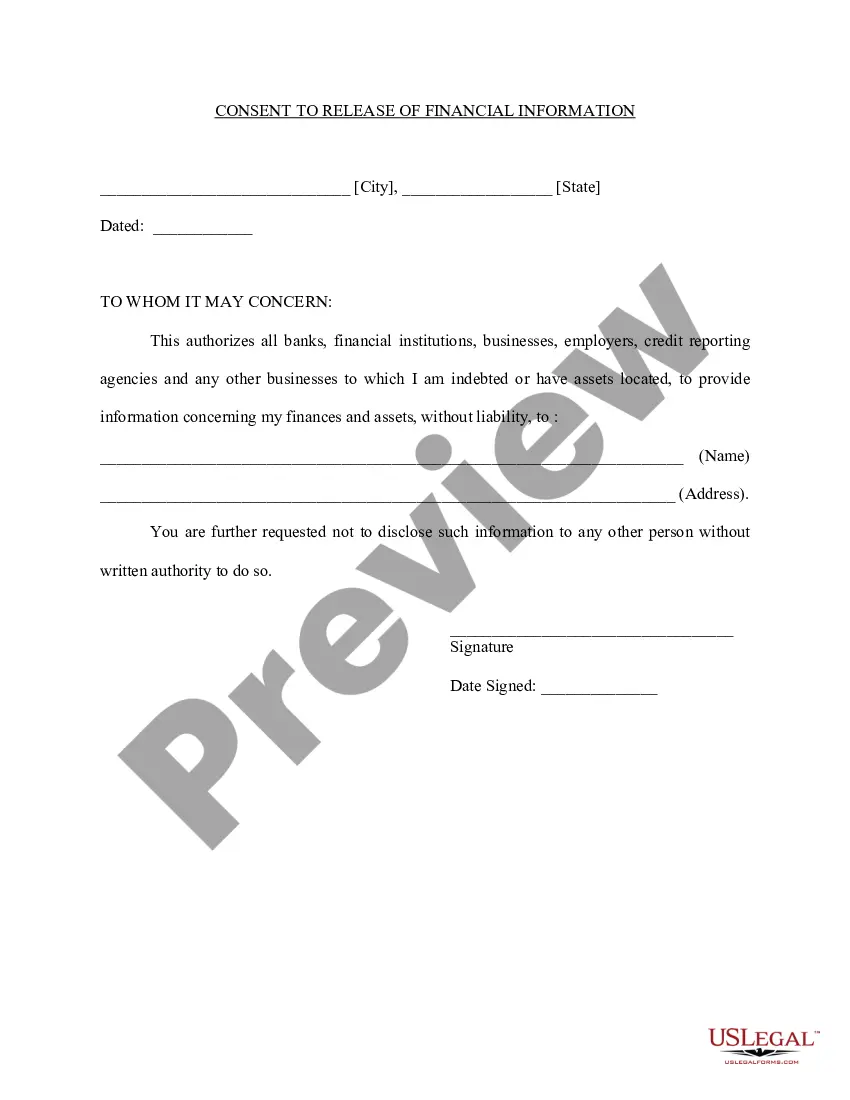
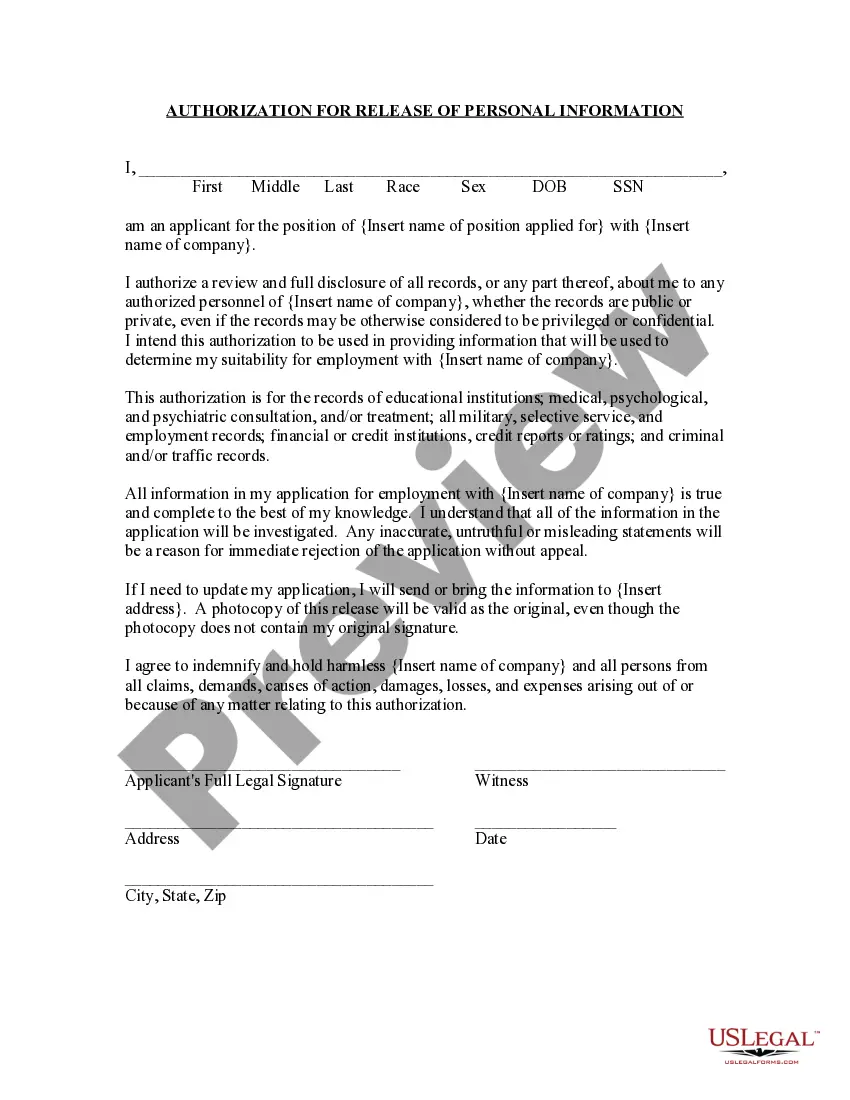
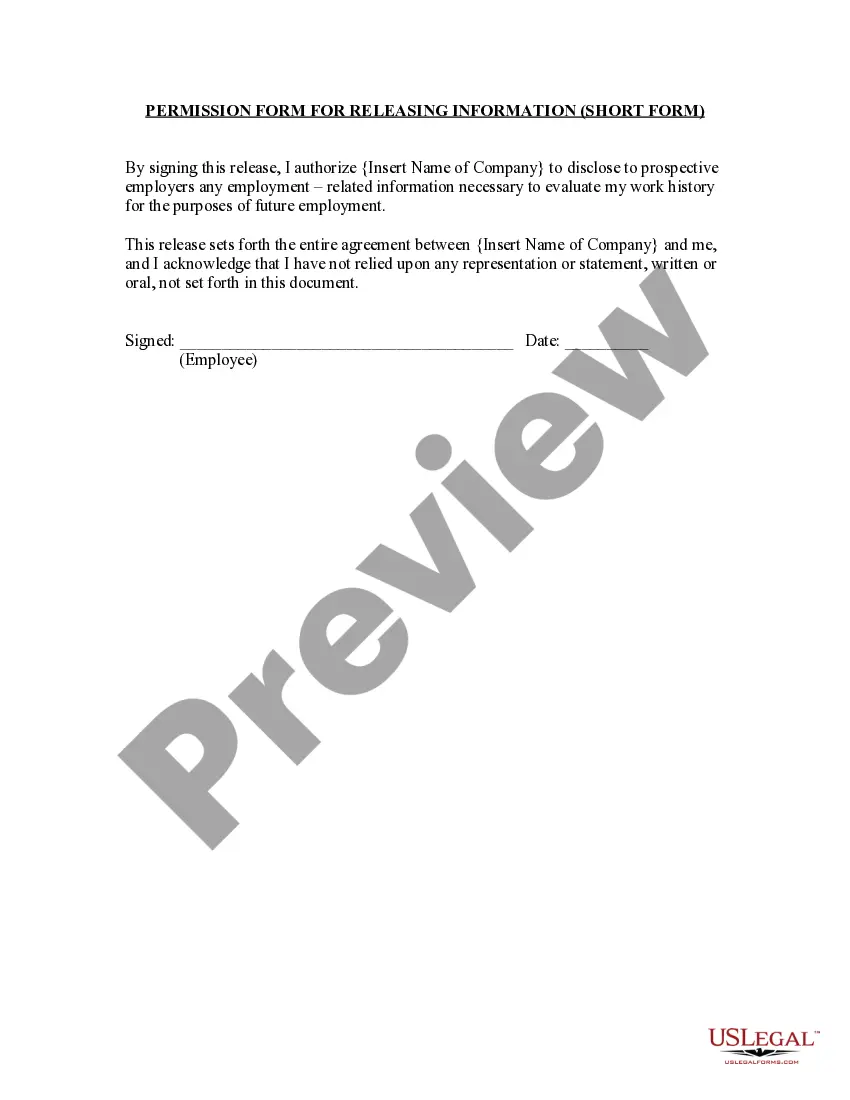
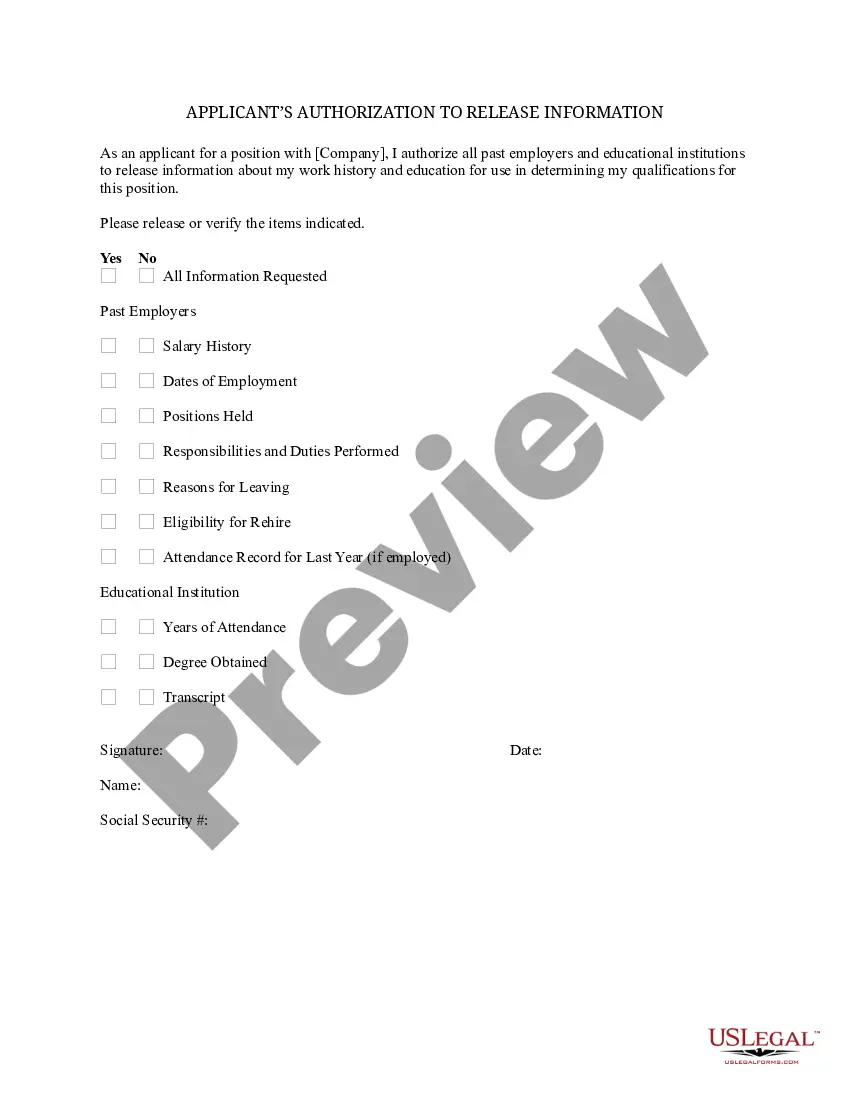
Medical Information Release Consent Form In Arizona
Description

Get your form ready online
Our built-in tools help you complete, sign, share, and store your documents in one place.
Make edits, fill in missing information, and update formatting in US Legal Forms—just like you would in MS Word.
Download a copy, print it, send it by email, or mail it via USPS—whatever works best for your next step.
Sign and collect signatures with our SignNow integration. Send to multiple recipients, set reminders, and more. Go Premium to unlock E-Sign.
If this form requires notarization, complete it online through a secure video call—no need to meet a notary in person or wait for an appointment.
We protect your documents and personal data by following strict security and privacy standards.

Make edits, fill in missing information, and update formatting in US Legal Forms—just like you would in MS Word.

Download a copy, print it, send it by email, or mail it via USPS—whatever works best for your next step.

Sign and collect signatures with our SignNow integration. Send to multiple recipients, set reminders, and more. Go Premium to unlock E-Sign.

If this form requires notarization, complete it online through a secure video call—no need to meet a notary in person or wait for an appointment.

We protect your documents and personal data by following strict security and privacy standards.
Looking for another form?






Form popularity
FAQ
Generally, Arizona law requires health care providers to keep the medical records of adult patients for at least 6 years after the last date the patient received medical care from that provider.
R9-10-212(B)(3)(a) requires that an administrator of a hospital ensure that, except in an emergency, a patient or the patient's representative either consents to or refuses treatment.
With limited exceptions, the HIPAA Privacy Rule (the Privacy Rule) provides individuals with a legal, enforceable right to see and receive copies upon request of the information in their medical and other health records maintained by their health care providers and health plans.
A health care provider shall disclose medical records or payment records, or the information contained in medical records or payment records, without the patient's written authorization as otherwise required by law or when ordered by a court or tribunal of competent jurisdiction.
A Privacy Rule Authorization is an individual's signed permission to allow a covered entity to use or disclose the individual's protected health information (PHI) that is described in the Authorization for the purpose(s) and to the recipient(s) stated in the Authorization.
The Health Insurance Portability and Accountability Act of 1996 (HIPAA) ensures that qualified individuals are provided continuous coverage for ongoing medical treatment. This may reduce how much or how long a health plan can keep a person from getting coverage due to pre-existing conditions.
Generally, Arizona law requires health care providers to keep the medical records of adult patients for at least 6 years after the last date the patient received medical care from that provider.
Unless otherwise required by statute or by federal law, a health care provider shall retain the original or copies of a patient's medical records as follows: 1. If the patient is an adult, for at least six years after the last date the adult patient received medical or health care services from that provider.
Medical Billing Time Limits Arizona The Arizona statute of limitations for written contracts, which includes medical bills, is set at 6 years ing to Arizona Revised Statutes, Section 12-548.