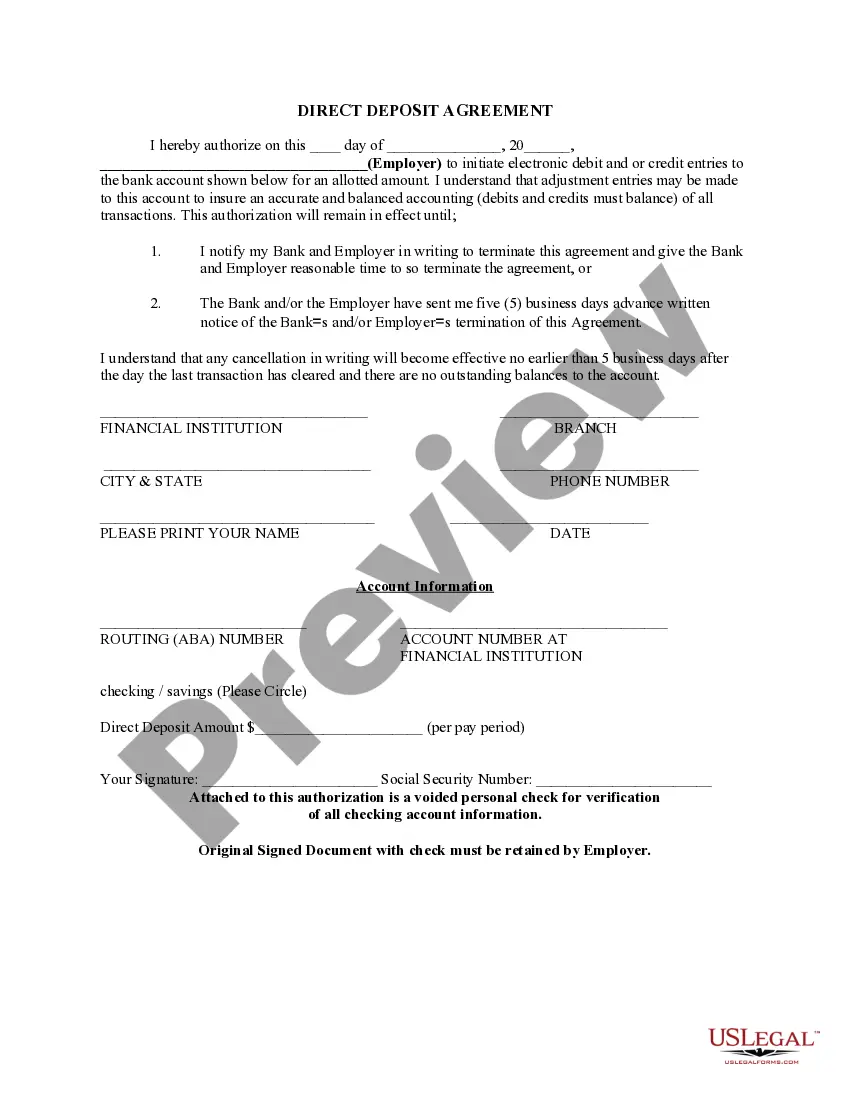
Caregiver Form Sample With Time In Wayne
Description






Get your form ready online
Our built-in tools help you complete, sign, share, and store your documents in one place.
Make edits, fill in missing information, and update formatting in US Legal Forms—just like you would in MS Word.
Download a copy, print it, send it by email, or mail it via USPS—whatever works best for your next step.
Sign and collect signatures with our SignNow integration. Send to multiple recipients, set reminders, and more. Go Premium to unlock E-Sign.
If this form requires notarization, complete it online through a secure video call—no need to meet a notary in person or wait for an appointment.
We protect your documents and personal data by following strict security and privacy standards.

Make edits, fill in missing information, and update formatting in US Legal Forms—just like you would in MS Word.

Download a copy, print it, send it by email, or mail it via USPS—whatever works best for your next step.

Sign and collect signatures with our SignNow integration. Send to multiple recipients, set reminders, and more. Go Premium to unlock E-Sign.

If this form requires notarization, complete it online through a secure video call—no need to meet a notary in person or wait for an appointment.

We protect your documents and personal data by following strict security and privacy standards.
Looking for another form?






Form popularity
FAQ
Self-Care for Caregivers Take time for yourself and your own needs. Eat a well-balanced diet. Exercise by taking short walks daily or at least three times a week. Listen to guided relaxation recordings or relaxing music. Schedule short rest periods between activities. Set limits for what you can do.
Empathy, patience, and adaptability are the three main strengths that distinguish exceptional caregivers. By embodying these qualities, caregivers not only meet the physical needs of their clients but also provide emotional support, foster meaningful connections, and enhance overall well-being.
What is a carer's assessment? Don't be put off by the word 'assessment' – it's certainly not a test of your abilities as a carer. It's a chance to let your local council or trust know how your caring responsibilities affect you physically and emotionally.
Description of Measure: This 18-item, caregiver self-report measure was devised by the American Medical Association as a means of helping physicians assess the stress-levels of family caregivers accompanying chronically ill older adult patients to their medical visits.
What to Include in a Checklist for Caregivers Name of caregiver on duty. Date the checklist is being used. Name of patients. Patient's morning, afternoon, and evening routines, such as: Taking medication and vital signs. Eating food and drinking water. Housekeeping tasks to do. Changes in patient's condition, if any.
Background on the caregiver and the caregiving situation. Caregiver's perception of health and functional status of the care recipient. Caregiver's values and preferences with respect to everyday living and care provision. Health and well-being of the caregiver. Consequences of caregiving on the caregiver.
The CSNAT is an evidence based, comprehensive tool comprising a set of domains (broad areas of support need) in which carers commonly say they require more support. It acts as a prompt for carers to indicate where they need more support.
A Caregiver Assessment is a systematic process of gathering information that describes a caregiving situation and identifies the particular problems, needs, resources and strengths of the family caregiver.
I am very passionate about being a caregiver and my positive and cheery disposition makes me very much suited to work. If you hire me, I will be available to work the hours needed, cover additional shifts to help when needed and support my co-workers to ensure the best possible care is always afforded to your clients.”
Experienced caregivers explain that they are able to stay strong by searching inside themselves and relying on their strength of character to keep them going during difficult days. Some examples of these strengths include patience, love, faith, core values, integrity, and compassion.