Application Caregiver Form With Child In Wayne
Description



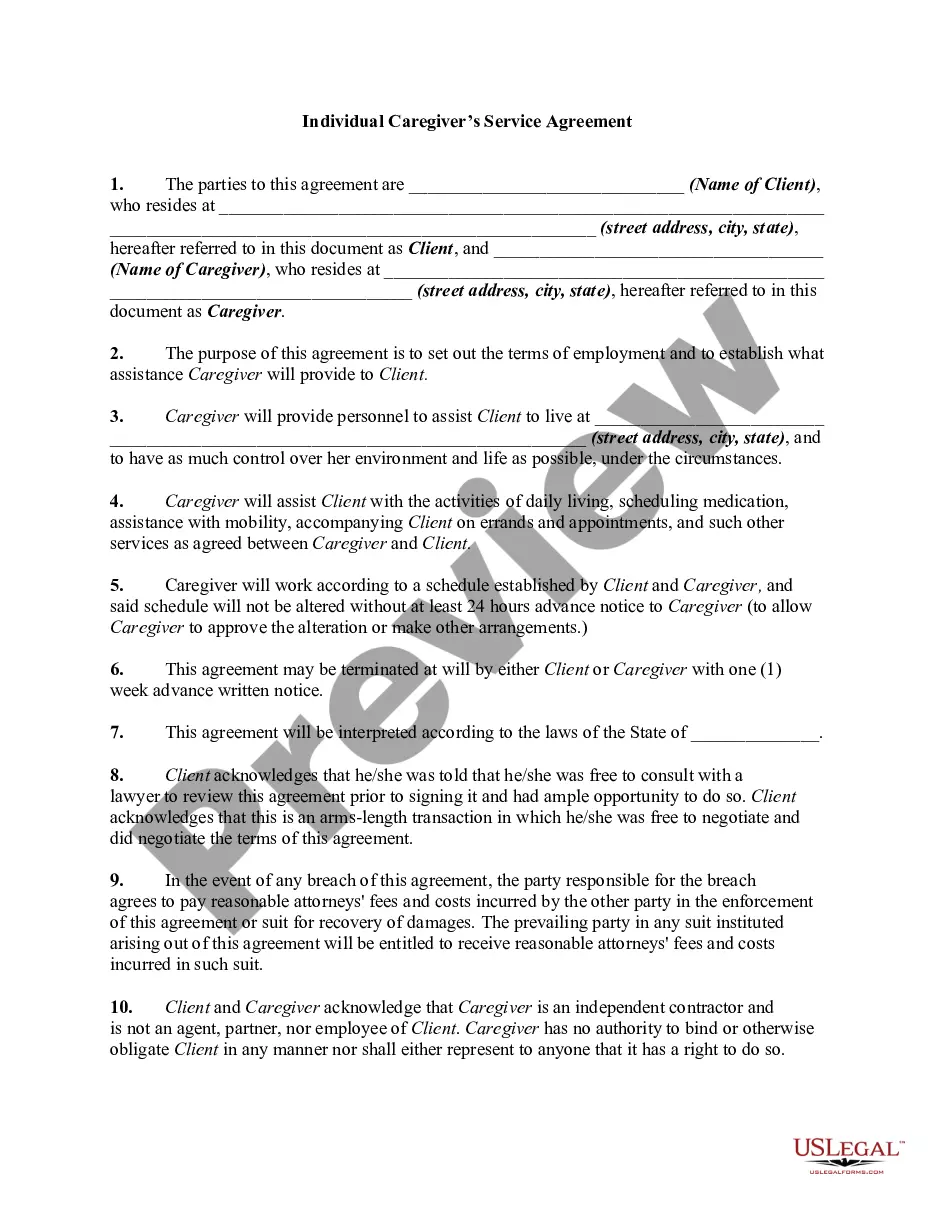


Get your form ready online
Our built-in tools help you complete, sign, share, and store your documents in one place.
Make edits, fill in missing information, and update formatting in US Legal Forms—just like you would in MS Word.
Download a copy, print it, send it by email, or mail it via USPS—whatever works best for your next step.
Sign and collect signatures with our SignNow integration. Send to multiple recipients, set reminders, and more. Go Premium to unlock E-Sign.
If this form requires notarization, complete it online through a secure video call—no need to meet a notary in person or wait for an appointment.
We protect your documents and personal data by following strict security and privacy standards.

Make edits, fill in missing information, and update formatting in US Legal Forms—just like you would in MS Word.

Download a copy, print it, send it by email, or mail it via USPS—whatever works best for your next step.

Sign and collect signatures with our SignNow integration. Send to multiple recipients, set reminders, and more. Go Premium to unlock E-Sign.

If this form requires notarization, complete it online through a secure video call—no need to meet a notary in person or wait for an appointment.

We protect your documents and personal data by following strict security and privacy standards.
Looking for another form?









Form popularity
FAQ
To apply for the Medicaid Home Help Program, persons must be eligible for MI Medicaid. To apply, one should contact their county Michigan Department of Health & Human Services office. See contact information. As part of the application process for home services, a functional needs assessment will be completed.
MDHHS is offering $3,000 for respite and caregiver relief services to eligible Home Help clients and their live-in caregiver who need assistance with activities of daily living (ADLs) and require continual supervision to live in their own home.
Application Process: Once you pass the exam, submit your application to the Michigan Department of Health and Human Services (MDHHS), include the required documents and fees, and wait for approval. If everything checks out, you'll receive your caregiver certification.
Isolation – Caregivers can often feel cut off from the outside world. So much time and energy is spent caring for someone else, caregivers often don't have time to take care of themselves. If you start to feel isolated, reach out to close friends and family to see if they are able to help.
The best way to be a caregiver is to approach the role with compassion, empathy, and patience. Listen actively to the needs and concerns of the person you are caring for, and be responsive to their emotions. Educate yourself about their specific condition or situation to provide the best possible care.
How to become a care worker Consider if the career is right for you. Becoming a care worker is a challenging role that provides carers with a rigorous yet rewarding workday. Assess your skills. Find your niche. Enrol in a course. Acquire work experience. Network and acquire connections. Seek job vacancies.
In conclusion, there are 4 types of caregivers: family caregivers, professional caregivers, volunteer caregivers, and informal caregivers. Each caregiver faces unique challenges, including physical and emotional exhaustion, financial strain, and balancing personal and caregiving responsibilities.
How to become a caregiver Evaluate whether being a caregiver suits you. Determine whether offering care to vulnerable people is right for you. Obtain education and training. Seek a part-time role or apprenticeship. Gain experience. Develop care skills. Find a caregiver role.
