Caregiver Form Template For Elderly In Tarrant
Description


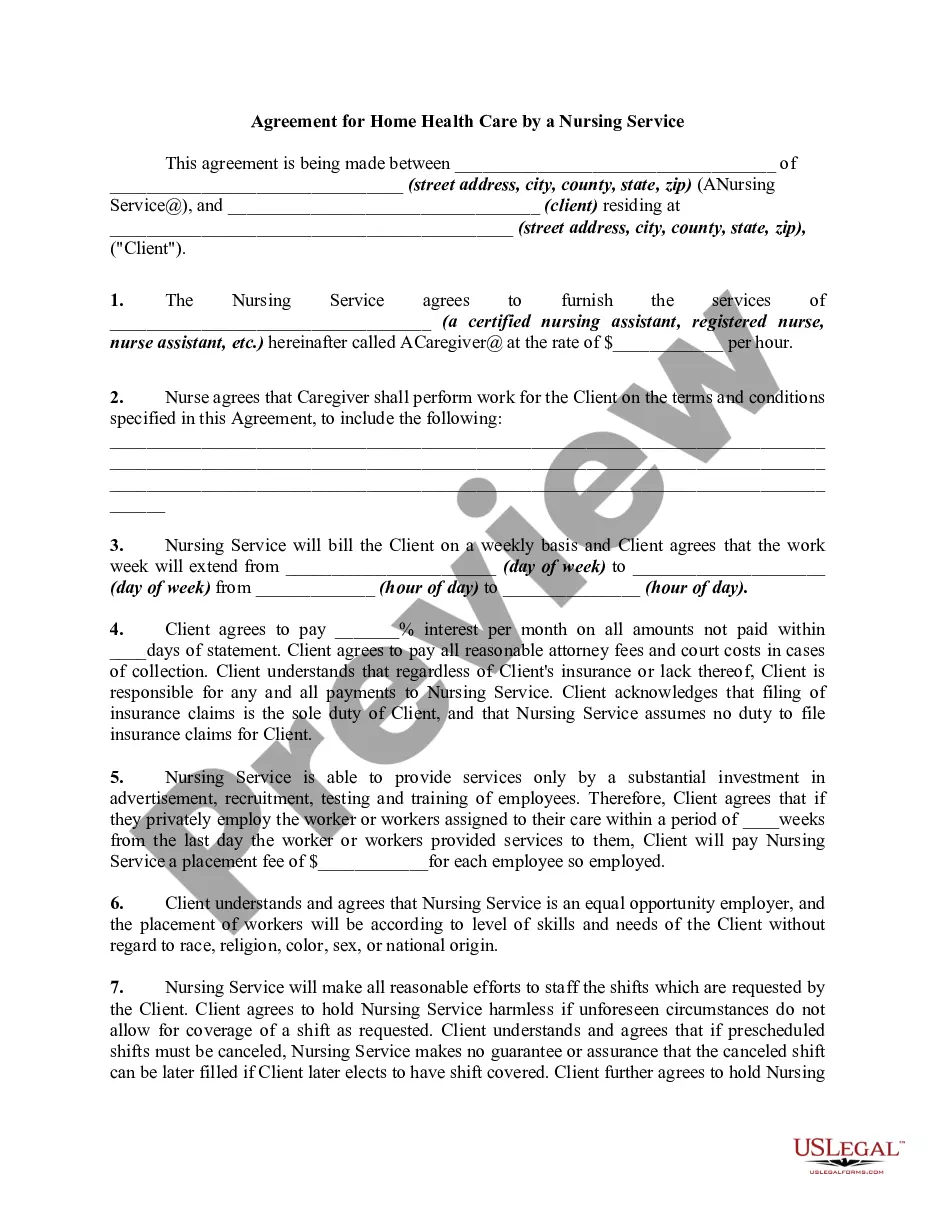
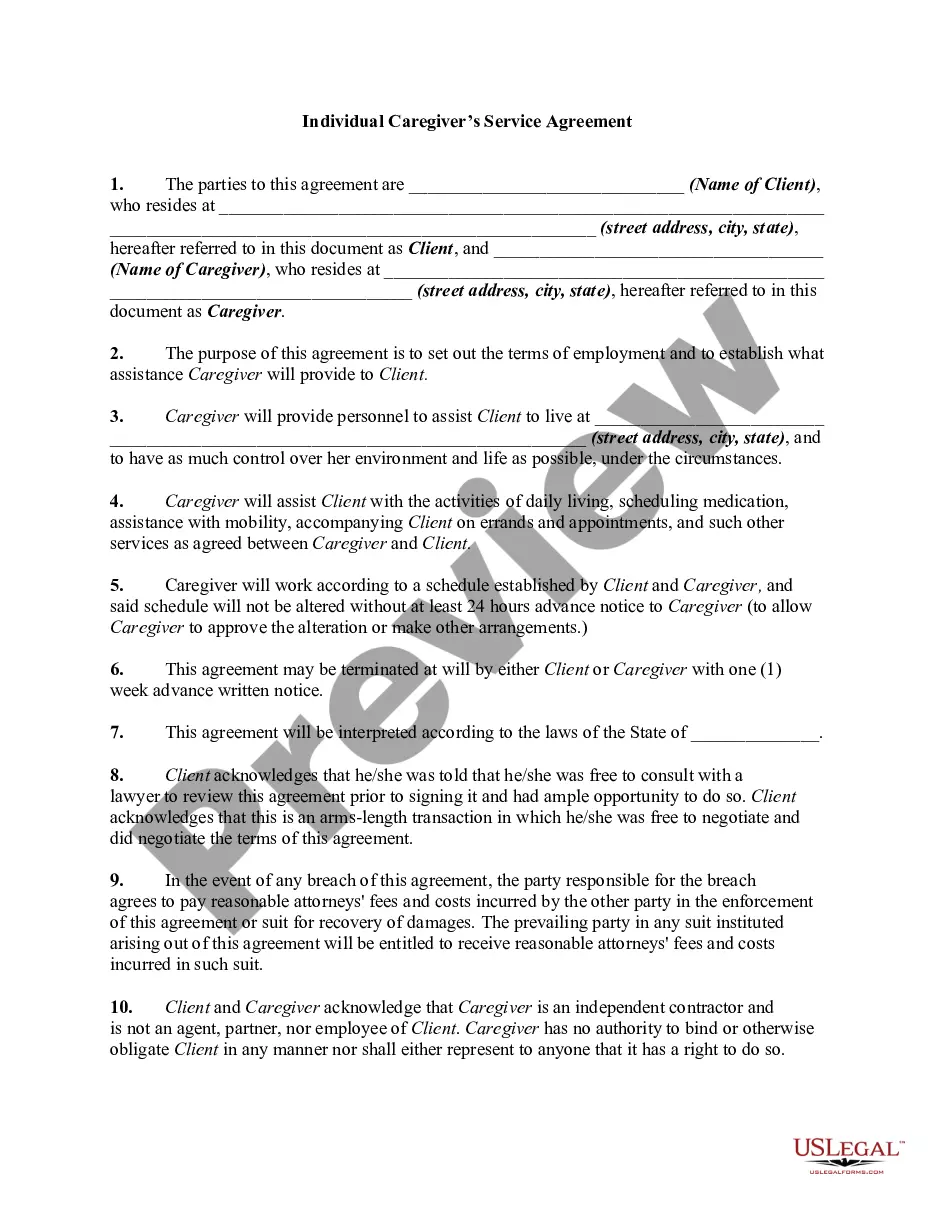
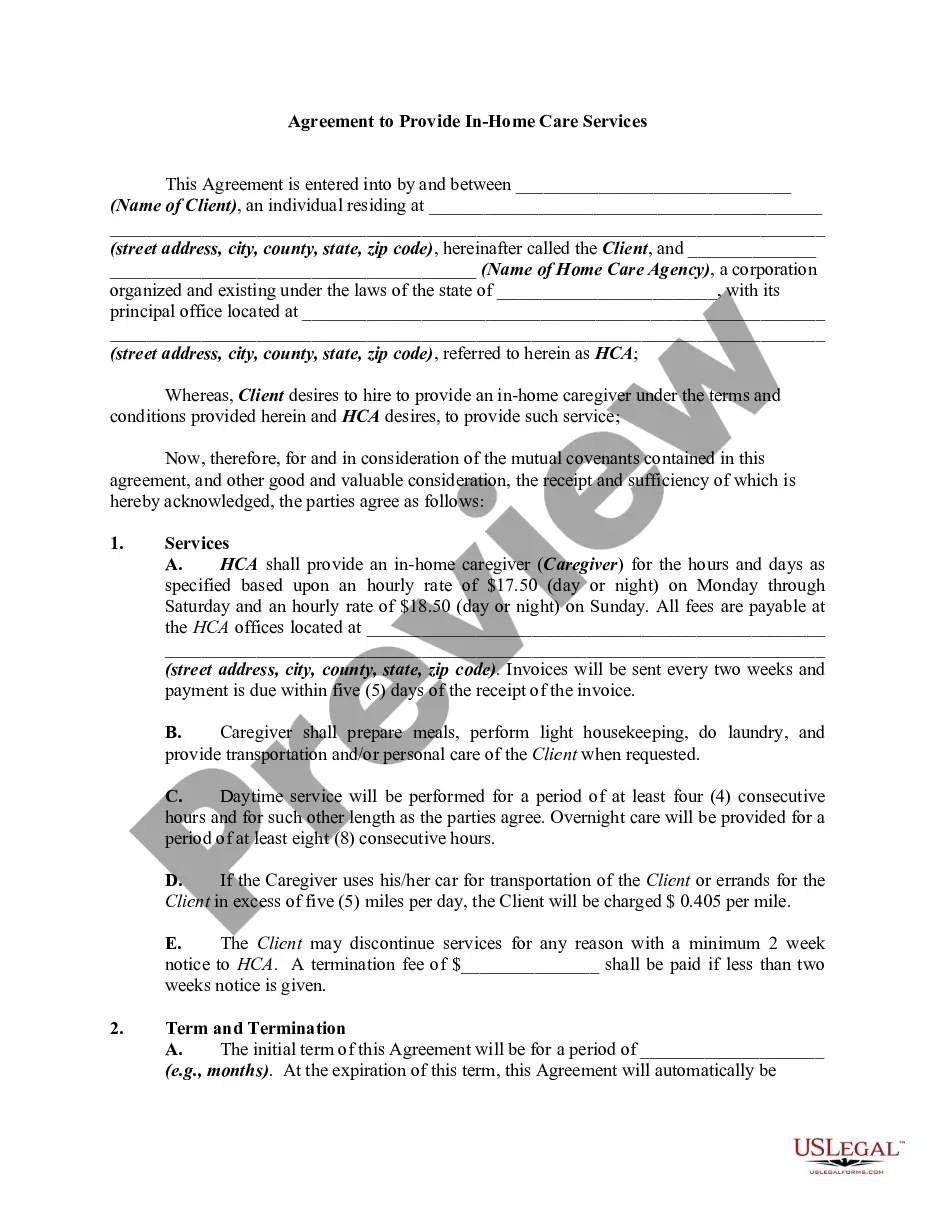
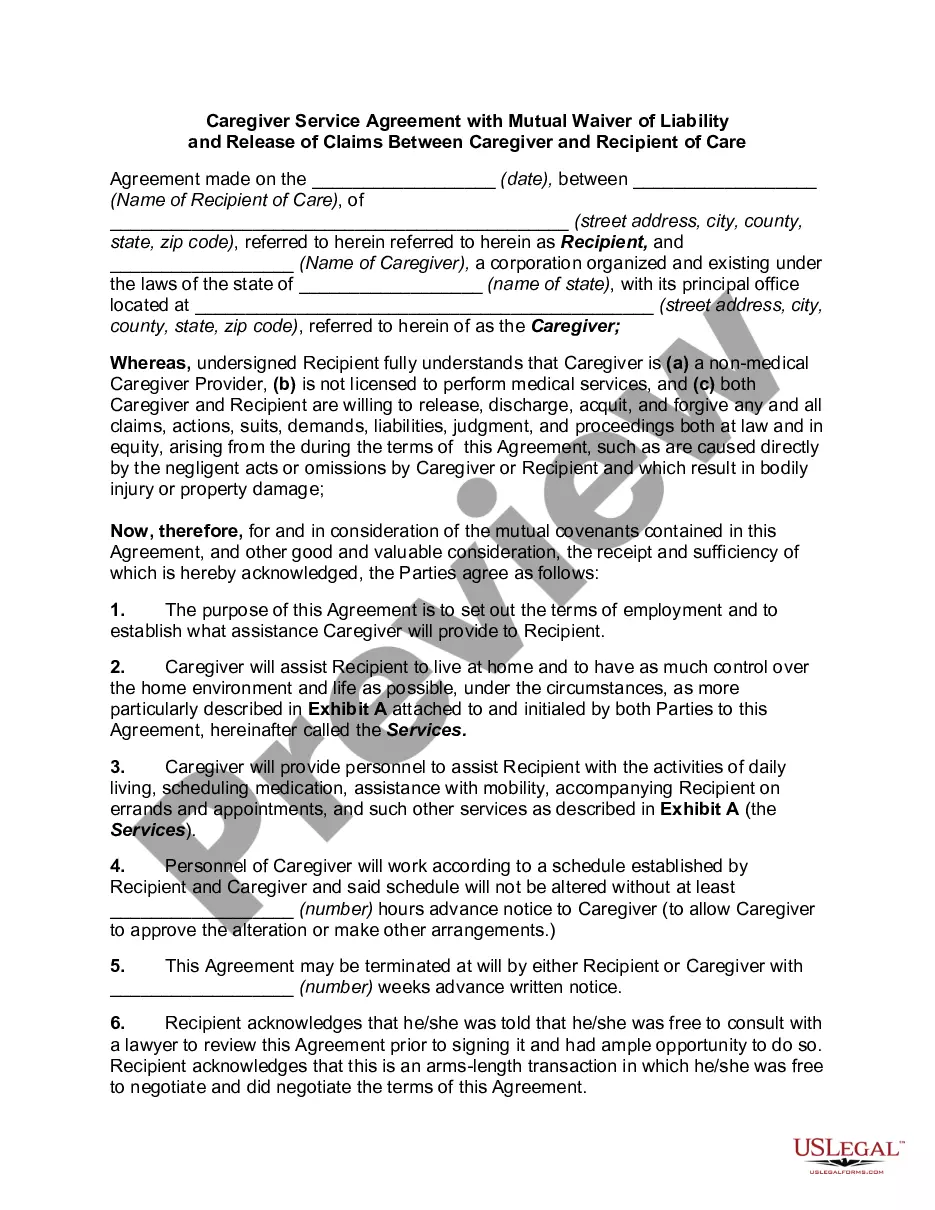
Get your form ready online
Our built-in tools help you complete, sign, share, and store your documents in one place.
Make edits, fill in missing information, and update formatting in US Legal Forms—just like you would in MS Word.
Download a copy, print it, send it by email, or mail it via USPS—whatever works best for your next step.
Sign and collect signatures with our SignNow integration. Send to multiple recipients, set reminders, and more. Go Premium to unlock E-Sign.
If this form requires notarization, complete it online through a secure video call—no need to meet a notary in person or wait for an appointment.
We protect your documents and personal data by following strict security and privacy standards.

Make edits, fill in missing information, and update formatting in US Legal Forms—just like you would in MS Word.

Download a copy, print it, send it by email, or mail it via USPS—whatever works best for your next step.

Sign and collect signatures with our SignNow integration. Send to multiple recipients, set reminders, and more. Go Premium to unlock E-Sign.

If this form requires notarization, complete it online through a secure video call—no need to meet a notary in person or wait for an appointment.

We protect your documents and personal data by following strict security and privacy standards.
Looking for another form?








Form popularity
FAQ
To receive Home Health Services, the client must meet one or more of the following criteria: The client needs the aid of supportive devices, such as crutches, canes, wheelchairs, or walkers. The client has a condition in which leaving the home is medically contraindicated.
Caregiving is rewarding but stressful For most caregivers, caring for a loved one feels good. And it can make your relationship stronger. But the demands of caregiving also cause emotional and physical stress.
Caregiving can also result in feeling a loss of self identity, lower levels of self esteem, depression, con-stant worry, or feelings of uncertainty. The majority of primary caregivers do not report feeling stressed. Although, many do engage in various activities to help them cope (see Table 1).
Some people describe caring as an 'emotional rollercoaster'. Often because of the conditions of those being cared for, each day can be very unpredictable. This can be a huge source of stress and having your own support mechanisms and ways to relax become doubly important for your own health and wellbeing.
Caregiving often results in chronic stress, which comprises caregiver's physical psychological health. Depression is one of the common negative effects of caregiving. Caring for a person with dementia is particularly challenging, causing more severe negative health effects than other types of caregiving.
Caring for others is filled with many mixed and varied emotions such as feelings of love, loss, anger, affection, sadness, frustration, and guilt. It's not uncommon for family caregivers to feel lonely and isolated. It takes a lot of physical, mental, spiritual, and emotional energy to care for a loved one.
