Caregiver Form Printable For Parents In San Antonio
Description

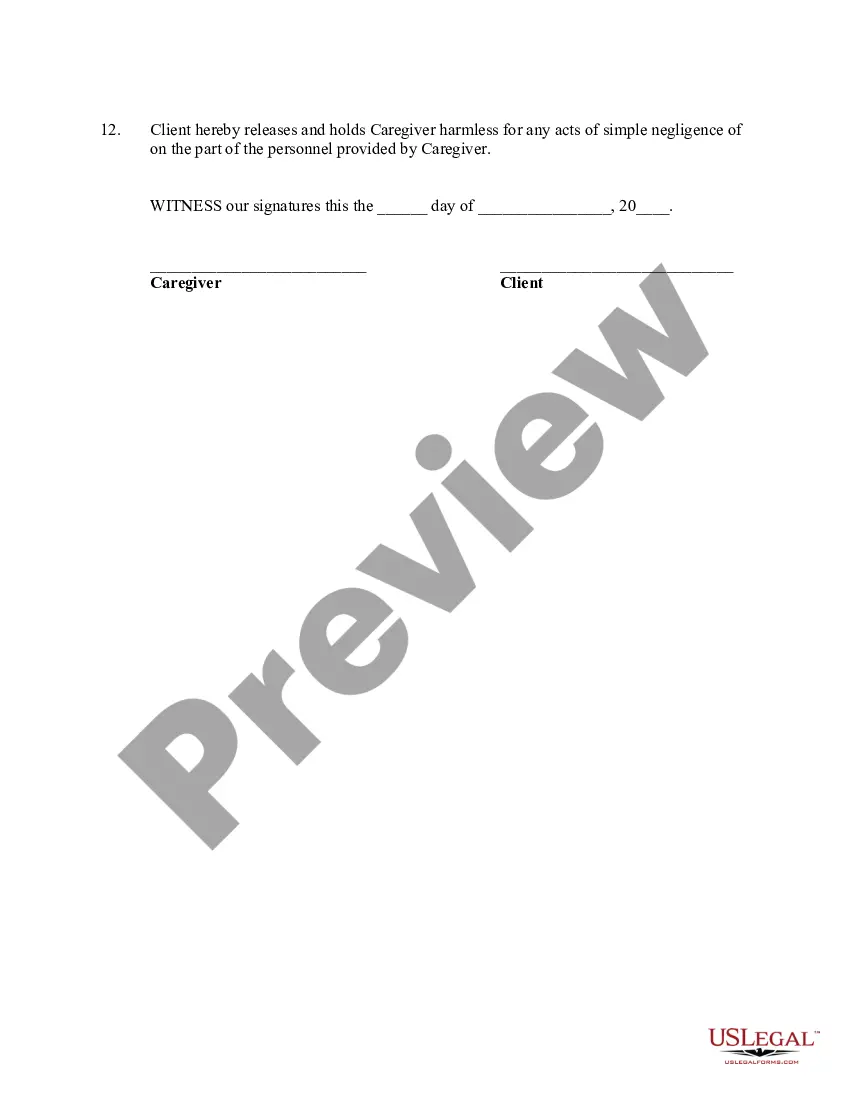

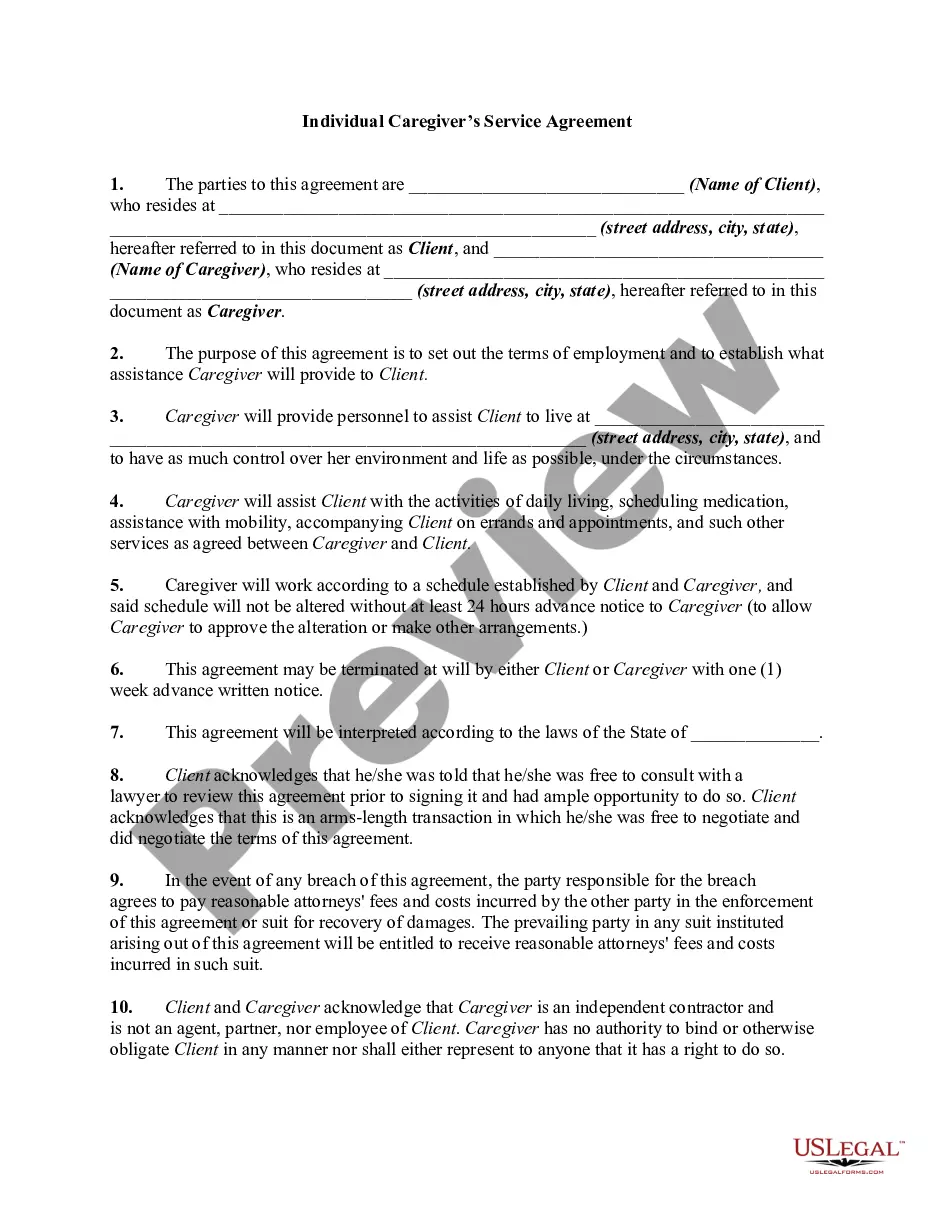
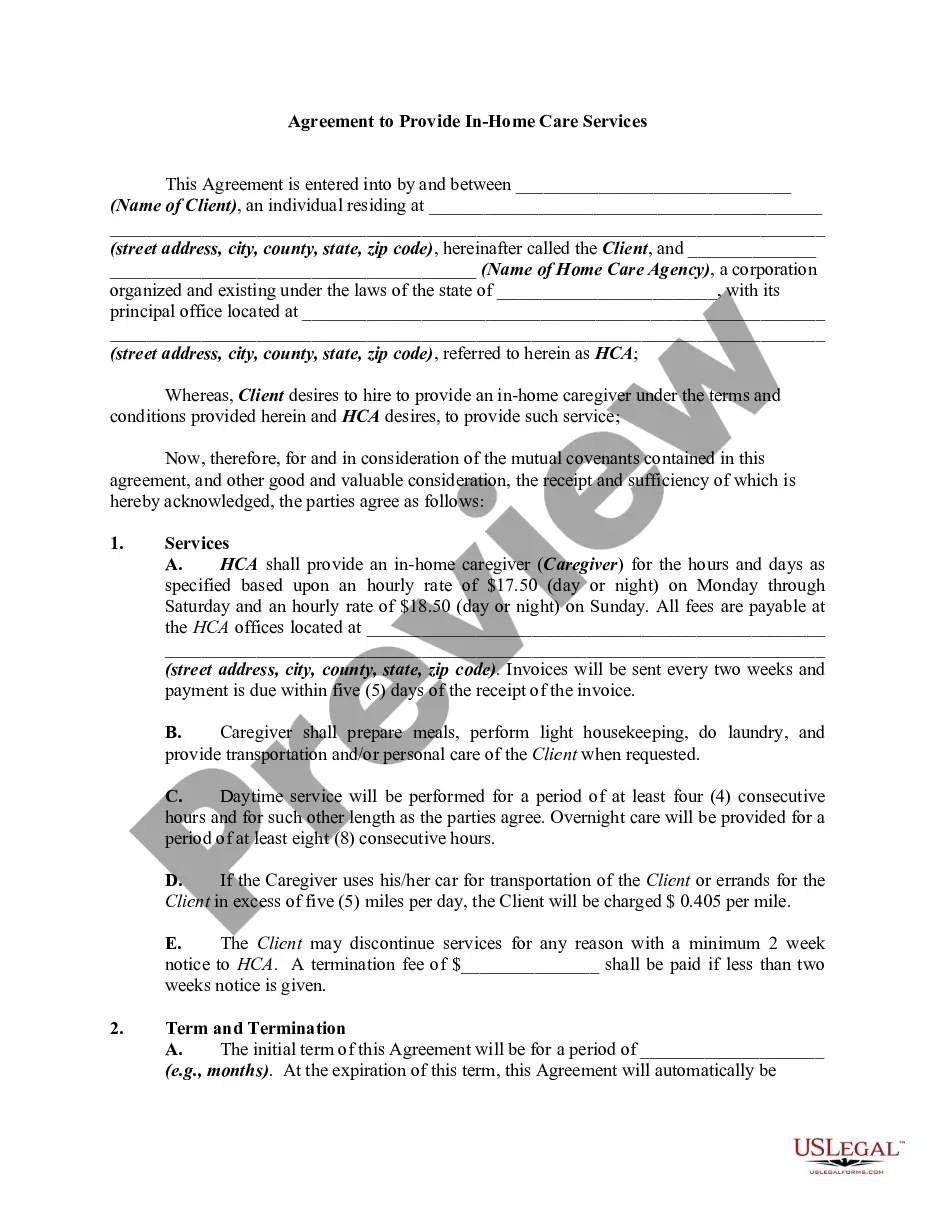
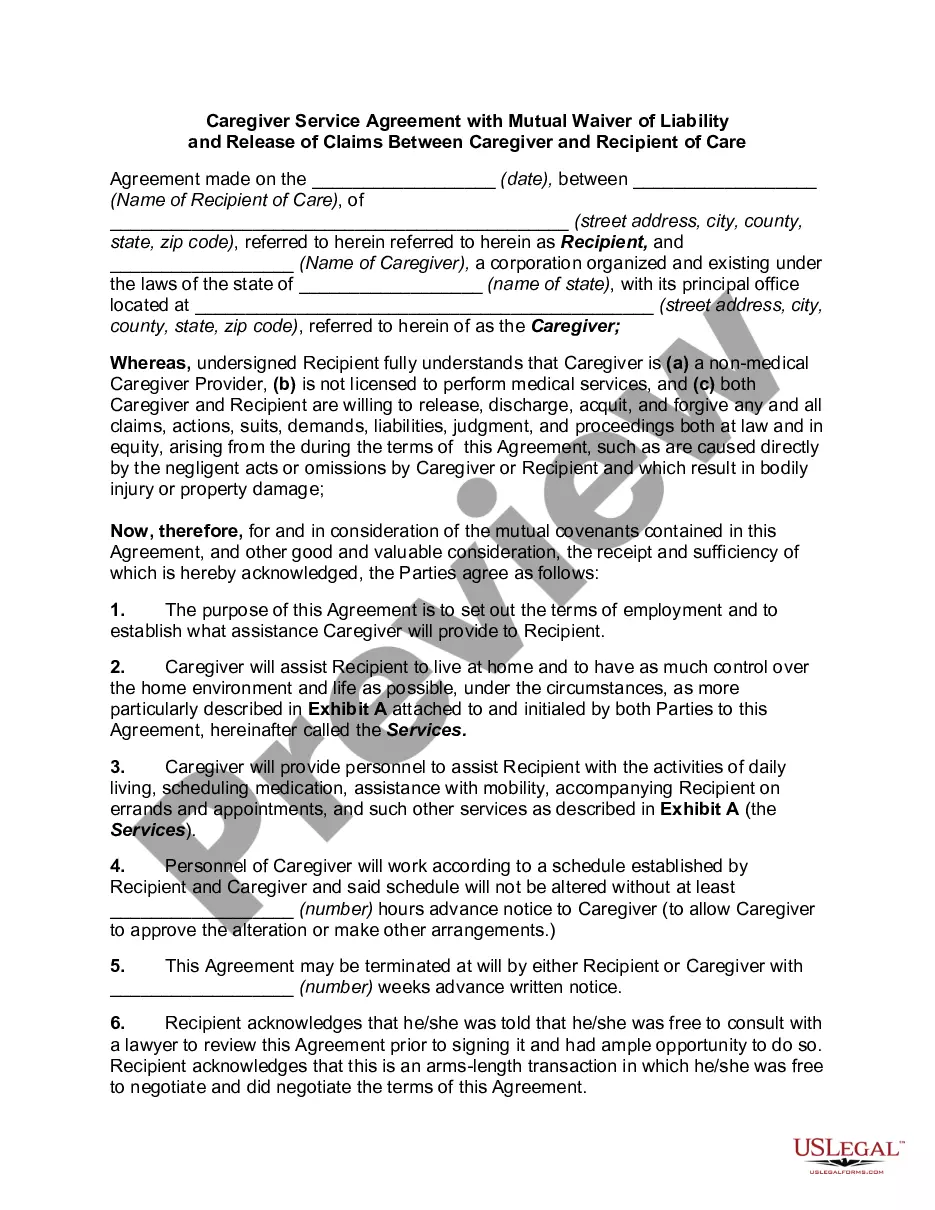
Get your form ready online
Our built-in tools help you complete, sign, share, and store your documents in one place.
Make edits, fill in missing information, and update formatting in US Legal Forms—just like you would in MS Word.
Download a copy, print it, send it by email, or mail it via USPS—whatever works best for your next step.
Sign and collect signatures with our SignNow integration. Send to multiple recipients, set reminders, and more. Go Premium to unlock E-Sign.
If this form requires notarization, complete it online through a secure video call—no need to meet a notary in person or wait for an appointment.
We protect your documents and personal data by following strict security and privacy standards.

Make edits, fill in missing information, and update formatting in US Legal Forms—just like you would in MS Word.

Download a copy, print it, send it by email, or mail it via USPS—whatever works best for your next step.

Sign and collect signatures with our SignNow integration. Send to multiple recipients, set reminders, and more. Go Premium to unlock E-Sign.

If this form requires notarization, complete it online through a secure video call—no need to meet a notary in person or wait for an appointment.

We protect your documents and personal data by following strict security and privacy standards.
Looking for another form?








Form popularity
FAQ
The Pennsylvania Caregiver Support Program helps people who take care of others. It offers resources and support to make caregiving easier and to keep a good relationship with the person being cared for. The program aims to reduce caregiver stress by focusing on the caregiver's well-being.
A caregiver must: (1) Be at least 18 years of age; (2) Have a high school diploma or its equivalent, and upon request verify completion of any high school equivalency program with original documentation to us. (3) Meet the requirements in Subchapter F of Chapter 745 of this title (relating to Background Checks);
Eligibility: The aged, blind, and disabled. Also, parents with dependent children are eligible with household incomes up to 15% of FPL. Children are eligible for Medicaid or CHIP with household incomes up to 201% of FPL, and pregnant women are eligible with household incomes up to 198% of FPL.
Who are parent carers? Parent carers provide support to their children, including grown up children who could not manage without their help. The child/adult can be ill, disabled, or have mental health or substance misuse problems.
(KAYR-gih-ver) A person who gives care to people who need help taking care of themselves. Examples include children, the elderly, or patients who have chronic illnesses or are disabled. Caregivers may be health professionals, family members, friends, social workers, or members of the clergy.
Scope of Care: Caregivers can be anyone who takes on the role of nurturing and supporting a child, while biological parents specifically refer to those who are related by blood. In summary, while biological parents and caregivers can both be involved in a child's life, their definitions and roles differ significantly.
Listen to their concerns without judgment or advice. It's the best way to let them know that you care about how they feel and that you want to help. Show understanding, empathy, and compassion for them as a caregiver and as a person. Be supportive by asking ``how can I help?'' or ``what do you need me to do?''
The domains of the caregiving role include: assistance with household tasks, self-care tasks, and mobility; provision of emotional and social support; health and medical care; advocacy and care coordination; and surrogacy. Each domain has multiple tasks and activities (see Table 3-1).
