Caregiver Form Template For Counseling In Queens
Description



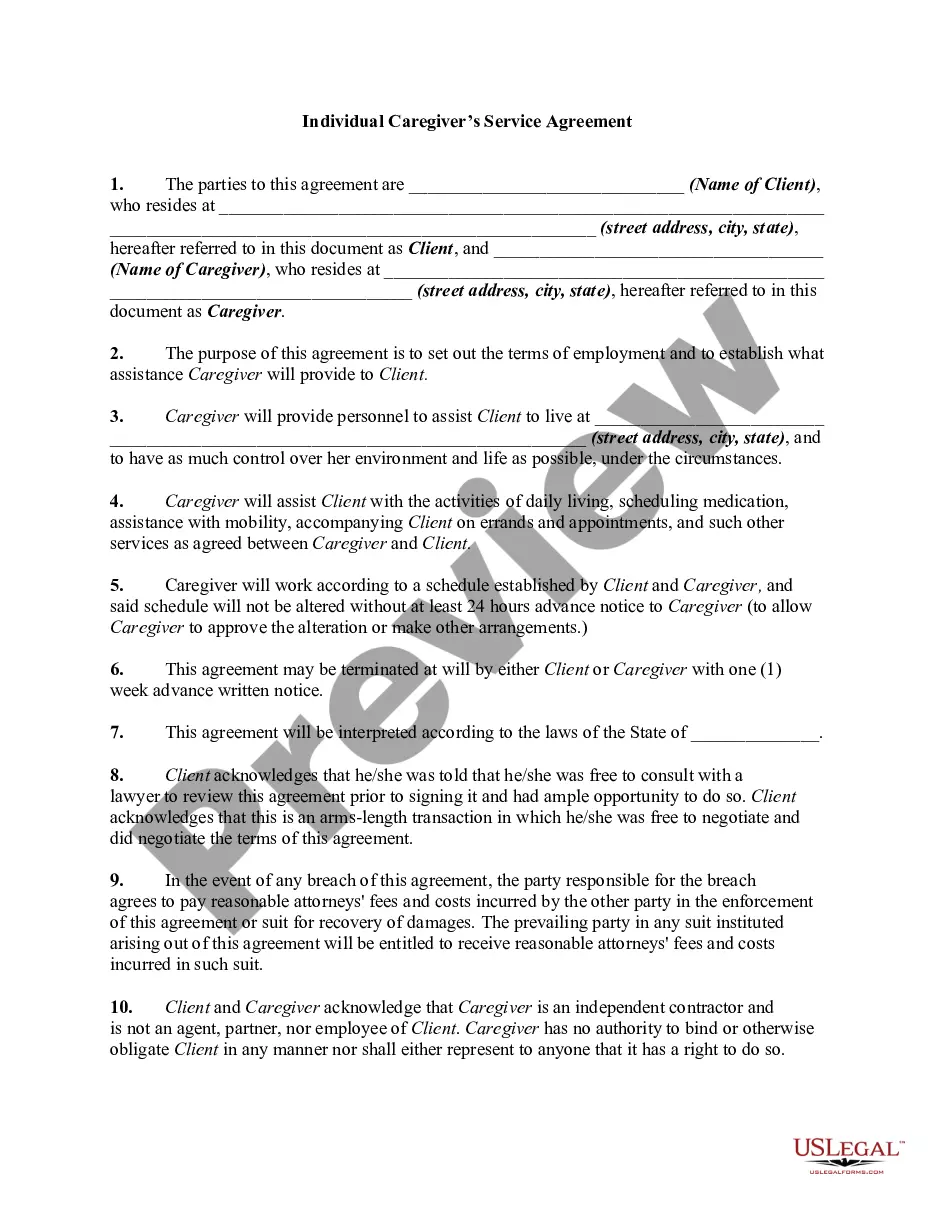


Get your form ready online
Our built-in tools help you complete, sign, share, and store your documents in one place.
Make edits, fill in missing information, and update formatting in US Legal Forms—just like you would in MS Word.
Download a copy, print it, send it by email, or mail it via USPS—whatever works best for your next step.
Sign and collect signatures with our SignNow integration. Send to multiple recipients, set reminders, and more. Go Premium to unlock E-Sign.
If this form requires notarization, complete it online through a secure video call—no need to meet a notary in person or wait for an appointment.
We protect your documents and personal data by following strict security and privacy standards.

Make edits, fill in missing information, and update formatting in US Legal Forms—just like you would in MS Word.

Download a copy, print it, send it by email, or mail it via USPS—whatever works best for your next step.

Sign and collect signatures with our SignNow integration. Send to multiple recipients, set reminders, and more. Go Premium to unlock E-Sign.

If this form requires notarization, complete it online through a secure video call—no need to meet a notary in person or wait for an appointment.

We protect your documents and personal data by following strict security and privacy standards.
Looking for another form?




Form popularity
FAQ
By providing emotional support, offering specific help with daily tasks, giving them time to rest, and helping them prioritize their own health, you can make a big difference in a caregiver's life.
Typical duties of a caregiver might include taking care of someone who has a chronic illness or disease; managing medications or talking to doctors and nurses on someone's behalf; helping to bathe or dress someone who is frail or disabled; or taking care of household chores, meals, or processes both formal and informal ...
In order to provide home health aide services in New York State, a person must successfully complete a HHATP or competency evaluation program conducted only by a NYSED or NYSDOH-approved HHATP.
4 legal documents every family caregiver needs A Will. A will is one of the most important legal documents that family caregivers should have. Advance Health Care Plan. Durable Power of Attorney for Health Care. Durable Power of Attorney for Finances.
50 Items To Include In Your Caregiver Duty Checklist Check vital signs. Schedule regular physical exams and other medical appointments. Remind the patient to take medications. Pick up prescriptions. Check blood sugar and blood pressure. Monitor for fatigue, mood changes and heat sensitivity symptoms.
A Caregiver Consent Form, prepared in advance, assures that the caregiver will be able to make medical decisions guided by health care professionals in your absence. You can create these forms without the need for a lawyer. Place prepared consent form copies next to emergency phone numbers.
In-home caregiver as a household employee Provide a completed Form I-9 to your household employer to ensure you're qualified to work in the U.S. Provide a completed W-4 form and state income tax withholding forms. Complete your federal income tax return using Form W-2, which will be provided by your employer.
Some Golden Rules of Caregiving Identify yourself as a caregiver. A caregiver is anyone who provides unpaid care for someone who is ill, frail or disabled. Know your right to benefits. If you feel you need help, ask. Tell your doctor. Take breaks. Eat well. Get adequate sleep. Get a hobby.
