Caregiver Form Template For Counseling In Oakland
Description






Get your form ready online
Our built-in tools help you complete, sign, share, and store your documents in one place.
Make edits, fill in missing information, and update formatting in US Legal Forms—just like you would in MS Word.
Download a copy, print it, send it by email, or mail it via USPS—whatever works best for your next step.
Sign and collect signatures with our SignNow integration. Send to multiple recipients, set reminders, and more. Go Premium to unlock E-Sign.
If this form requires notarization, complete it online through a secure video call—no need to meet a notary in person or wait for an appointment.
We protect your documents and personal data by following strict security and privacy standards.

Make edits, fill in missing information, and update formatting in US Legal Forms—just like you would in MS Word.

Download a copy, print it, send it by email, or mail it via USPS—whatever works best for your next step.

Sign and collect signatures with our SignNow integration. Send to multiple recipients, set reminders, and more. Go Premium to unlock E-Sign.

If this form requires notarization, complete it online through a secure video call—no need to meet a notary in person or wait for an appointment.

We protect your documents and personal data by following strict security and privacy standards.
Looking for another form?



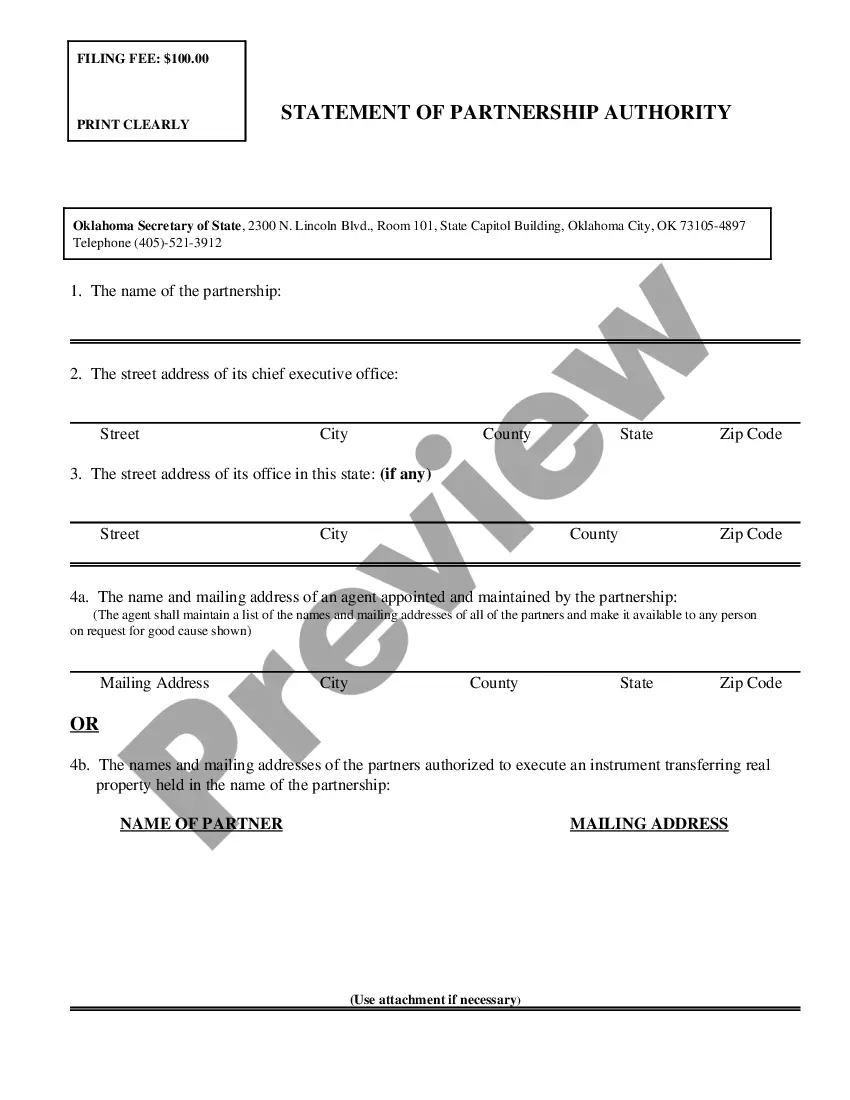
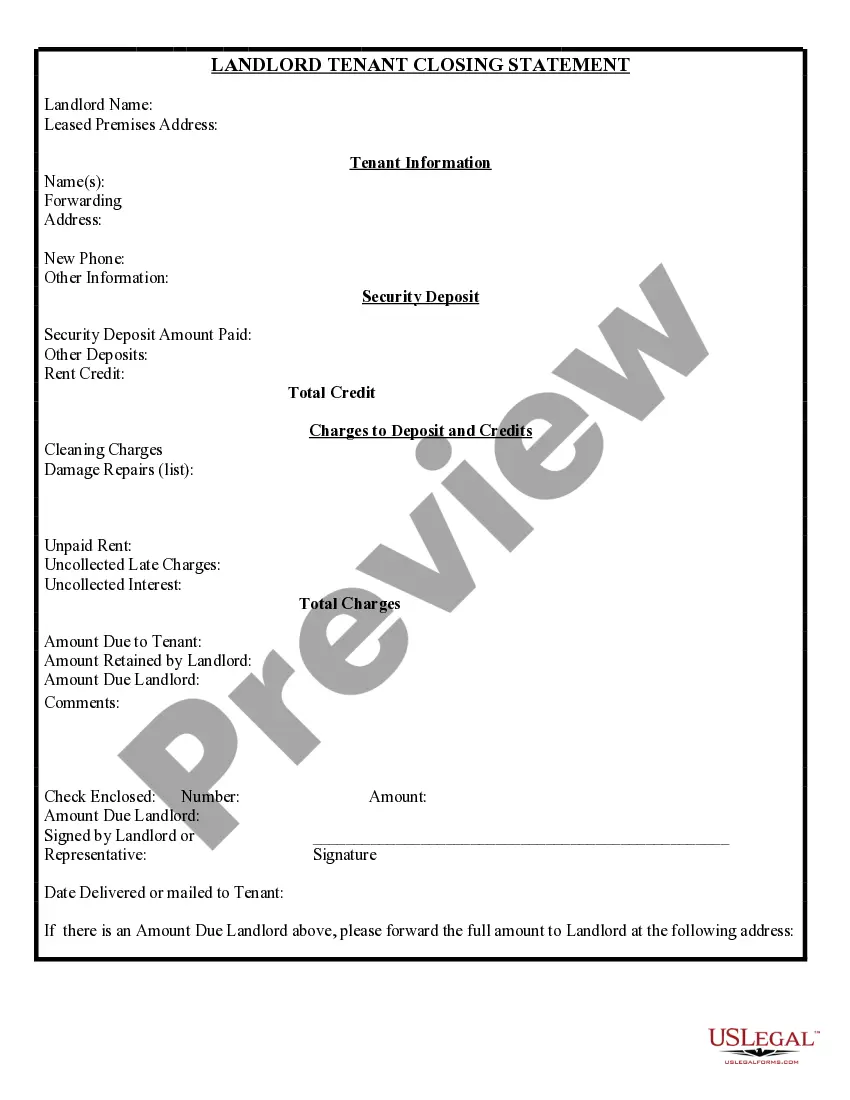
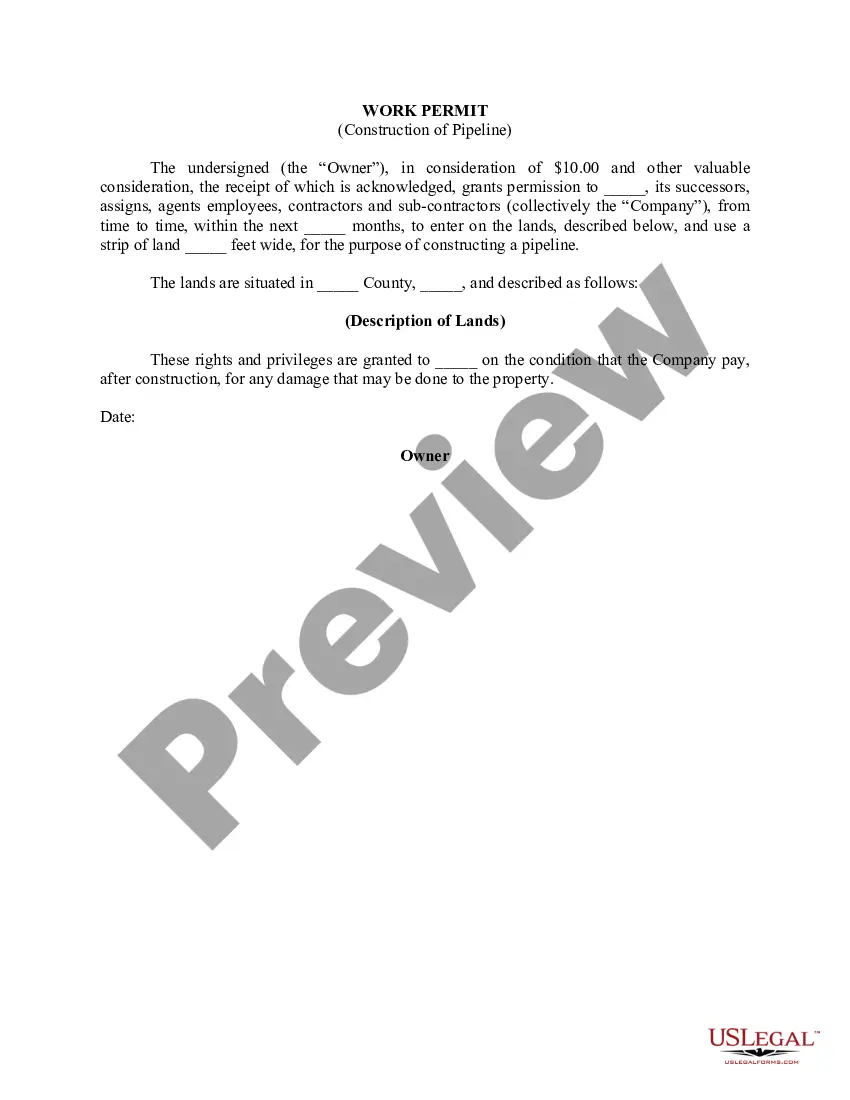
Form popularity
FAQ
Documentation communicates the what, why, and how of clinical care delivered to patients. These records allow other clinicians to understand the patient's history so they can continue to provide the best possible treatment for each individual.
Documentation of every patient encounter is essential. Failure to be thorough, timely, and accurate may be indicative that care was rushed, careless, or incomplete. Also, it is important to understand and follow professional association documentation guidelines along with state and federal regulations.
Thorough, accurate, and timely documentation serves as a communication tool to coordinate patient care, justify reimbursement for services, and is often used for defense in legal or regulatory matters. Documentation of every patient encounter is essential.
What You Should Document Thorough patient history. Diagnosis and treatment details. Consultations regarding prescribed medications. Informed consent. Treatment compliance/non-compliance. Clinician signature and date on each entry. Legible writing in permanent ink. Patient ID or health record number on each page.
Proper and correct documentation makes your research more reliable; it increases transparency and avoids plagiarism. It Provides proper credit to the original author or writer. It makes your research more authentic and accurate. Allows someone to find the documents you cited on their own. It enables t
In a nutshell, clinical documentation is a document where important information regarding the patient's case, such as symptoms, diagnosis, medication, and even treatment courses, is recorded. As it's such an important document, it must be as accurate as possible.
Nursing documentation is essential for clinical communication. Documentation provides an accurate reflection of nursing assessments, changes in clinical state, care provided and pertinent patient information to support the multidisciplinary team to deliver individualised care.
Progress notes record the date, location, duration, and services provided, and include a brief narrative. Documentation should substantiate the duration and frequency of service delivery. The narrative should describe the following elements: Client's symptoms/behaviors.
