Caregiver Form Template With Time Slots In Michigan
Description

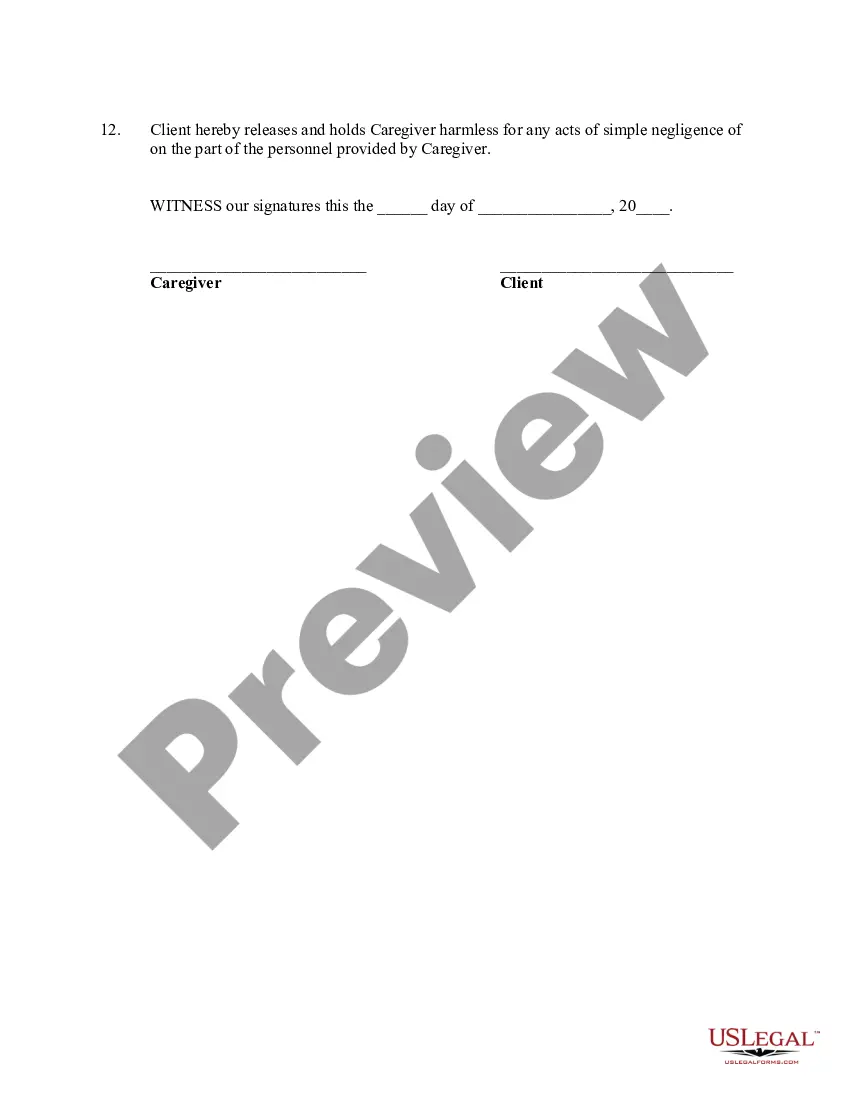
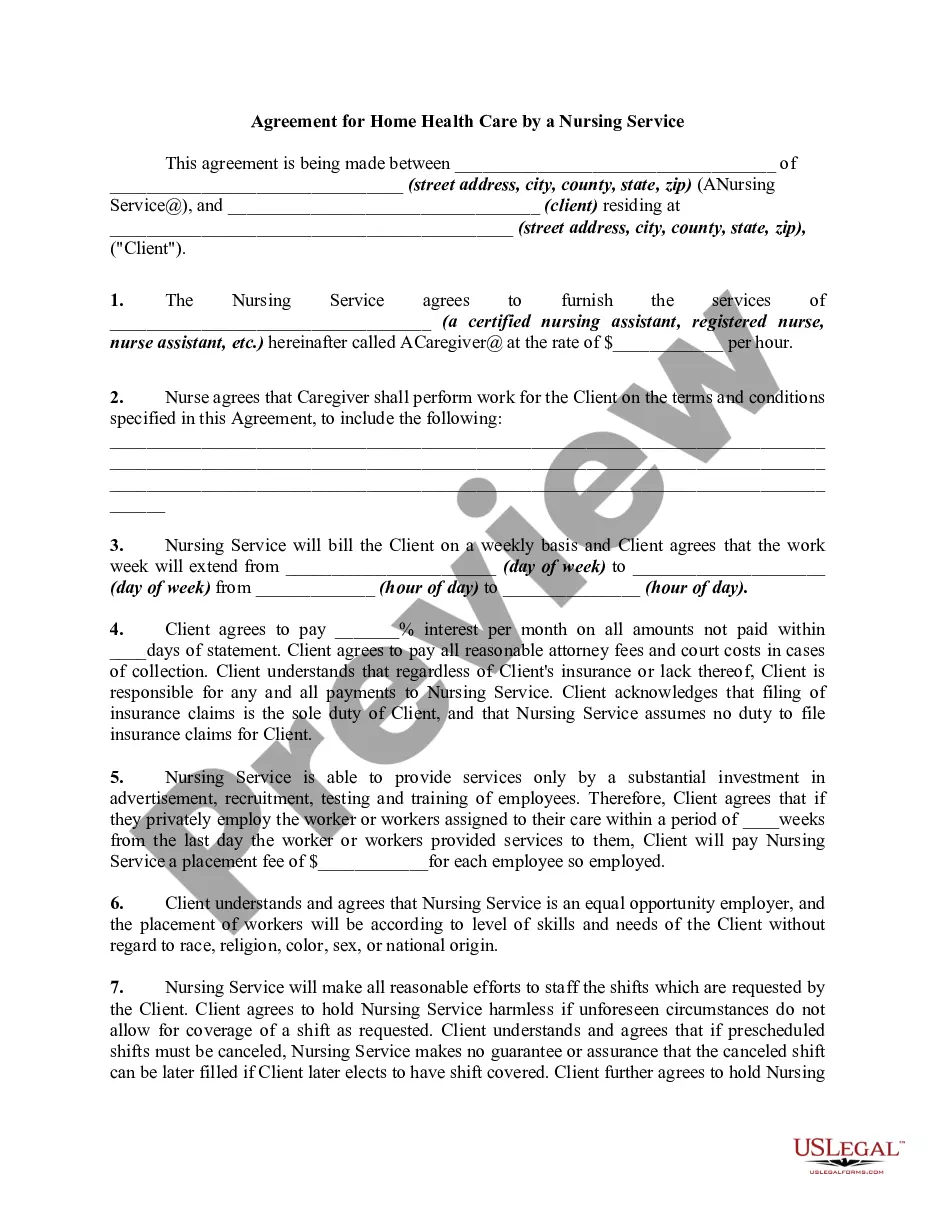
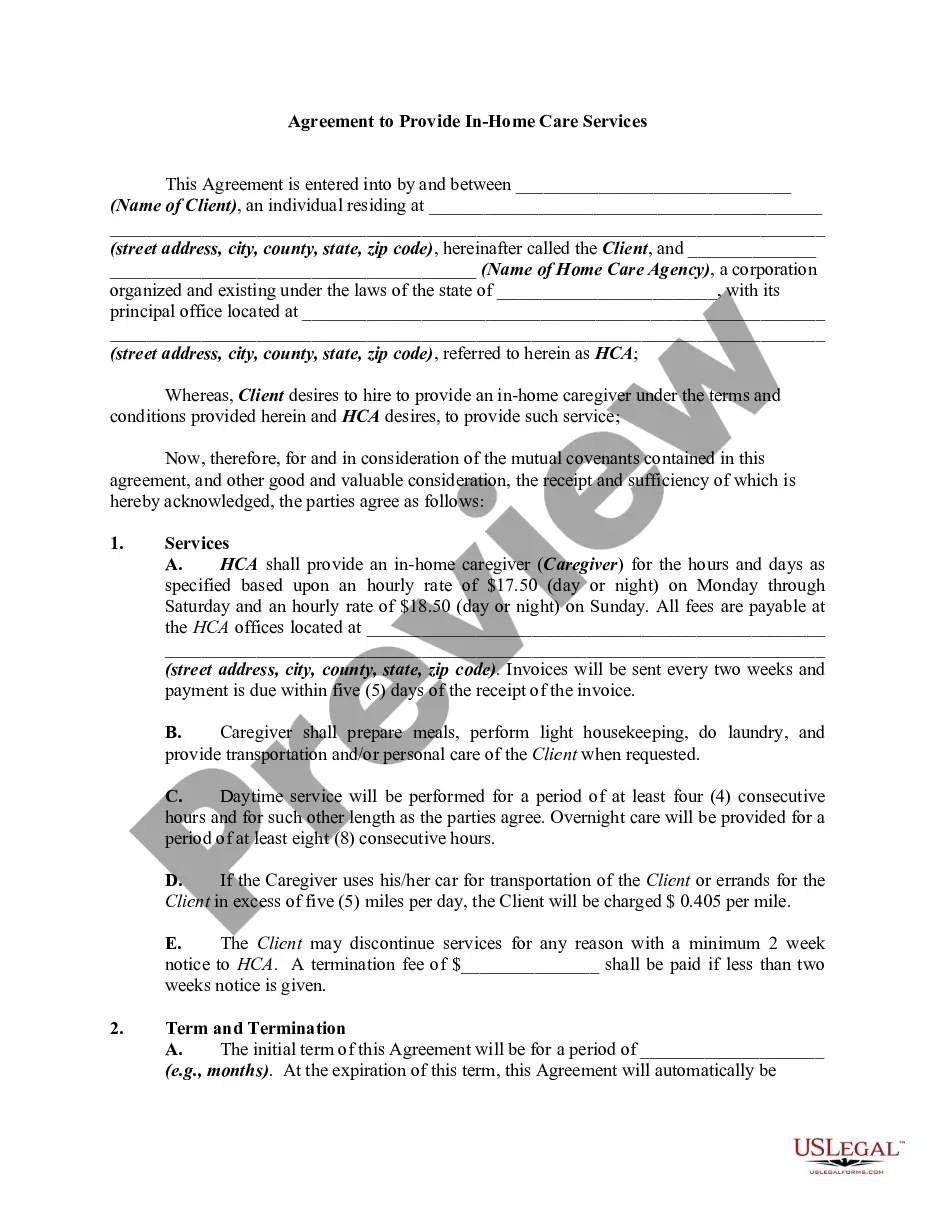
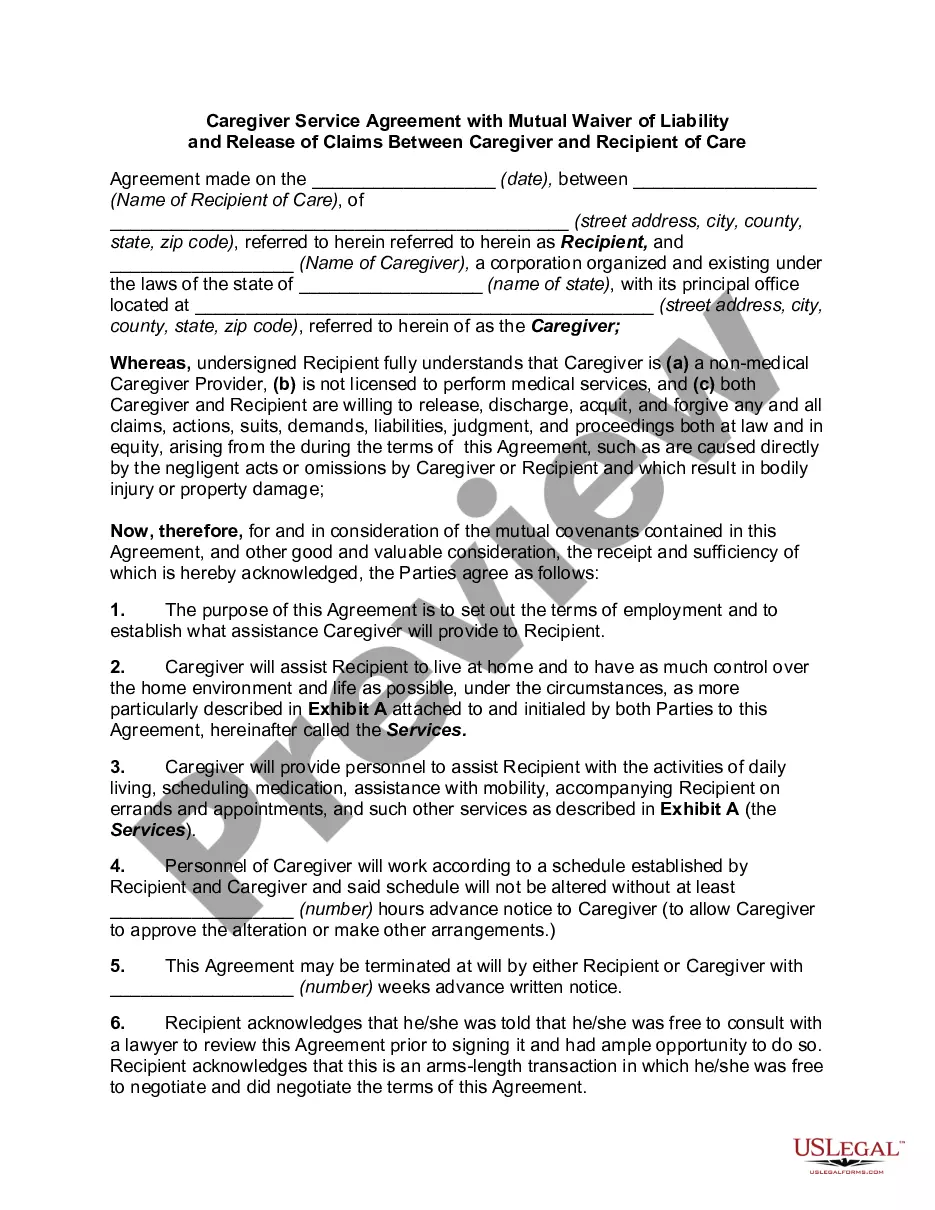
Get your form ready online
Our built-in tools help you complete, sign, share, and store your documents in one place.
Make edits, fill in missing information, and update formatting in US Legal Forms—just like you would in MS Word.
Download a copy, print it, send it by email, or mail it via USPS—whatever works best for your next step.
Sign and collect signatures with our SignNow integration. Send to multiple recipients, set reminders, and more. Go Premium to unlock E-Sign.
If this form requires notarization, complete it online through a secure video call—no need to meet a notary in person or wait for an appointment.
We protect your documents and personal data by following strict security and privacy standards.

Make edits, fill in missing information, and update formatting in US Legal Forms—just like you would in MS Word.

Download a copy, print it, send it by email, or mail it via USPS—whatever works best for your next step.

Sign and collect signatures with our SignNow integration. Send to multiple recipients, set reminders, and more. Go Premium to unlock E-Sign.

If this form requires notarization, complete it online through a secure video call—no need to meet a notary in person or wait for an appointment.

We protect your documents and personal data by following strict security and privacy standards.
Looking for another form?
Form popularity
FAQ
In Michigan, you don't need certification for non-medical caregiver roles. However, proper training and certification can boost your credibility and job prospects. Caregiver training in Michigan includes at least 75 hours of instruction, covering key skills like personal care, infection control, and basic first aid.
Caregiving can deeply affect a marriage. It can bring you closer as a team, but it often adds stress, exhaustion, and even resentment as the caregiver role takes over the partnership. Open communication, setting boundaries, and asking for help can ease the strain.
MDHHS is offering $3,000 for respite and caregiver relief services to eligible Home Help clients and their live-in caregiver who need assistance with activities of daily living (ADLs) and require continual supervision to live in their own home.
In Michigan, you don't need certification for non-medical caregiver roles. However, proper training and certification can boost your credibility and job prospects. Caregiver training in Michigan includes at least 75 hours of instruction, covering key skills like personal care, infection control, and basic first aid.
Self-Care for Caregivers Take time for yourself and your own needs. Eat a well-balanced diet. Exercise by taking short walks daily or at least three times a week. Listen to guided relaxation recordings or relaxing music. Schedule short rest periods between activities. Set limits for what you can do.
Effective November 1, 2024, the Home Help individual caregiver rate will be adjusted to $15.88 per hour. This rate adjustment is based on the verified increase in the state minimum wage that will go into effect on February 21, 2025. The Home Help agency provider rate will be adjusted to $27.00 per hour.
PLAN AHEAD: The first step in mastering caregiver scheduling is to create a master schedule. This plan should contain all necessary caring duties and the times they must be accomplished. If the person you care for needs medicine at 8 a.m., 12 p.m., and 8 p.m., those times should be mentioned in the master schedule.
50 Items To Include In Your Caregiver Duty Checklist Check vital signs. Schedule regular physical exams and other medical appointments. Remind the patient to take medications. Pick up prescriptions. Check blood sugar and blood pressure. Monitor for fatigue, mood changes and heat sensitivity symptoms.
By providing emotional support, offering specific help with daily tasks, giving them time to rest, and helping them prioritize their own health, you can make a big difference in a caregiver's life.
Typical duties of a caregiver might include taking care of someone who has a chronic illness or disease; managing medications or talking to doctors and nurses on someone's behalf; helping to bathe or dress someone who is frail or disabled; or taking care of household chores, meals, or processes both formal and informal ...