Caregiver Form Template For Employees In Harris
Description



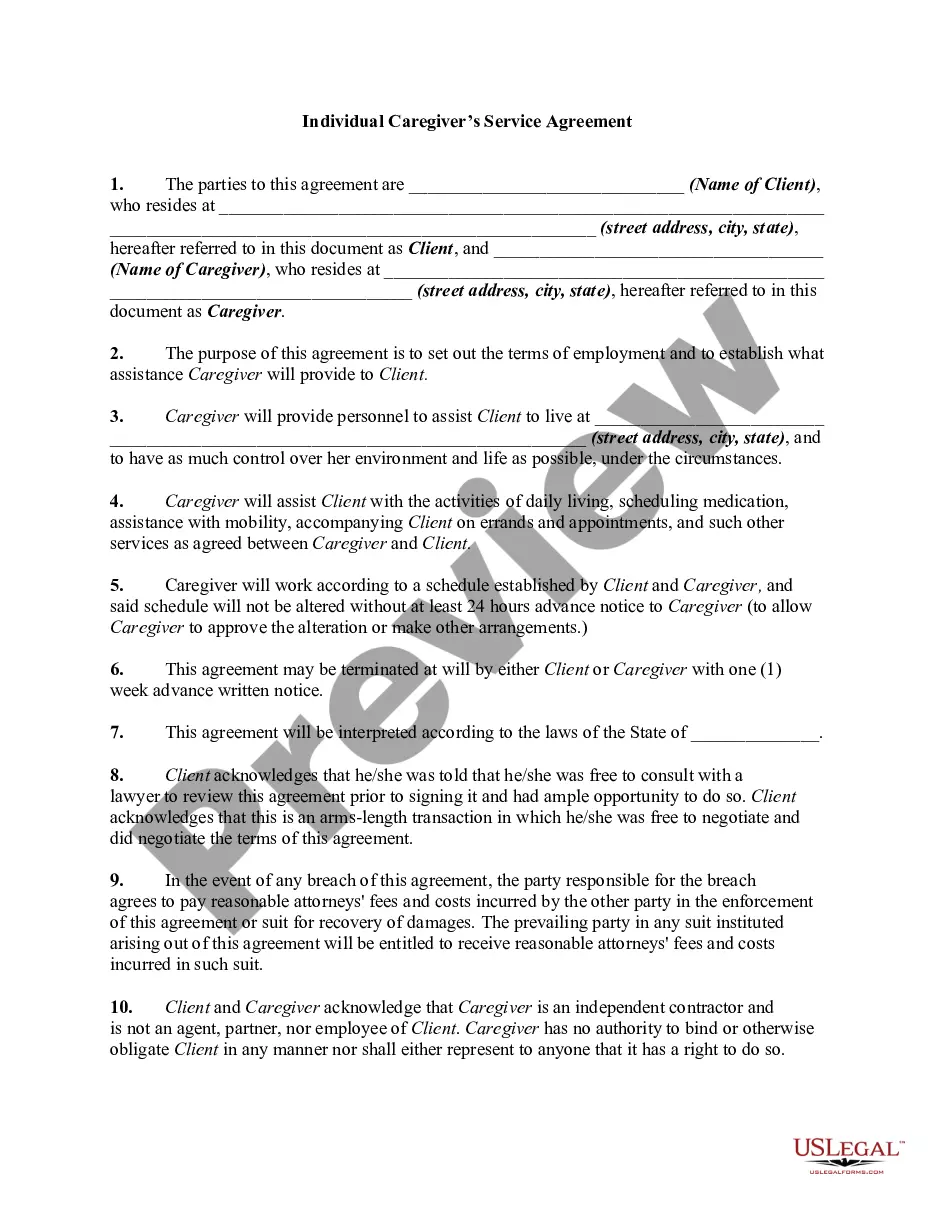


Get your form ready online
Our built-in tools help you complete, sign, share, and store your documents in one place.
Make edits, fill in missing information, and update formatting in US Legal Forms—just like you would in MS Word.
Download a copy, print it, send it by email, or mail it via USPS—whatever works best for your next step.
Sign and collect signatures with our SignNow integration. Send to multiple recipients, set reminders, and more. Go Premium to unlock E-Sign.
If this form requires notarization, complete it online through a secure video call—no need to meet a notary in person or wait for an appointment.
We protect your documents and personal data by following strict security and privacy standards.

Make edits, fill in missing information, and update formatting in US Legal Forms—just like you would in MS Word.

Download a copy, print it, send it by email, or mail it via USPS—whatever works best for your next step.

Sign and collect signatures with our SignNow integration. Send to multiple recipients, set reminders, and more. Go Premium to unlock E-Sign.

If this form requires notarization, complete it online through a secure video call—no need to meet a notary in person or wait for an appointment.

We protect your documents and personal data by following strict security and privacy standards.
Looking for another form?



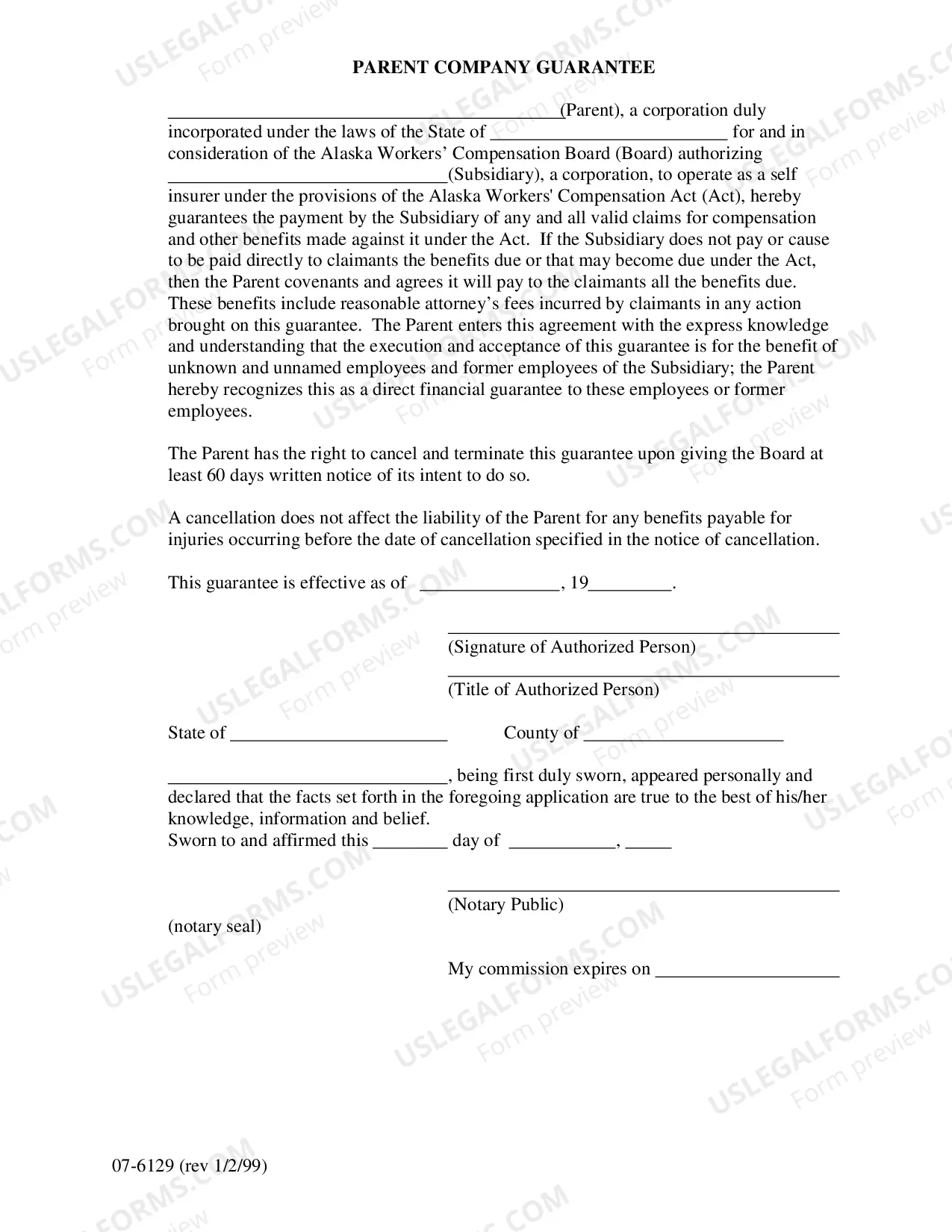




Form popularity
FAQ
In-home caregiver as a household employee Provide a completed Form I-9 to your household employer to ensure you're qualified to work in the U.S. Provide a completed W-4 form and state income tax withholding forms. Complete your federal income tax return using Form W-2, which will be provided by your employer.
The most obvious and immediate type of employer support comes in the form of flexibility. Companies can help their parent and caregiver employees by offering more flexible working arrangements: school-day aligned hours (e.g. – ), four-day workweeks, telecommuting, and the like.
4 legal documents every family caregiver needs A Will. A will is one of the most important legal documents that family caregivers should have. Advance Health Care Plan. Durable Power of Attorney for Health Care. Durable Power of Attorney for Finances.
The purpose of the Caregiver Assessment Tool (CAT) is to gain an understanding of the Caregiver, the Caregiver's perspective of the caregiving relationship, and the Caregiver's needs. The questions in the CAT facilitate a rapport between the Care Manager and the Caregiver.
What to Include in a Checklist for Caregivers Name of caregiver on duty. Date the checklist is being used. Name of patients. Patient's morning, afternoon, and evening routines, such as: Taking medication and vital signs. Eating food and drinking water. Housekeeping tasks to do. Changes in patient's condition, if any.
What do caregivers need most? Listen attentively. Really listen to what they have to say. Don't tell horror stories. Don't be judgmental. Ask what they need. Offer the gift of your time. Give your friend space. Bring food. Offer to take your friend out—and help arrange respite care.
While everyone's needs are unique, a checklist can help ensure the caregiving family member does everything necessary to ensure the safety and well-being of their loved one.
Avoid providing diagnoses for someone; instead, describe the observed behaviors. Avoid exaggerating or embellishing. Write as if the individual may read the report.
How do I write a Carer / Impact Statement? their disability and how it impacts their day to day functioning. what they need support with, and what their carer does to support them. your own needs and goals as a carer, and how the caring role affects you. whether you can keep caring for them in the same way into the future.
Nursing care notes should include observations of the patient's physical and emotional condition, details of any treatments or medications given, responses to treatment, and any changes in the care plan.
