Caregiver Agreement For Child In Harris
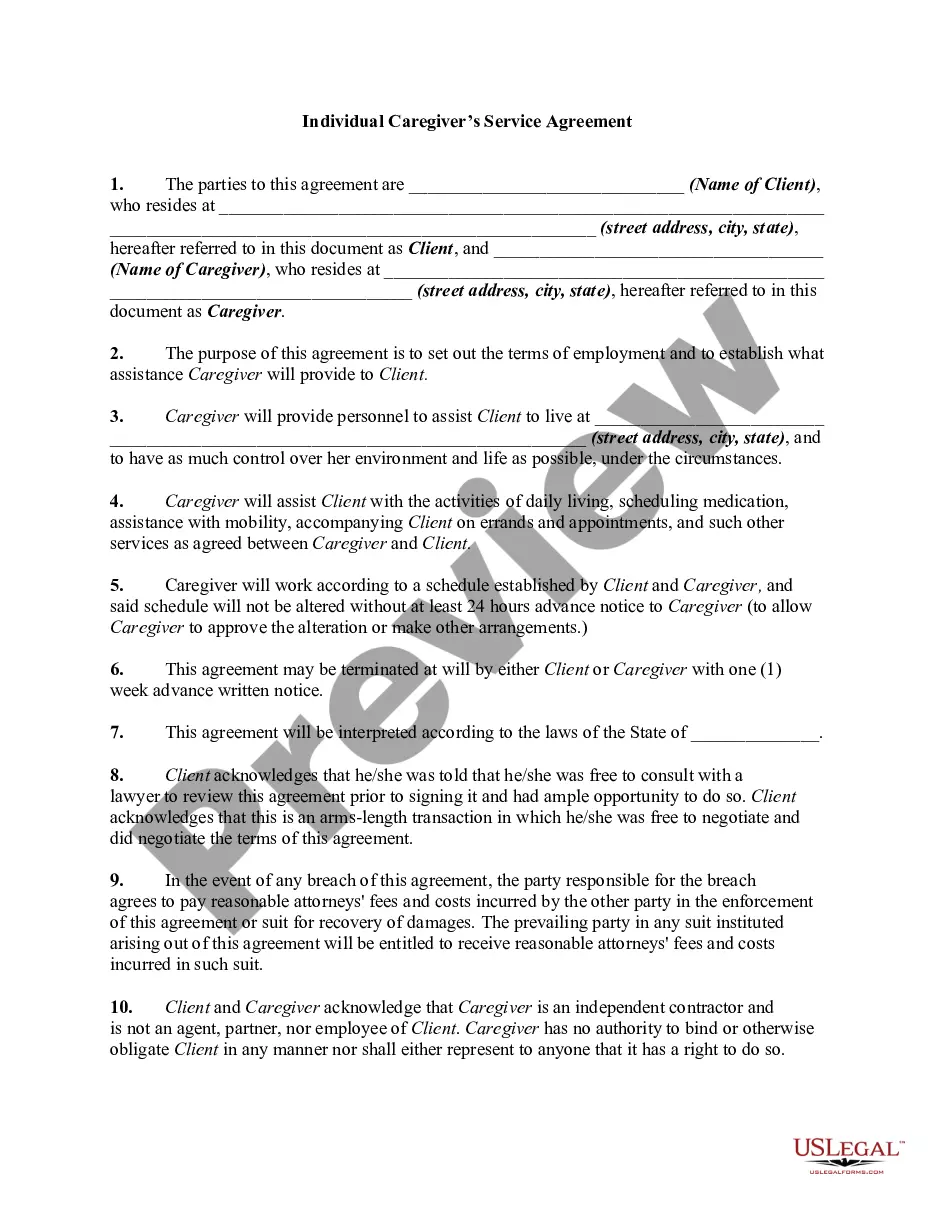
Description







Form popularity
FAQ
If the father has abandoned the child with the mother, a family member, or another person without providing support to the child for at least six months, their parental rights may be terminated.
In Texas, parental rights can only be terminated by a court order. There is no single form that will end parental rights, even if both parents agree. Chapter 161 of the Texas Family Code governs procedures for both voluntary and involuntary termination of the parent-child relationship.
File a Suit Affecting the Parent-Child Relationship (SAPCR) for custody and child support. Include evidence of abandonment and reasons for custody. Collect documentation showing abandonment (e.g., no contact, lack of support). This strengthens your case for custody and child support.
File a Suit Affecting the Parent-Child Relationship (SAPCR) for custody and child support. Include evidence of abandonment and reasons for custody. Collect documentation showing abandonment (e.g., no contact, lack of support). This strengthens your case for custody and child support.
You can get temporary custody forms in Texas from the Courts, which your lawyer can help you properly fill out. You'll need to file those forms with the Court in the county where your child lives. Make sure you bring originals of any documents you include in your petition, as well as a few copies.
A parent can sign an “authorization agreement” form to give a nonparent the authority to care for and make decisions for a child. An authorization agreement lets a nonparent make decisions for a child without going to court.
Child custody agreements can be made through informal negotiations that are conducted between parents and other parties through an Alternative Dispute Resolution (ADR). It's an emerging concept that covers a number of situations where disputes between parties can be resolved without going through a lengthy trial.
A Power of Attorney Texas document allows you to designate someone to make important decisions on behalf of your child in case you are unable to do so. Life is unpredictable, and having this legal safeguard ensures that your child's medical care, education, and even financial affairs are handled by someone you trust.
The personal care agreement is most commonly between an adult child or and his/her parent, but other relatives may be involved, such as an adult grandchild caring for a grandparent. Drawing up an agreement clarifies for a family what tasks are expected in return for a stated compensation.
A well thought out customer agreement promotes clarity, professionalism and trust between you and your clients. It can help to manage expectations, protects client interests, and provides a framework for resolving disputes.
