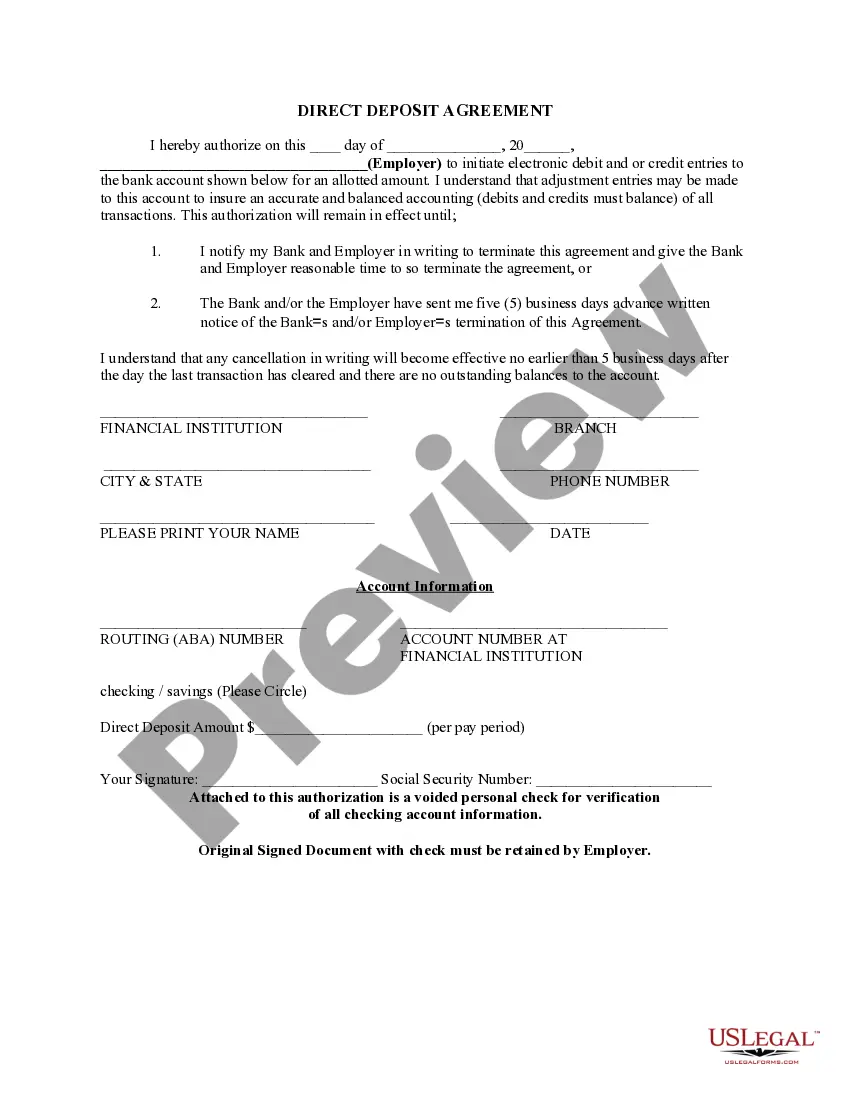
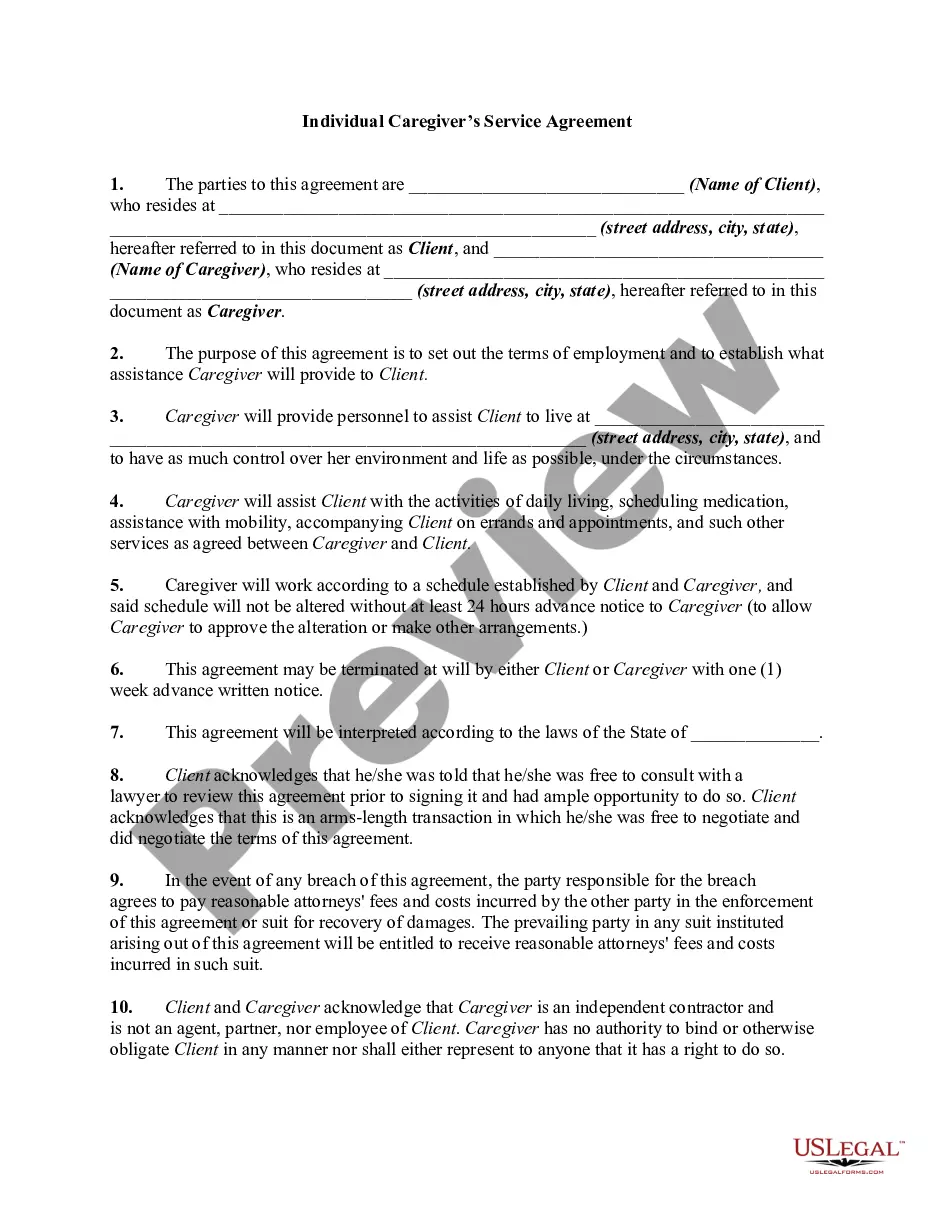
Caregiver Form Sample With Questions In Georgia
Description

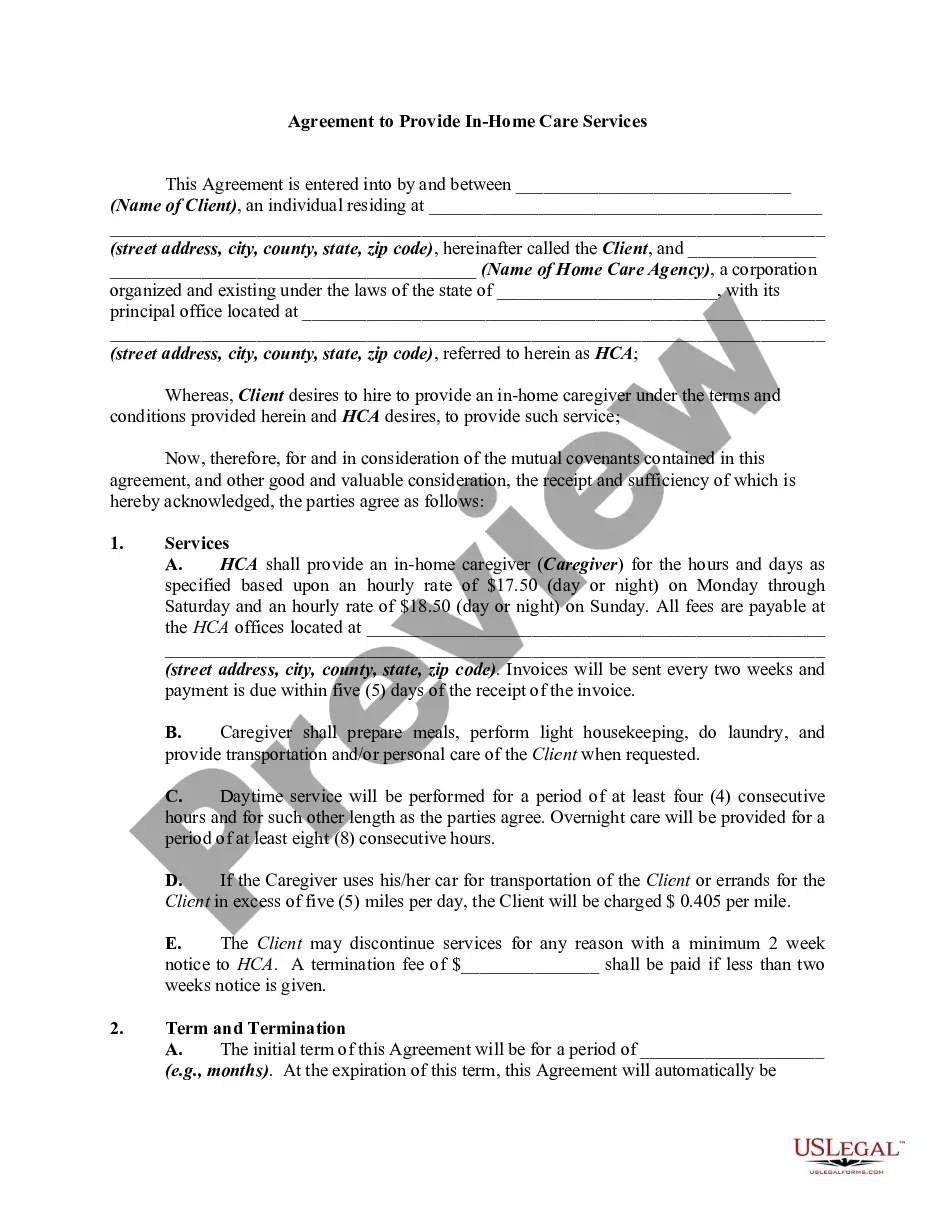
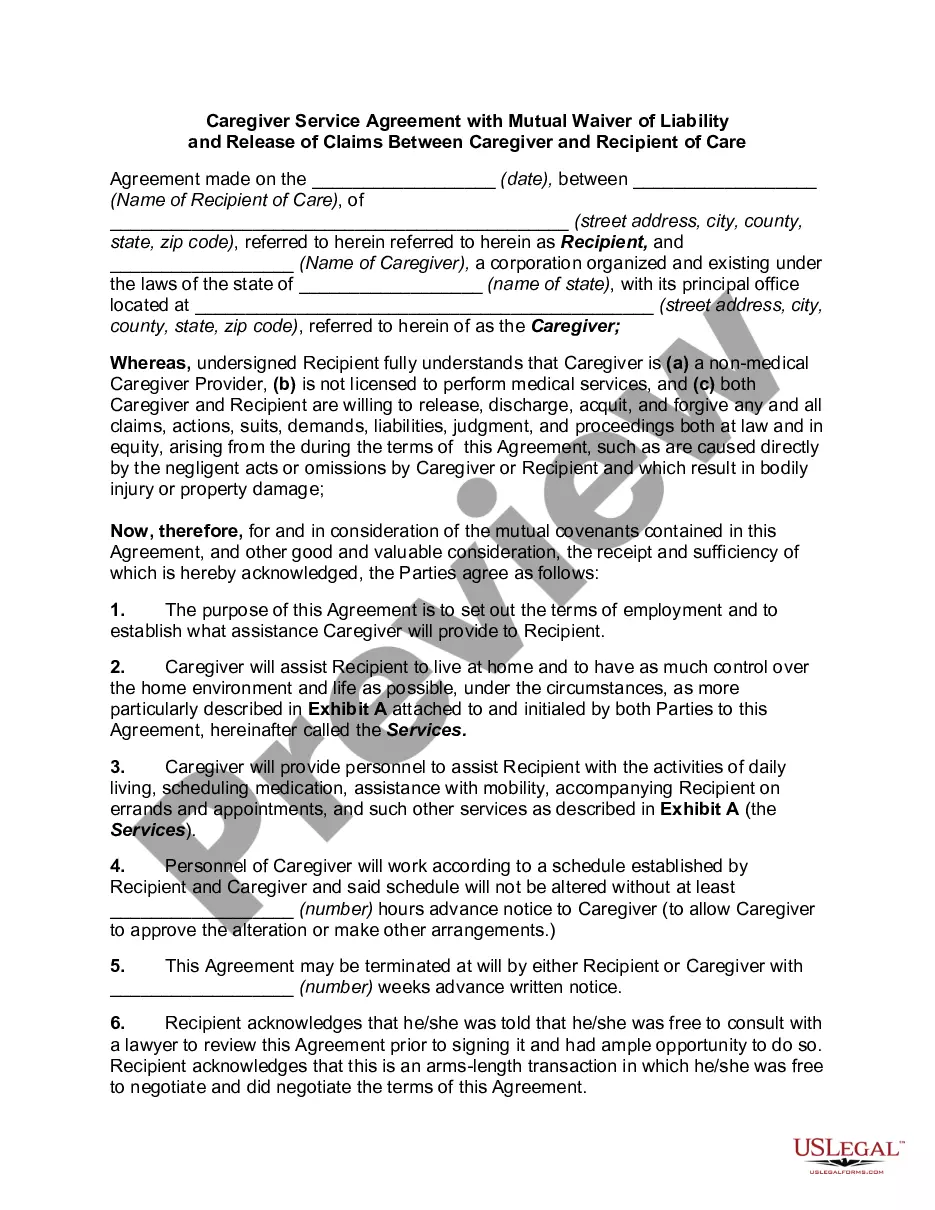
Get your form ready online
Our built-in tools help you complete, sign, share, and store your documents in one place.
Make edits, fill in missing information, and update formatting in US Legal Forms—just like you would in MS Word.
Download a copy, print it, send it by email, or mail it via USPS—whatever works best for your next step.
Sign and collect signatures with our SignNow integration. Send to multiple recipients, set reminders, and more. Go Premium to unlock E-Sign.
If this form requires notarization, complete it online through a secure video call—no need to meet a notary in person or wait for an appointment.
We protect your documents and personal data by following strict security and privacy standards.

Make edits, fill in missing information, and update formatting in US Legal Forms—just like you would in MS Word.

Download a copy, print it, send it by email, or mail it via USPS—whatever works best for your next step.

Sign and collect signatures with our SignNow integration. Send to multiple recipients, set reminders, and more. Go Premium to unlock E-Sign.

If this form requires notarization, complete it online through a secure video call—no need to meet a notary in person or wait for an appointment.

We protect your documents and personal data by following strict security and privacy standards.
Looking for another form?









Form popularity
FAQ
What questions should new caregivers ask? Have you considered all available options? Have you talked to your loved one about his/her needs? Who can help? What will your loved one need to continue his/her way of life? How can you stay healthy while providing care?
Empathy, patience, and adaptability are the three main strengths that distinguish exceptional caregivers. By embodying these qualities, caregivers not only meet the physical needs of their clients but also provide emotional support, foster meaningful connections, and enhance overall well-being.
A Day in the Life How does your loved one get around home? ... Does your loved one have a daily routine? ... What kinds of activities and hobbies does your loved one enjoy? ... Does your loved one have special dietary needs that must be taken into consideration? ... Does your loved one have any pets?
In Georgia, caregivers must complete a state-approved training program. These programs often cover topics like emergency procedures, infection control, personal care techniques, safety, and communication skills. You can find these programs at community colleges, vocational schools, and some healthcare facilities.
Importance of Background Checks These checks can help identify any past criminal activity that might indicate the caregiver is unsuitable for the role. For example, any past instances of elder abuse or financial fraud would likely disqualify an individual from becoming a family caregiver.
Carer Interview Questions Tell me about your ability to work under pressure. How would you handle someone who is confused or upset? ... How would your friends and family describe you as a person? ... What is your understanding of confidentiality? ... What is your understanding of personal care?
Pursuant to 111-8-65-. 05(1), no private home care provider shall operate without a license or provisional license issued by the Georgia Department of Community Health. There are a few services that are exempt from the requirement to obtain a PHCP license from the Department.
How to become a caregiver Evaluate whether being a caregiver suits you. Determine whether offering care to vulnerable people is right for you. Obtain education and training. Seek a part-time role or apprenticeship. Gain experience. Develop care skills. Find a caregiver role.
Steps to Apply for Structured Family Caregiving in Georgia Step 1: Determine your eligibility. Step 2: Contact your regional DBHDD office. Step 3: Complete a comprehensive assessment. Step 4: Develop an Individual Service Plan (ISP) ... Step 5: Identify a qualified caregiver. Step 6: Complete caregiver training.