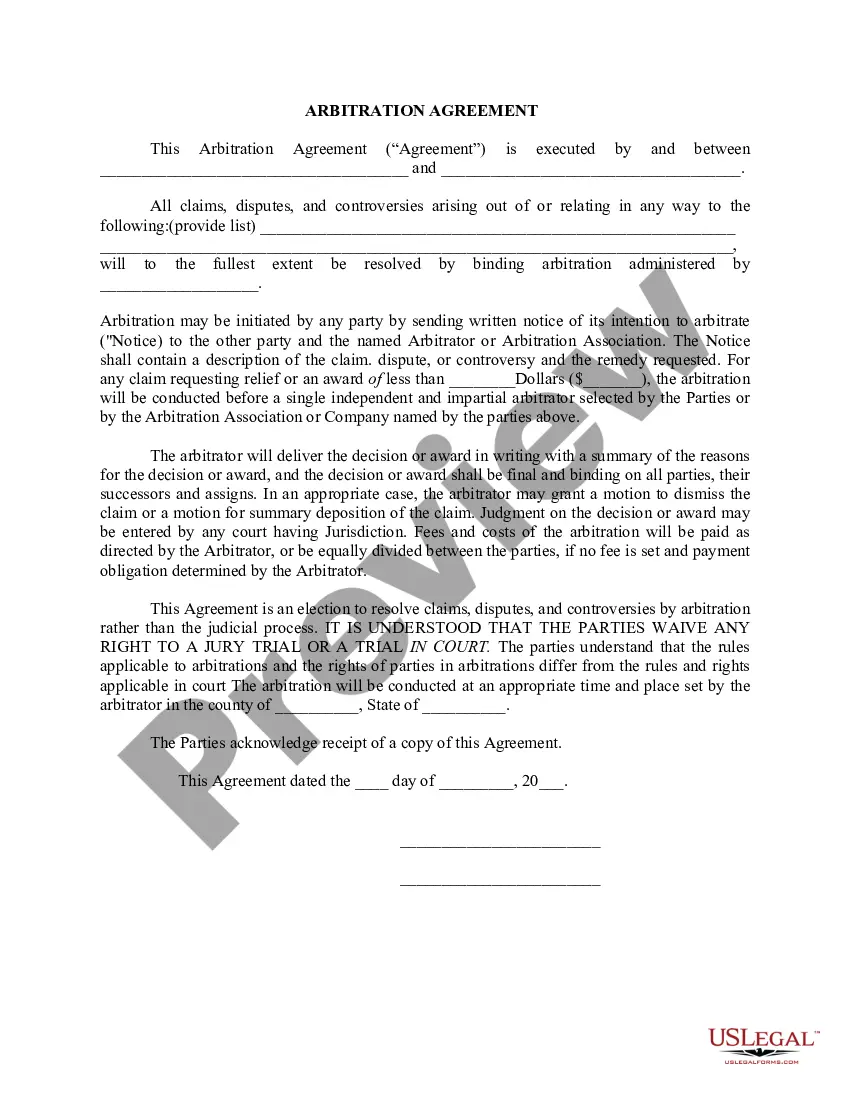
Caregiver Form Printable With Pictures In Collin
Description






Get your form ready online
Our built-in tools help you complete, sign, share, and store your documents in one place.
Make edits, fill in missing information, and update formatting in US Legal Forms—just like you would in MS Word.
Download a copy, print it, send it by email, or mail it via USPS—whatever works best for your next step.
Sign and collect signatures with our SignNow integration. Send to multiple recipients, set reminders, and more. Go Premium to unlock E-Sign.
If this form requires notarization, complete it online through a secure video call—no need to meet a notary in person or wait for an appointment.
We protect your documents and personal data by following strict security and privacy standards.

Make edits, fill in missing information, and update formatting in US Legal Forms—just like you would in MS Word.

Download a copy, print it, send it by email, or mail it via USPS—whatever works best for your next step.

Sign and collect signatures with our SignNow integration. Send to multiple recipients, set reminders, and more. Go Premium to unlock E-Sign.

If this form requires notarization, complete it online through a secure video call—no need to meet a notary in person or wait for an appointment.

We protect your documents and personal data by following strict security and privacy standards.
Looking for another form?









Form popularity
FAQ
Here are the most widely seen 4 types of caregivers: Professional caregivers. Those who are trained, certified, and employed to provide care services are known as professional caregivers. Family caregivers. Volunteer caregivers. Informal caregivers.
In many cases, one person takes on most of the everyday responsibilities of caring for an older person. It tends to be a spouse or the child or sibling who lives closest. If you are not the primary caregiver, you can still play an important role in supporting that person.
Caregivers providing care to “high-need” older adults—those who have at least two self-care needs or dementia—are more likely to help with a wide variety of tasks, including helping with chores, helping the older adult get around the house, keeping track of medications, and making medical appointments.
Family caregivers are relatives, friends, partners, or neighbors who provide assistance, typically unpaid, to someone who has limitations in their physical, mental, or cognitive functioning. Caregivers represent a broad and diverse group of individuals.
A Senior/Elderly Caregiver is someone who helps older adults with daily activities, health needs, and personal care. They assist with tasks like bathing, dressing, cooking, cleaning, and medication reminders.
While everyone's needs are unique, a checklist can help ensure the caregiving family member does everything necessary to ensure the safety and well-being of their loved one.
The Carer Stress and Burden Model and the two other models it takes its origin from make a crucial distinction between primary and secondary stressors, acknowledging the distinct role of primary stressors and their consequences (Pearlin et al., 1990).
Causes of Caregiver Role Strain Common causes of caregiver strain include financial burdens, increased responsibility, a change in family life, or a role change. The financial stressors of caregiving are extremely common.
Caregiver strain, also known as caregiver burden or burnout, is the physical, emotional, and mental stress that occurs when a caregiver looks after a patient without attending to their own needs. Eventually, this can result in significant physical and mental health problems.
The purpose of the Caregiver Assessment Tool (CAT) is to gain an understanding of the Caregiver, the Caregiver's perspective of the caregiving relationship, and the Caregiver's needs. The questions in the CAT facilitate a rapport between the Care Manager and the Caregiver.