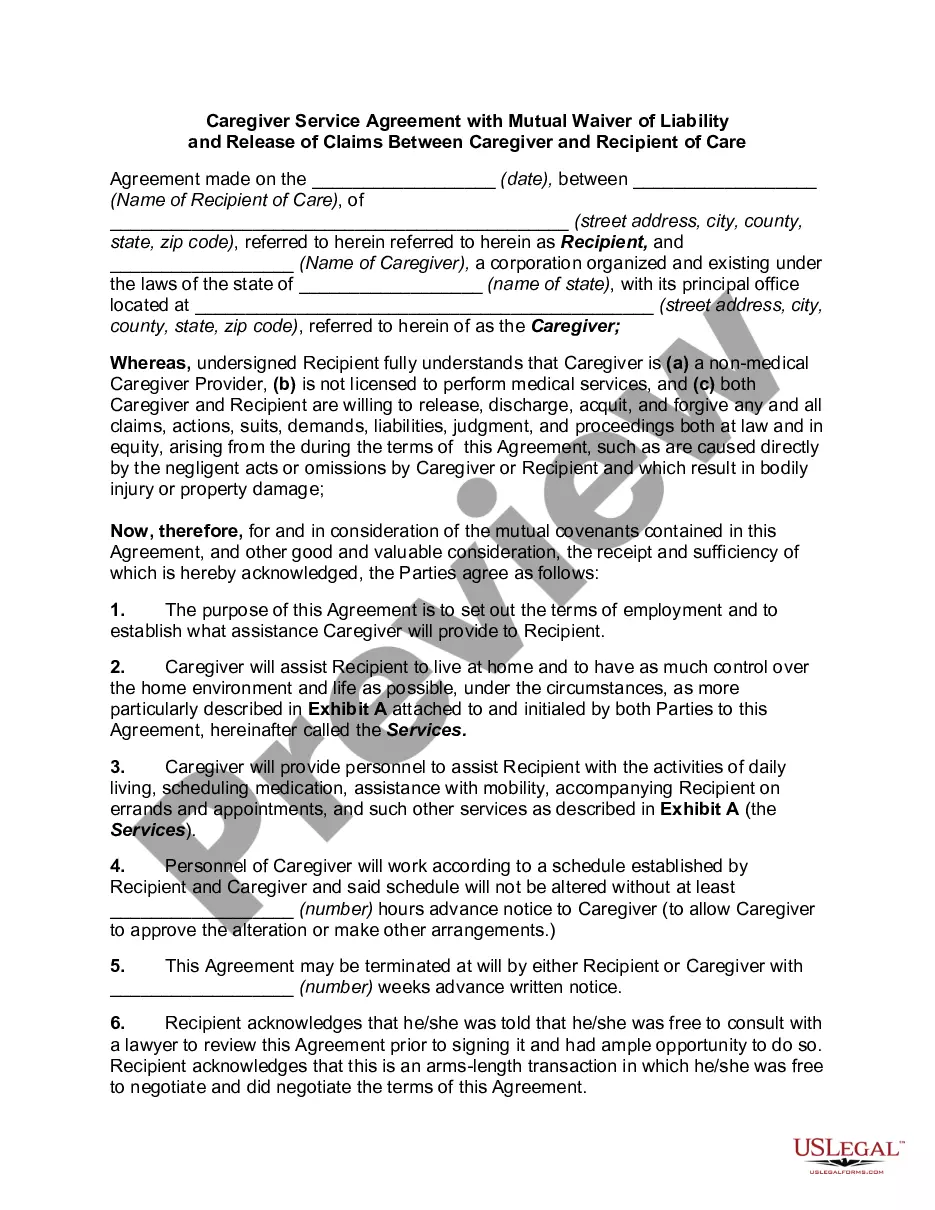
Care Caregiver Form With 2 Points In Chicago
Description





Get your form ready online
Our built-in tools help you complete, sign, share, and store your documents in one place.
Make edits, fill in missing information, and update formatting in US Legal Forms—just like you would in MS Word.
Download a copy, print it, send it by email, or mail it via USPS—whatever works best for your next step.
Sign and collect signatures with our SignNow integration. Send to multiple recipients, set reminders, and more. Go Premium to unlock E-Sign.
If this form requires notarization, complete it online through a secure video call—no need to meet a notary in person or wait for an appointment.
We protect your documents and personal data by following strict security and privacy standards.

Make edits, fill in missing information, and update formatting in US Legal Forms—just like you would in MS Word.

Download a copy, print it, send it by email, or mail it via USPS—whatever works best for your next step.

Sign and collect signatures with our SignNow integration. Send to multiple recipients, set reminders, and more. Go Premium to unlock E-Sign.

If this form requires notarization, complete it online through a secure video call—no need to meet a notary in person or wait for an appointment.

We protect your documents and personal data by following strict security and privacy standards.
Looking for another form?
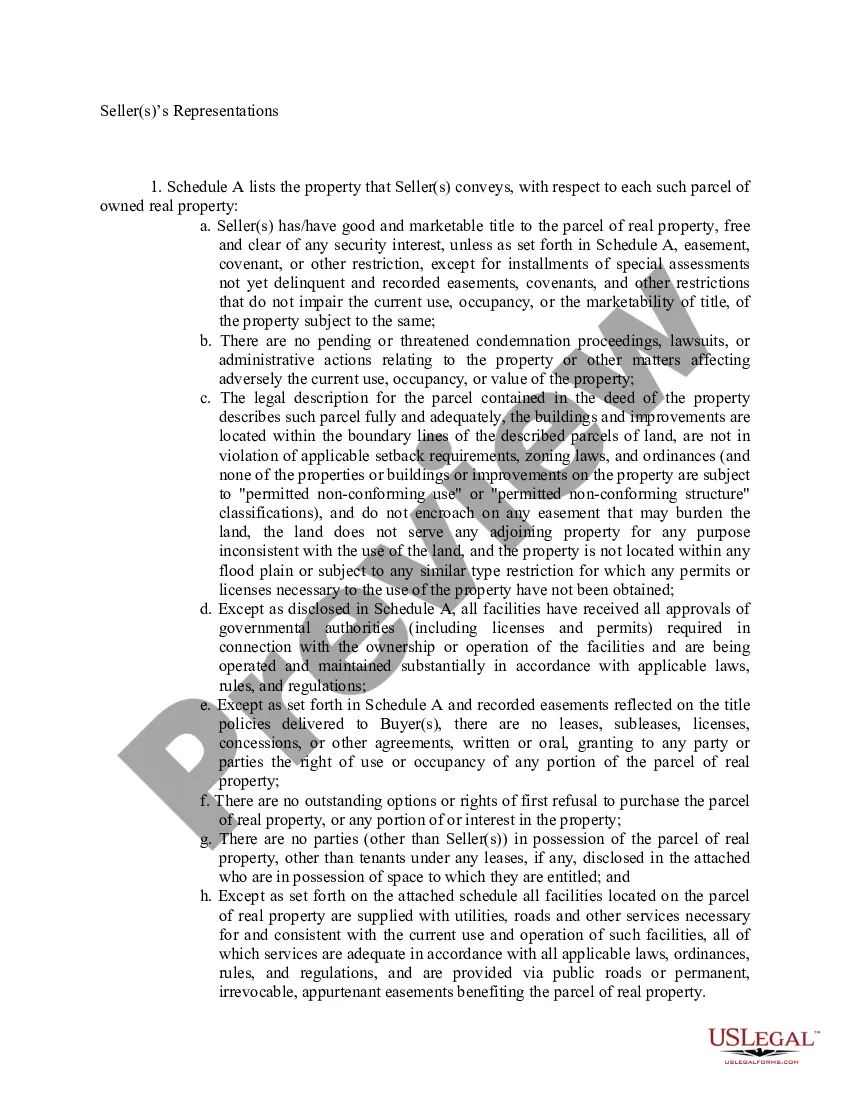

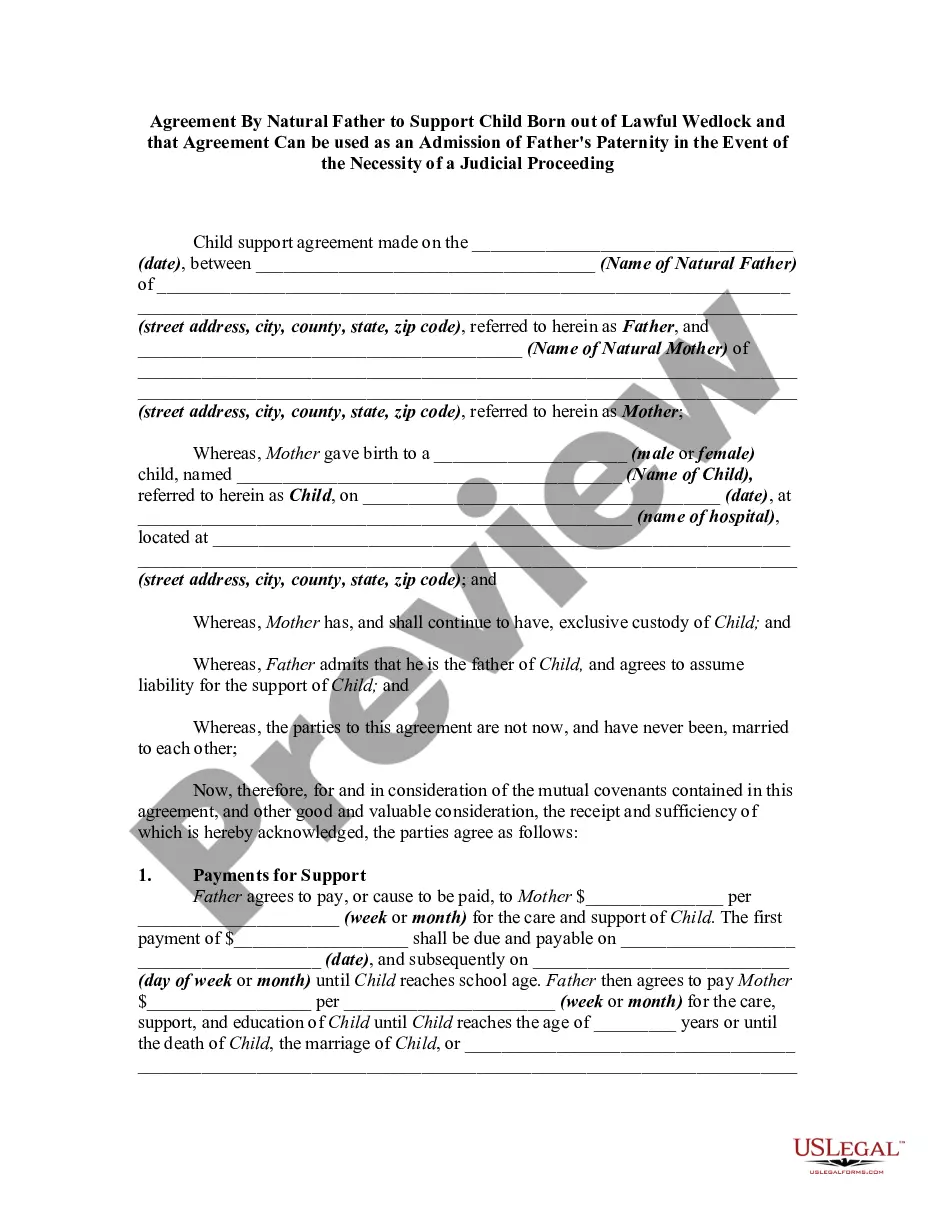




Form popularity
FAQ
CHICAGO - Workers in Illinois who provide personal care to family members are protected from employment discrimination based on family responsibilities as of January 1, 2025. Illinois is now one of fewer than 10 states to provide employment protections for family caregivers.
In conclusion, there are 4 types of caregivers: family caregivers, professional caregivers, volunteer caregivers, and informal caregivers. Each caregiver faces unique challenges, including physical and emotional exhaustion, financial strain, and balancing personal and caregiving responsibilities.
What is meant by 'DDC'? Within the health professions many people are believed to be “double duty caregivers” (DDCs) – those individuals who provide care both at home and at work.
Certified caregiver training in the state of Illinois was mandated by state law in 2008. Then shortly after this, an additional mandate for Alzheimer's disease caregiver training was added. Illinois caregivers are required to annually renew training for both basic caregiving skills and dementia caregiving skills.
Illinois enacted a law prohibiting discrimination against employees who must care for family members at home. The law will not require employers to make accommodations or modifications to reasonable workplace rules and policies to allow employees to fulfill their caregiving responsibilities.
In an earlier NAC survey, caregivers reported their biggest reward was knowing that the recipient was well cared for. Caregivers also said they were happy, helpful, grateful, thankful, and lov- ing.
NOW LET'S DISCUSS SOME OF THE REWARDS OF CAREGIVING: Caring for someone brings you closer to that person, creating a special bond. You will make a material difference in a loved one's life. It will likely change your perspective on life and your own humanness.
Home Health Aides (HHAs) need 120 hours of certification training and 12 hours annually thereafter. CareAcademy offers annual training for HHAs. Certified Nursing Assistant (CNAs) need 120 hours of certification training and are not required to take annual training.
“In many cases, caregivers reported receiving benefits like enhanced self-esteem, recognition and gratitude from their care recipients,” Roth adds. If you are a caregiver—or know one—these smart strategies could help harness this advantage.
