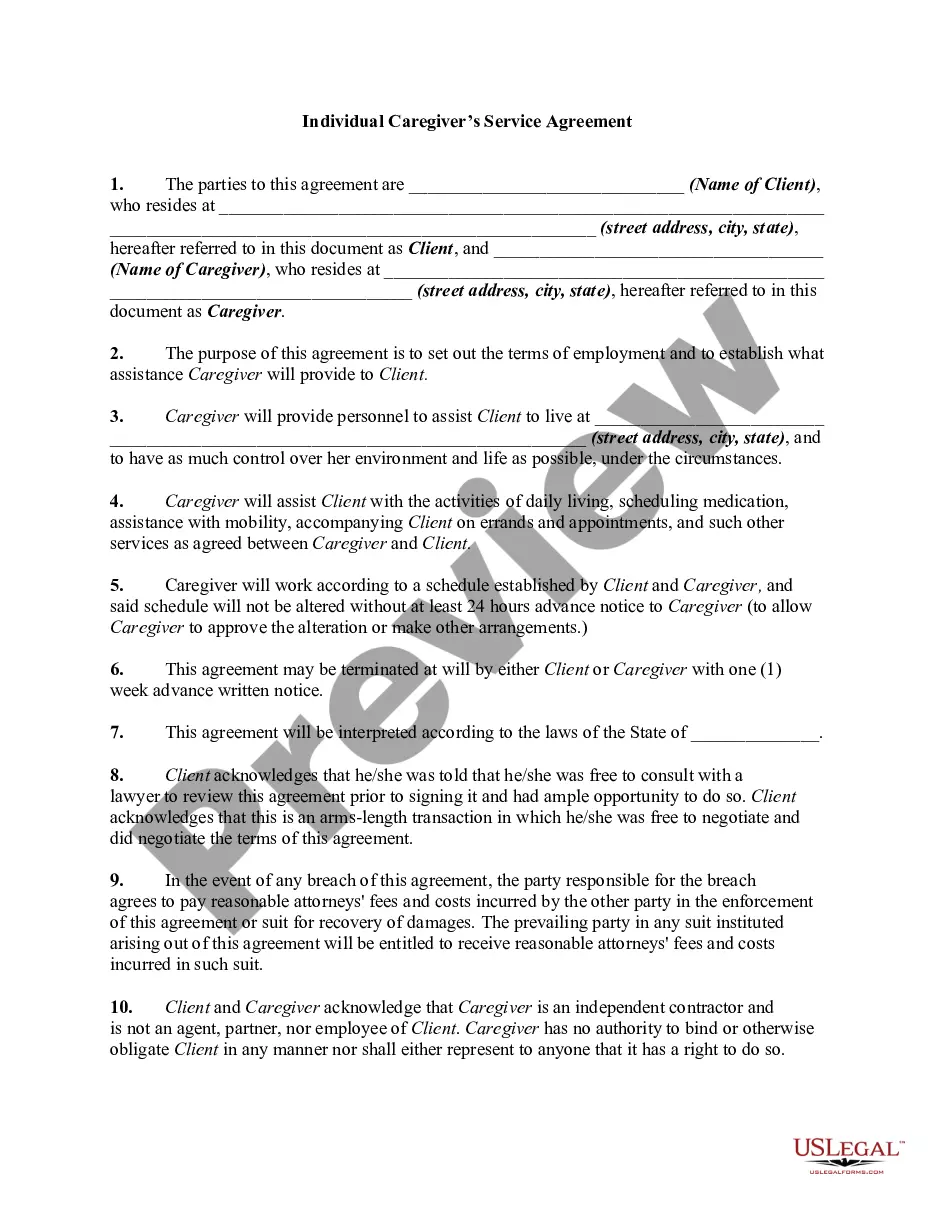
Care Caregiver Form Application With Database Example In Chicago
Description





Get your form ready online
Our built-in tools help you complete, sign, share, and store your documents in one place.
Make edits, fill in missing information, and update formatting in US Legal Forms—just like you would in MS Word.
Download a copy, print it, send it by email, or mail it via USPS—whatever works best for your next step.
Sign and collect signatures with our SignNow integration. Send to multiple recipients, set reminders, and more. Go Premium to unlock E-Sign.
If this form requires notarization, complete it online through a secure video call—no need to meet a notary in person or wait for an appointment.
We protect your documents and personal data by following strict security and privacy standards.

Make edits, fill in missing information, and update formatting in US Legal Forms—just like you would in MS Word.

Download a copy, print it, send it by email, or mail it via USPS—whatever works best for your next step.

Sign and collect signatures with our SignNow integration. Send to multiple recipients, set reminders, and more. Go Premium to unlock E-Sign.

If this form requires notarization, complete it online through a secure video call—no need to meet a notary in person or wait for an appointment.

We protect your documents and personal data by following strict security and privacy standards.
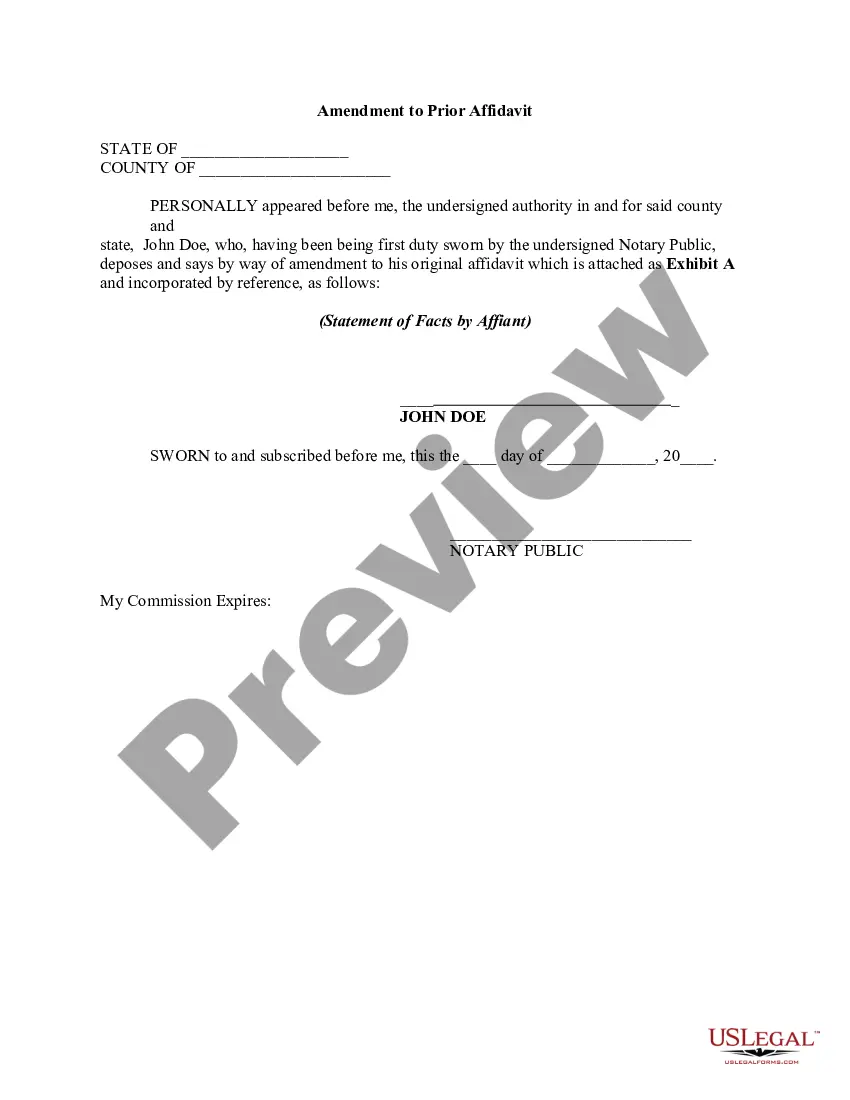
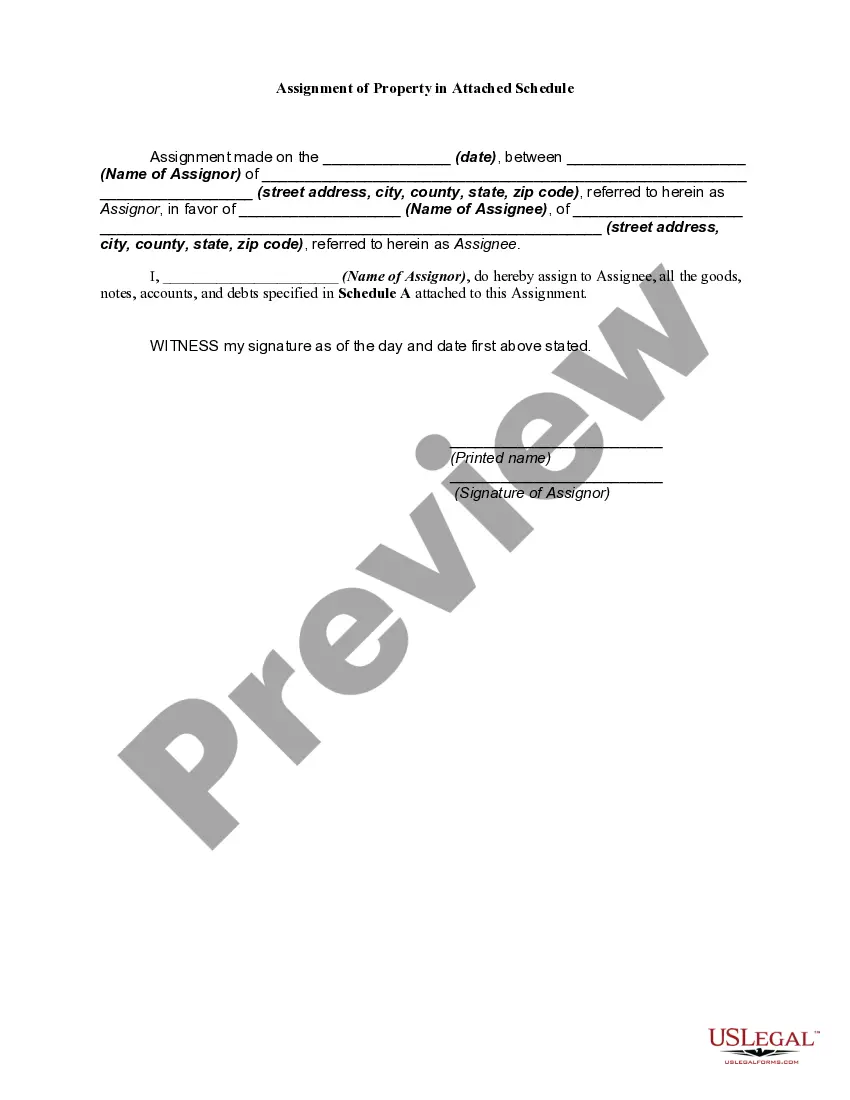
Looking for another form?








Form popularity
FAQ
Home Health Aides (HHAs) need 120 hours of certification training and 12 hours annually thereafter. CareAcademy offers annual training for HHAs. Certified Nursing Assistant (CNAs) need 120 hours of certification training and are not required to take annual training.
Diploma in Caregiving Your learners will tackle practical, legal, and even ethical issues concerned with taking care of the elderly and sick. Lesson include personal care, emotional needs, stress management, cultural differences, nutrition, fall safety, understanding dementia, and more.
How to become a caregiver Evaluate whether being a caregiver suits you. Determine whether offering care to vulnerable people is right for you. Obtain education and training. Seek a part-time role or apprenticeship. Gain experience. Develop care skills. Find a caregiver role.
How do you become a professional caregiver in Illinois? 8-Hour Caregiver Certification course with the basic skills for caregiving, including Elder Abuse Identification and Reporting and HIPAA (Health Insurance Portability and Accountability Act) topics.
In conclusion, there are 4 types of caregivers: family caregivers, professional caregivers, volunteer caregivers, and informal caregivers. Each caregiver faces unique challenges, including physical and emotional exhaustion, financial strain, and balancing personal and caregiving responsibilities.
Certified caregiver training in the state of Illinois was mandated by state law in 2008. Then shortly after this, an additional mandate for Alzheimer's disease caregiver training was added. Illinois caregivers are required to annually renew training for both basic caregiving skills and dementia caregiving skills.
Emphasis on Role: “Caregiver” and “carer” emphasize the act of giving care, with a focus on the practical and emotional work involved. “Caretaker” suggests a more functional or managerial role, often with a broader focus on property or task management.
The document details a caregiver status report for a patient hospitalized and needing assistance. It includes caregiver information, support requirements, and a note on privacy regarding health information. Review for accuracy is advised.
