Care Caregiver Form For Elderly In Broward
Description

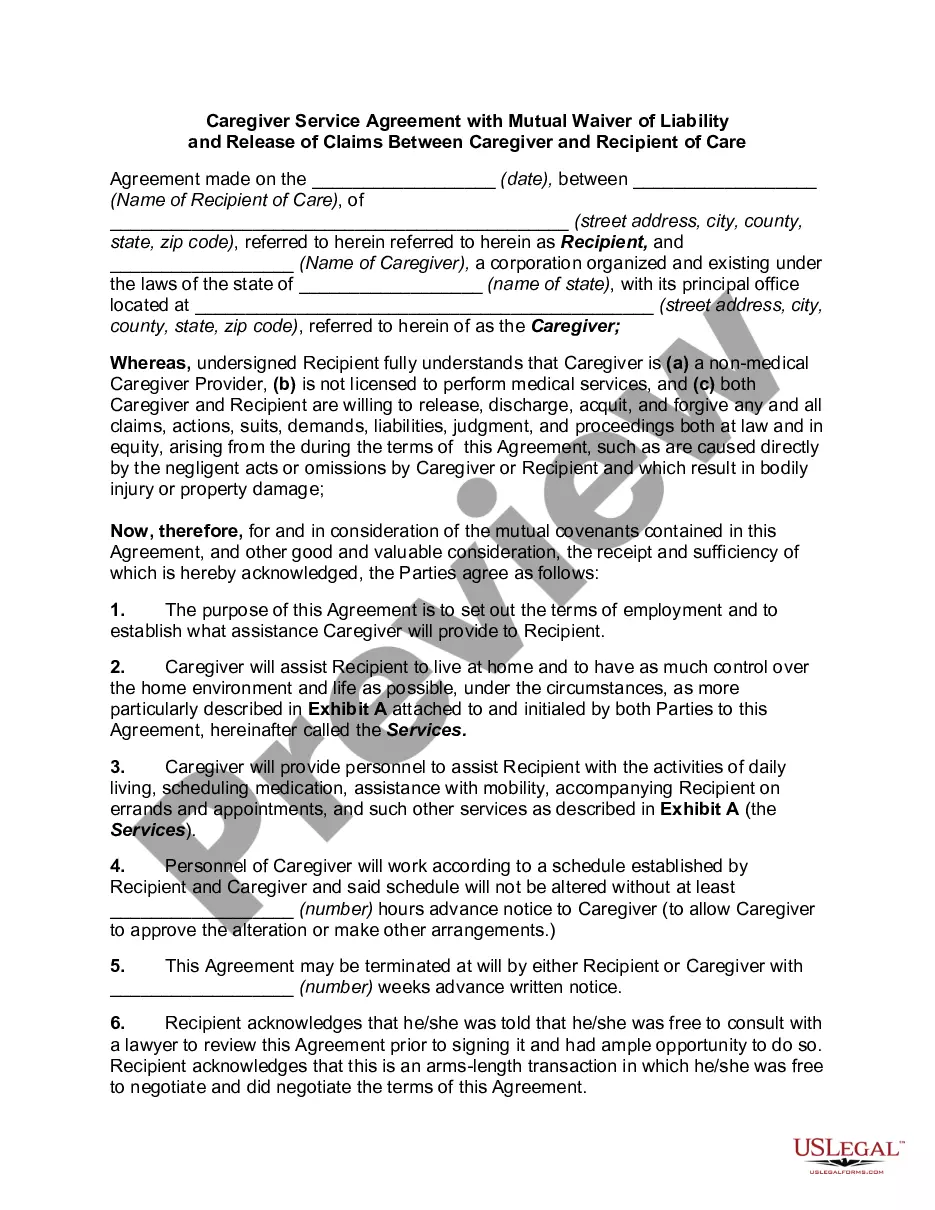
Get your form ready online
Our built-in tools help you complete, sign, share, and store your documents in one place.
Make edits, fill in missing information, and update formatting in US Legal Forms—just like you would in MS Word.
Download a copy, print it, send it by email, or mail it via USPS—whatever works best for your next step.
Sign and collect signatures with our SignNow integration. Send to multiple recipients, set reminders, and more. Go Premium to unlock E-Sign.
If this form requires notarization, complete it online through a secure video call—no need to meet a notary in person or wait for an appointment.
We protect your documents and personal data by following strict security and privacy standards.

Make edits, fill in missing information, and update formatting in US Legal Forms—just like you would in MS Word.

Download a copy, print it, send it by email, or mail it via USPS—whatever works best for your next step.

Sign and collect signatures with our SignNow integration. Send to multiple recipients, set reminders, and more. Go Premium to unlock E-Sign.

If this form requires notarization, complete it online through a secure video call—no need to meet a notary in person or wait for an appointment.

We protect your documents and personal data by following strict security and privacy standards.
Looking for another form?






Form popularity
FAQ
In conclusion, there are 4 types of caregivers: family caregivers, professional caregivers, volunteer caregivers, and informal caregivers. Each caregiver faces unique challenges, including physical and emotional exhaustion, financial strain, and balancing personal and caregiving responsibilities.
To apply one should contact their local Florida AAA here or Florida's Elder Helpline at 1-800-963-5337. The Department of Elder Affairs maintains a webpage about the program here. The Home Care for the Elderly program assisted approximately 3,500 individuals in 2023.
Common duties of a caregiver for the elderly include assisting with personal care such as bathing and dressing, managing medications, preparing nutritious meals, providing mobility assistance, organizing medical appointments, offering emotional support and companionship, managing household chores, advocating for the ...
In addition to medical and health-related services, personal care and companionship services are highly requested by elderly individuals. These services go beyond physical health and focus on maintaining the emotional well-being of the elderly.
Caregivers providing care to “high-need” older adults—those who have at least two self-care needs or dementia—are more likely to help with a wide variety of tasks, including helping with chores, helping the older adult get around the house, keeping track of medications, and making medical appointments.
Elderly care, or simply eldercare (also known in parts of the English-speaking world as aged care), serves the needs of old adults. It encompasses assisted living, adult daycare, long-term care, nursing homes (often called residential care), hospice care, and home care.
Someone who takes care of a very young, elderly, or ill person is called a caregiver. If you make sure your ailing friend eats every day and is relatively comfortable, you are her caregiver. Being a caregiver is sometimes a paying job — a home health aid and a nurse in a hospital both work as caregivers.
