Care Caregiver Form With Decimals In Bexar
Description

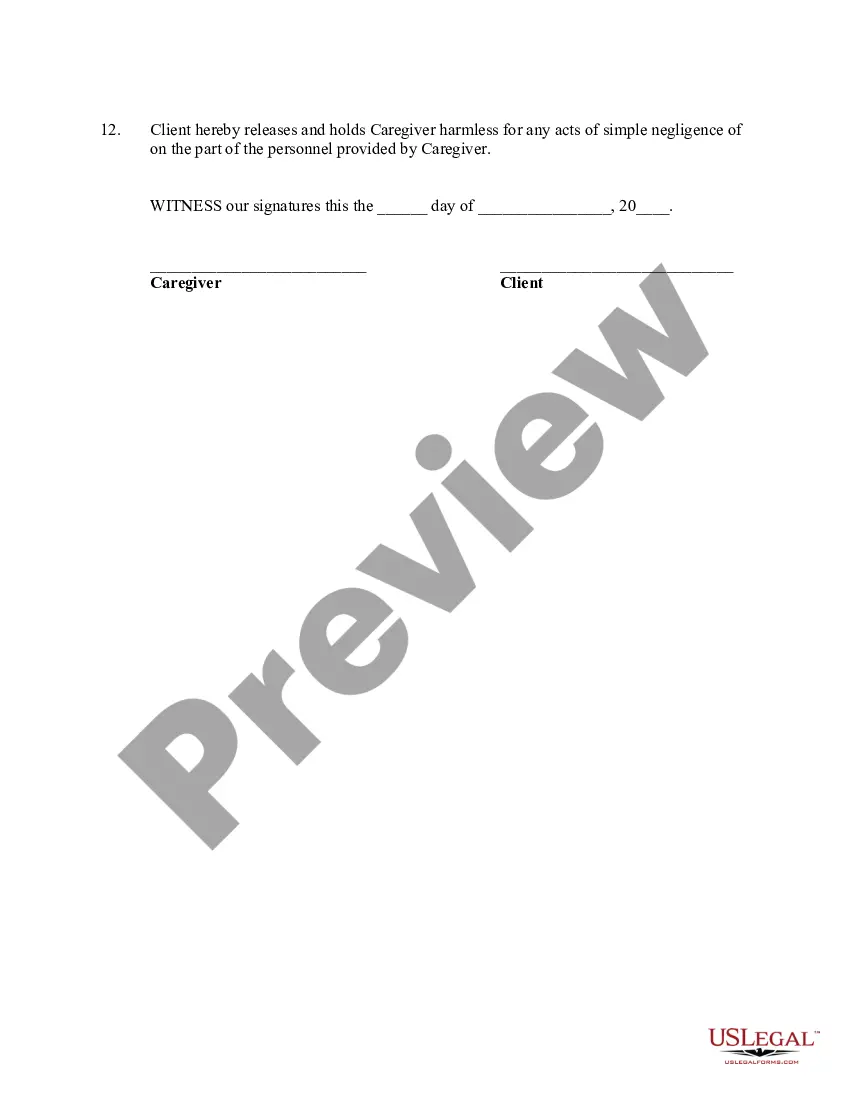

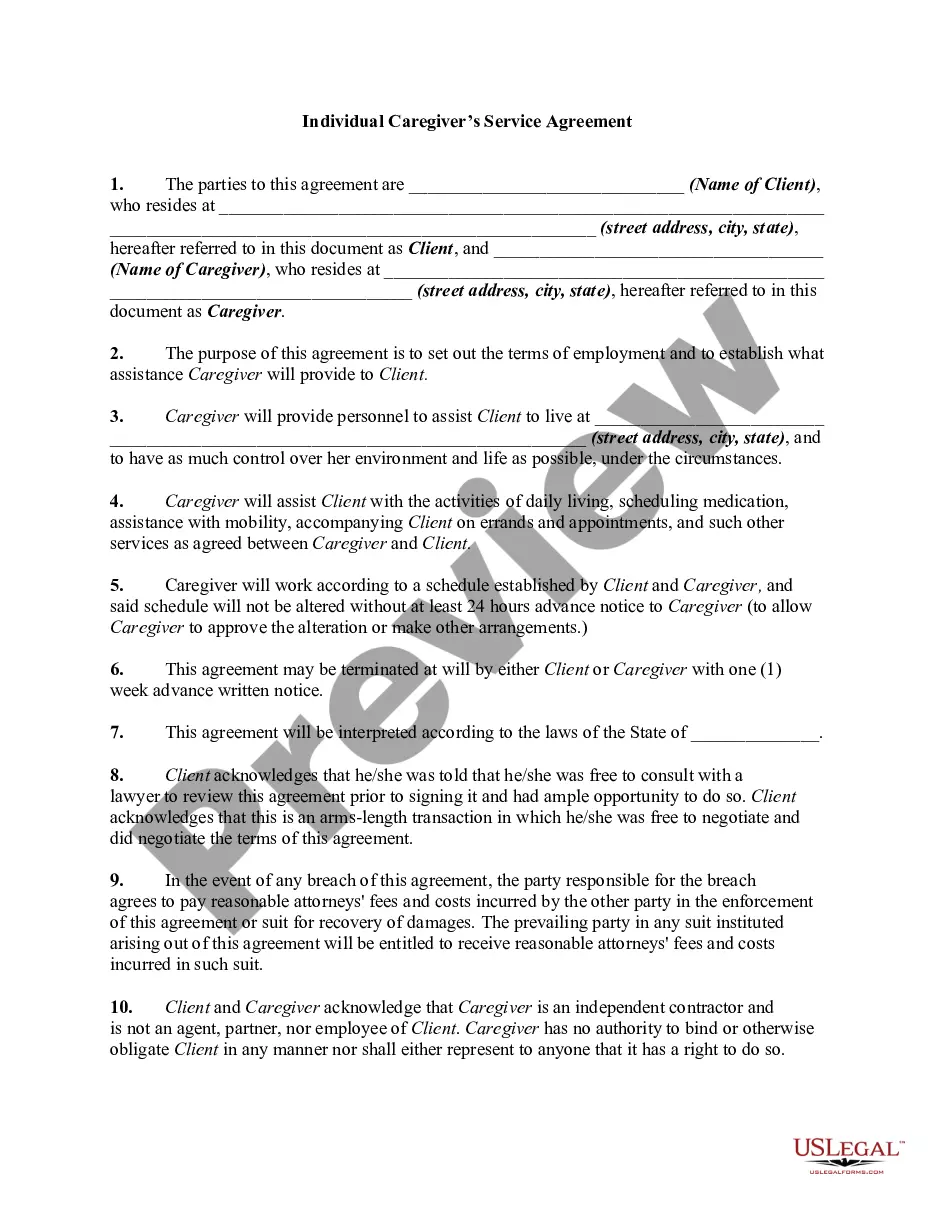
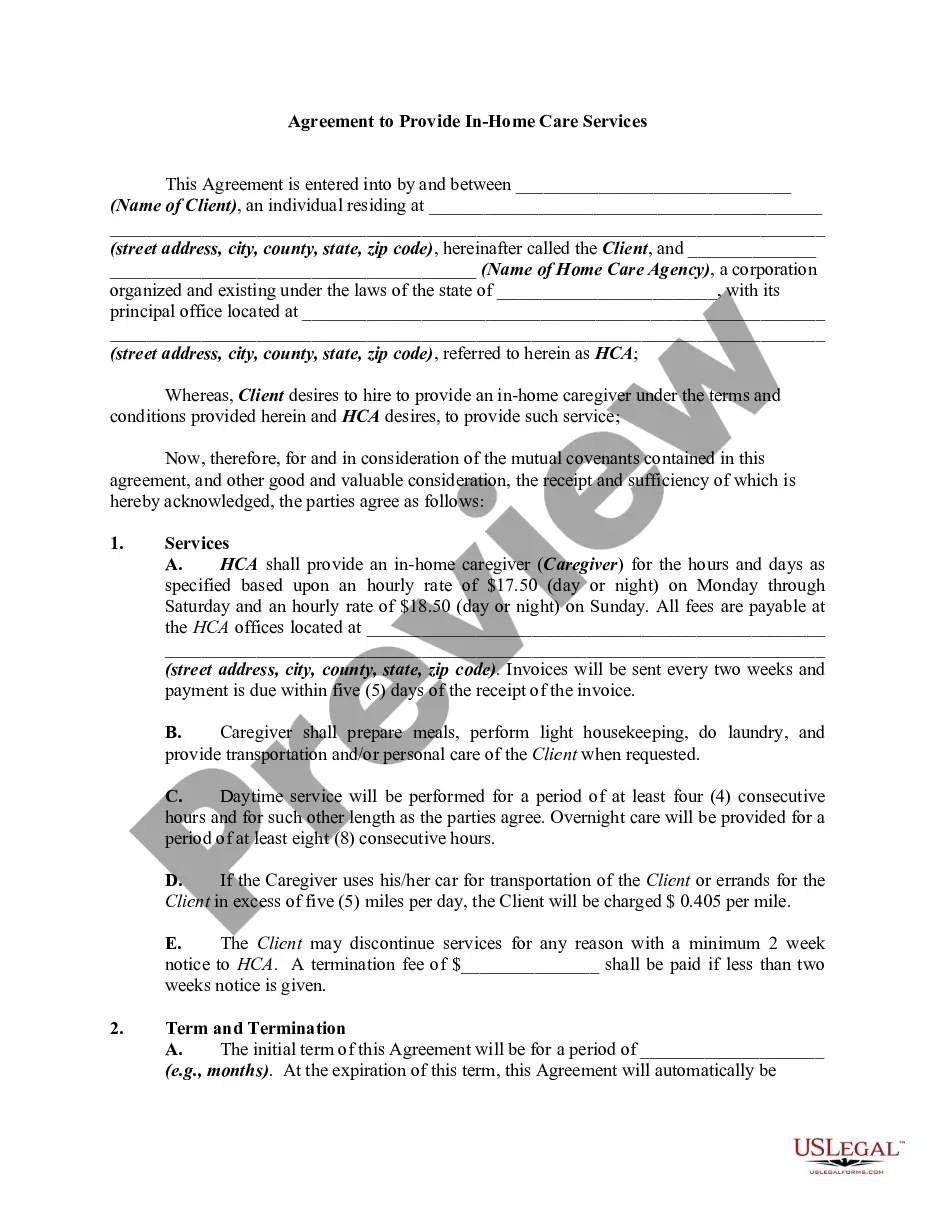
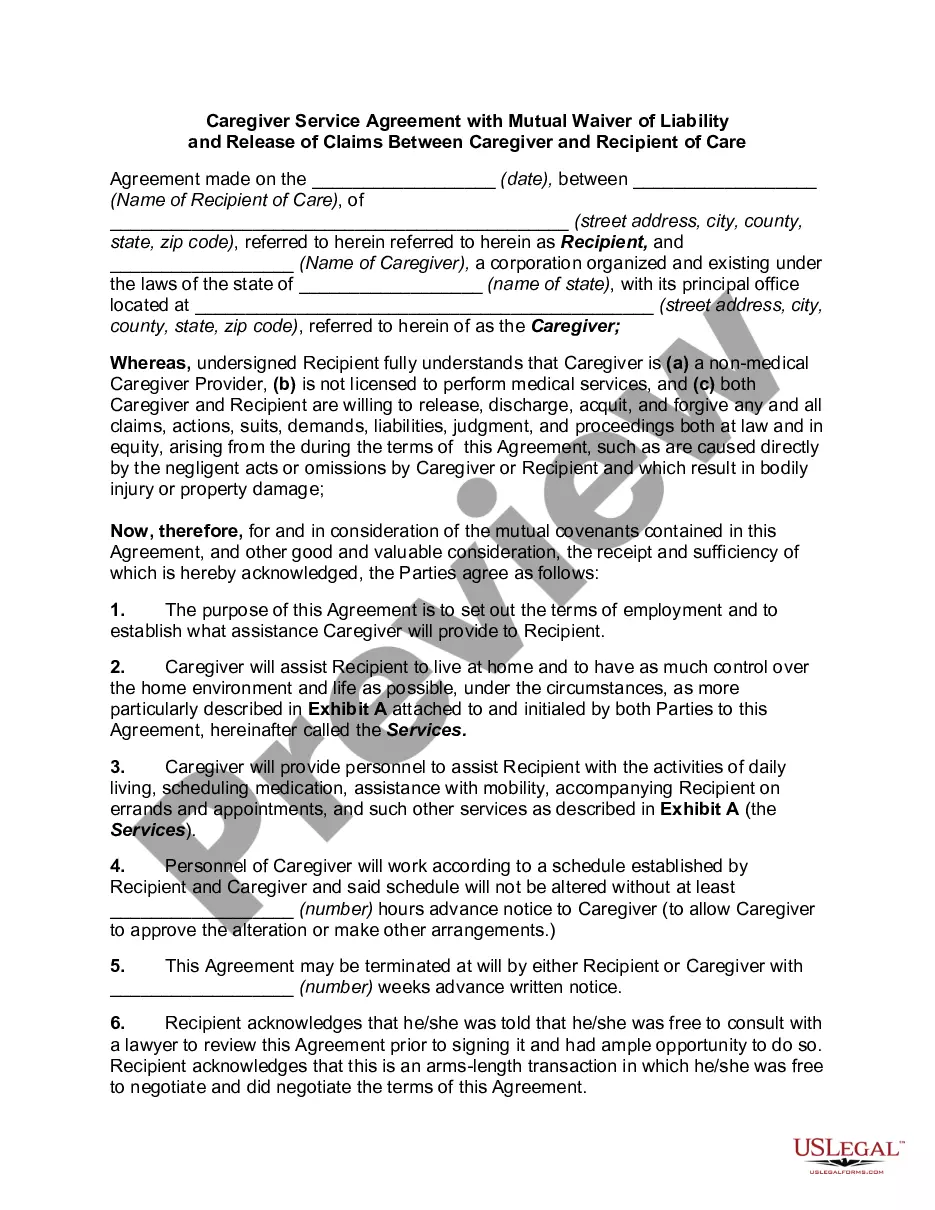
Get your form ready online
Our built-in tools help you complete, sign, share, and store your documents in one place.
Make edits, fill in missing information, and update formatting in US Legal Forms—just like you would in MS Word.
Download a copy, print it, send it by email, or mail it via USPS—whatever works best for your next step.
Sign and collect signatures with our SignNow integration. Send to multiple recipients, set reminders, and more. Go Premium to unlock E-Sign.
If this form requires notarization, complete it online through a secure video call—no need to meet a notary in person or wait for an appointment.
We protect your documents and personal data by following strict security and privacy standards.

Make edits, fill in missing information, and update formatting in US Legal Forms—just like you would in MS Word.

Download a copy, print it, send it by email, or mail it via USPS—whatever works best for your next step.

Sign and collect signatures with our SignNow integration. Send to multiple recipients, set reminders, and more. Go Premium to unlock E-Sign.

If this form requires notarization, complete it online through a secure video call—no need to meet a notary in person or wait for an appointment.

We protect your documents and personal data by following strict security and privacy standards.
Looking for another form?







Form popularity
FAQ
The Caregiver Support Ratio is defined as the number of potential family caregivers (mostly adult children) aged 45-64 for each person aged 80 and older those most likely to need LTSS. The caregiver support ratio is used to estimate the availability of family caregivers during the next few decades.
Support Staff Ratio Formula The following formula is used to calculate the Support Staff Ratio. To calculate a support staff ratio, divide the number of support staff by the number of employees.
Experts recommend one caregiver for every 6 to 8 residents needing basic assistance in assisted living. This ideal ratio varies based on the facility, level of care, and state regulations.
The Parent/Caregiver Involvement Scale – Short Form (P/CIS-SF) is a reliable measure of parenting in high-risk parent-infant dyads. The P/CIS-SF shows no floor effect with high-risk dyads, with the exception of teaching and learning environment.
O to 20 = little or no burden; 21 to 40 = mild to moderate burden; 41 to 60 = moderate to severe burden; 61 to 88 = severe burden. FIGURE 4. Caregiver Burden Scale. This self-administered 22-item questionnaire assesses the "experience of burden."
Understanding the New Caregiver Training Codes The HCPCS codes (G0541, G0542, G0543) introduced in 2025 focus on caregiver training and direct care strategies. Unlike CPT codes (97550, 97551, 97552), these new codes aim to better document services under Medicare guidelines without replacing existing codes.
