Personal Care Agreement Example In Allegheny
Description



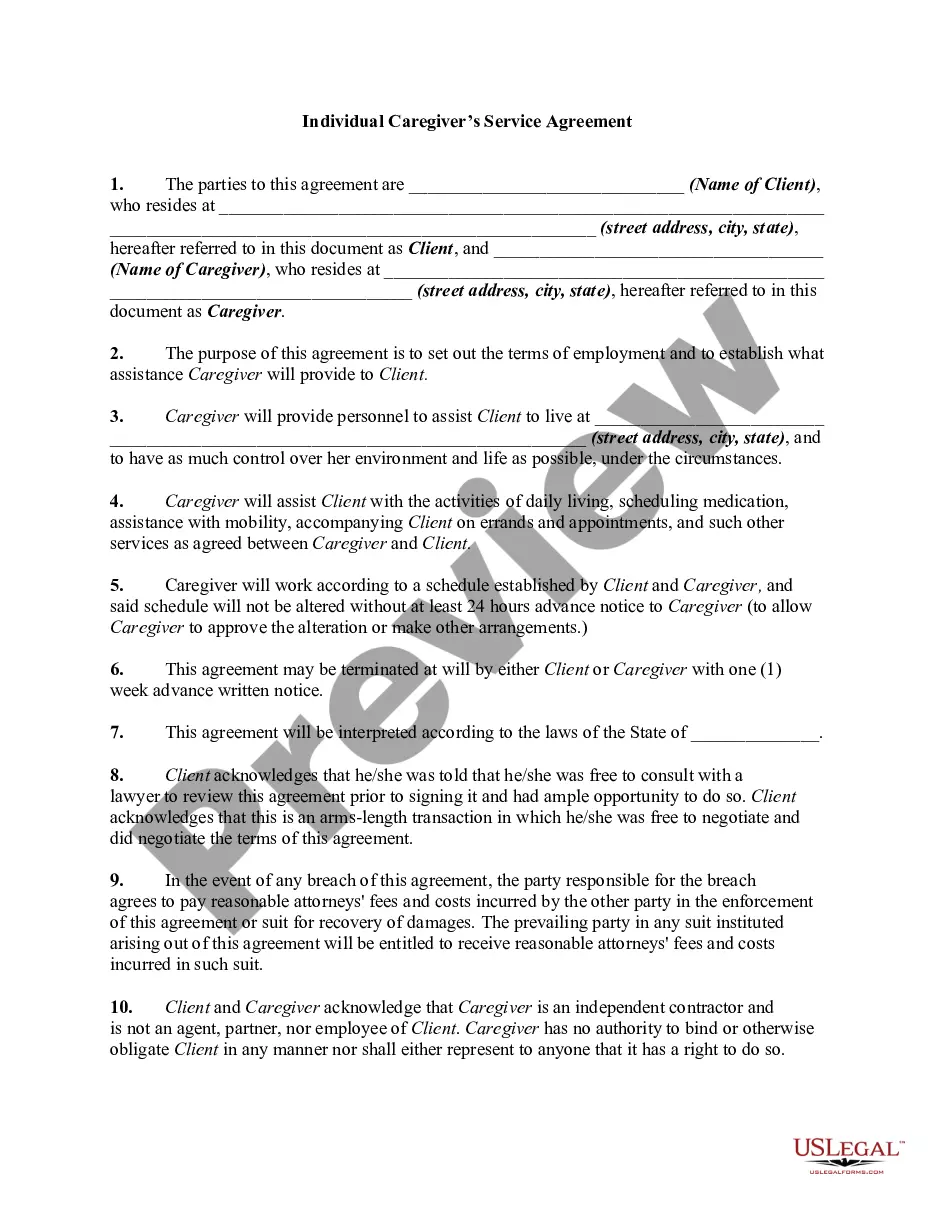


Get your form ready online
Our built-in tools help you complete, sign, share, and store your documents in one place.
Make edits, fill in missing information, and update formatting in US Legal Forms—just like you would in MS Word.
Download a copy, print it, send it by email, or mail it via USPS—whatever works best for your next step.
Sign and collect signatures with our SignNow integration. Send to multiple recipients, set reminders, and more. Go Premium to unlock E-Sign.
If this form requires notarization, complete it online through a secure video call—no need to meet a notary in person or wait for an appointment.
We protect your documents and personal data by following strict security and privacy standards.

Make edits, fill in missing information, and update formatting in US Legal Forms—just like you would in MS Word.

Download a copy, print it, send it by email, or mail it via USPS—whatever works best for your next step.

Sign and collect signatures with our SignNow integration. Send to multiple recipients, set reminders, and more. Go Premium to unlock E-Sign.

If this form requires notarization, complete it online through a secure video call—no need to meet a notary in person or wait for an appointment.

We protect your documents and personal data by following strict security and privacy standards.
Looking for another form?










Form popularity
FAQ
A home care contract is a formal agreement that outlines the specific services to be provided, the roles of the caregiver, and the expectations of the care recipient. The primary purpose of these contracts is to prevent misunderstandings and conflicts regarding caregiving tasks and compensation.
Homecare (home care, in-home care), also known as domiciliary care, personal care or social care, is health care or supportive care provided in the individual home where the patient or client is living, generally focusing on paramedical aid by professional caregivers, assistance in daily living for ill, disabled or ...
A caregiver agreement should include: Service start date. List of caregiving services. Frequency of service. A legal and financial plan. A termination clause. Backup plan for caretaker absence.
It must be signed by both the care recipient and the person agreeing to perform the services. (If the recipient is unable to sign due to mental incapacity, their power of attorney may sign on their behalf.) All signatures on the contractual agreement must be notarized at the time of signing.
The personal care agreement is most commonly between an adult child or and his/her parent, but other relatives may be involved, such as an adult grandchild caring for a grandparent. Drawing up an agreement clarifies for a family what tasks are expected in return for a stated compensation.
The most common types of home care services include companionship, personal care assistance, medication management, meal preparation, and light housekeeping.
The agreement outlines the role and responsibilities of the Shared Lives (SL) Carer(s) in working with the SL Service and the role and responsibilities that the SL Service has in supporting and working with the SL Carer(s).
