Caregiver Deal With Nose Bleeding In Alameda
Description



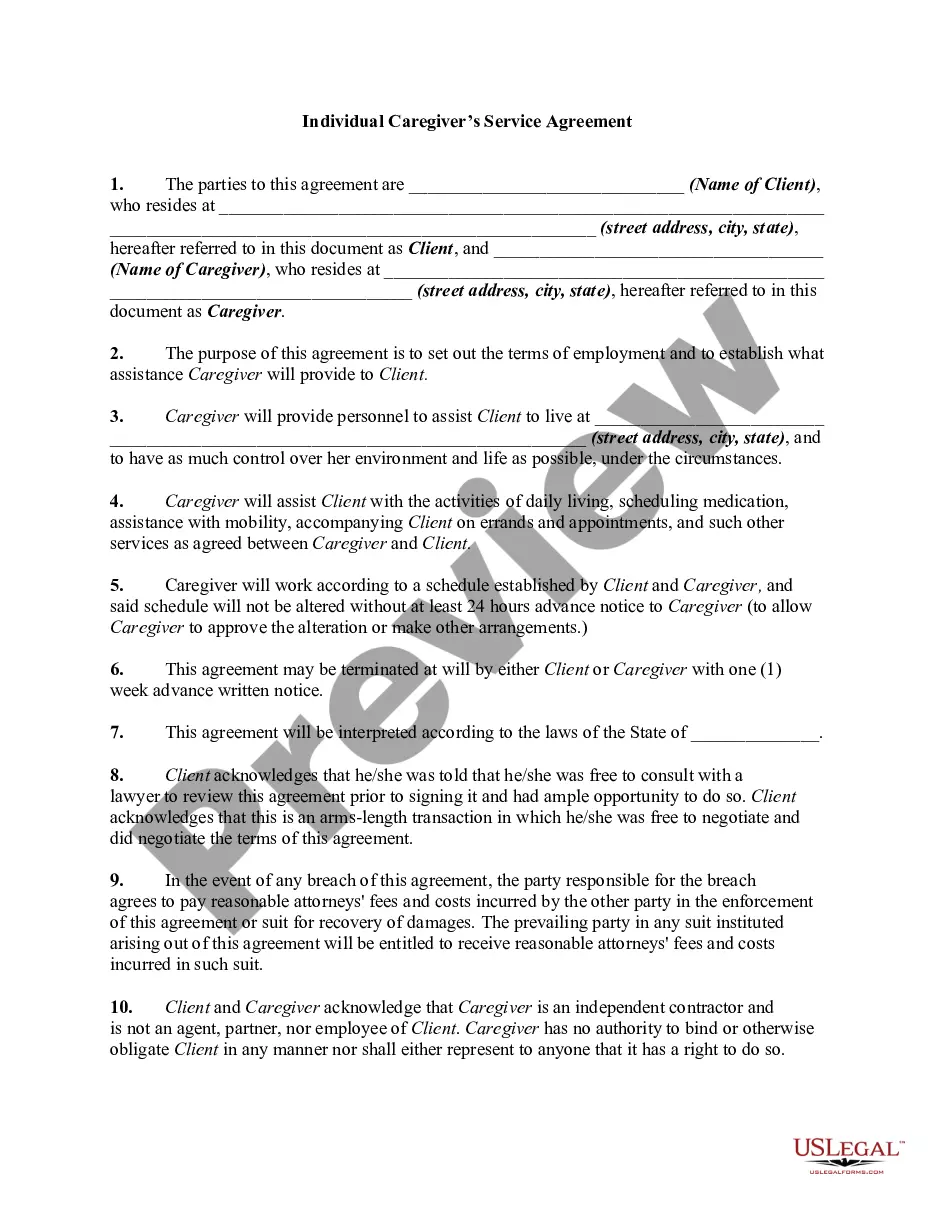


Get your form ready online
Our built-in tools help you complete, sign, share, and store your documents in one place.
Make edits, fill in missing information, and update formatting in US Legal Forms—just like you would in MS Word.
Download a copy, print it, send it by email, or mail it via USPS—whatever works best for your next step.
Sign and collect signatures with our SignNow integration. Send to multiple recipients, set reminders, and more. Go Premium to unlock E-Sign.
If this form requires notarization, complete it online through a secure video call—no need to meet a notary in person or wait for an appointment.
We protect your documents and personal data by following strict security and privacy standards.

Make edits, fill in missing information, and update formatting in US Legal Forms—just like you would in MS Word.

Download a copy, print it, send it by email, or mail it via USPS—whatever works best for your next step.

Sign and collect signatures with our SignNow integration. Send to multiple recipients, set reminders, and more. Go Premium to unlock E-Sign.

If this form requires notarization, complete it online through a secure video call—no need to meet a notary in person or wait for an appointment.

We protect your documents and personal data by following strict security and privacy standards.
Looking for another form?







Form popularity
FAQ
Tilt the child's head slightly forward. Do not ask the child to lean back. This may cause blood to flow down the back of the throat, which tastes bad and may cause gagging, coughing or vomiting. Gently pinch the soft part of the child's nose, just below the bony ridge, with a tissue or clean washcloth.
Treatment Sit up and lean forward. Keep the head up. Gently blow your nose. This will clear any blood clots. Pinch the nose. Use the thumb and a finger to pinch both nostrils shut. Prevent another nosebleed. Don't pick or blow the nose. If you have another nosebleed, try first-aid steps again.
Key Recommendations. Individuals with a nosebleed who require prompt management should receive treatment for active bleeding with firm sustained compression to the lower third of the nose, with or without the assistance of the patient or caregiver, for 5 minutes or longer.
Squeeze the nostrils closed for 5 to 10 minutes. Don't stop pinching to check if bleeding has stopped. Run a cool mist humidifier in your child's room at night, if the air in your home is dry. Teach your child not to pick their nose or blow it too hard.
First aid management for nosebleeds Sit the person up straight and drop their head slightly forward. Apply finger and thumb pressure on the soft part of nostrils below the bridge of the nose for at least 10 minutes. Encourage the person to breathe through their mouth while their nostrils are pinched.
Pinch the nose. Keep pinching for 10 to 15 minutes. Pinching puts pressure on the blood vessels and helps stop the blood flow. If the bleeding doesn't stop, pinch the nose again for up to 15 minutes. Don't let go for at least five minutes even to check if the bleeding has stopped.
Sit down at a table, lean forward and firmly pinch the soft part of your nose, just above your nostrils, for at least 10 to 15 minutes. Lean forward and breathe through your mouth. Spit out any blood that collects in your throat or mouth into a bowl. Do not swallow any blood.
Don't have your child lie down or lean their head back. This is to prevent them from swallowing blood. Swallowing blood may make your child . Squeeze the nostrils closed for 5 to 10 minutes.
Individuals with a nosebleed who require prompt management should receive treatment for active bleeding with firm sustained compression to the lower third of the nose, with or without the assistance of the patient or caregiver, for 5 minutes or longer.
Don't stuff tissues or another material into the nose to stop the bleeding. Firmly pinch the soft part of your child's nose—using a cold compress if you have one, otherwise your fingers—and keep the pressure on for a full 10 minutes.
