Consent With Work In Santa Clara
Description
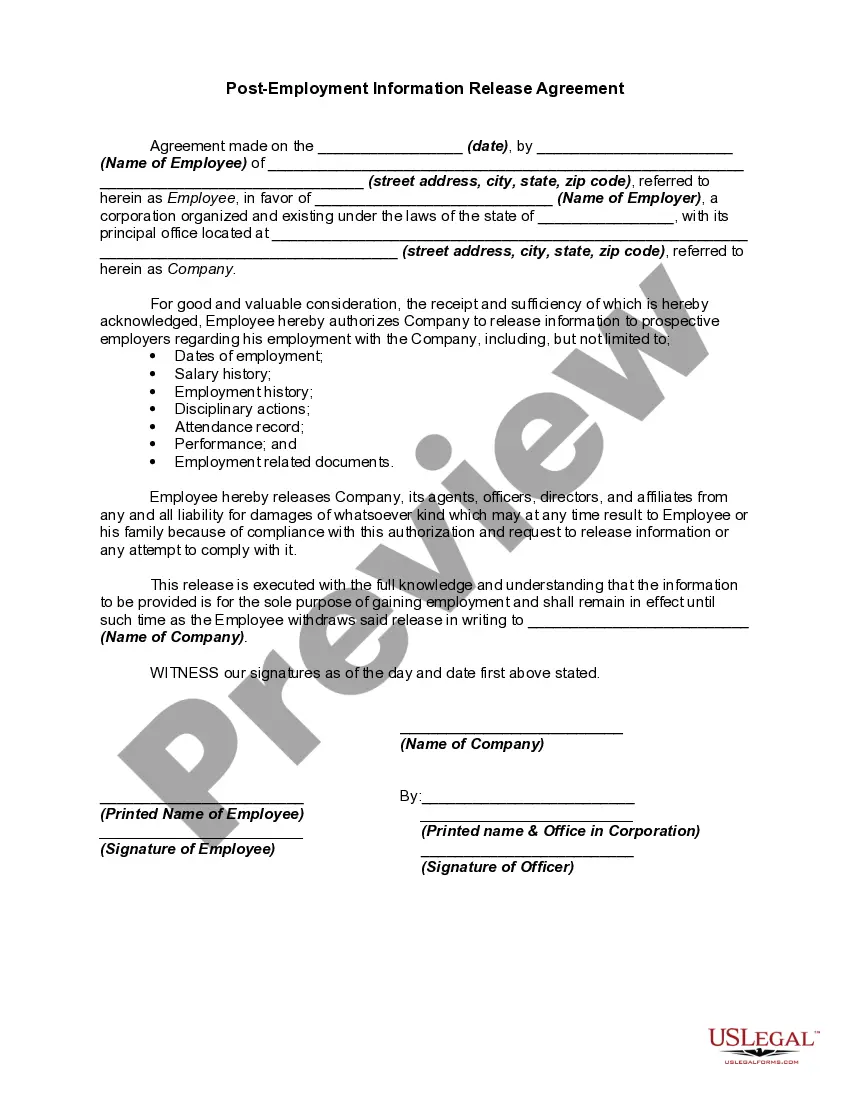
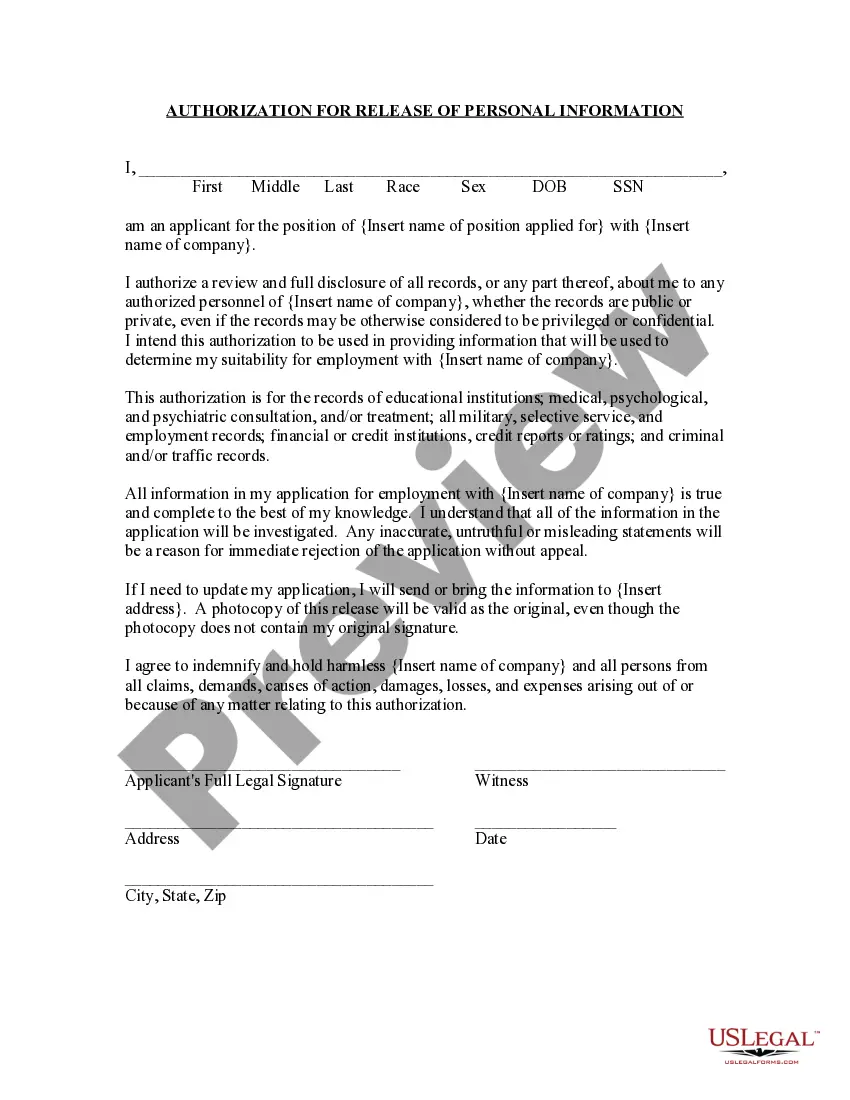
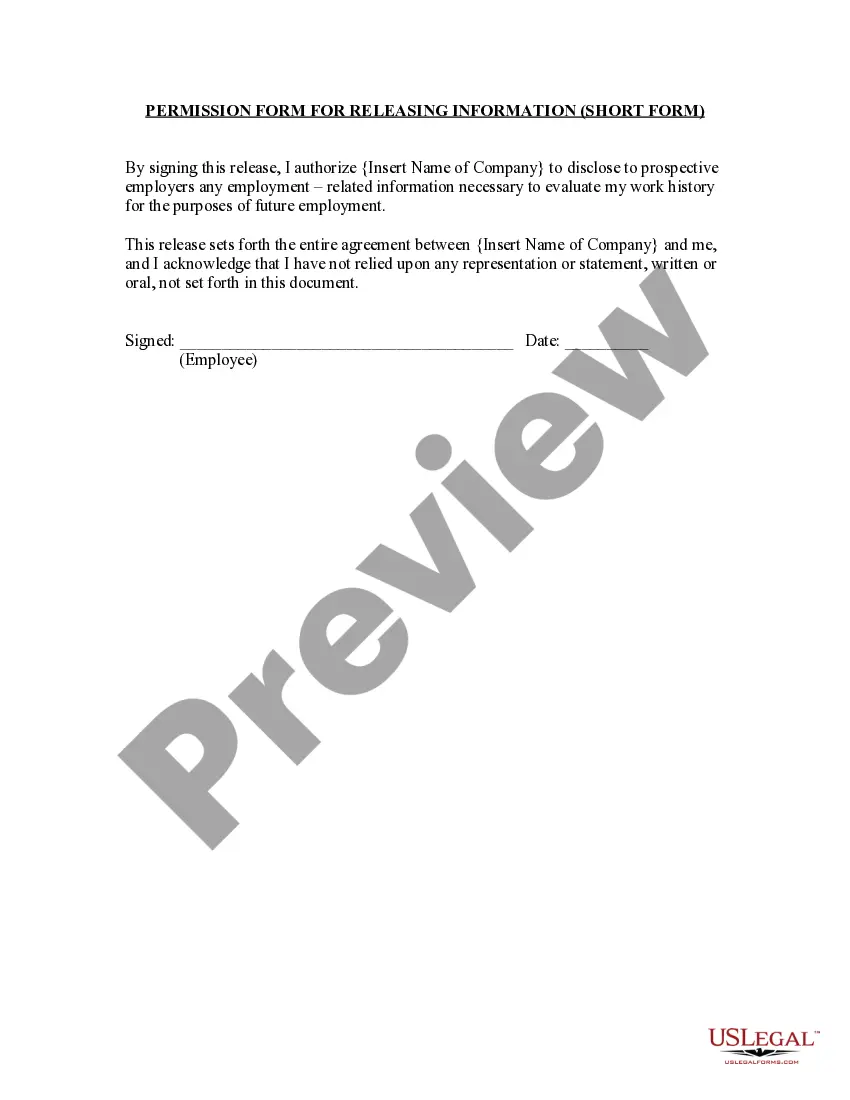
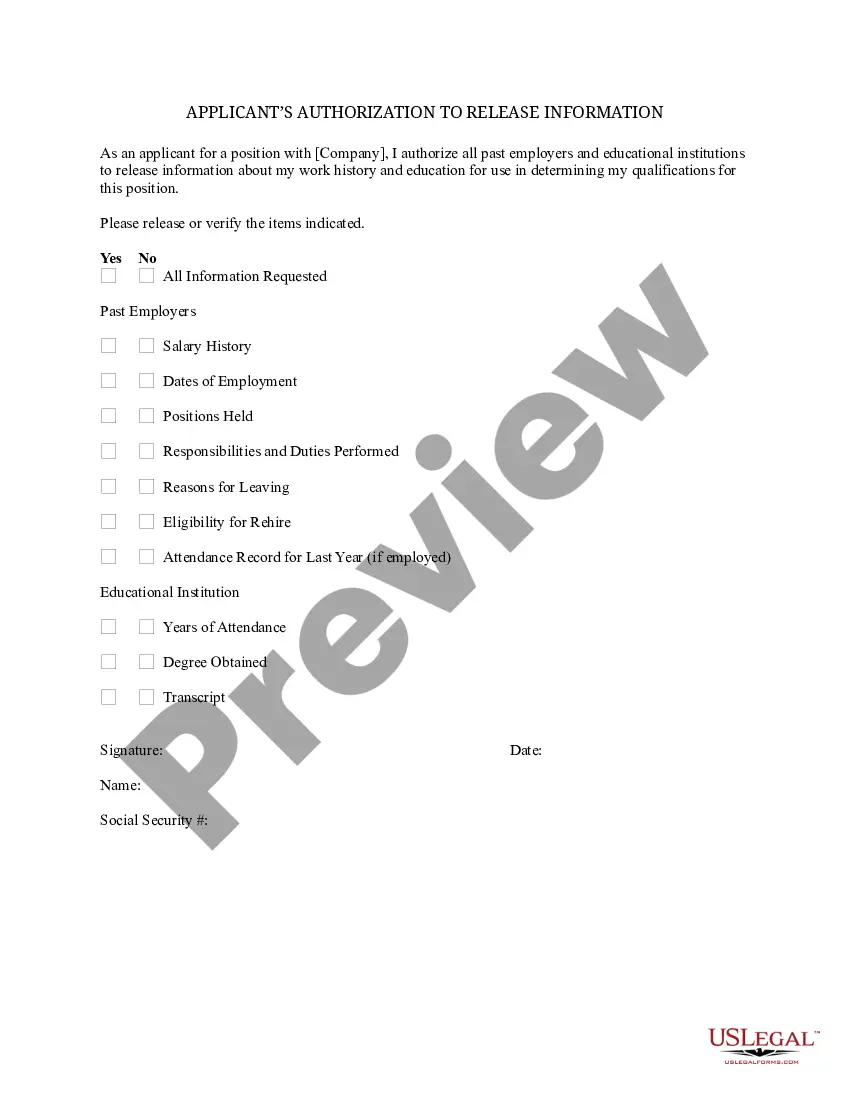
Get your form ready online
Our built-in tools help you complete, sign, share, and store your documents in one place.
Make edits, fill in missing information, and update formatting in US Legal Forms—just like you would in MS Word.
Download a copy, print it, send it by email, or mail it via USPS—whatever works best for your next step.
Sign and collect signatures with our SignNow integration. Send to multiple recipients, set reminders, and more. Go Premium to unlock E-Sign.
If this form requires notarization, complete it online through a secure video call—no need to meet a notary in person or wait for an appointment.
We protect your documents and personal data by following strict security and privacy standards.

Make edits, fill in missing information, and update formatting in US Legal Forms—just like you would in MS Word.

Download a copy, print it, send it by email, or mail it via USPS—whatever works best for your next step.

Sign and collect signatures with our SignNow integration. Send to multiple recipients, set reminders, and more. Go Premium to unlock E-Sign.

If this form requires notarization, complete it online through a secure video call—no need to meet a notary in person or wait for an appointment.

We protect your documents and personal data by following strict security and privacy standards.
Looking for another form?





Form popularity
FAQ
You may have grounds to sue someone or a company for recording you without your permission under certain circumstances. California's law, specifically Penal Code 632, prohibits the recording of confidential communications without the consent of all parties involved.
California's wiretapping law is a "two-party consent" law. California makes it a crime to record or eavesdrop on any confidential communication, including a private conversation or telephone call, without the consent of all parties to the conversation. See Cal. Penal Code § 632.
California is an all-party consent state. California is a “two-party consent” state, meaning it is illegal to record a conversation without all parties' consent. Without everyone's consent, you are unlawfully eavesdropping under California Penal Code 632 PC.
Consent, within the corporate context, refers to the explicit and voluntary agreement given by individuals regarding specific actions, decisions, or processes within the organizational environment. It involves a clear understanding of what is being asked and a willing, informed response.
California Is a Two-Party Consent State That means recording a conversation in person, over the phone or via online platforms without getting permission from all participants is illegal.
California's Electronic Communications Privacy Act (CalECPA) prohibits employers from accessing employees' personal email and electronic communications without consent. Employers must notify workers of any electronic monitoring and obtain their consent unless it is necessary for business-related purposes.
Due to the large number of applicants we receive each year, SCU does not offer in-person interviews on or off campus. We accept these interviews as an optional supplement to your application.
California Is a Two-Party Consent State That means recording a conversation in person, over the phone or via online platforms without getting permission from all participants is illegal.
The act of giving consent means that a person intends to allow, approve, agree, or is willing to comply with something. A consent form is a document that is signed by a person (or on behalf of the person whom they are a guardian) to show that they are in agreement with the contents of the document.
A consent letter should include the title, sender and recipient's details, date, statement of consent, relevant details or conditions, acknowledgment of risks (if applicable), and signature.

