Employment Agreement With In Philadelphia
Description
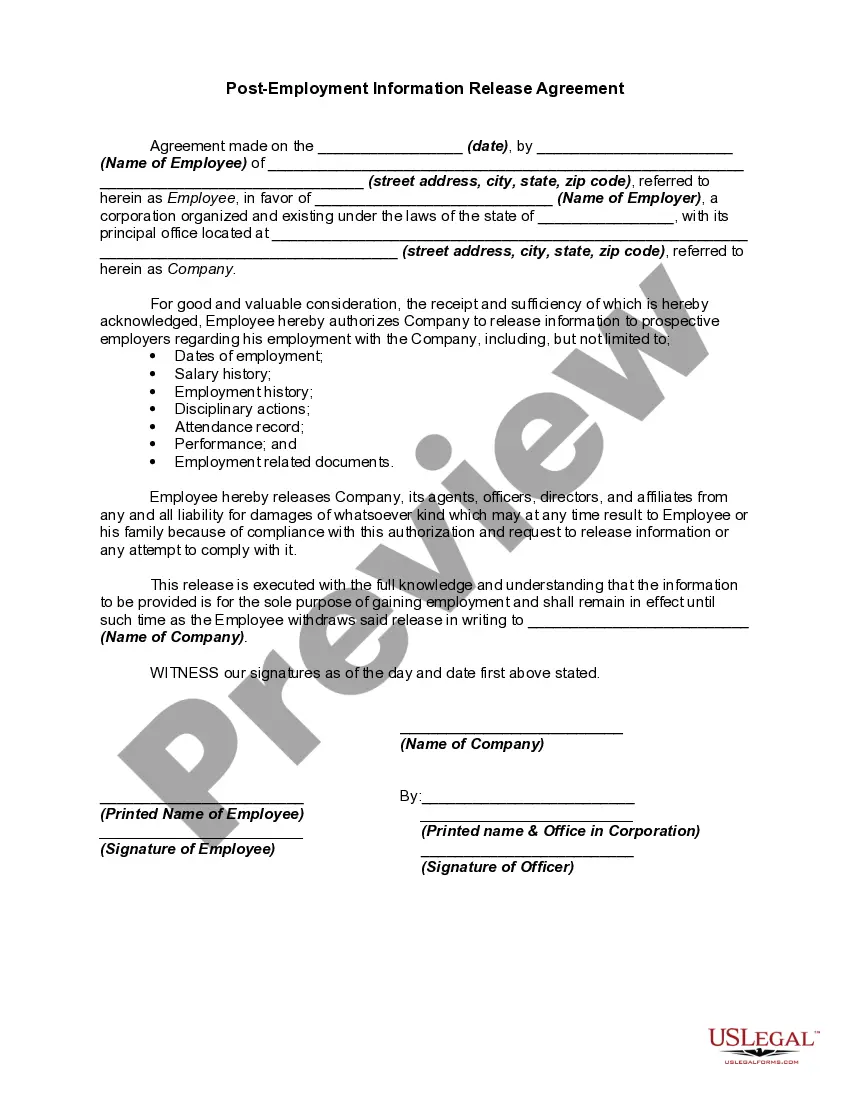
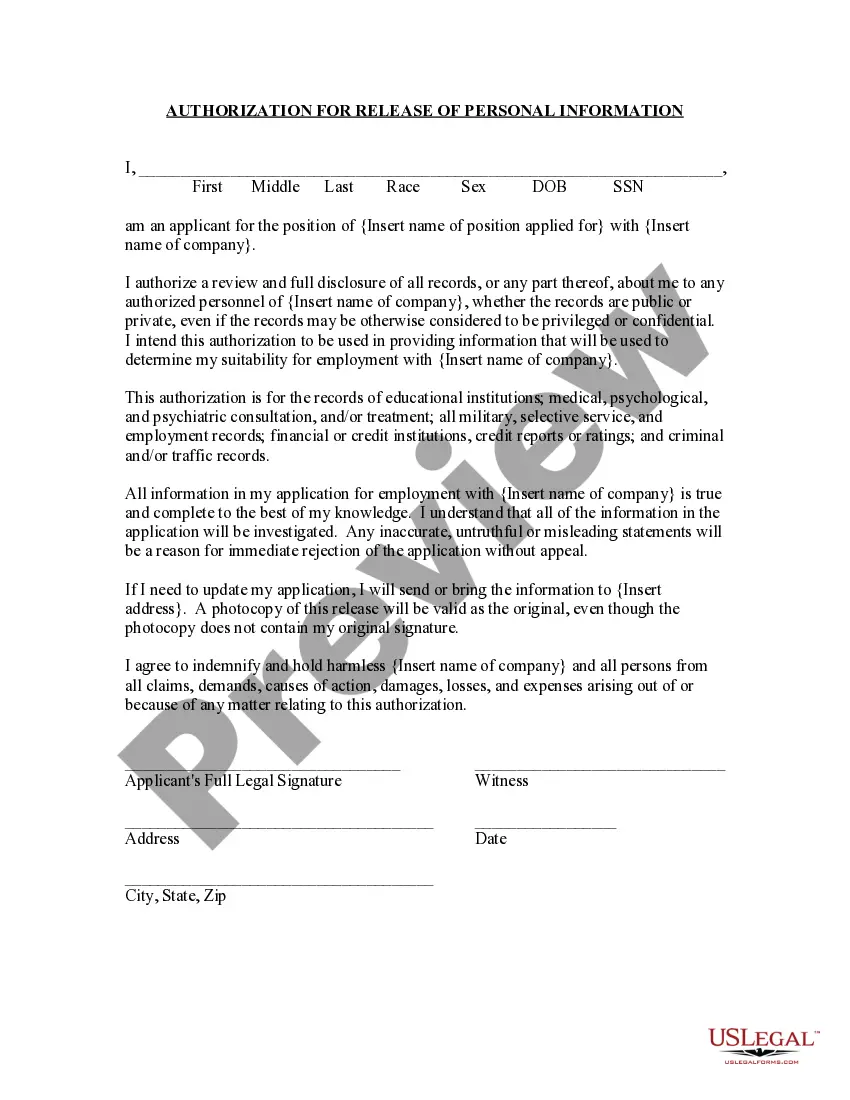
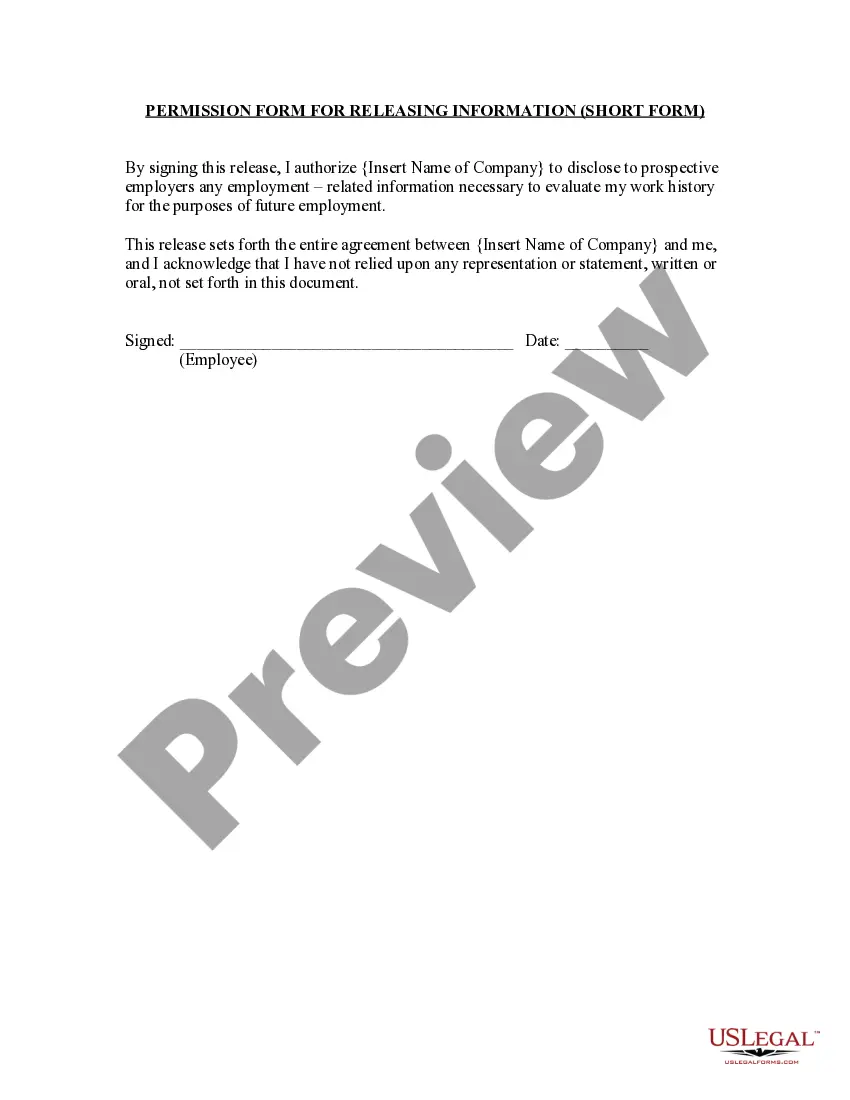
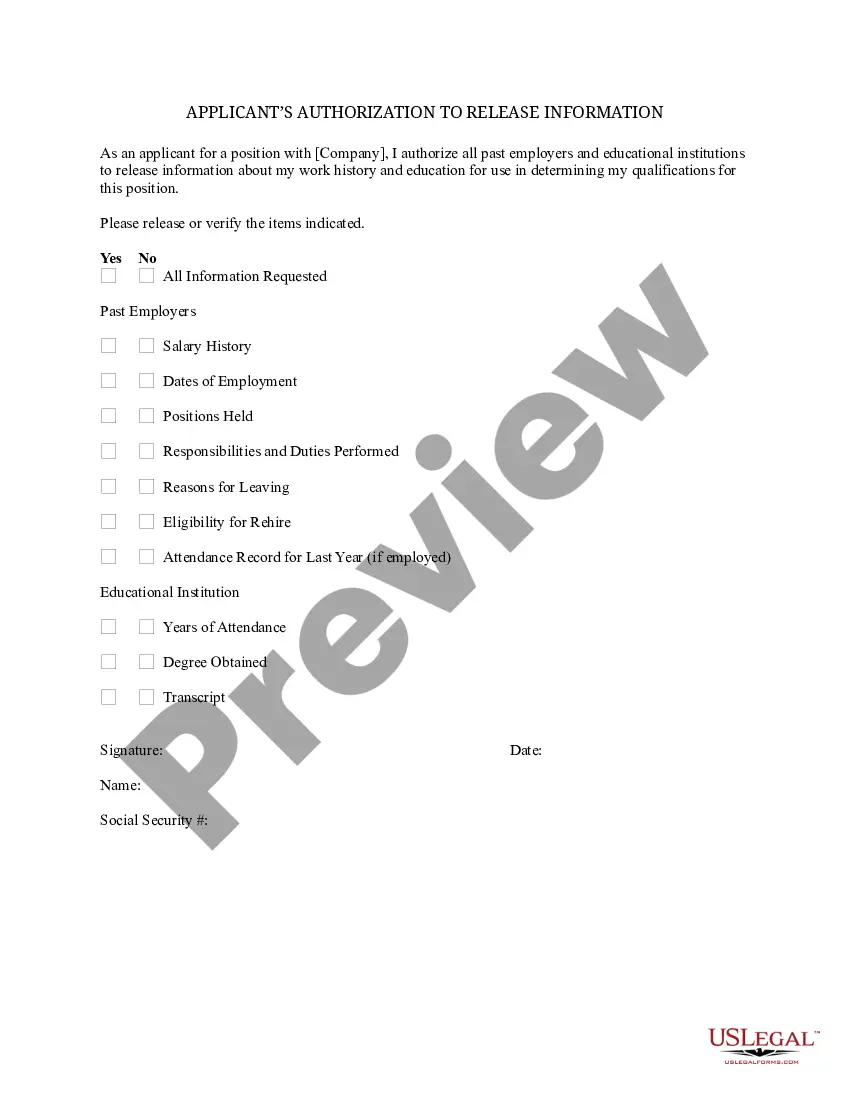
Get your form ready online
Our built-in tools help you complete, sign, share, and store your documents in one place.
Make edits, fill in missing information, and update formatting in US Legal Forms—just like you would in MS Word.
Download a copy, print it, send it by email, or mail it via USPS—whatever works best for your next step.
Sign and collect signatures with our SignNow integration. Send to multiple recipients, set reminders, and more. Go Premium to unlock E-Sign.
If this form requires notarization, complete it online through a secure video call—no need to meet a notary in person or wait for an appointment.
We protect your documents and personal data by following strict security and privacy standards.

Make edits, fill in missing information, and update formatting in US Legal Forms—just like you would in MS Word.

Download a copy, print it, send it by email, or mail it via USPS—whatever works best for your next step.

Sign and collect signatures with our SignNow integration. Send to multiple recipients, set reminders, and more. Go Premium to unlock E-Sign.

If this form requires notarization, complete it online through a secure video call—no need to meet a notary in person or wait for an appointment.

We protect your documents and personal data by following strict security and privacy standards.
Looking for another form?




Form popularity
FAQ
Contracting involves companies hiring individuals to perform services for a predetermined period. Unlike full-time salaried workers who usually work on an ongoing basis, contract workers usually have a start and end date for the project they have been assigned.
Contracts are promises that the law will enforce. Contract law is generally governed by state common law , and while general overall contract law is common throughout the country, some specific court interpretations of a particular element of the contract may vary between the states.
Contract-to-hire means the employee is placed in a short-term position for a set period of time, with the possibility of being hired full-time when the contract ends.
Not All Employment in the USA Requires a Contract In fact, there is no requirement under U.S. law that an employee has a written contract whenever there is an employer-employee relationship.
Under the laws of the United States, there are no minimum requirements for an employment contract. Also, in most states, no written memorialisation of any terms is required.
In Pennsylvania (like a number of other states), workers will generally be considered to be “at will” employees unless they have an employment contract or statutory right that provides otherwise.
Typically, the answer is no. You have both signed a contract and must fulfill its terms. The only way out of the contract would be if the other party agreed to release you from it, if the contract allowed you to rescind it somehow, or if you sued to allow you to back out of the contract.
Contractual Obligations: Signing a job offer can create a binding agreement. If you do not fulfill your obligation to start the job, the employer may consider this a breach of contract. Depending on the terms, they may have grounds to pursue legal action, though this is rare for typical job offers.
How to draft a contract between two parties: A step-by-step checklist Know your parties. Agree on the terms. Set clear boundaries. Spell out the consequences. Specify how you will resolve disputes. Cover confidentiality. Check the legality of the contract. Open it up to negotiation.
Every effective short term contract should clearly outline several essential elements: Terms of termination: Conditions under which either party may end the agreement early. Duration: The precise start and end dates of the employment period. Responsibilities: Detailed description of expected duties and deliverables.

