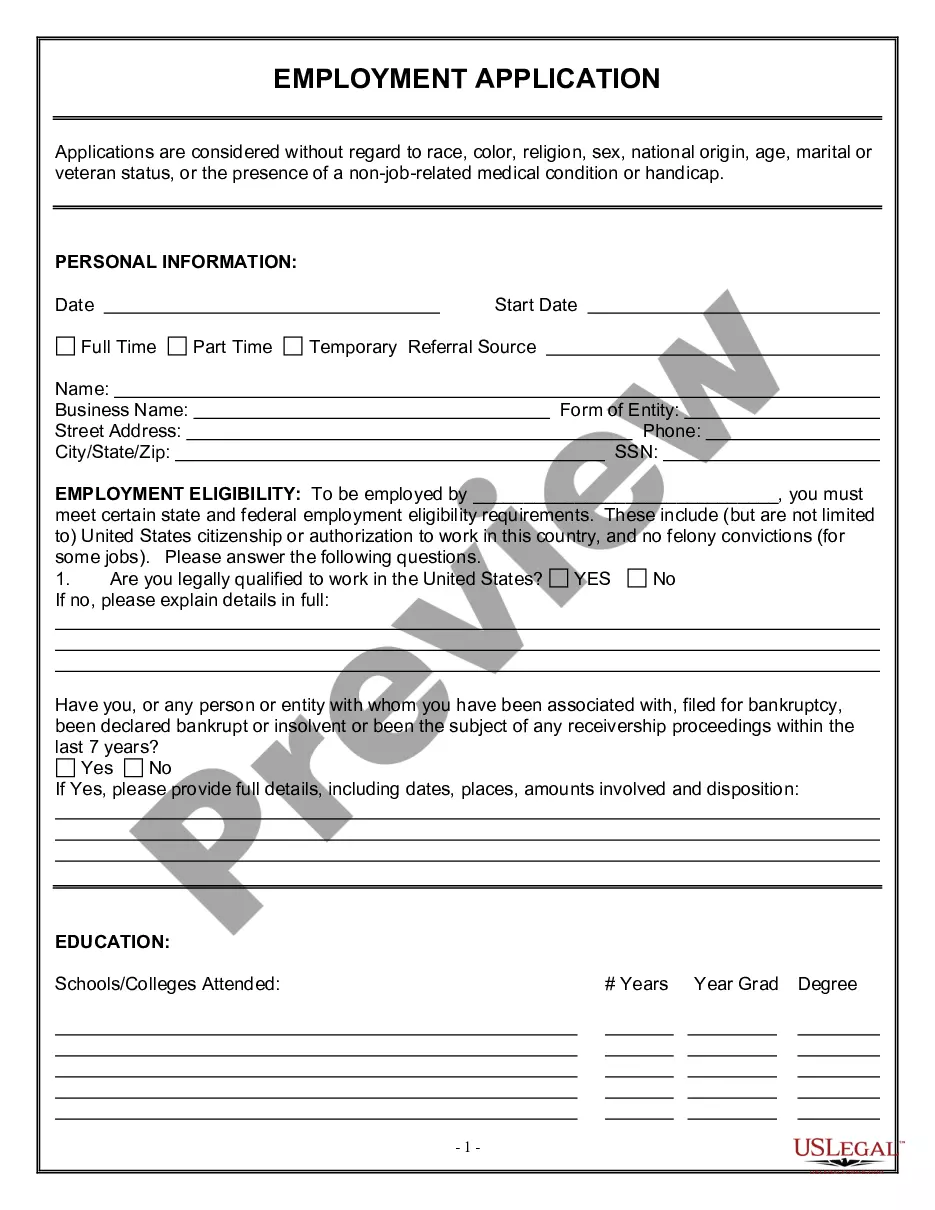
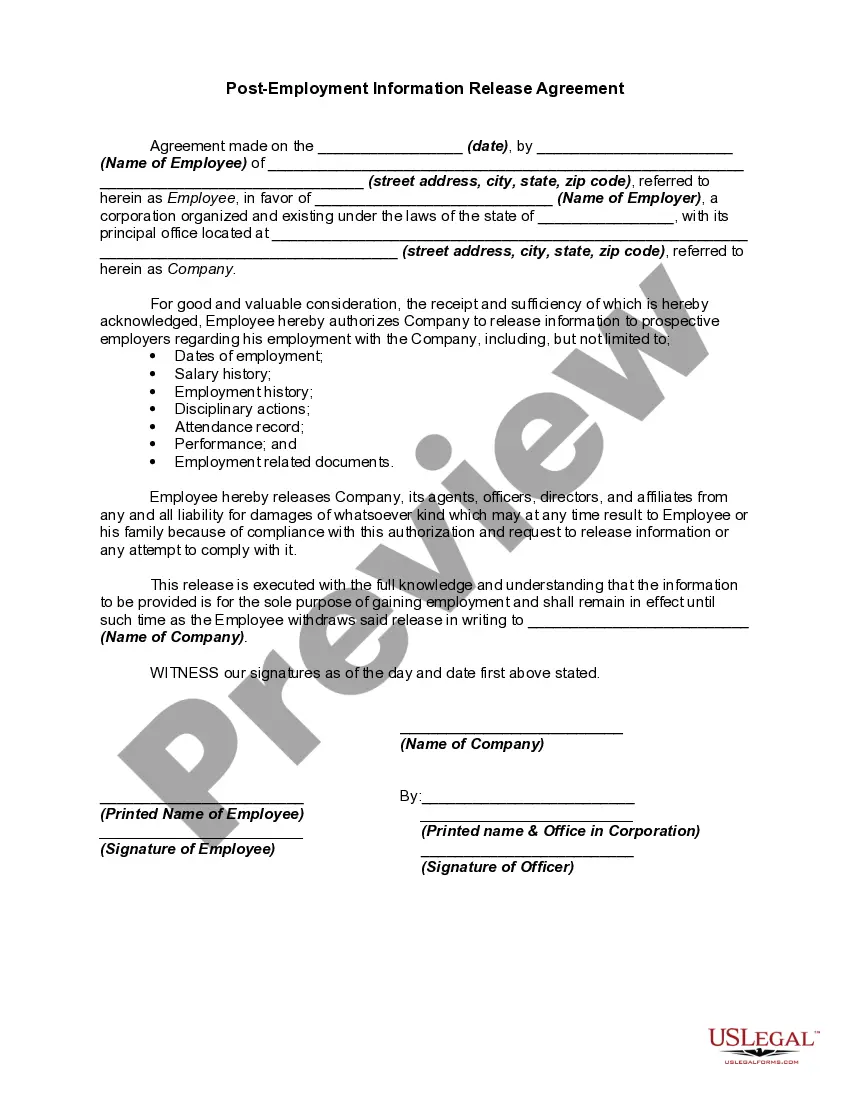
Employment Agreement Format In Philadelphia
Description
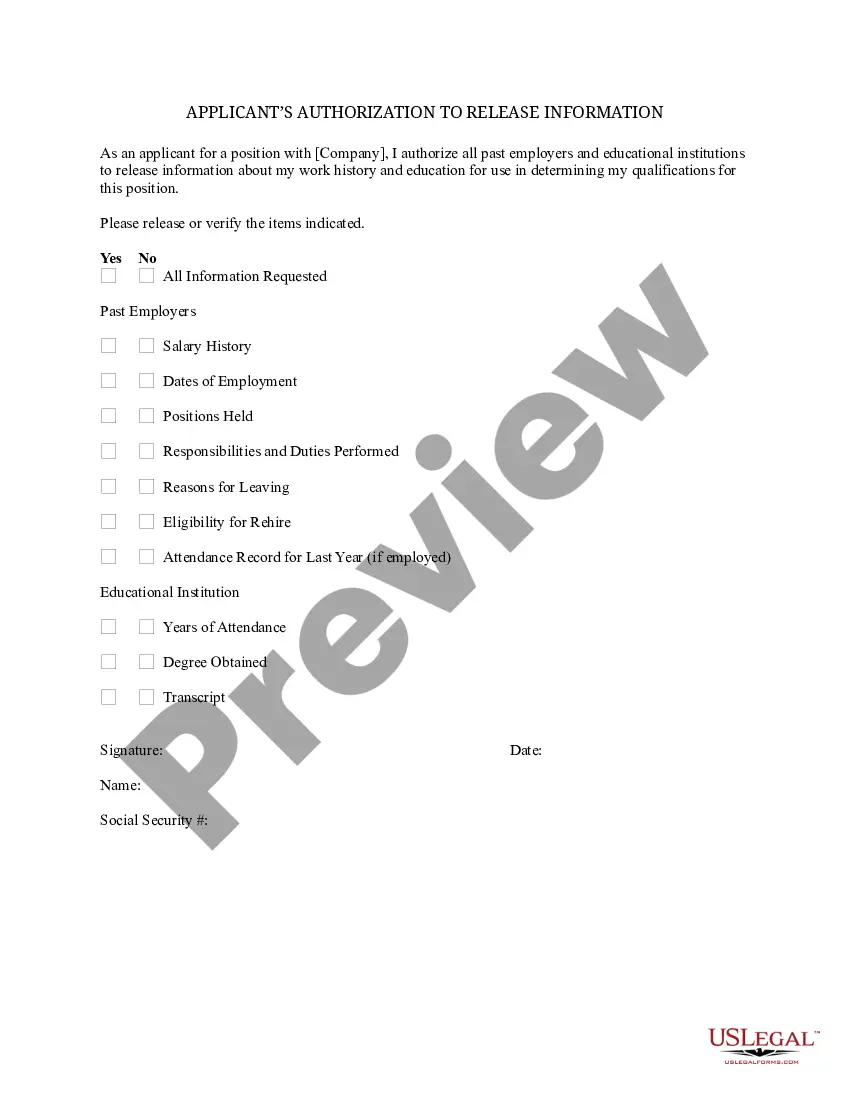
Get your form ready online
Our built-in tools help you complete, sign, share, and store your documents in one place.
Make edits, fill in missing information, and update formatting in US Legal Forms—just like you would in MS Word.
Download a copy, print it, send it by email, or mail it via USPS—whatever works best for your next step.
Sign and collect signatures with our SignNow integration. Send to multiple recipients, set reminders, and more. Go Premium to unlock E-Sign.
If this form requires notarization, complete it online through a secure video call—no need to meet a notary in person or wait for an appointment.
We protect your documents and personal data by following strict security and privacy standards.

Make edits, fill in missing information, and update formatting in US Legal Forms—just like you would in MS Word.

Download a copy, print it, send it by email, or mail it via USPS—whatever works best for your next step.

Sign and collect signatures with our SignNow integration. Send to multiple recipients, set reminders, and more. Go Premium to unlock E-Sign.

If this form requires notarization, complete it online through a secure video call—no need to meet a notary in person or wait for an appointment.

We protect your documents and personal data by following strict security and privacy standards.
Looking for another form?

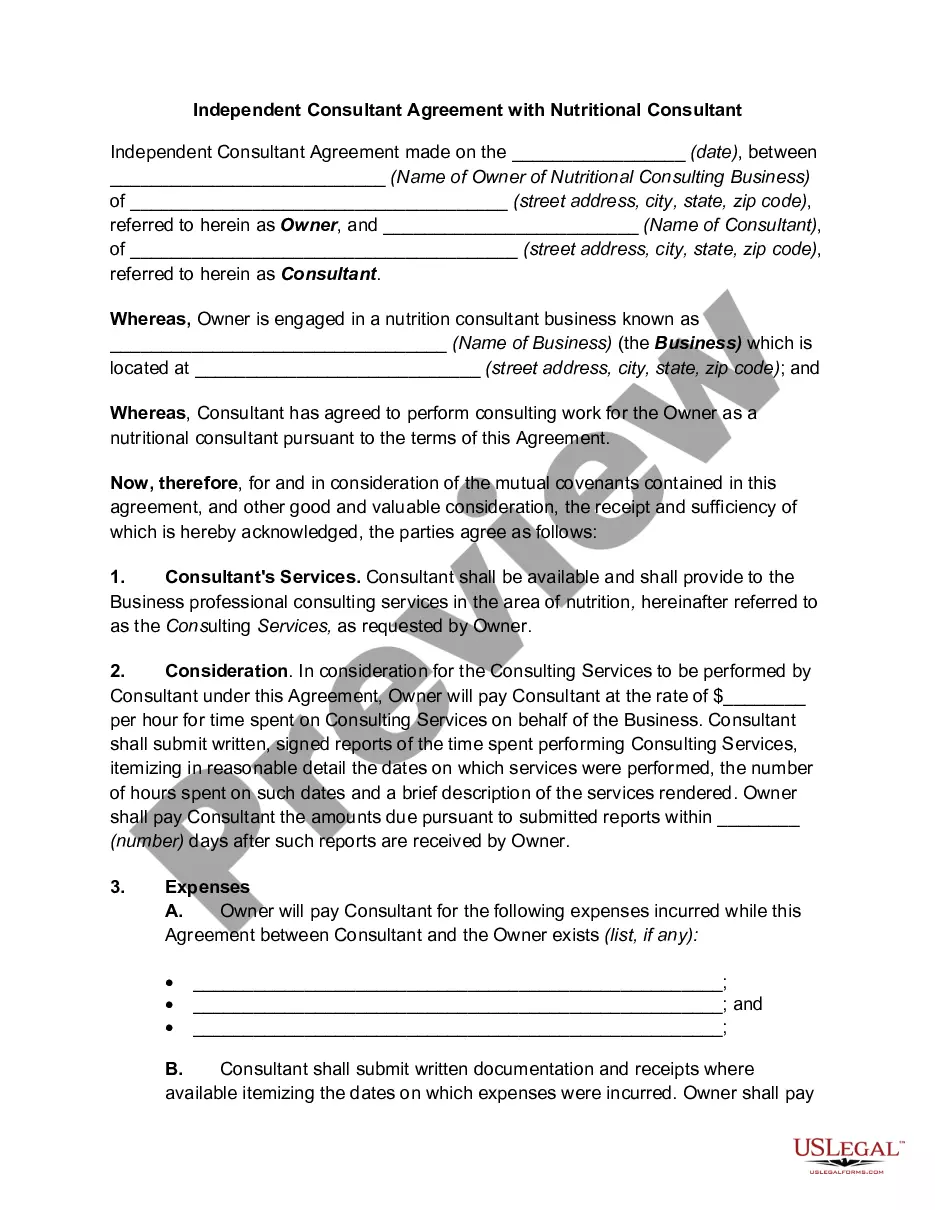





Form popularity
FAQ
The main difference between the two is that the term sheet is simply a document that outlines the terms that each party would like to include. In general, neither party will sign the document. On the other hand, a letter of intent consists of those terms, but it is signed by both parties involved.
A term sheet is a bullet-point document outlining the material terms and conditions of a potential business agreement, establishing the basis for future negotiations between a seller and buyer. It is usually the first documented evidence of a possible acquisition.
A term sheet is a document that outlines the terms of a proposed transaction. Often similar to an indication of interest (IOI) or a letter of intent (LOI), a term sheet serves as a basis for initial negotiations on critical issues like the target company's valuation and the structure of the prospective deal.
A term sheet is often the description used for the non-binding document in M&A or financing deals while MOU or LOI is used to describe the non-binding document in other commercial transactions. But do not be surprised if you find MOUs being used in M&A deals or term sheets being used in distributorship negotiations.
Employment contracts are generally drawn up by the company through their legal counsel. However, in many cases individuals who are hiring the employee can also choose to write their own contracts. In some cases, independent contractors or freelancers can provide their own contracts and terms of employment.
Here are some steps you may use to guide you when you write an employment contract: Title the employment contract. Identify the parties. List the term and conditions. Outline the job responsibilities. Include compensation details. Use specific contract terms. Consult with an employment lawyer. Employment.
Ing to Boundy (2012), typically, a written contract will include: Date of agreement. Names of parties to the agreement. Preliminary clauses. Defined terms. Main contract clauses. Schedules/appendices and signature provisions (para. 5).
Minimum requirements An employment contract is consensual and voluntary. It only requires mutuality of consent between the parties. Generally, employment contracts do not need to be in writing, except when the law or rules require.
As of 2024, 49 out of 50 states (plus the District of Columbia) follow at-will employment laws by default — with Montana being the sole exception.
In Pennsylvania (like a number of other states), workers will generally be considered to be “at will” employees unless they have an employment contract or statutory right that provides otherwise.