Release Of Information For Therapist In Orange
Description
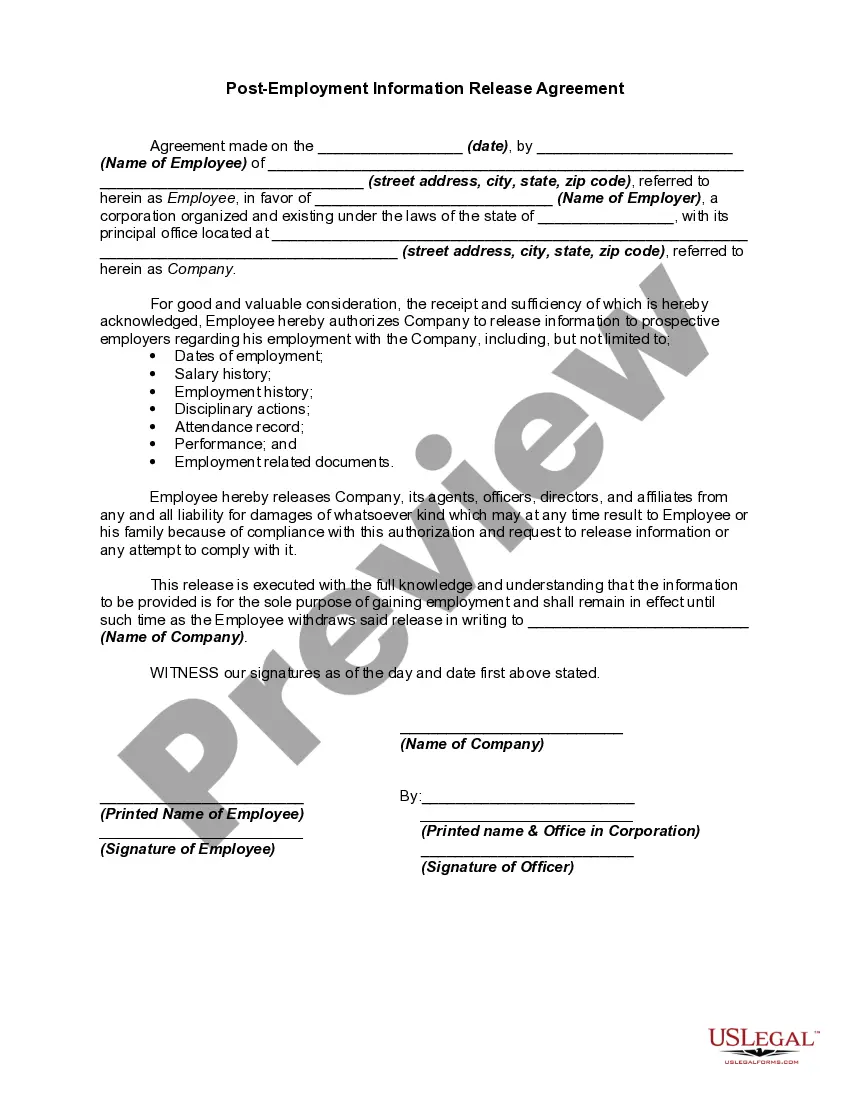
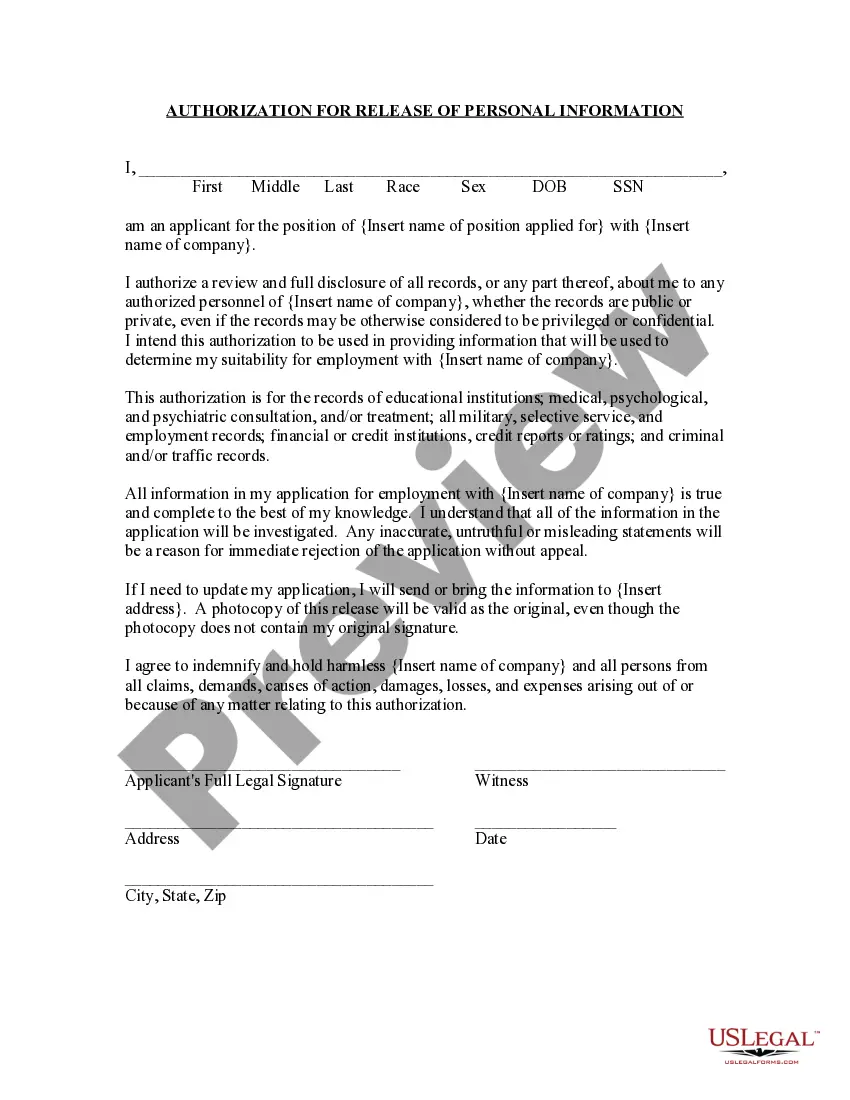
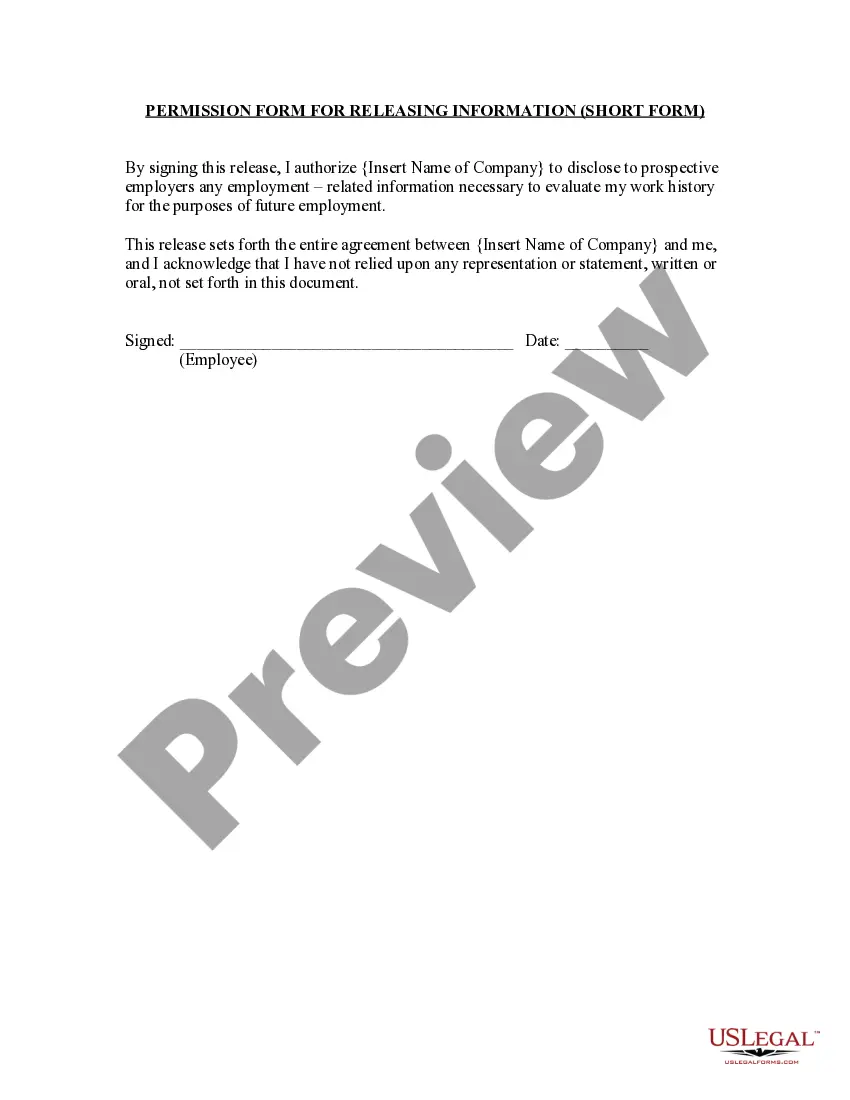
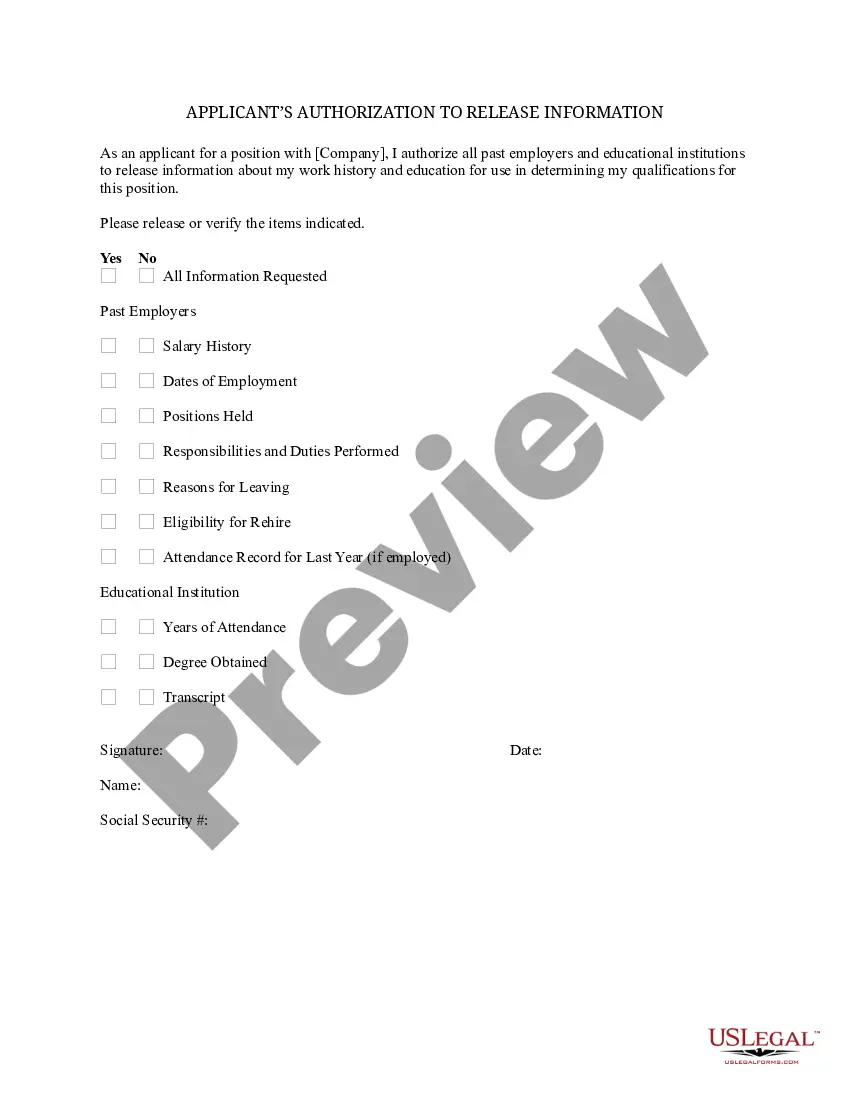
Get your form ready online
Our built-in tools help you complete, sign, share, and store your documents in one place.
Make edits, fill in missing information, and update formatting in US Legal Forms—just like you would in MS Word.
Download a copy, print it, send it by email, or mail it via USPS—whatever works best for your next step.
Sign and collect signatures with our SignNow integration. Send to multiple recipients, set reminders, and more. Go Premium to unlock E-Sign.
If this form requires notarization, complete it online through a secure video call—no need to meet a notary in person or wait for an appointment.
We protect your documents and personal data by following strict security and privacy standards.

Make edits, fill in missing information, and update formatting in US Legal Forms—just like you would in MS Word.

Download a copy, print it, send it by email, or mail it via USPS—whatever works best for your next step.

Sign and collect signatures with our SignNow integration. Send to multiple recipients, set reminders, and more. Go Premium to unlock E-Sign.

If this form requires notarization, complete it online through a secure video call—no need to meet a notary in person or wait for an appointment.

We protect your documents and personal data by following strict security and privacy standards.
Looking for another form?




Form popularity
FAQ
Self-disclosure can help therapists align with their clients, humanize them, normalize struggles, and introduce new perspectives (Metcalf, 2011). Self-disclosure can have several other positive points, including (Henretty et al., 2014): Revealing similarity between the client and counselor.
A Privacy Rule Authorization is an individual's signed permission to allow a covered entity to use or disclose the individual's protected health information (PHI) that is described in the Authorization for the purpose(s) and to the recipient(s) stated in the Authorization.
To request review or release of your CDCR health care records or information, you should complete a CDCR Form 7385 (Authorization for Release of Protected Health Information). A copy of the two-page 7385 form (last revised date 4/24) is attached to this information.
If you believe your client is suicidal or is a “clear and imminent danger” to himself or others, you have an obligation to report it to your supervisor, the client's primary care provider or the appropriate authorities.
The law in the State of California mandates that information may be appropriately shared when the following conditions exist: If you present an imminent threat of harm to yourself or others. When there is an indication of abuse of a child, dependent adult or elderly adult. If you become gravely disabled.
In terms of self-disclosure, it should only be done if it benefits the client and is something the therapist themselves have processed. In the end we can't be completely blank slates and it's best to limit it to things that would only benefit the client and not ourselves.
(a) Patients may authorize the release of their health care information by completing the CDCR 7385, Authorization for Release of Protected Health Information , to allow a family member or friend to request and receive an update when there is a significant change in the patient 's health care condition.
Release of information (ROI) allows patients to release information from their medical records to authorized individuals or organizations.

