Release Of Information Form Template In New York
Description
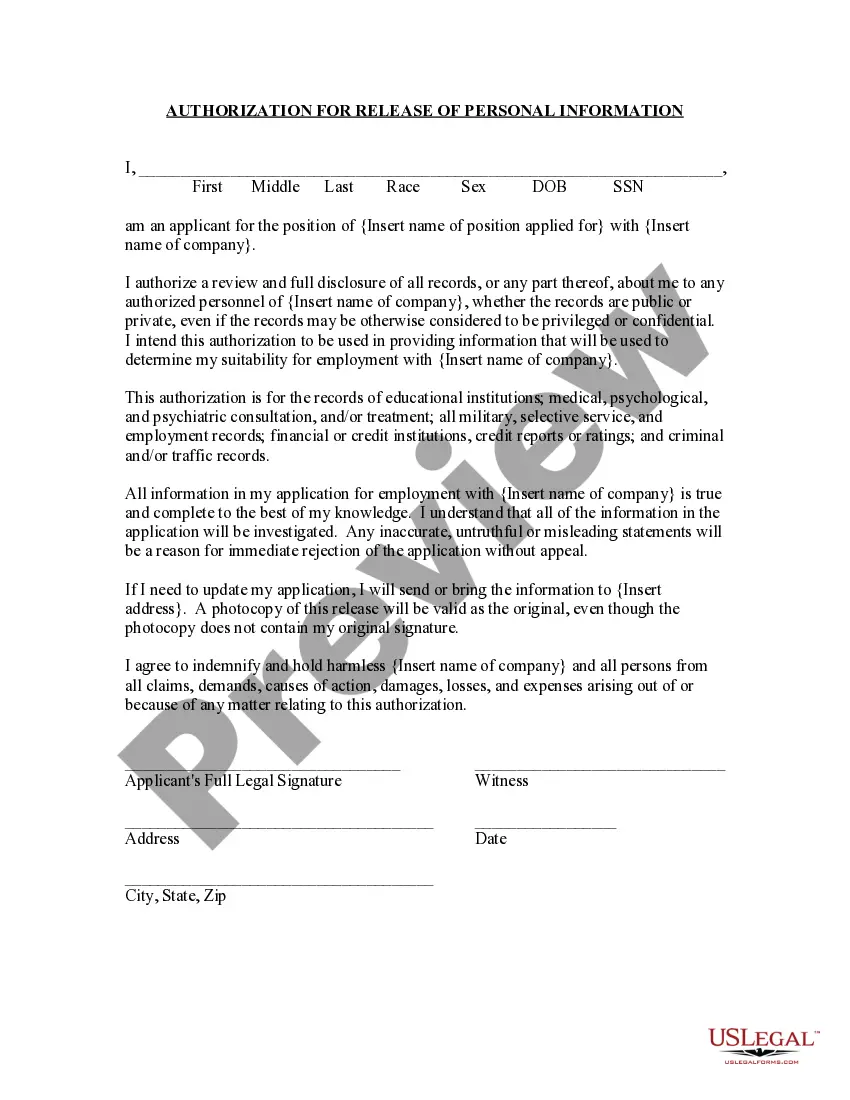
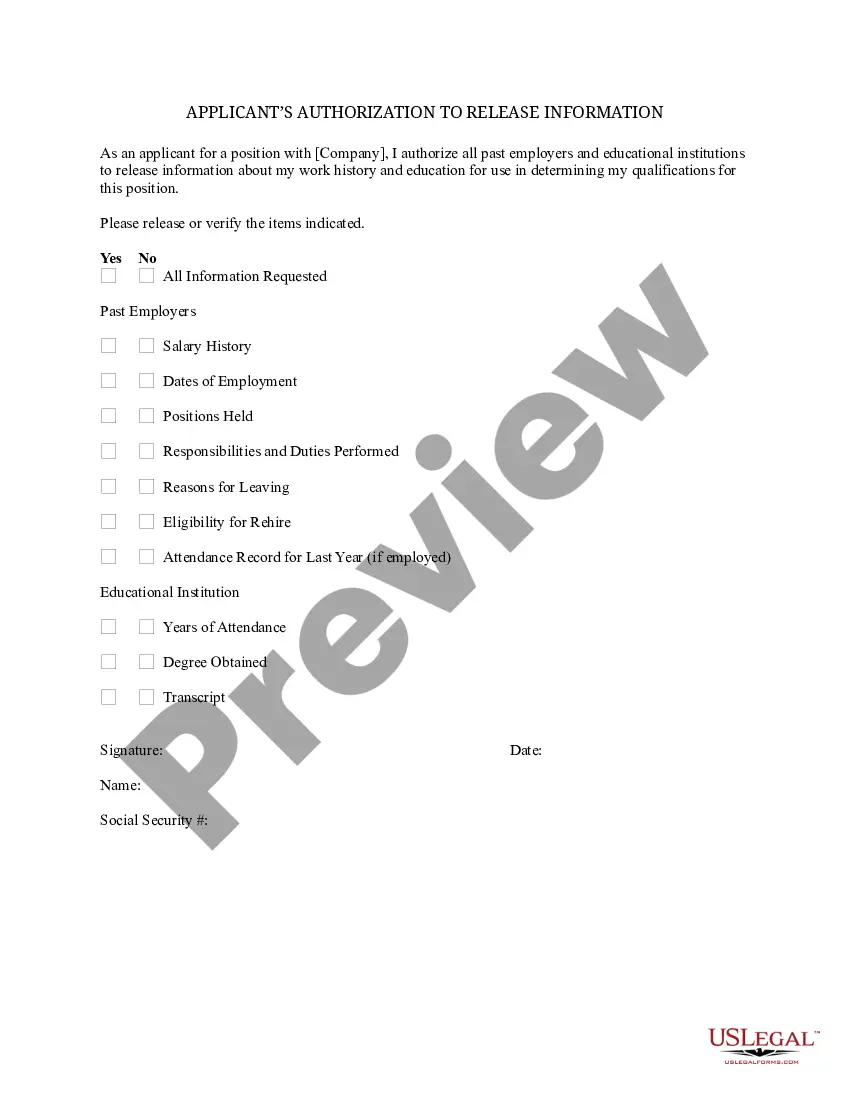
Get your form ready online
Our built-in tools help you complete, sign, share, and store your documents in one place.
Make edits, fill in missing information, and update formatting in US Legal Forms—just like you would in MS Word.
Download a copy, print it, send it by email, or mail it via USPS—whatever works best for your next step.
Sign and collect signatures with our SignNow integration. Send to multiple recipients, set reminders, and more. Go Premium to unlock E-Sign.
If this form requires notarization, complete it online through a secure video call—no need to meet a notary in person or wait for an appointment.
We protect your documents and personal data by following strict security and privacy standards.

Make edits, fill in missing information, and update formatting in US Legal Forms—just like you would in MS Word.

Download a copy, print it, send it by email, or mail it via USPS—whatever works best for your next step.

Sign and collect signatures with our SignNow integration. Send to multiple recipients, set reminders, and more. Go Premium to unlock E-Sign.

If this form requires notarization, complete it online through a secure video call—no need to meet a notary in person or wait for an appointment.

We protect your documents and personal data by following strict security and privacy standards.
Looking for another form?

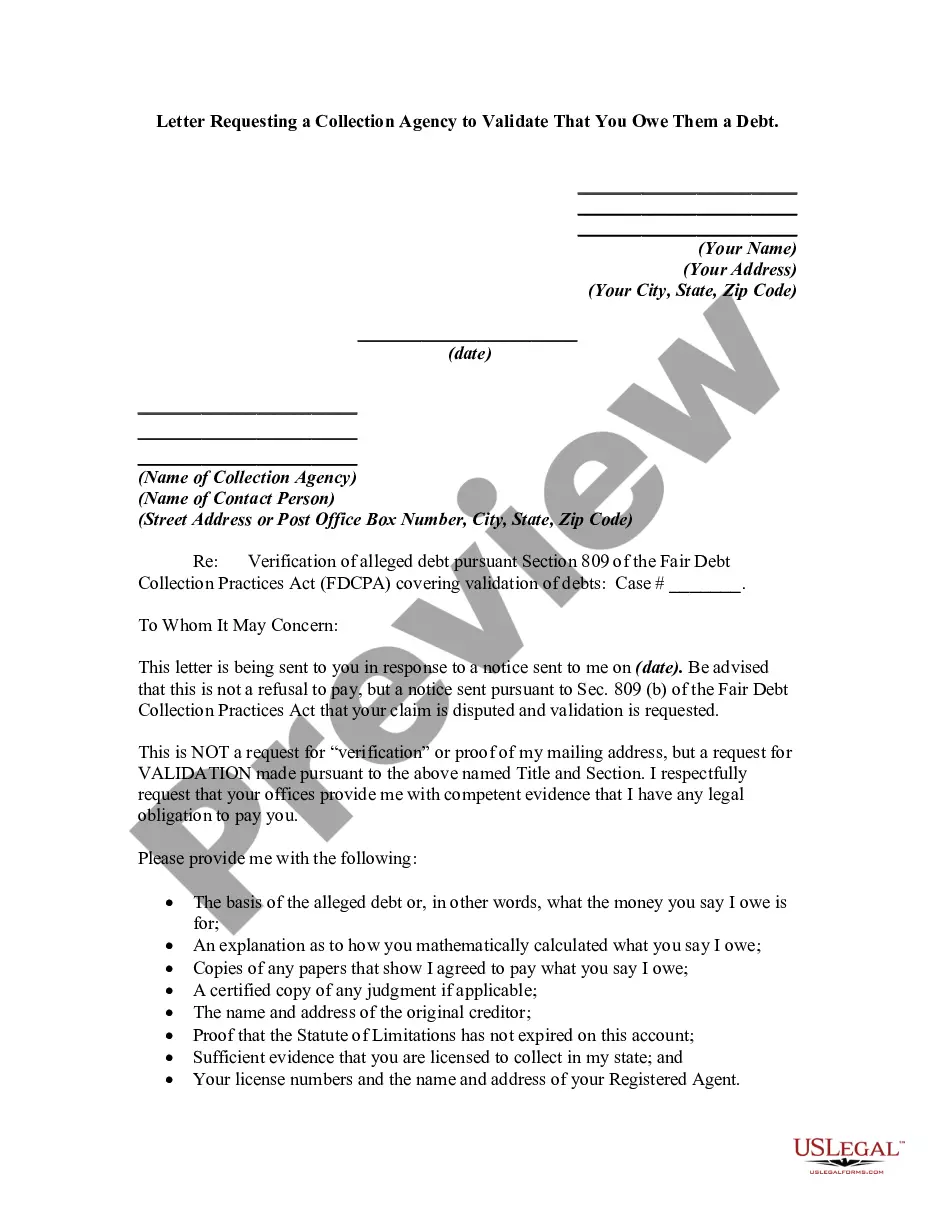


Form popularity
FAQ
Section 18 requires that within 10 days of a written request for access to records, the provider must give the qualified person the opportunity to inspect the records. Providers must also provide copies of records if copies are requested within a reasonable time frame.
To request a copy of a medical record from a hospital, call or write to the hospital holding the record. You must speak to the Medical Records Department and request a release of medical information authorization form from the hospital.
A Privacy Rule Authorization is an individual's signed permission to allow a covered entity to use or disclose the individual's protected health information (PHI) that is described in the Authorization for the purpose(s) and to the recipient(s) stated in the Authorization.
The Health Insurance Portability and Accountability Act (HIPAA) is a federal law that requires covered entities (e.g., private health care providers, health plans) to protect individuals' health records and other personal health information that the entities maintain or transmit.
I hereby authorize use or disclosure of protected health information about me as described below. I understand that the information used or disclosed may be subject to re-disclosure by the person or class of persons or facility receiving it, and would then no longer be protected by federal privacy regulations.
New York State Law requires all health care practitioners and facilities to allow patients to have access to their health records. However, some restrictions may apply. This form describes your rights, what information is available and how to appeal if access to health records is denied.
The NYS Department of Health, however, requires medical doctors to retain records for any adult patients for 6 years. Minor patients are kept for 6 years and until one year after the minor reaches the age of 18 (whichever is longer). For hospitals, medical records must be kept for six years from the date of discharge.
New York State Law requires all health care practitioners and facilities to allow patients to have access to their health records. However, some restrictions may apply. This form describes your rights, what information is available and how to appeal if access to health records is denied.
Requests for Client Records If you are submitting a request for Medicaid records specifically, please fill out and submit the OCA-960 Authorization for Release of Health Information Pursuant to HIPAA or other HIPAA-compliant form. Requests and forms should be submitted via email to HIPAA@dss.nyc.
