Employment Authorization With Daca In Miami-Dade
Description
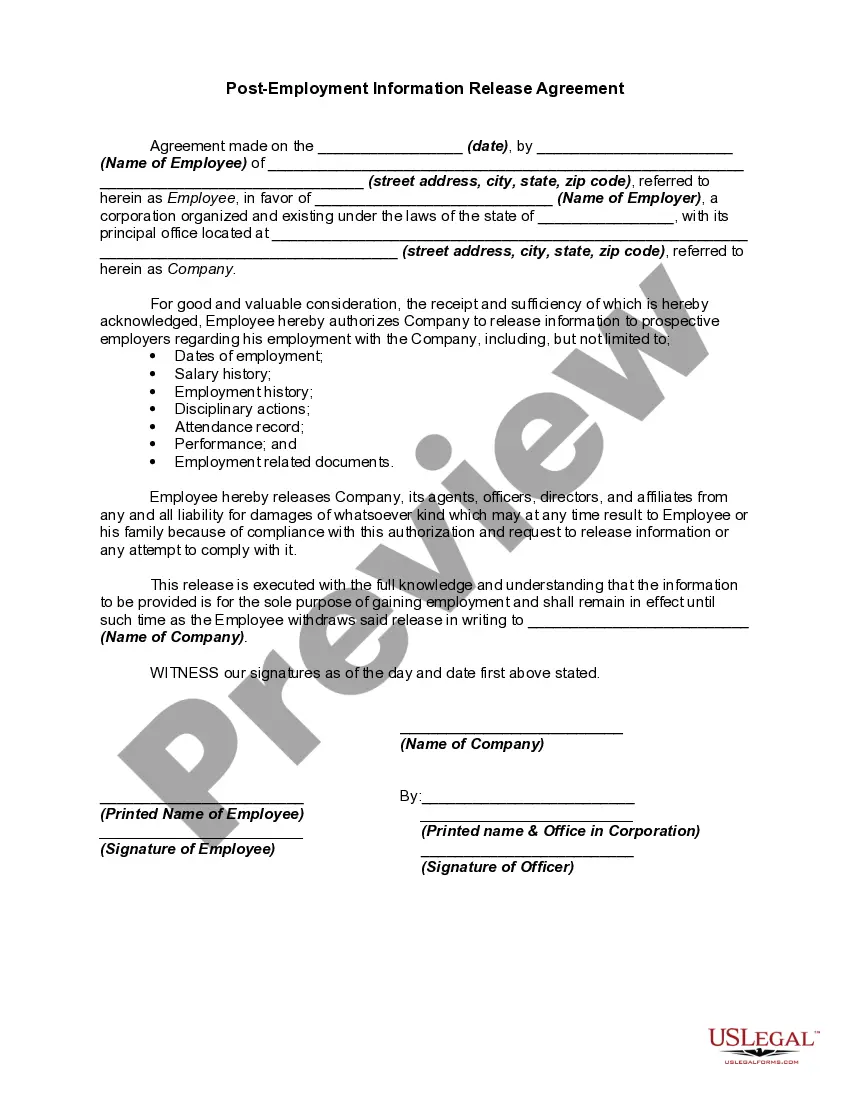
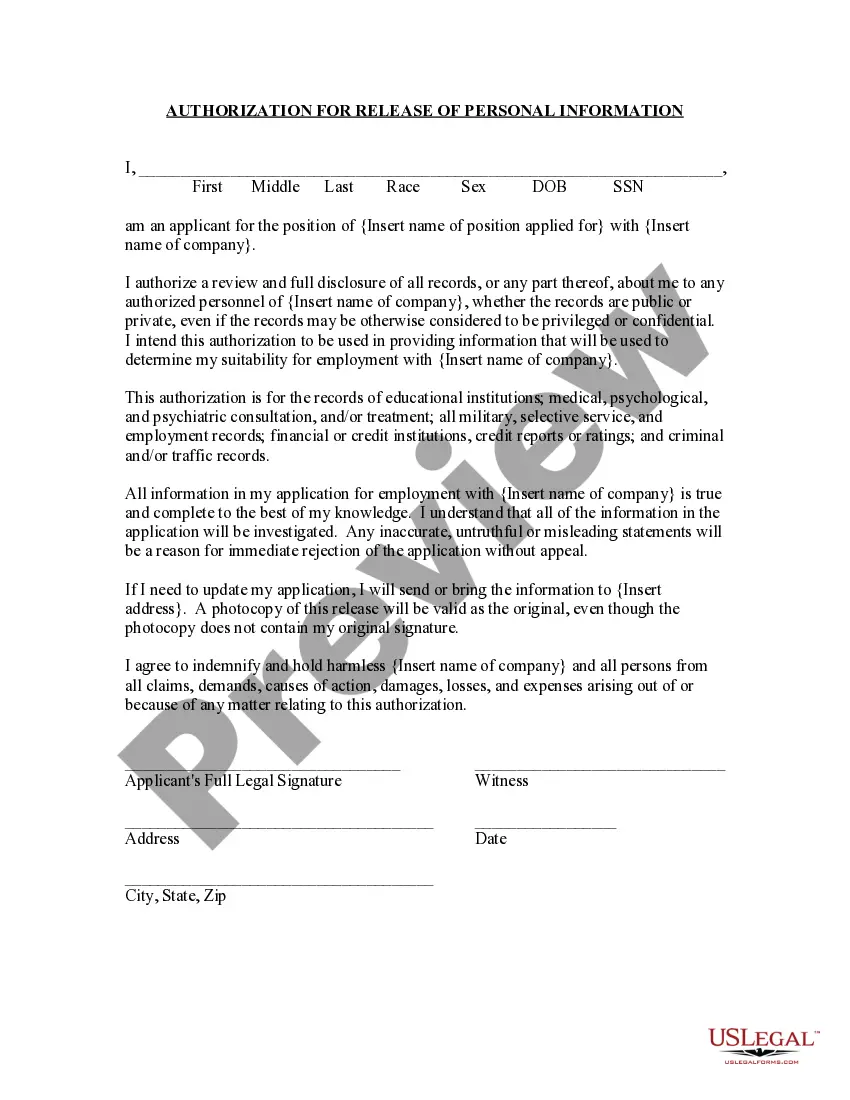
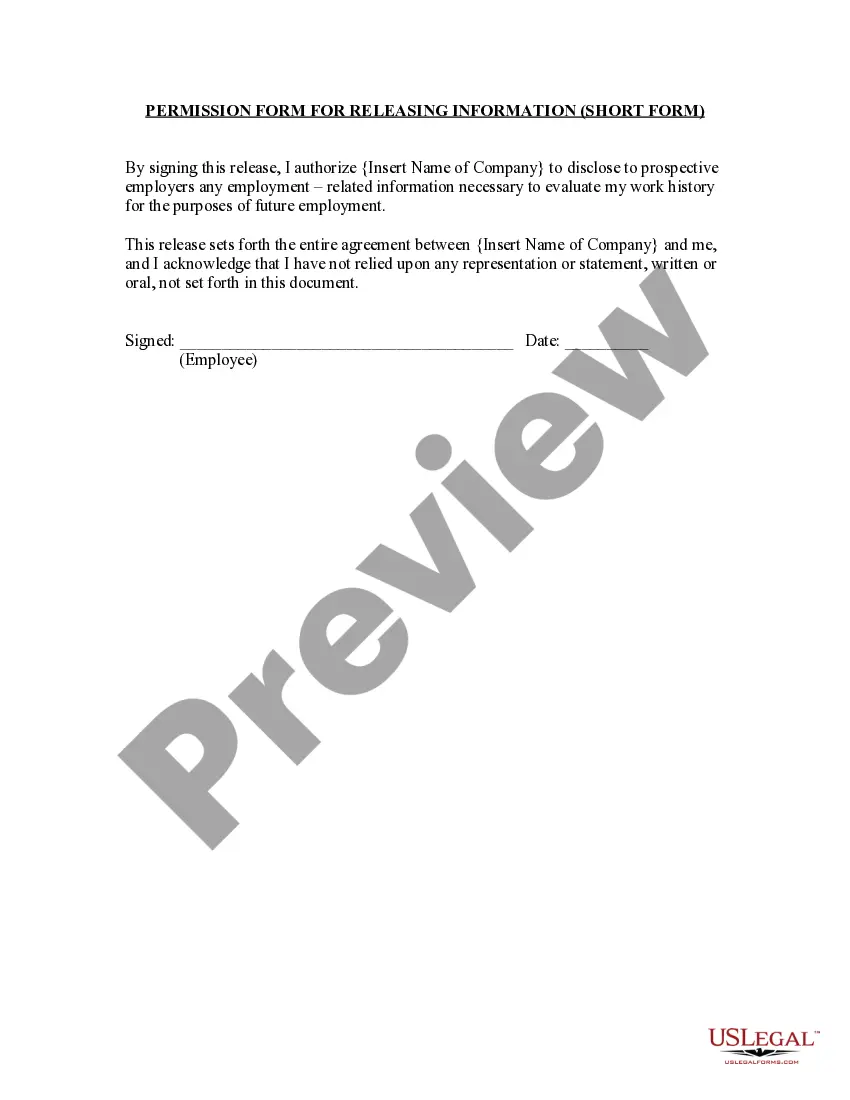
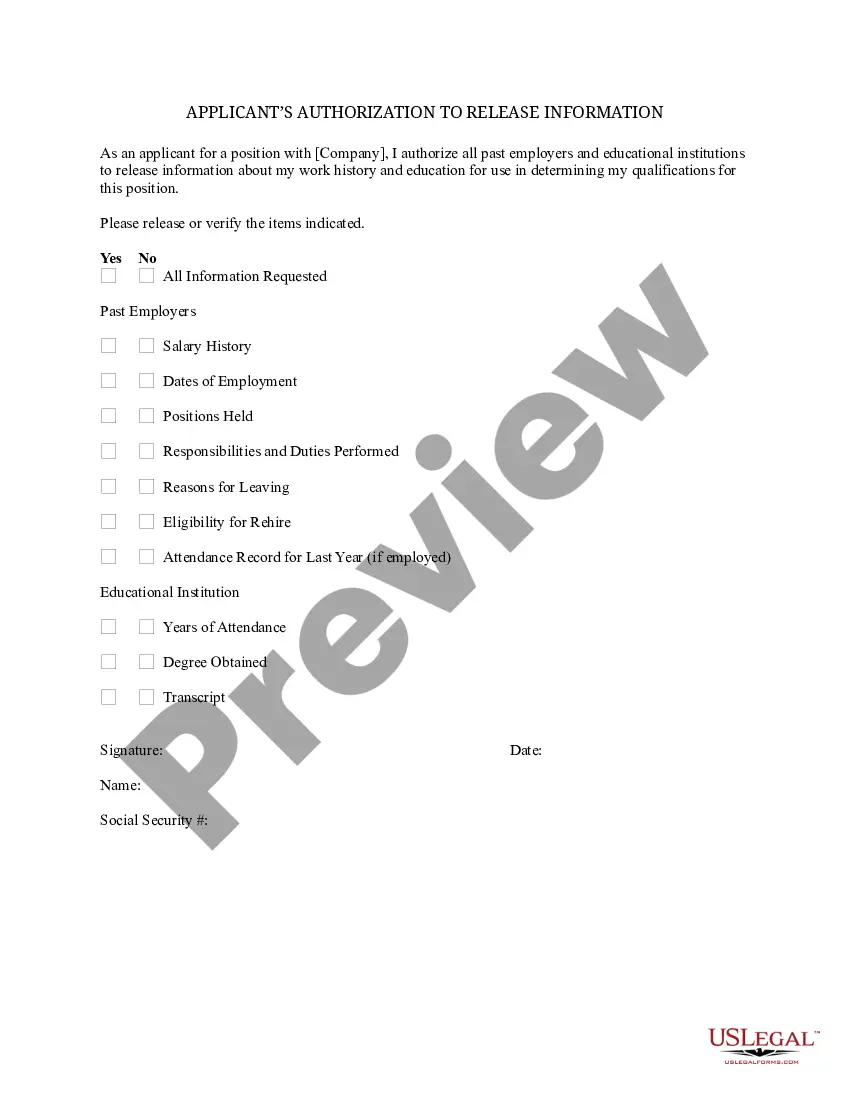
Get your form ready online
Our built-in tools help you complete, sign, share, and store your documents in one place.
Make edits, fill in missing information, and update formatting in US Legal Forms—just like you would in MS Word.
Download a copy, print it, send it by email, or mail it via USPS—whatever works best for your next step.
Sign and collect signatures with our SignNow integration. Send to multiple recipients, set reminders, and more. Go Premium to unlock E-Sign.
If this form requires notarization, complete it online through a secure video call—no need to meet a notary in person or wait for an appointment.
We protect your documents and personal data by following strict security and privacy standards.

Make edits, fill in missing information, and update formatting in US Legal Forms—just like you would in MS Word.

Download a copy, print it, send it by email, or mail it via USPS—whatever works best for your next step.

Sign and collect signatures with our SignNow integration. Send to multiple recipients, set reminders, and more. Go Premium to unlock E-Sign.

If this form requires notarization, complete it online through a secure video call—no need to meet a notary in person or wait for an appointment.

We protect your documents and personal data by following strict security and privacy standards.
Looking for another form?






Form popularity
FAQ
You must meet three eligibility requirements to collect unemployment in Florida: Your past earnings must meet certain minimum thresholds. You must be unemployed through no fault of your own, as defined by Florida law. You must be able, available, and actively looking for work.
Florida provides eligible undocumented residents, including DACA recipients, with access to in-state tuition. Florida does not appear to provide undocumented residents with access to state financial aid and driver licenses or state identification.
To be eligible for unemployment insurance (UI), immigrant workers must satisfy the same basic requirements as other workers. First, they must be unemployed “through no fault of their own.” Second, they must have enough wages earned or hours worked in their “base period” to establish a claim.
If you are currently a DACA (Deferred Action for Childhood Arrivals) recipient and are married to a U.S. citizen or green card holder, you may be eligible for a marriage-based green card of your own. This guide can help you understand your options, based on the most common situations.
Are DACA and undocumented students eligible to attend the University of Miami? Yes, all students are eligible to apply for admission regardless of their citizenship status.
They are also eligible to request work authorization. Deferred action is an exercise of prosecutorial discretion to defer removal action against an individual for a certain period of time. Deferred action does not provide lawful status.
Changes to Florida Unemployment Due to COVID-19 In response to the coronavirus pandemic, Florida has changed some rules of the Reemployment Assistance program. Benefits are now available to self-employed workers and independent contractors.
What Disqualifies You from Unemployment in Florida? Florida disqualifies unemployment claims if you resign without good cause, are fired for work-related misconduct, or reject suitable job offers.
An EAD issued to a DACA beneficiary will bear category code C33. 2 Certain EADs, depending on the category code, may be extended while a renewal application is pending. 3 Under previous iterations of the program, DACA beneficiaries were not eligible for such extensions, and the new regulation does not change that.
If you let your DACA status expire past the one-year grace period, you will not be able to renew your DACA at this time. Advance Parole (permission to travel abroad) continues to be available for current DACA recipients for educational, employment and humanitarian reasons.

