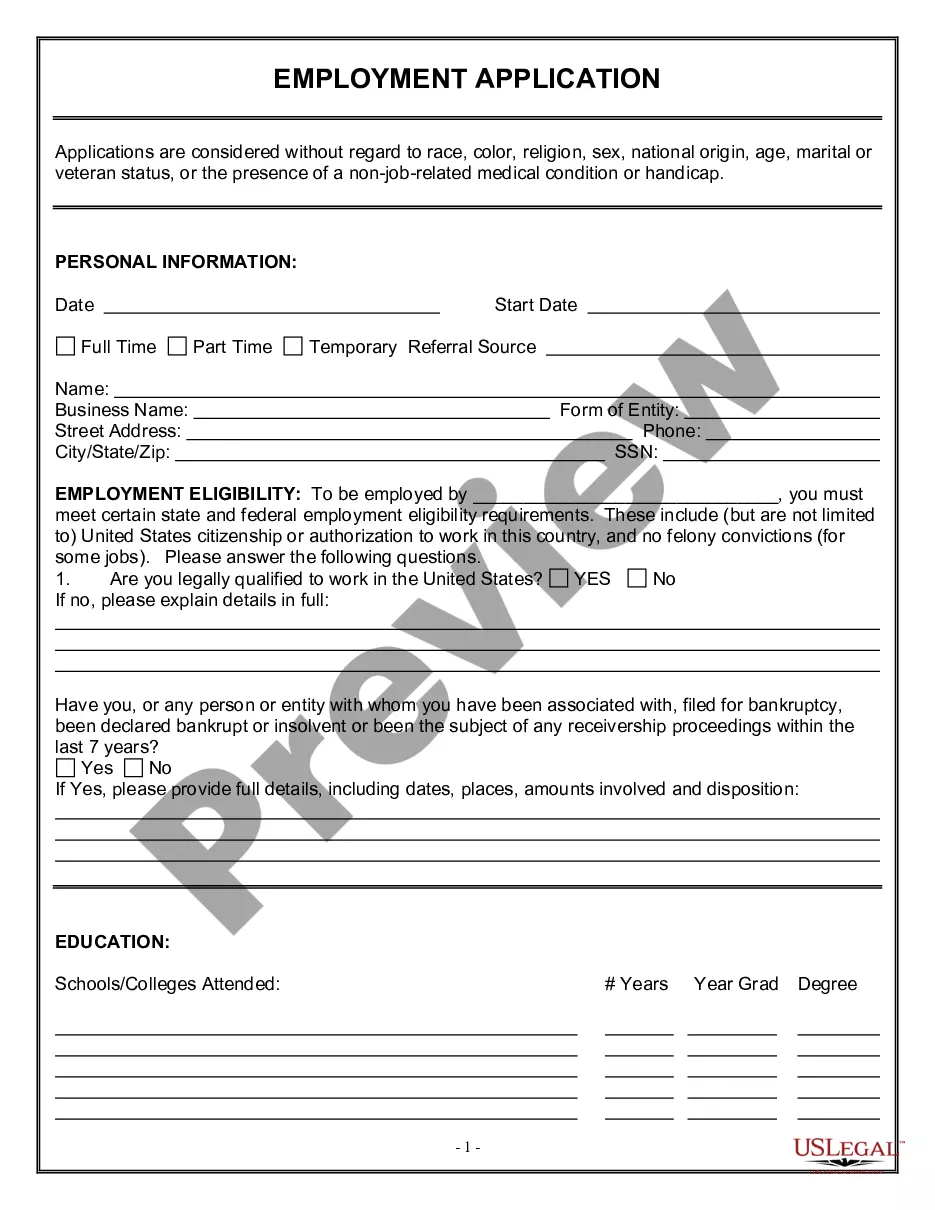
Employment Agreement With Non Compete Clause In Massachusetts
Description
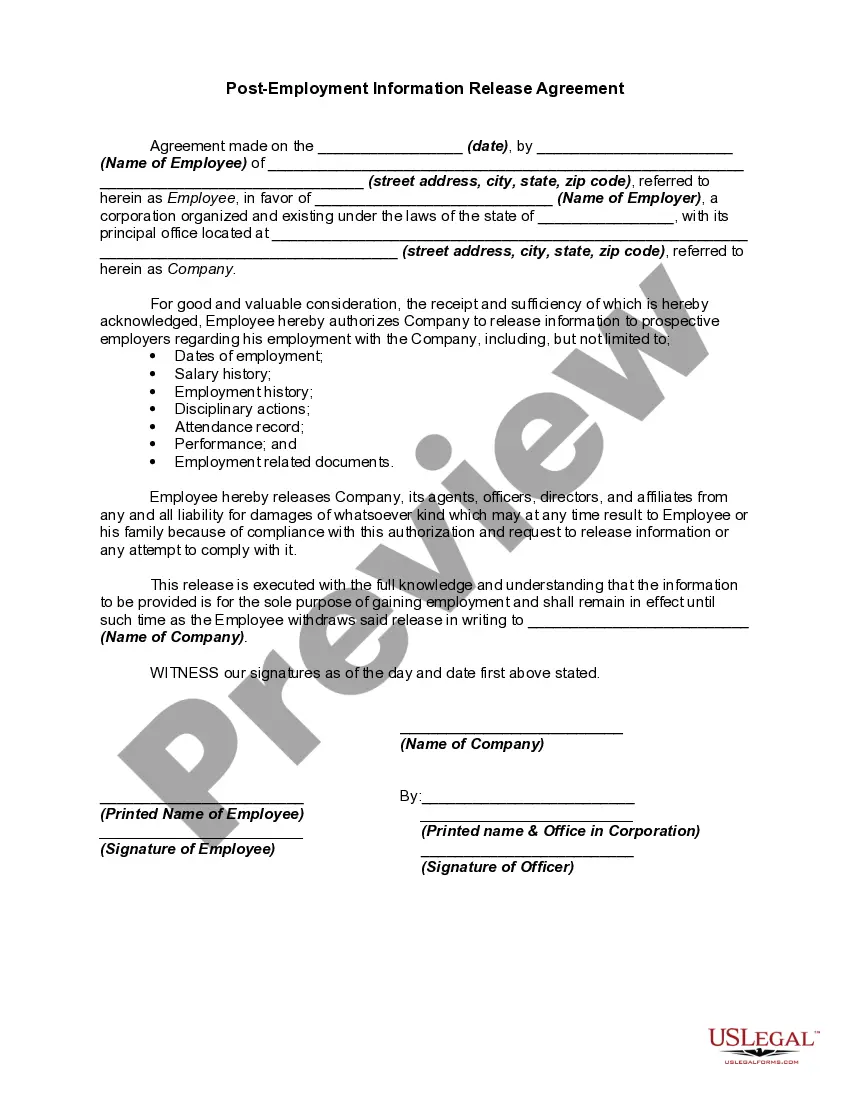
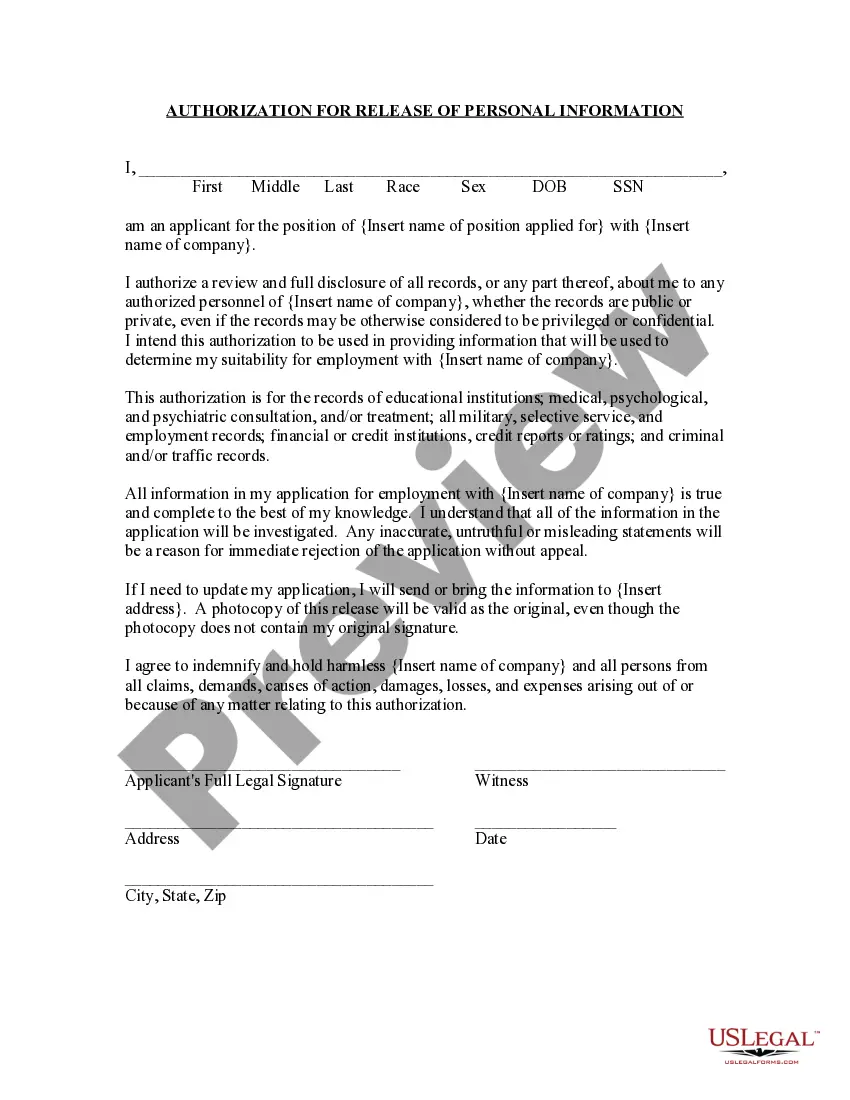
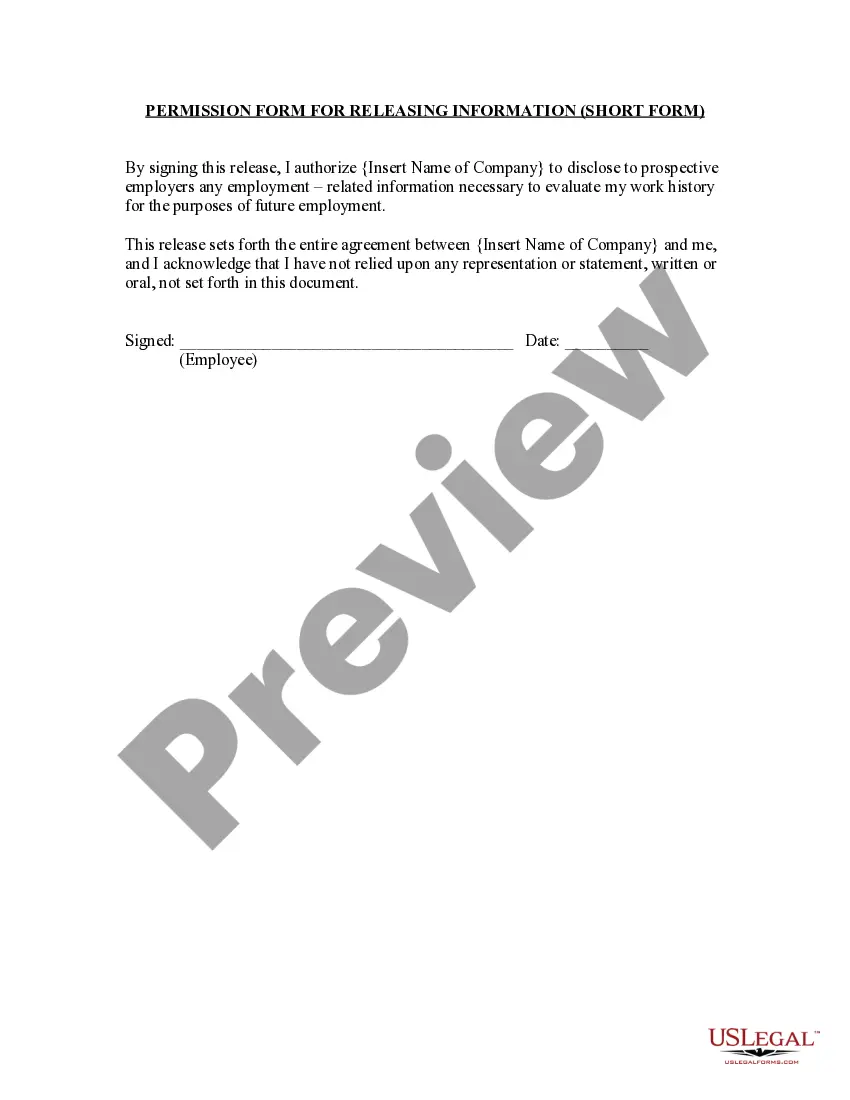
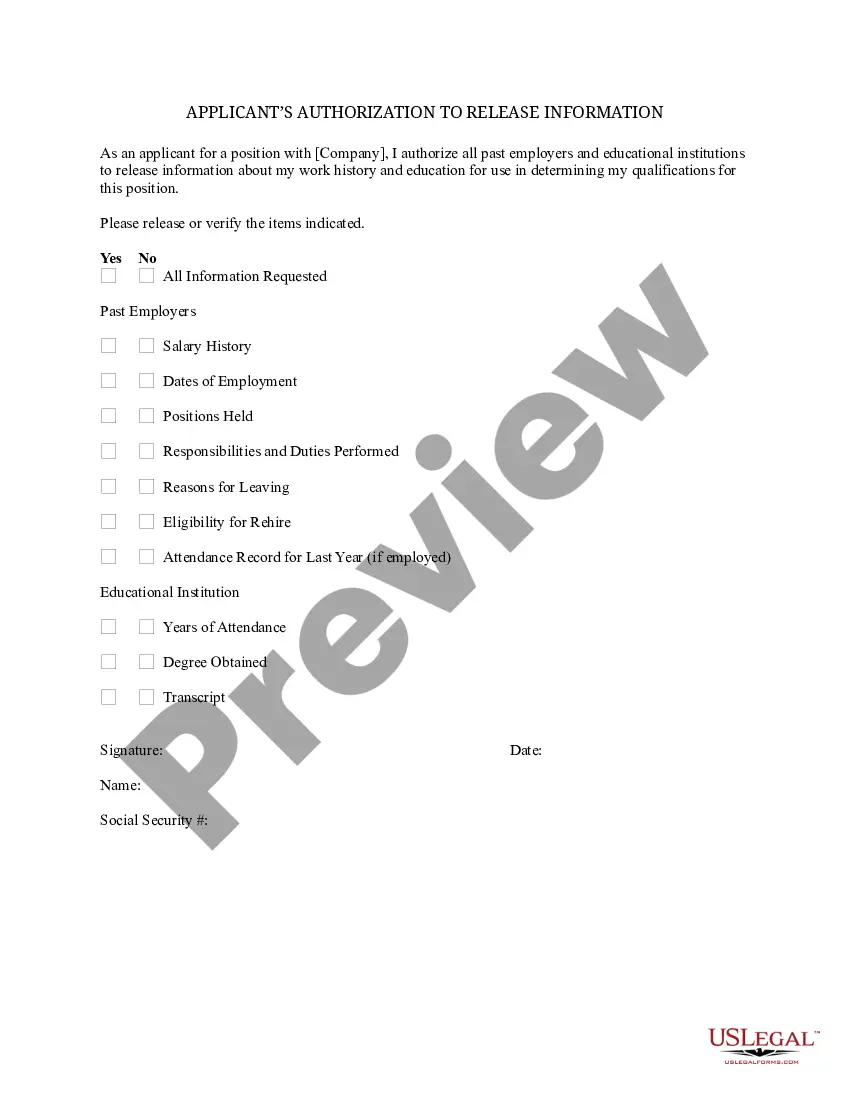
Get your form ready online
Our built-in tools help you complete, sign, share, and store your documents in one place.
Make edits, fill in missing information, and update formatting in US Legal Forms—just like you would in MS Word.
Download a copy, print it, send it by email, or mail it via USPS—whatever works best for your next step.
Sign and collect signatures with our SignNow integration. Send to multiple recipients, set reminders, and more. Go Premium to unlock E-Sign.
If this form requires notarization, complete it online through a secure video call—no need to meet a notary in person or wait for an appointment.
We protect your documents and personal data by following strict security and privacy standards.

Make edits, fill in missing information, and update formatting in US Legal Forms—just like you would in MS Word.

Download a copy, print it, send it by email, or mail it via USPS—whatever works best for your next step.

Sign and collect signatures with our SignNow integration. Send to multiple recipients, set reminders, and more. Go Premium to unlock E-Sign.

If this form requires notarization, complete it online through a secure video call—no need to meet a notary in person or wait for an appointment.

We protect your documents and personal data by following strict security and privacy standards.
Looking for another form?
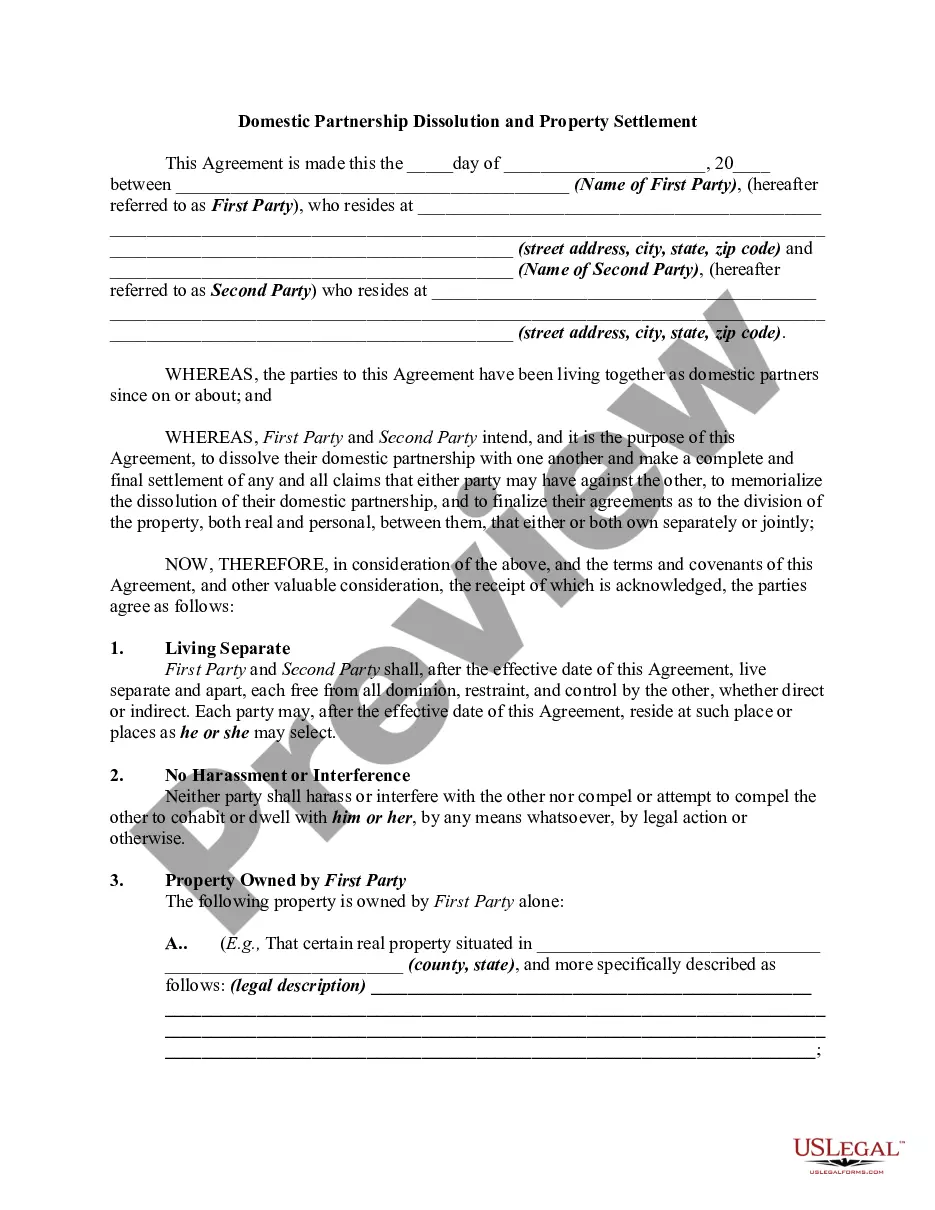

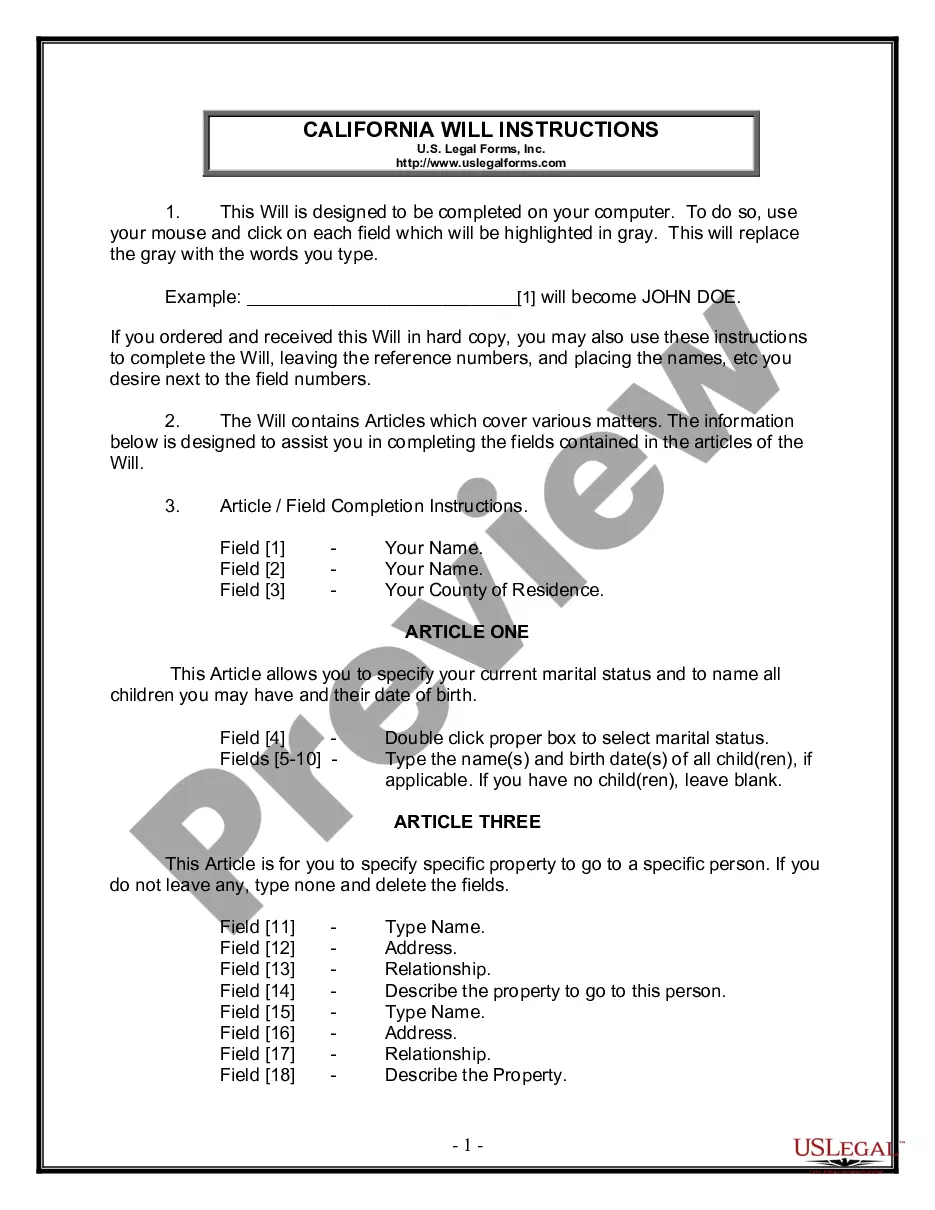




Form popularity
FAQ
The MNAA does not apply retroactively. That really should not come as a surprise to anyone. “Reaffirmation” of an existing noncompete may be considered a new agreement subject to the MNAA. But don't worry too much.
When it comes to the duration of the non-compete, the courts generally focus on what amount of time it will take the employer to hire and train a like employee. Rarely do you find enforceable employee based non-competes which exceed one (1) year in duration.
level for sure, but plenty of noncompetes are enforced at lower levels. It depends on the state, the job, the actual business risk etc. They would send the employee and new employer a cease and desist. If they don't cease and desist, and can't come to an agreement, former company can eventually sue.
Non-Competitive Activity at New Employer: One of the most straightforward ways to overcome a noncompete is by ensuring that your new role with a different employer is in a non-competitive capacity. If you're not engaging in activities that directly compete with your former employer's business, you may be in the clear.
An NDA constitutes a legally binding agreement, albeit without the same level of scrutiny as a non-compete clause. It solely restricts the use of information rather than overall competition. Typically, the agreement will specify that the employer is entitled to injunctive relief in the event of a breach.
The final rule defines “non-compete clause” as “a term or condition of employment that prohibits a worker from, penalizes a worker for, or functions to prevent a worker from (1) seeking or accepting work in the United States with a different person where such work would begin after the conclusion of the employment that ...
On average, noncompete agreements stop former employees from taking a new job at a competing company for anywhere from six months to a year. However, in some high tech fields where employees have access to extremely sensitive information about new technologies, noncompete agreements could last as long as two years.
Globally, non-compete agreements vary significantly in terms of enforceability, scope, and legal framework. While they are a common practice in many countries, the extent to which they are recognized and enforced can differ.
Under the Noncompete Rule, the FTC adopted a comprehensive ban on new noncompetes with all workers, including senior executives. The final Noncompete Rule provides that it is an unfair method of competition—and therefore a violation of Section 5—for employers to enter into noncompetes with workers.
"A covenant not to compete contained in a contract for personal services will be enforced if it is reasonable, based on all the circumstances."