Employment Agreement Format In Dallas
Description
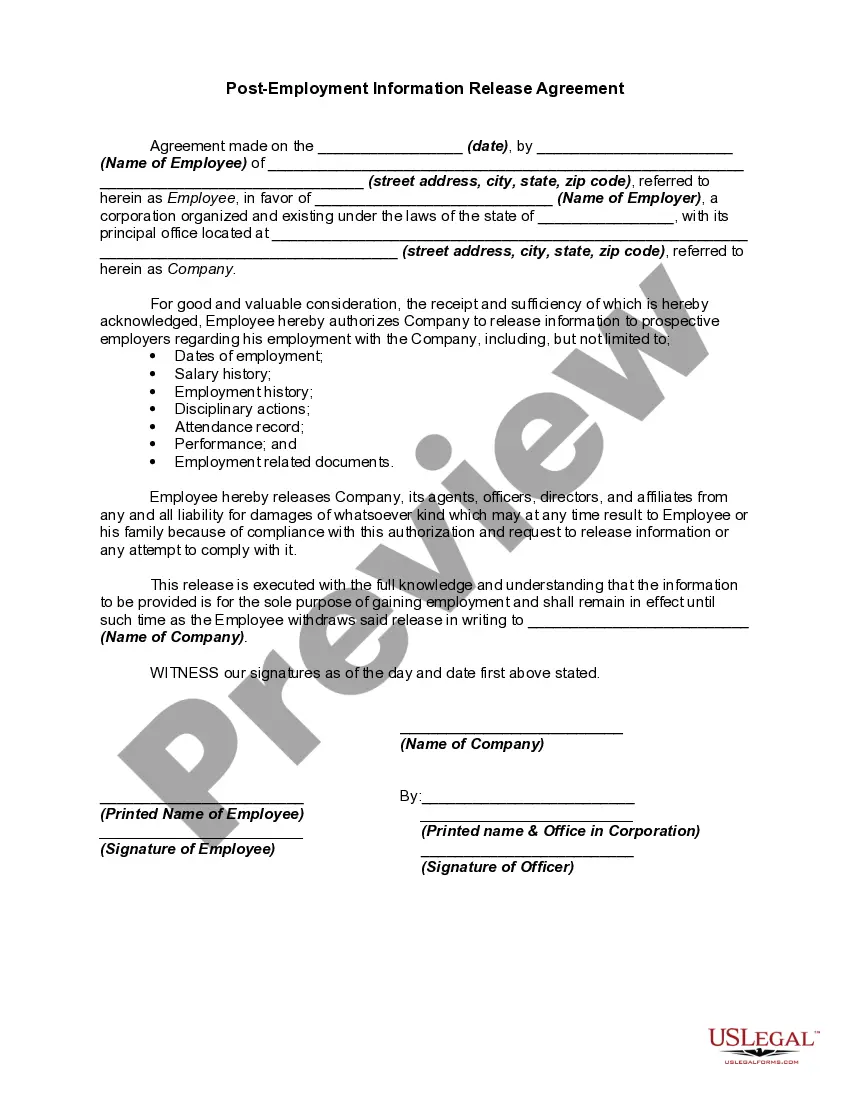
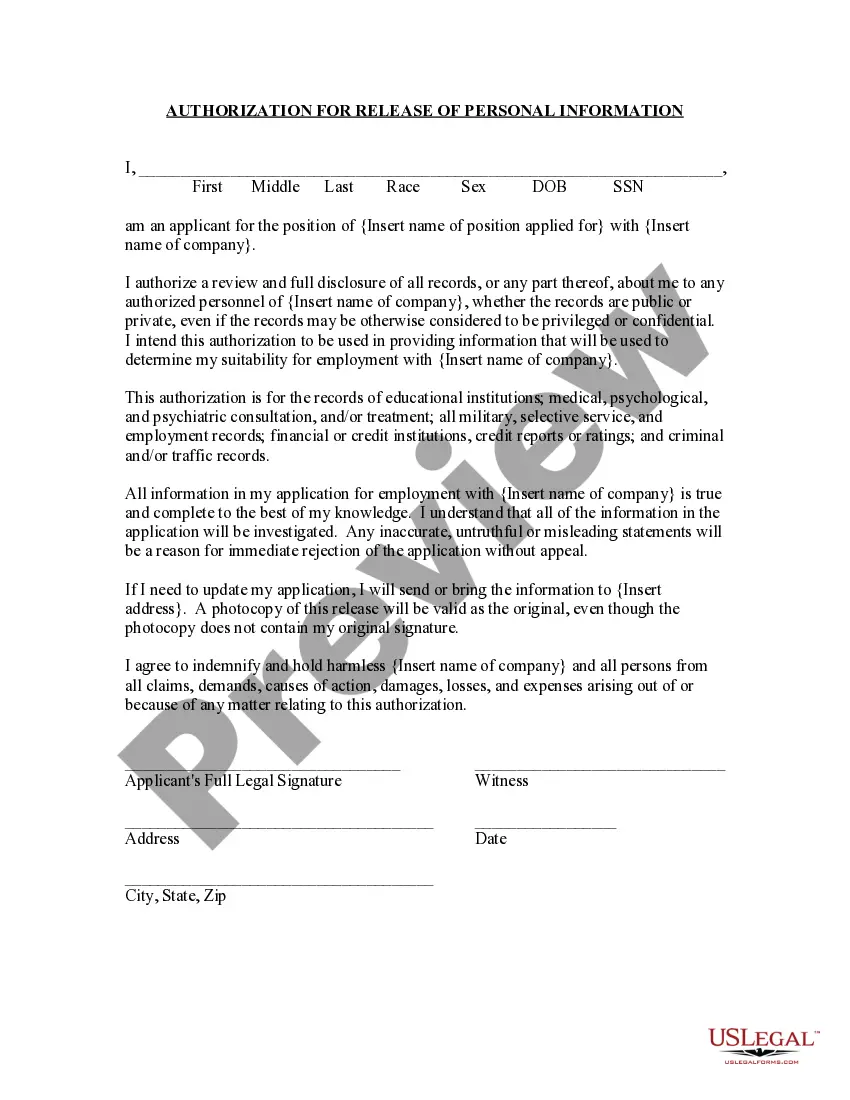
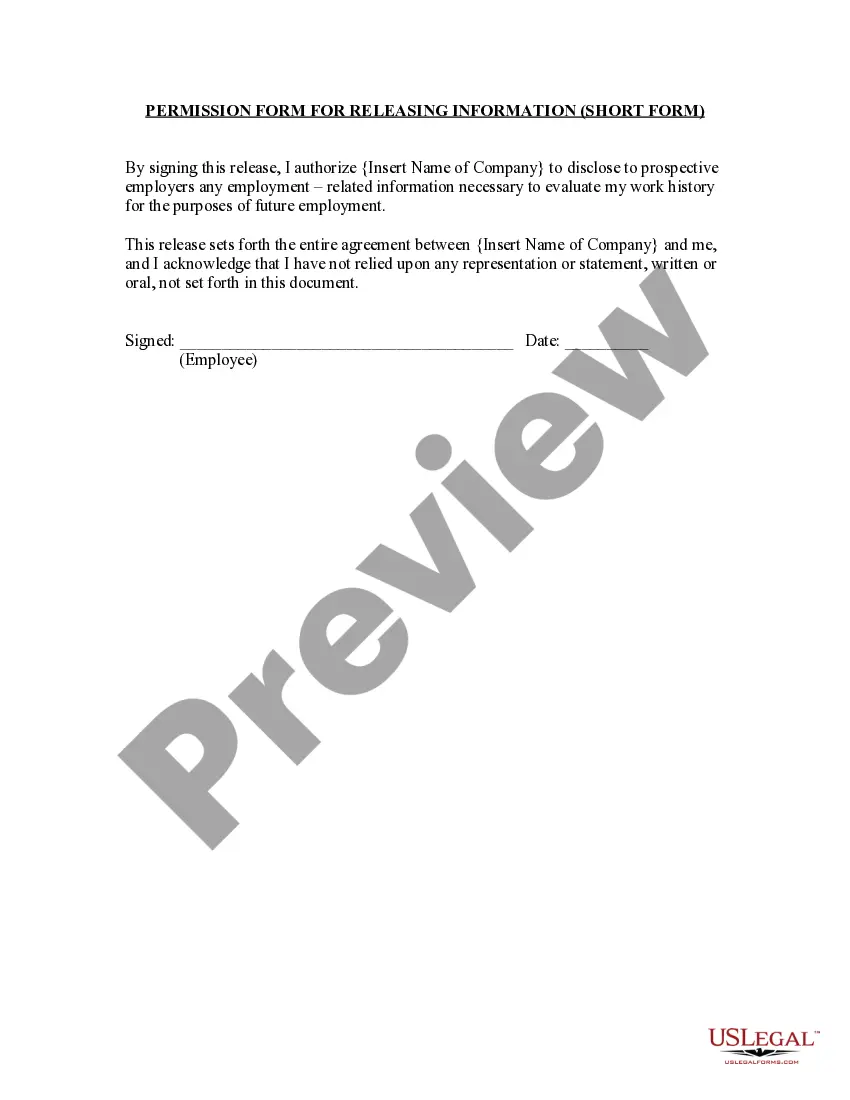
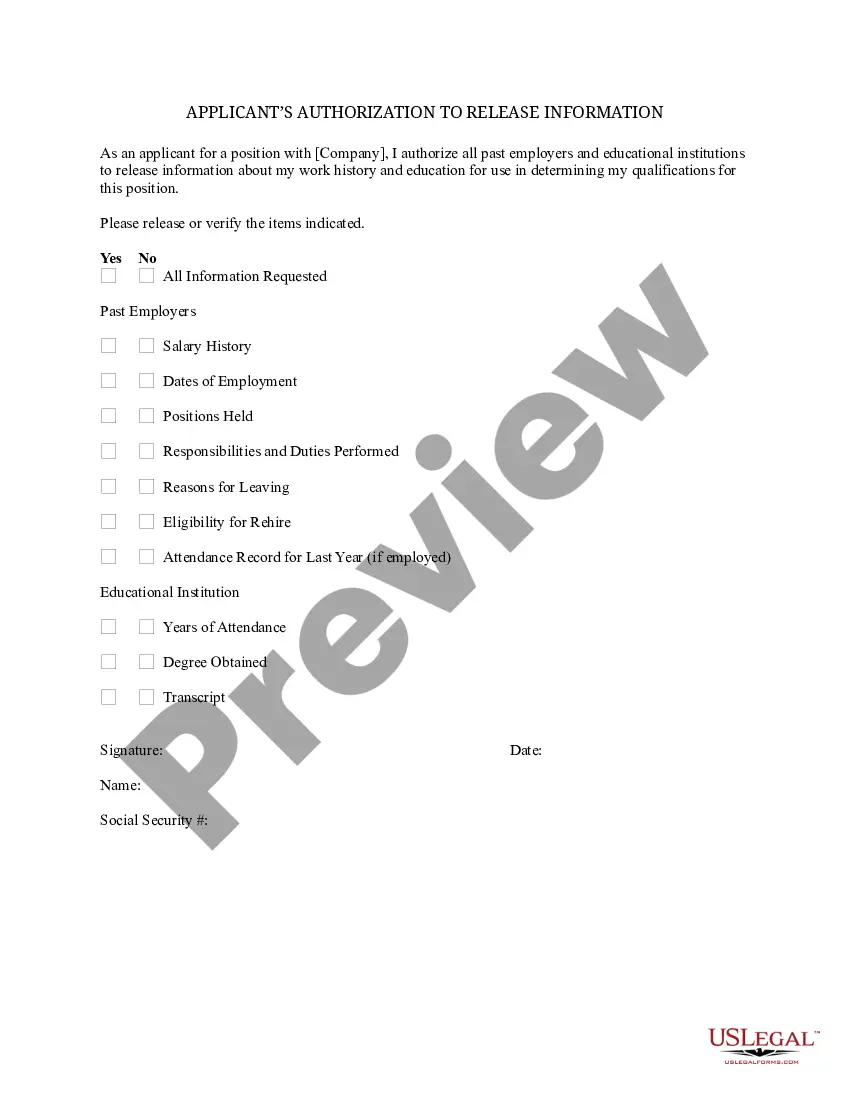
Get your form ready online
Our built-in tools help you complete, sign, share, and store your documents in one place.
Make edits, fill in missing information, and update formatting in US Legal Forms—just like you would in MS Word.
Download a copy, print it, send it by email, or mail it via USPS—whatever works best for your next step.
Sign and collect signatures with our SignNow integration. Send to multiple recipients, set reminders, and more. Go Premium to unlock E-Sign.
If this form requires notarization, complete it online through a secure video call—no need to meet a notary in person or wait for an appointment.
We protect your documents and personal data by following strict security and privacy standards.

Make edits, fill in missing information, and update formatting in US Legal Forms—just like you would in MS Word.

Download a copy, print it, send it by email, or mail it via USPS—whatever works best for your next step.

Sign and collect signatures with our SignNow integration. Send to multiple recipients, set reminders, and more. Go Premium to unlock E-Sign.

If this form requires notarization, complete it online through a secure video call—no need to meet a notary in person or wait for an appointment.

We protect your documents and personal data by following strict security and privacy standards.
Looking for another form?








Form popularity
FAQ
Elements of a work-for-hire agreement Scope of the project—exactly what is to be done or produced. Due date of the project—negotiated with regard to both parties' schedules. Rights to be sold. Payment terms. Confidentiality terms (if any) Arbitration terms (if any) Severability—getting out of the agreement.
All employment contracts are a type of employment agreement, but not all employment agreements result in formal employment contracts. Employment or employee contracts are typically formal, legally binding written documents that specify the terms and conditions of an employment relationship.
Every effective short term contract should clearly outline several essential elements: Terms of termination: Conditions under which either party may end the agreement early. Duration: The precise start and end dates of the employment period. Responsibilities: Detailed description of expected duties and deliverables.
Employment contracts are generally drawn up by the company through their legal counsel. However, in many cases individuals who are hiring the employee can also choose to write their own contracts. In some cases, independent contractors or freelancers can provide their own contracts and terms of employment.
To write a simple contract, title it clearly, identify all parties and specify terms (services or payments). Include an offer, acceptance, consideration, and intent. Add a signature and date for enforceability. Written contracts reduce disputes and offer better legal security than verbal ones.
Permanent employment contract Permanent employee contracts are the most common type of employment contract in the United States, which includes about 60% of the workforce. They are used for ongoing, continuous employment unless the employer or employee decides to terminate the relationship.
As a general rule, Texas is a “right to work” or “employment at will” state, which means that employees and employers are not required to enter into employment contracts. An “at will” employee can end his or her employment for any reason at any time.
Here are some steps you may use to guide you when you write an employment contract: Title the employment contract. Identify the parties. List the term and conditions. Outline the job responsibilities. Include compensation details. Use specific contract terms. Consult with an employment lawyer. Employment.
Ing to Boundy (2012), typically, a written contract will include: Date of agreement. Names of parties to the agreement. Preliminary clauses. Defined terms. Main contract clauses. Schedules/appendices and signature provisions (para. 5).
The basic rule of Texas employment law is employment at will, which applies to all phases of the employment relationship - it means that absent a statute or an express agreement (such as an employment contract) to the contrary, either party in an employment relationship may modify any of the terms or conditions of ...

