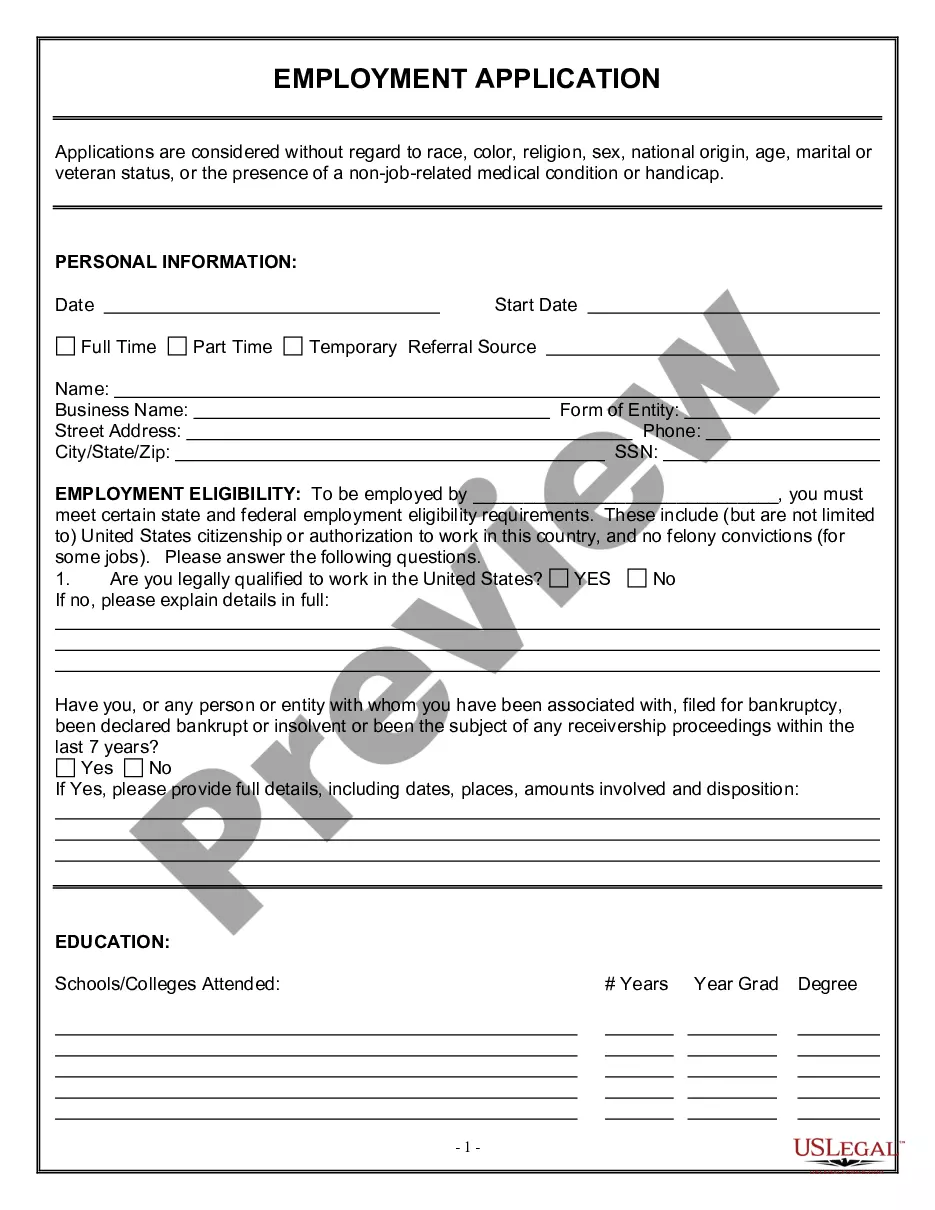
Release Of Information Without Consent In Allegheny
Description
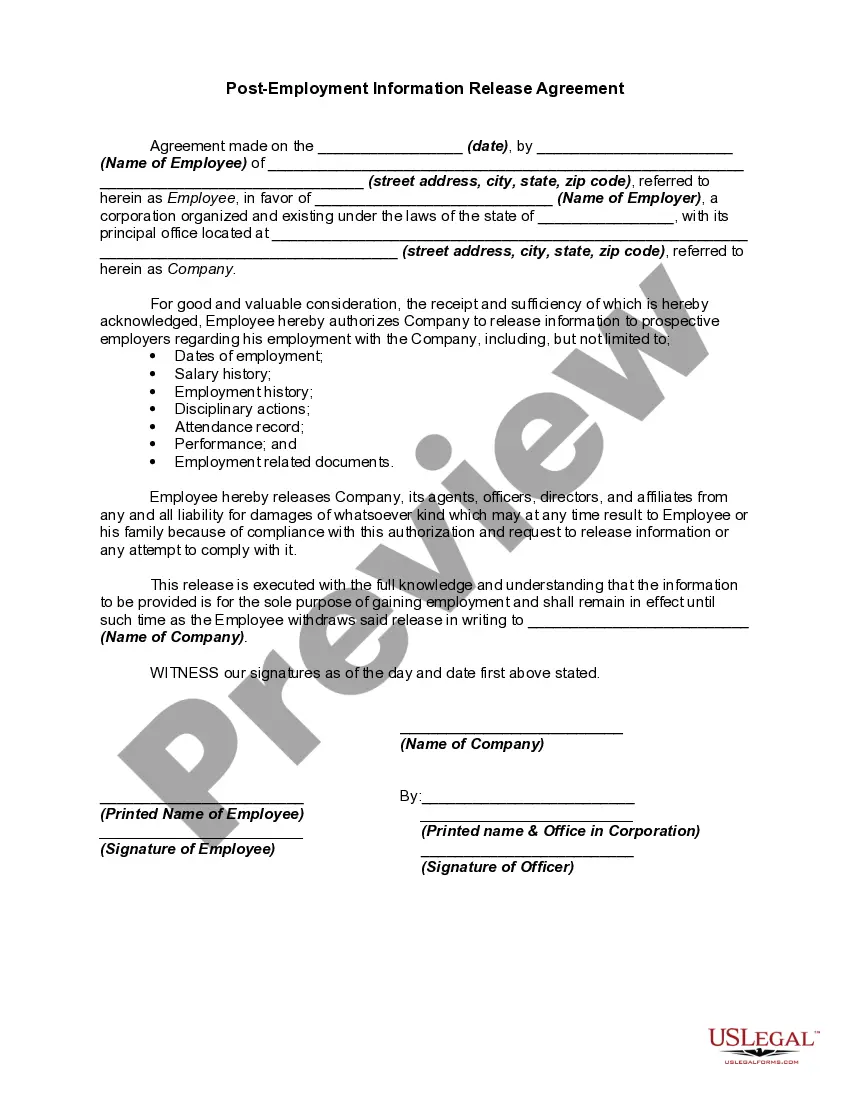
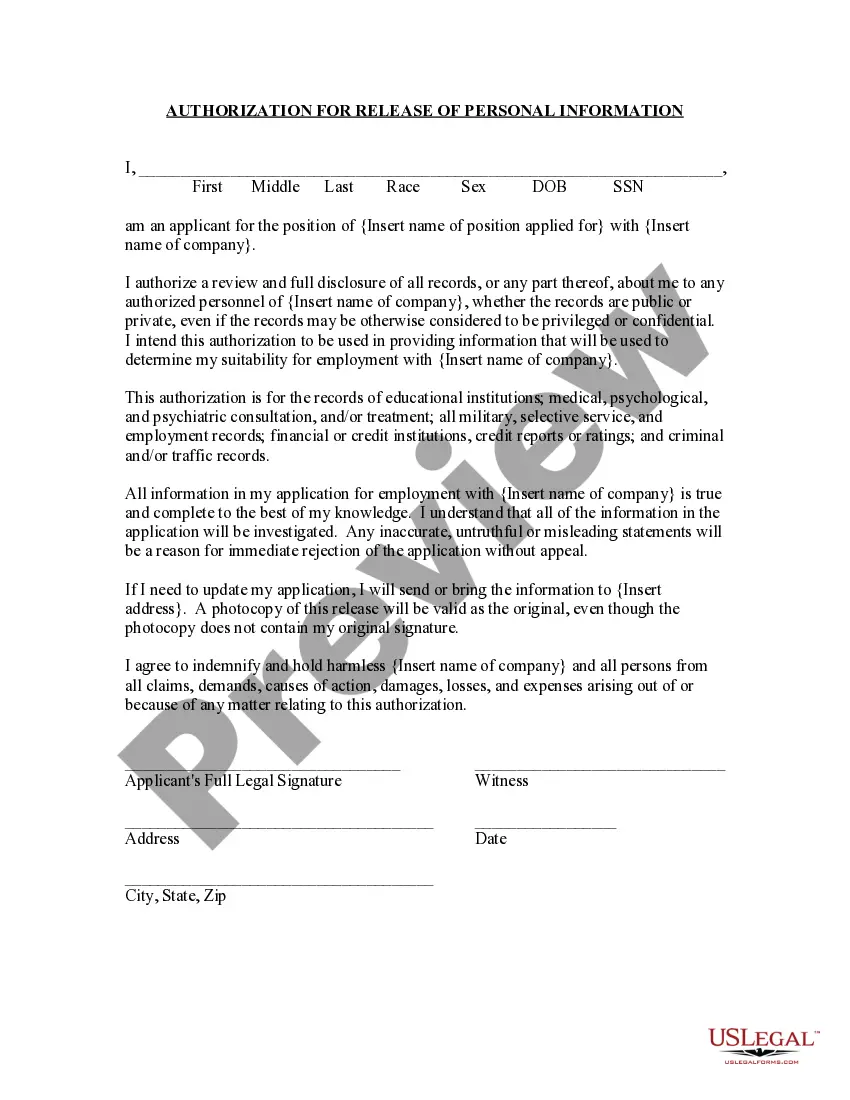
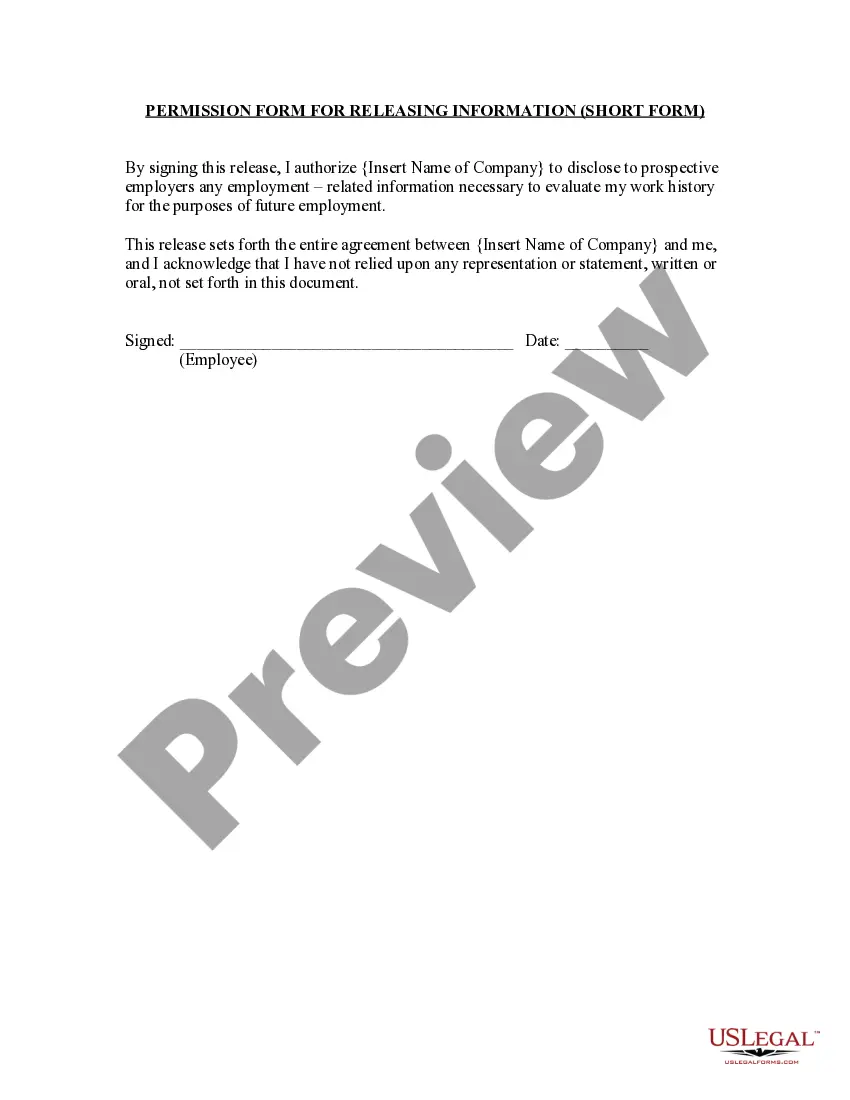
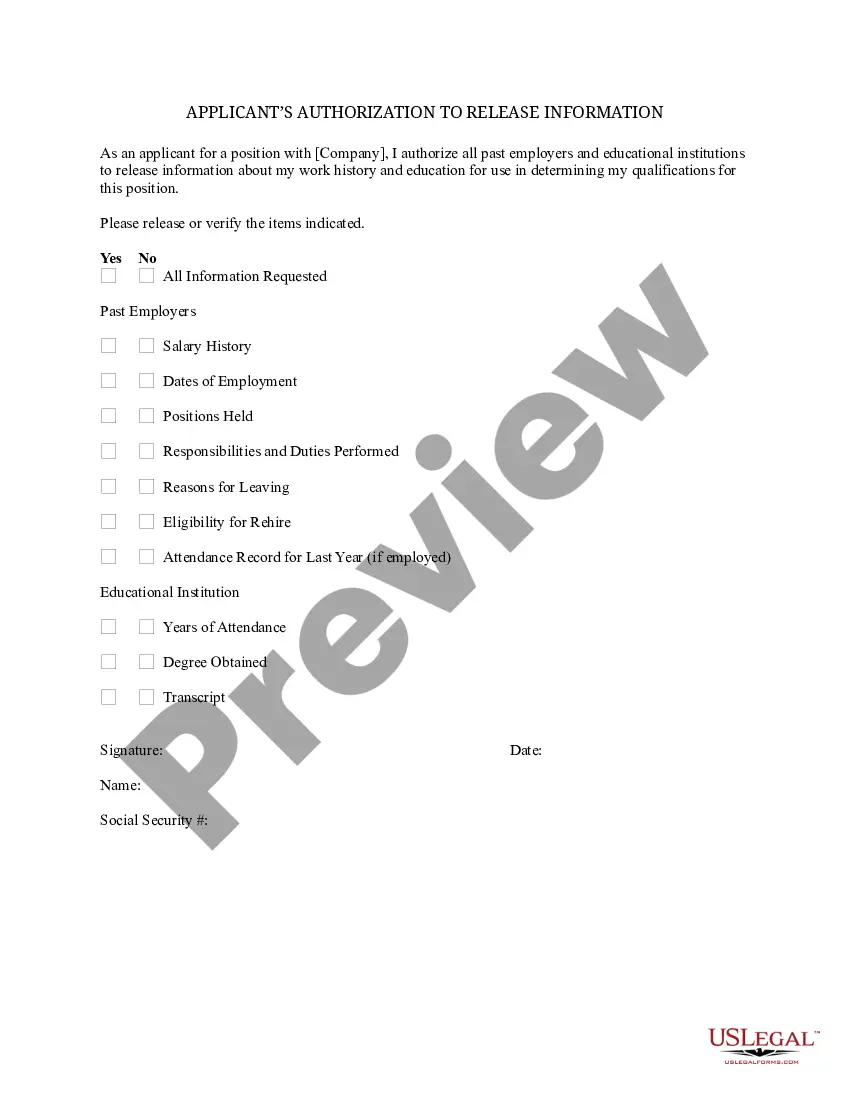
Get your form ready online
Our built-in tools help you complete, sign, share, and store your documents in one place.
Make edits, fill in missing information, and update formatting in US Legal Forms—just like you would in MS Word.
Download a copy, print it, send it by email, or mail it via USPS—whatever works best for your next step.
Sign and collect signatures with our SignNow integration. Send to multiple recipients, set reminders, and more. Go Premium to unlock E-Sign.
If this form requires notarization, complete it online through a secure video call—no need to meet a notary in person or wait for an appointment.
We protect your documents and personal data by following strict security and privacy standards.

Make edits, fill in missing information, and update formatting in US Legal Forms—just like you would in MS Word.

Download a copy, print it, send it by email, or mail it via USPS—whatever works best for your next step.

Sign and collect signatures with our SignNow integration. Send to multiple recipients, set reminders, and more. Go Premium to unlock E-Sign.

If this form requires notarization, complete it online through a secure video call—no need to meet a notary in person or wait for an appointment.

We protect your documents and personal data by following strict security and privacy standards.
Looking for another form?
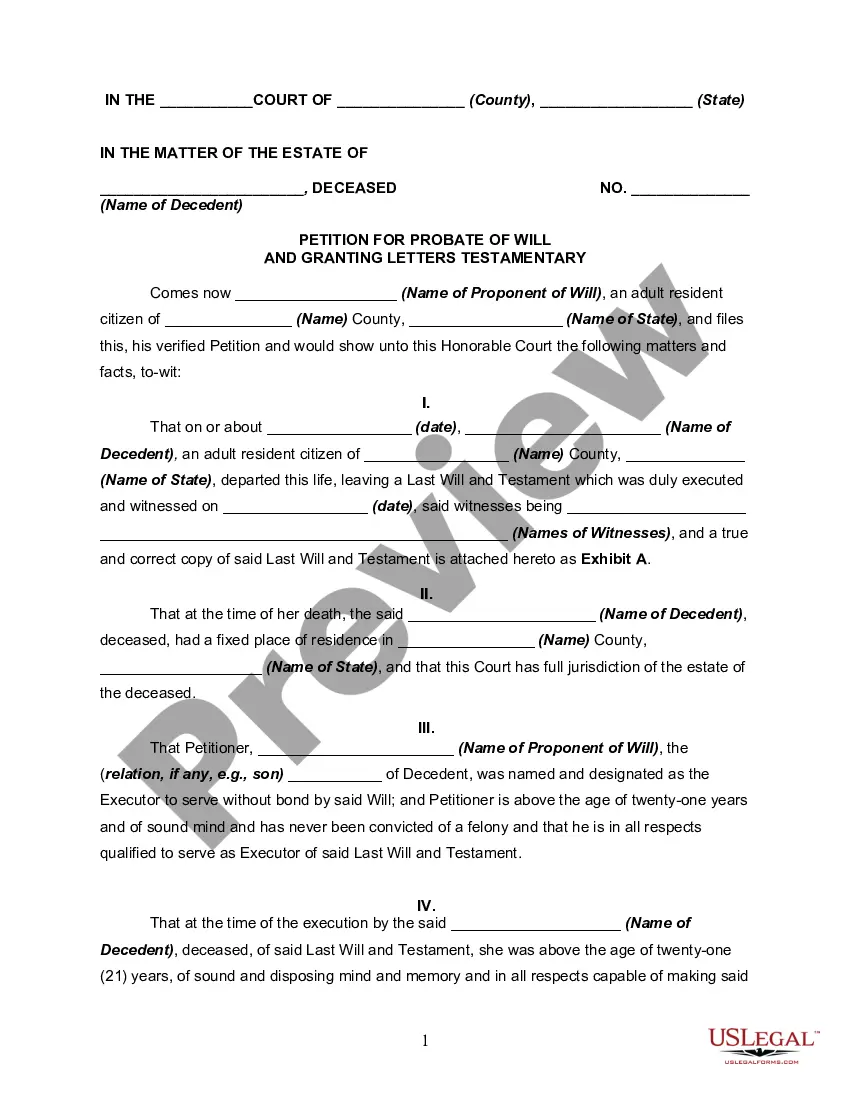

Form popularity
FAQ
Check their website: Information about how to get your health record may be found under the Contact Us section of a provider's website. It may direct you to an online portal, a phone number, an email address, or a form. Phone or visit: You can also call or visit your provider and ask them how to get your health record.
Online Access to Your Health Information Check with your health care providers or doctors to see if they offer online access to your medical records. Terms sometimes used to describe electronic access to these data include “personal health record,” or “PHR,” or “patient portal.”
In Pennsylvania, physicians must retain an adult patient's medical records for at least seven years from the last date of service. Requirements differ slightly for minor patients.
Contact the state department of health: Reach out to the Pennsylvania Department of Health by calling 877.774. 4748 or emailing pasiis@state.pa. Any records for vaccines given in Philadelphia must be obtained by contacting 215.685.
A HIPAA email disclaimer is a statement added at the end of an email that contains PHI (Protected Health Information). Its purpose is to inform the recipient that the email contains confidential and protected health information and that any unauthorized disclosure or use of this information is strictly prohibited.
HIPAA is the federal Health Insurance Portability and Accountability Act of 1996. The primary goal of the law is to make it easier for people to keep health insurance, protect the confidentiality and security of healthcare information and help the healthcare industry control administrative costs.
A covered entity is permitted, but not required, to use and disclose protected health information, without an individual's authorization, for the following purposes or situations: (1) To the Individual (unless required for access or accounting of disclosures); (2) Treatment, Payment, and Health Care Operations; (3) ...
A HIPAA release form, also known as a HIPAA authorization or HIPAA consent form, is a legal document signed by an individual to grant permission for their protected health information (PHI) to be used by authorized individuals at covered entities for specific purposes other than treatment, payment, and health care ...