Indemnity Claims In Construction In Palm Beach
Description
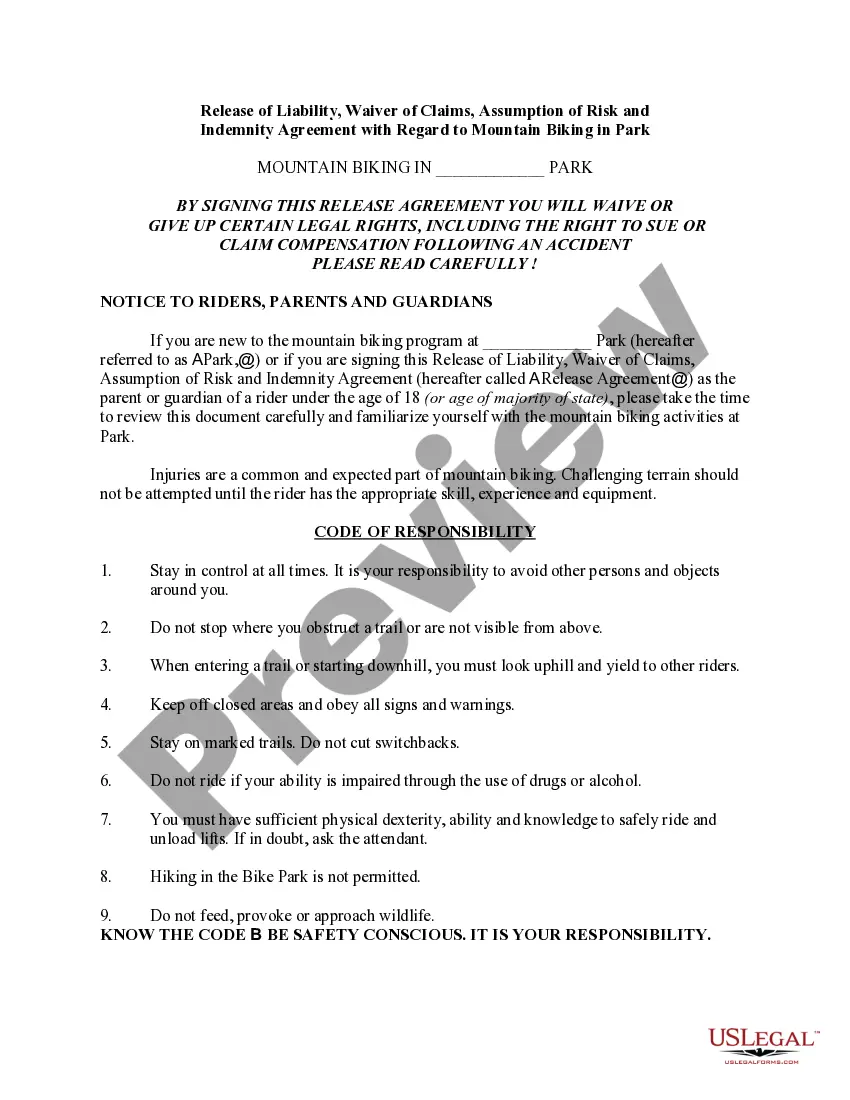
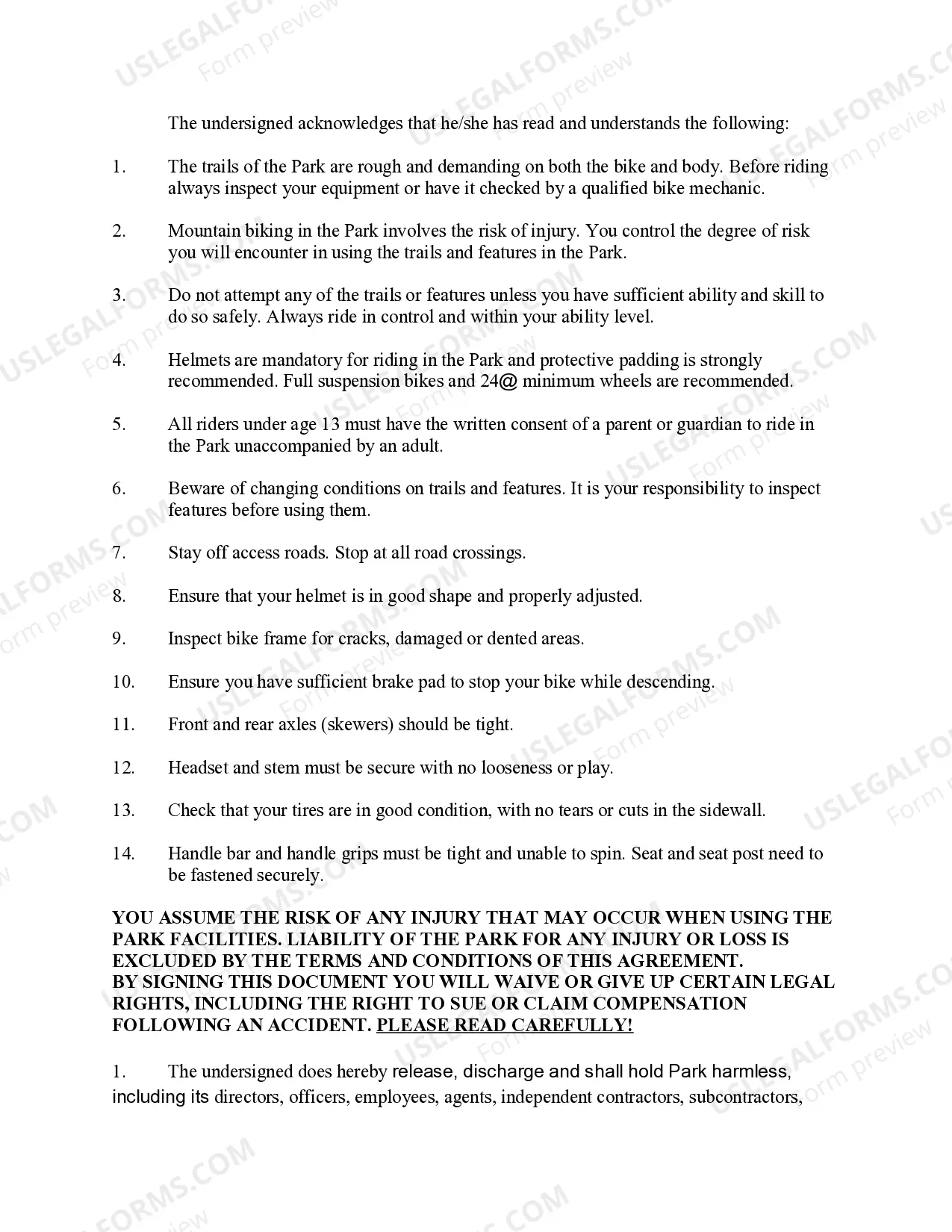
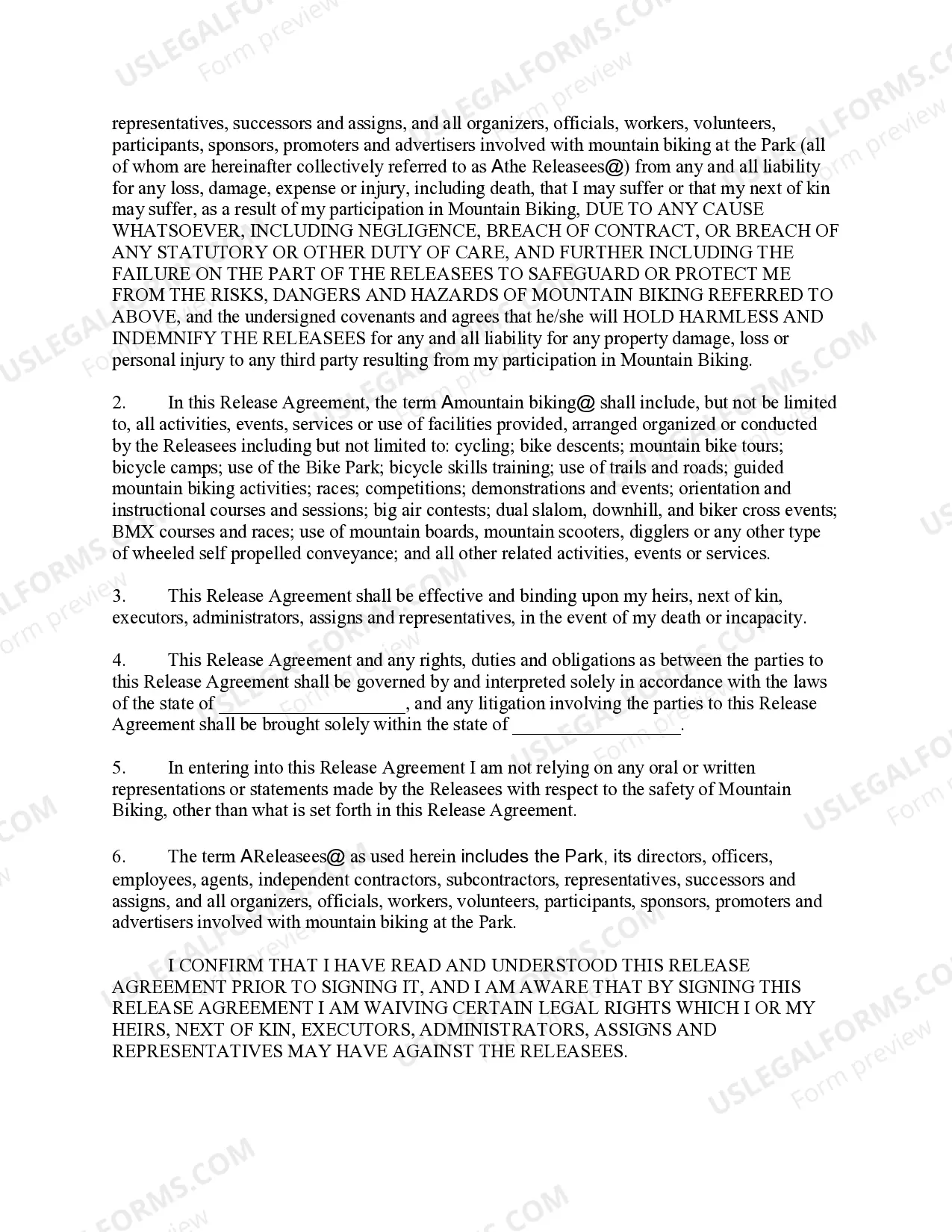
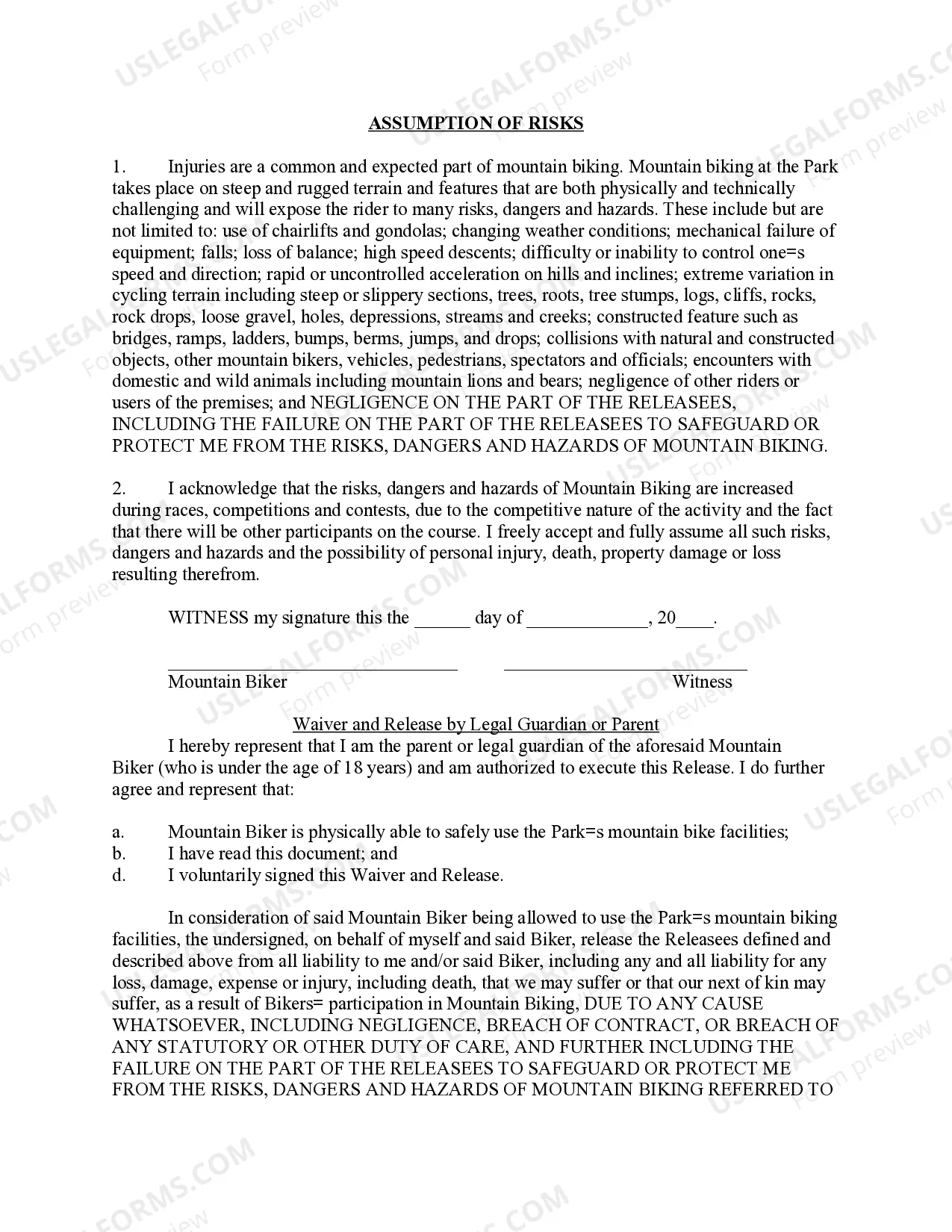
Get your form ready online
Our built-in tools help you complete, sign, share, and store your documents in one place.
Make edits, fill in missing information, and update formatting in US Legal Forms—just like you would in MS Word.
Download a copy, print it, send it by email, or mail it via USPS—whatever works best for your next step.
Sign and collect signatures with our SignNow integration. Send to multiple recipients, set reminders, and more. Go Premium to unlock E-Sign.
If this form requires notarization, complete it online through a secure video call—no need to meet a notary in person or wait for an appointment.
We protect your documents and personal data by following strict security and privacy standards.

Make edits, fill in missing information, and update formatting in US Legal Forms—just like you would in MS Word.

Download a copy, print it, send it by email, or mail it via USPS—whatever works best for your next step.

Sign and collect signatures with our SignNow integration. Send to multiple recipients, set reminders, and more. Go Premium to unlock E-Sign.

If this form requires notarization, complete it online through a secure video call—no need to meet a notary in person or wait for an appointment.

We protect your documents and personal data by following strict security and privacy standards.
Looking for another form?








Form popularity
FAQ
It is primarily intended to protect the person who is providing goods or services from being held legally liable for the consequences of actions taken or not taken in providing that service to the person who signs the form.
“The elements of a cause of action for indemnity are (1) a showing of fault on the part of the indemnitor and (2) resulting damages to the indemnitee for which the indemnitor is contractually or equitably responsible.” Expressions, supra, 86 Cal.
An indemnity is the closest thing the law has to a blank cheque to recover financial loss. The claims to indemnify another person can arise: in contract law, when they show up in contract clauses. as part of a legal remedy even when there is no contract clause for indemnification.
Indemnity Claims London & Zurich can Challenge on your behalf: CODE 1: DETAILS DIFFER FROM THE ADVANCE NOTICE. CODE 2: NO ADVANCE NOTICE WAS RECEIVED. CODE 3: BANK CANCELS THE DIRECT DEBIT. CODE 5: PAYER DISPUTES HAVING GIVEN AUTHORITY. CODE 6: FRAUDULENT SIGNATURE. CODE 8: SERVICE USER IS NOT RECOGNISED. Overview.
Indeed, the most commonly raised defense to a demand for indemnification is that the provision fails to comply with Florida's Anti-Indemnification Statute, Section 725.06, Fla. Stat.
Without an indemnity clause, you can still exercise your common law rights and bring a claim for damages resulting from the other party's breach of the contract. This may be more complex as you need to make out the requirements for common law damages, including: causation; remoteness; and.
What is an indemnity clause? An indemnity clause is a contractual clause providing that one party is responsible for any losses or damages arising from a certain event or set of circumstances. In effect, the indemnity clause shifts the risk of that event occurring from the indemnified party to the indemnifying party.
For example, a contract between a general contractor and a subcontractor may include an express indemnification provision whereby the subcontractor agrees to hold harmless the general contractor for all claims arising out of the contract, regardless of who is at fault.
What Is an Indemnification Clause? An indemnification clause is a legally binding agreement between two parties specifying that one party (the indemnifying party) will compensate the other party (the indemnified party) for any losses or damages that may arise from a particular event or circumstance.
Tenant agrees to indemnify and hold Landlord harmless from any liabilities, losses, damages, costs, expenses (including attorneys' fees), causes of action, suits, claims, demands, or judgments arising from any injury or damage on the Demised Premises or adjoining sidewalks, streets, or ways, resulting from Tenant's use ...
