Indemnity Claims In Construction In Houston
Description
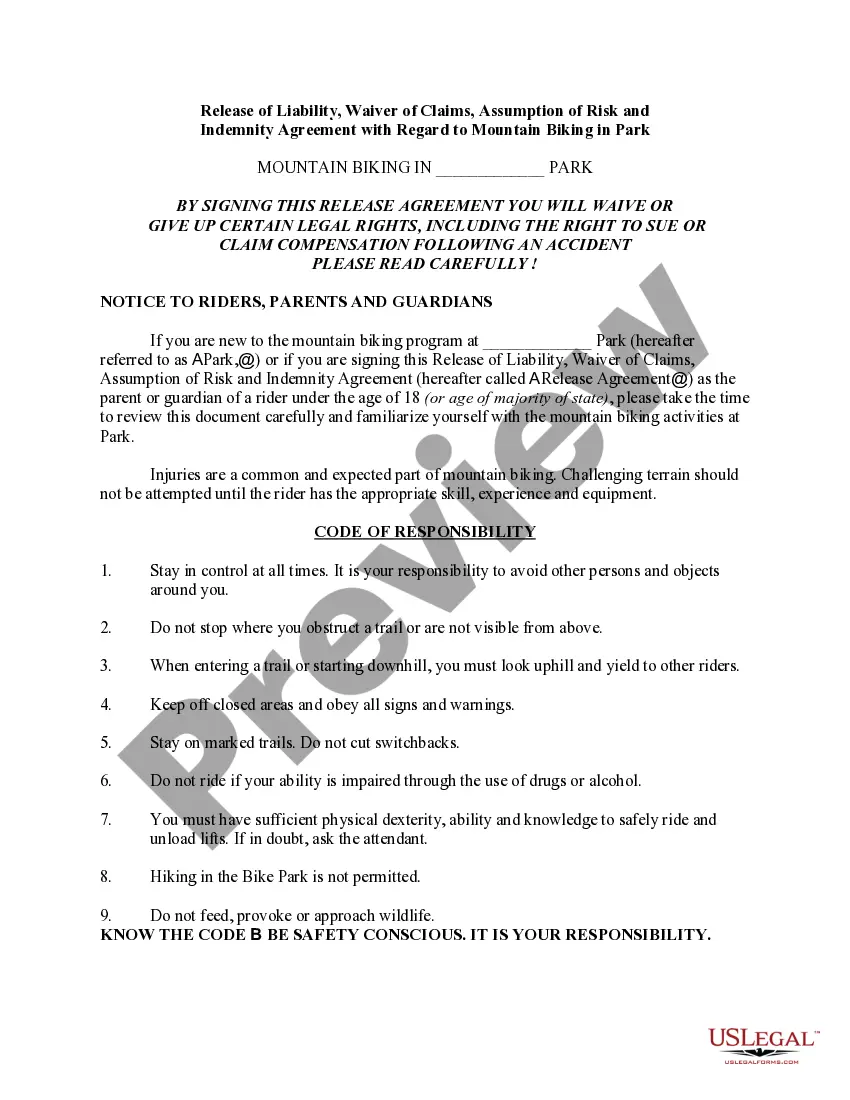
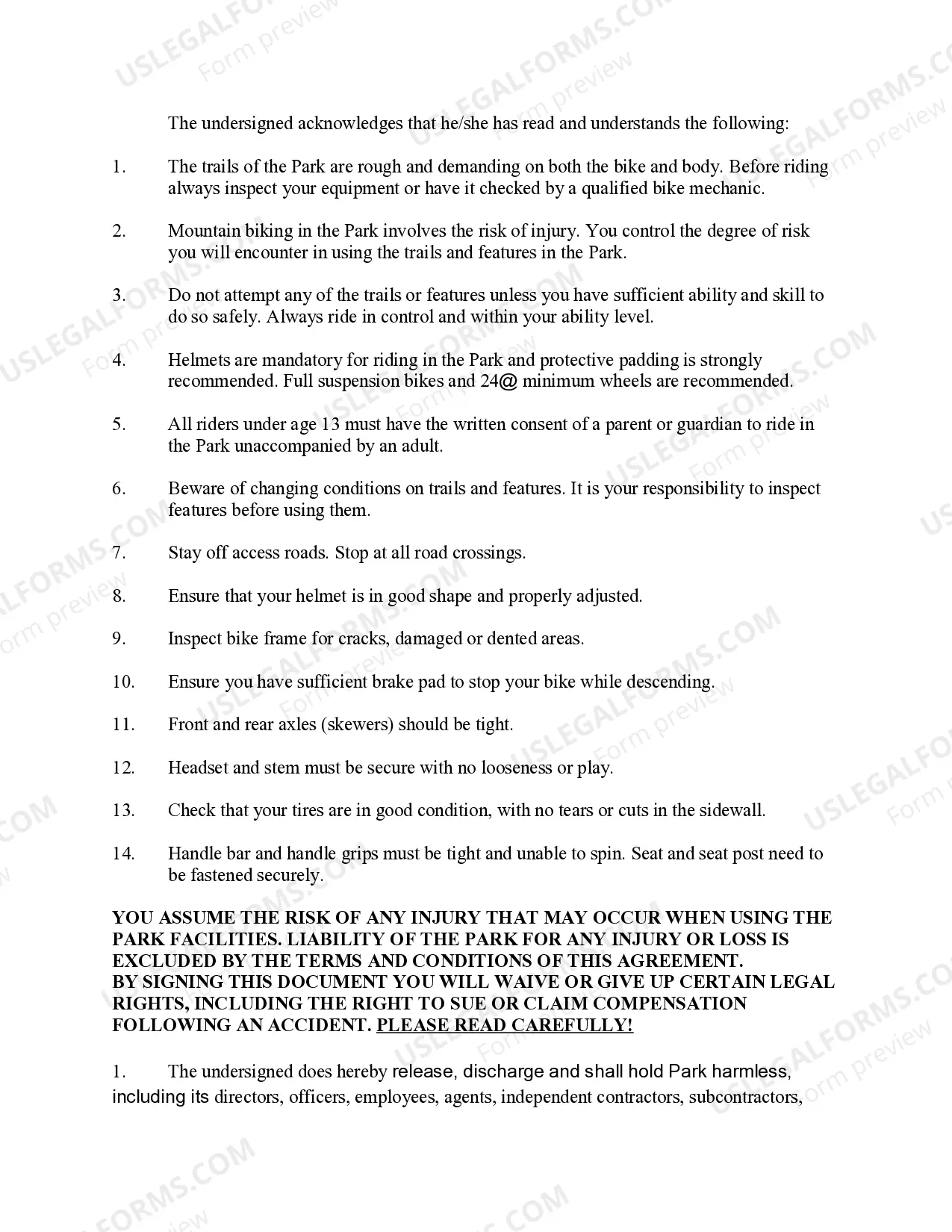
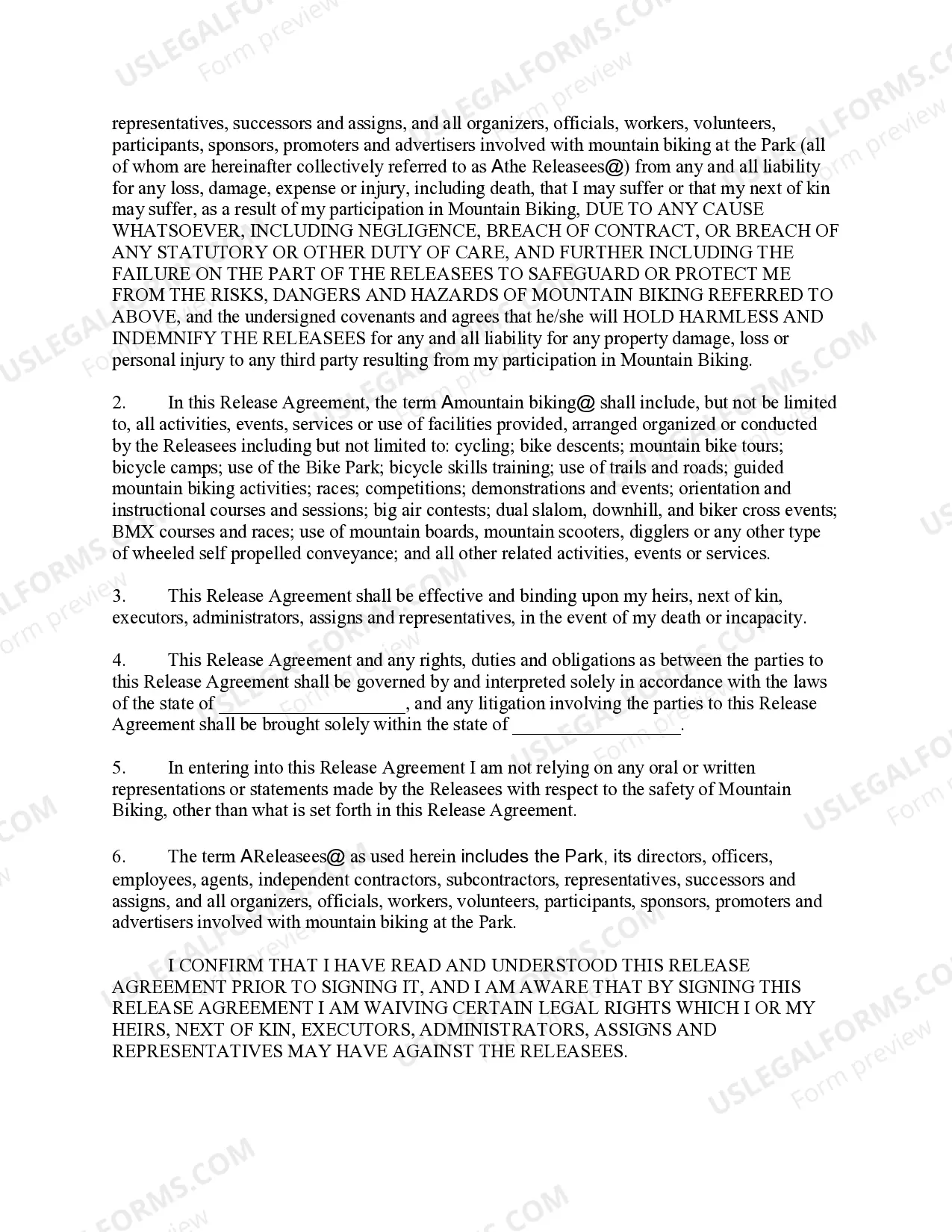
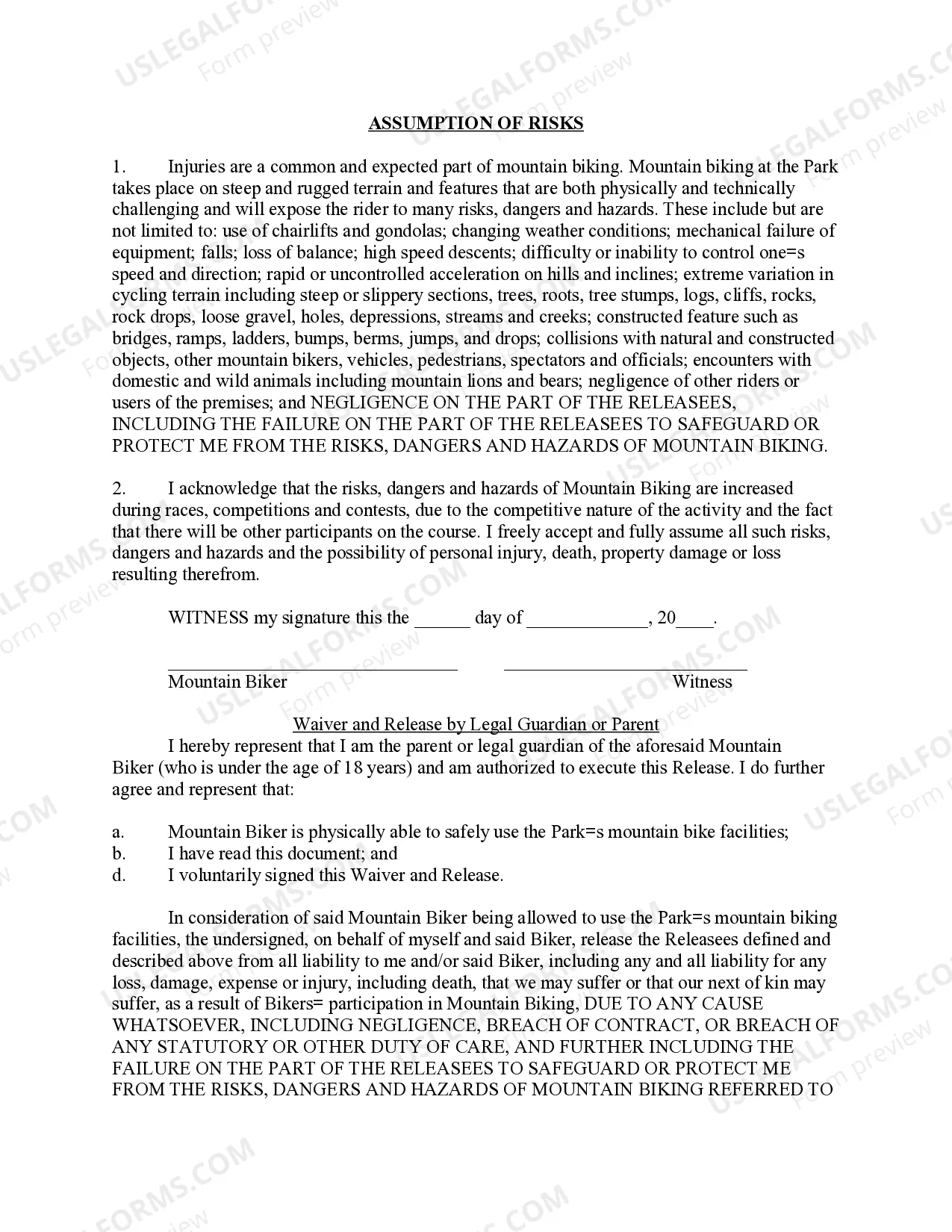
Get your form ready online
Our built-in tools help you complete, sign, share, and store your documents in one place.
Make edits, fill in missing information, and update formatting in US Legal Forms—just like you would in MS Word.
Download a copy, print it, send it by email, or mail it via USPS—whatever works best for your next step.
Sign and collect signatures with our SignNow integration. Send to multiple recipients, set reminders, and more. Go Premium to unlock E-Sign.
If this form requires notarization, complete it online through a secure video call—no need to meet a notary in person or wait for an appointment.
We protect your documents and personal data by following strict security and privacy standards.

Make edits, fill in missing information, and update formatting in US Legal Forms—just like you would in MS Word.

Download a copy, print it, send it by email, or mail it via USPS—whatever works best for your next step.

Sign and collect signatures with our SignNow integration. Send to multiple recipients, set reminders, and more. Go Premium to unlock E-Sign.

If this form requires notarization, complete it online through a secure video call—no need to meet a notary in person or wait for an appointment.

We protect your documents and personal data by following strict security and privacy standards.
Looking for another form?
Form popularity
FAQ
( ACT NO. IX OF 1872 ) 124. A contract by which one party promises to save the other from loss caused to him by the conduct of the promisor himself, or by the conduct of any other person, is called a "contract of indemnity".
Under Texas law, “common-law indemnity is extremely rare and 'only a vestige of common law indemnity remains. '” TIG Ins. Co.
The statute applies to any construction contract executed in Texas where one party agrees to indemnify another party for losses or damages arising from their own negligence. The legislation was enacted to protect insurance companies from liability for claims they did not explicitly agree to underwrite.
The indemnity clause is a risk-shifting provision that requires the contractor to defend, reimburse, and “hold harmless” the owner and architect from claims and liability “arising out of” the contractor's work.
What Is an Indemnification Clause? An indemnification clause is a legally binding agreement between two parties specifying that one party (the indemnifying party) will compensate the other party (the indemnified party) for any losses or damages that may arise from a particular event or circumstance.
With indemnity, the insurer indemnifies the policyholder—that is, promises to make whole the individual or business for any covered loss.
Thus, under §151.104, additional insured provisions, like indemnity provisions, are enforceable only to the extent they provide coverage to the indemnitee/additional insured for the named insured's own fault or negligence.
Drafting an Effective Indemnification Agreement Clearly Define the Scope: Specify what is covered and excluded to avoid ambiguities and possible disputes. Identify Triggering Events. Indemnification Obligations. Set Reasonable Limitations. Include Claim Procedures. Insurance Requirements:
There must be a loss incurred The condition of the contract of indemnity is that “the loss must be incurred by the promisee.” The promisor is not required to make any payments if the promisee suffers no loss.
