Confidentiality Disclosure Agreement In Clinical Research In Broward
Description

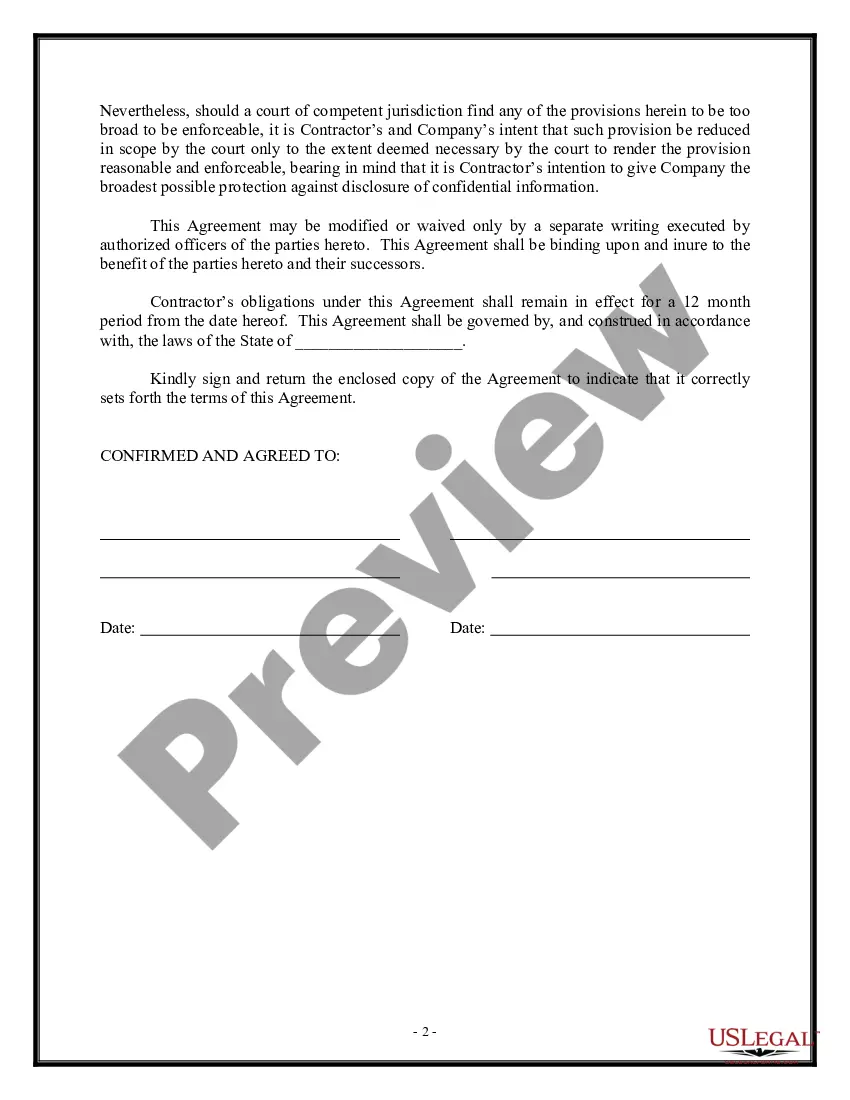
Get your form ready online
Our built-in tools help you complete, sign, share, and store your documents in one place.
Make edits, fill in missing information, and update formatting in US Legal Forms—just like you would in MS Word.
Download a copy, print it, send it by email, or mail it via USPS—whatever works best for your next step.
Sign and collect signatures with our SignNow integration. Send to multiple recipients, set reminders, and more. Go Premium to unlock E-Sign.
If this form requires notarization, complete it online through a secure video call—no need to meet a notary in person or wait for an appointment.
We protect your documents and personal data by following strict security and privacy standards.

Make edits, fill in missing information, and update formatting in US Legal Forms—just like you would in MS Word.

Download a copy, print it, send it by email, or mail it via USPS—whatever works best for your next step.

Sign and collect signatures with our SignNow integration. Send to multiple recipients, set reminders, and more. Go Premium to unlock E-Sign.

If this form requires notarization, complete it online through a secure video call—no need to meet a notary in person or wait for an appointment.

We protect your documents and personal data by following strict security and privacy standards.
Looking for another form?
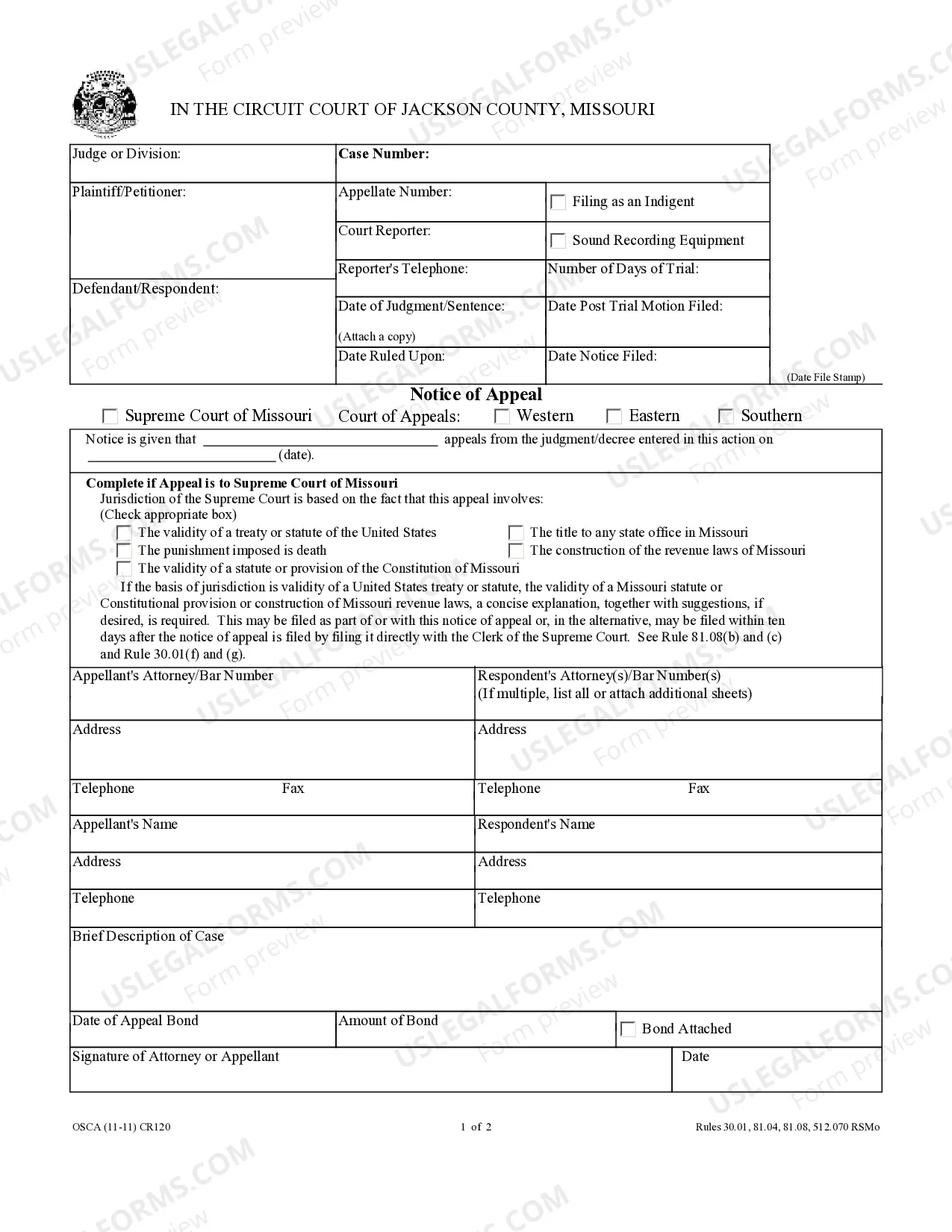
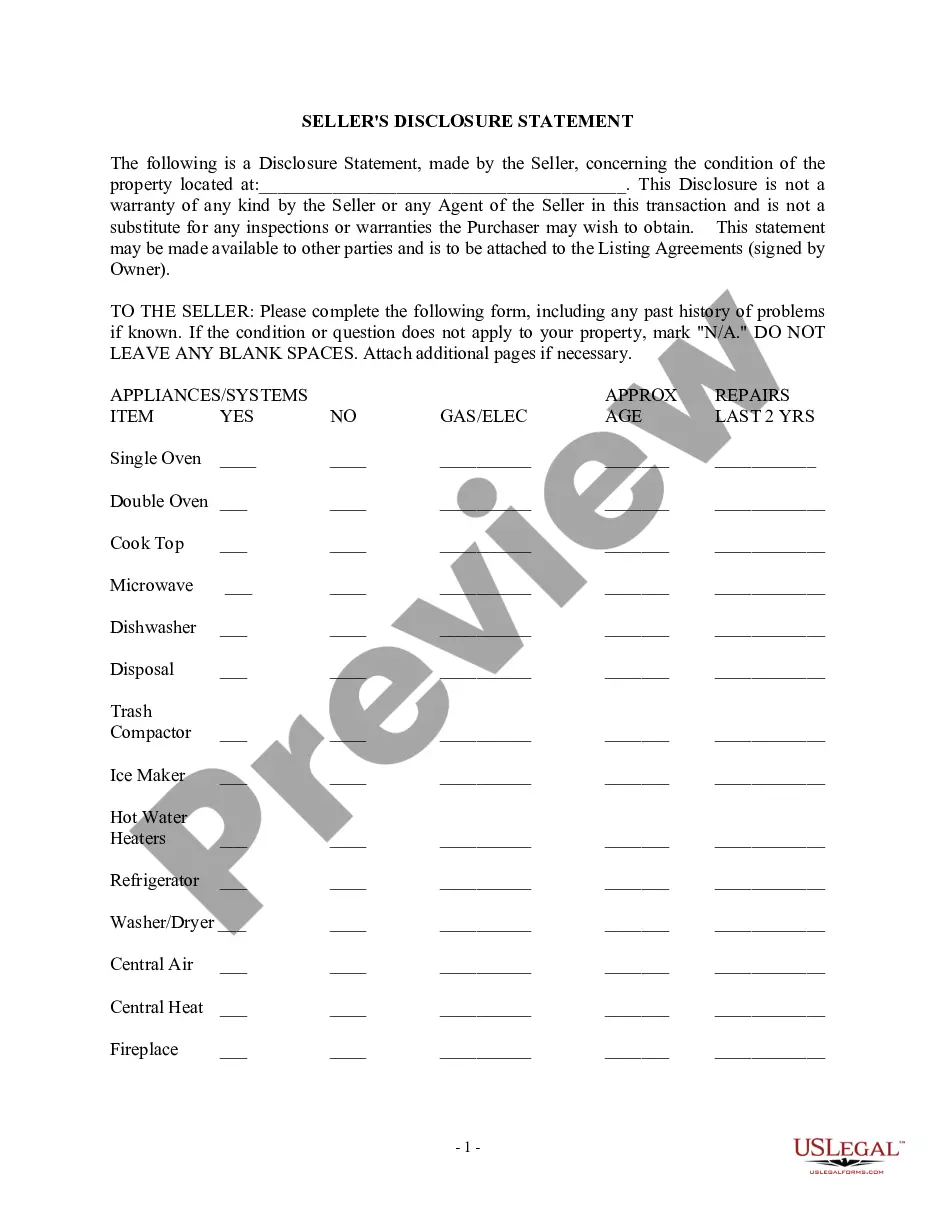

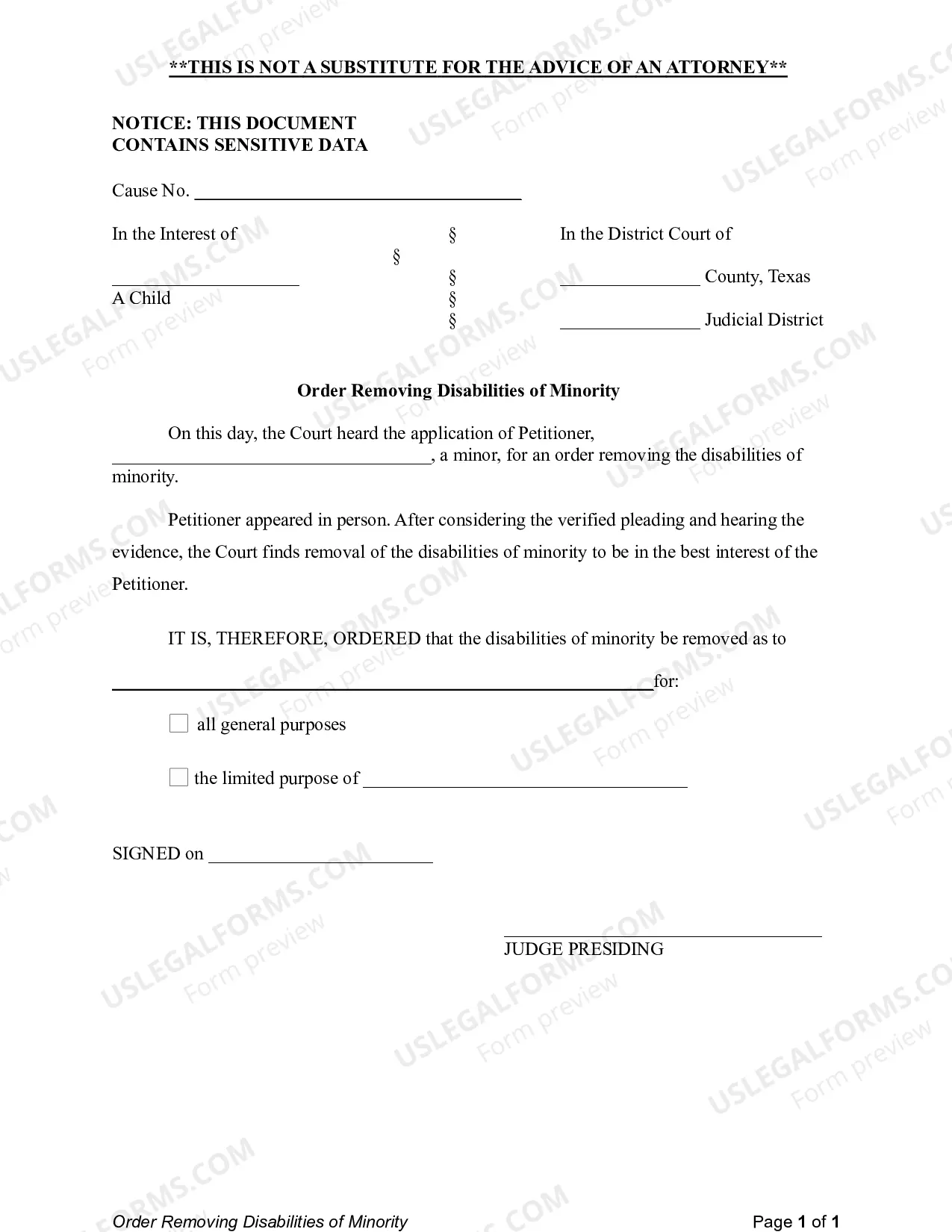

Form popularity
FAQ
A disclaimer should be clear, concise, and polite. For example, you may write: "This letter and its enclosures are confidential and intended for the exclusive use of the addressee. If you are not the intended recipient, please notify the sender immediately and destroy this letter and its enclosures.
These disclaimers generally include statements like: 'the contents of this email are confidential' and 'confidentiality is not waived if you receive it in error'. Much like stamping a document 'confidential' or 'commercial in confidence', these disclaimers do not automatically make the email confidential.
The content of this email is intended for the person or entity to which it is addressed only. This email may contain confidential information. If you are not the person to whom this message is addressed, be aware that any use, reproduction, or distribution of this message is strictly prohibited.
I agree that: a) I shall not share this information, material or documents (information) with persons within or outside of the ________ who are not authorized to have this information. b) I shall not publish such information. c) I shall not communicate such information without authority.
Typically, a legal professional writing the NDA will complete these steps: Step 1 - Describe the scope. Which information is considered confidential? ... Step 2 - Detail party obligations. Step 3 - Note potential exclusions. Step 4 - Set the term. Step 5 - Spell out consequences.
The Order and Contents of a Confidential Information Memorandum Overview and Key Investment Highlights. Products and Services. Market. Sales & Marketing. Management Team. Financial Results and Projections. Risk Factors (Sometimes omitted) Appendices.
To provide you with further inspiration, here are a few examples of confidential email disclaimers: Example 1: This message contains confidential information and is intended solely for the individual named. If you are not the named addressee, you should not disseminate, distribute, or copy this email.
A disclaimer should be clear, concise, and polite. For example, you may write: "This letter and its enclosures are confidential and intended for the exclusive use of the addressee. If you are not the intended recipient, please notify the sender immediately and destroy this letter and its enclosures.
A confidentiality agreement should include the names and addresses of the parties to the contract. Consider also including: Reason for the agreement: Explain why you're sharing this information. The information disclosed: Be specific about the subject matter and what exactly is included in the agreement.
Make sure to include the confidential information you need to protect under the agreement, including business secrets, financial information, and customer data. The agreement should also specify the parties involved, including the disclosing and the receiving parties.
