Firearms Transfer Application Form In Contra Costa
Description
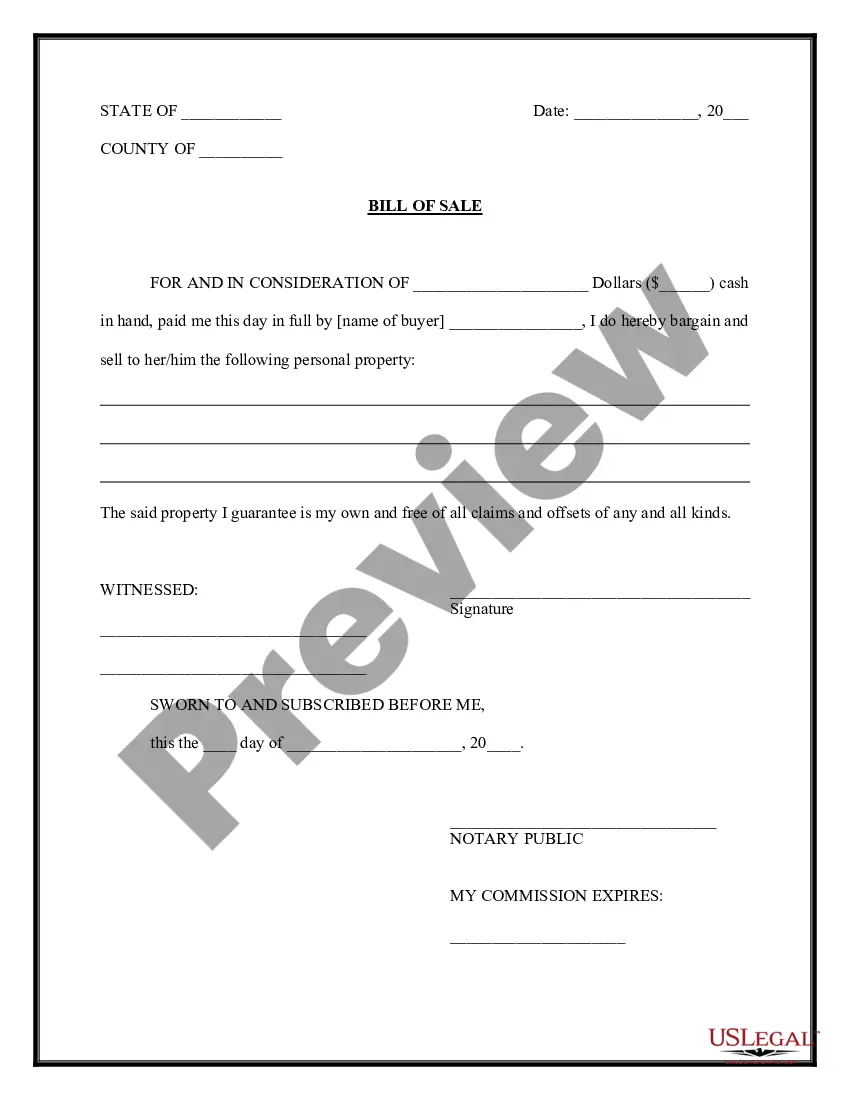
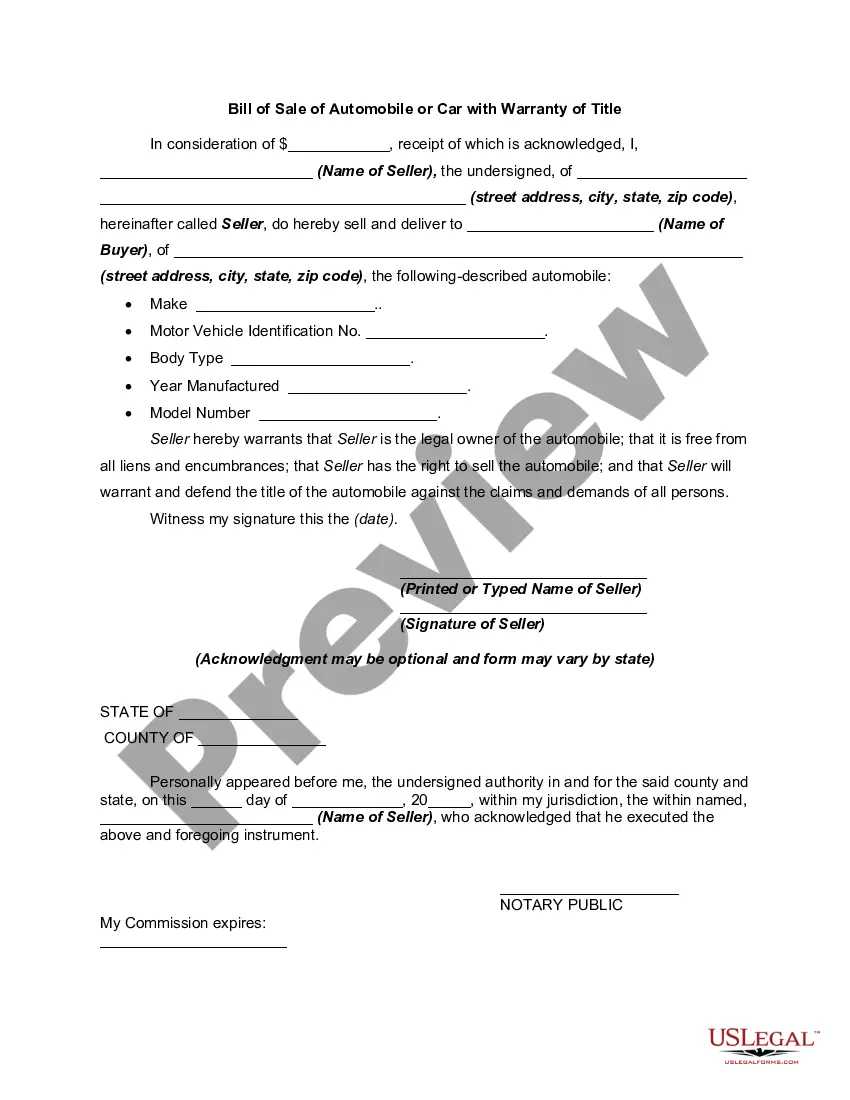
Get your form ready online
Our built-in tools help you complete, sign, share, and store your documents in one place.
Make edits, fill in missing information, and update formatting in US Legal Forms—just like you would in MS Word.
Download a copy, print it, send it by email, or mail it via USPS—whatever works best for your next step.
Sign and collect signatures with our SignNow integration. Send to multiple recipients, set reminders, and more. Go Premium to unlock E-Sign.
If this form requires notarization, complete it online through a secure video call—no need to meet a notary in person or wait for an appointment.
We protect your documents and personal data by following strict security and privacy standards.

Make edits, fill in missing information, and update formatting in US Legal Forms—just like you would in MS Word.

Download a copy, print it, send it by email, or mail it via USPS—whatever works best for your next step.

Sign and collect signatures with our SignNow integration. Send to multiple recipients, set reminders, and more. Go Premium to unlock E-Sign.

If this form requires notarization, complete it online through a secure video call—no need to meet a notary in person or wait for an appointment.

We protect your documents and personal data by following strict security and privacy standards.
Looking for another form?









Form popularity
FAQ
The California Firearms Application Reporting System (CFARS) is a web-based application that will allow an individual to report their firearms to the Department of Justice (DOJ) using California Reporting Information System (CRIS) reporting forms, as outlined in California firearms laws and regulations.
Generally, all firearms purchases and transfers, including private party transactions and sales at gun shows, must be made through a California licensed dealer under the Dealer's Record of Sale (DROS) process. California law imposes a 10-day waiting period before a firearm can be released to a purchaser or transferee.
Pursuant to California Penal Code section 25610, a United States citizen over 18 years of age who is not prohibited from firearm possession, and who resides or is temporarily in California, may transport by motor vehicle any handgun provided it is unloaded and locked in the vehicle's trunk or in a locked container.
Yes, as long as the person receiving the firearm is not in a prohibited category, pdf and the firearm is legal to possess (e.g., not an assault weapon), the transfer of a firearm between a husband and wife or registered domestic partners is exempt from the requirement to use a licensed dealer to perform the transfer.
While there is no federal firearm registration requirement, California law requires that each inherited firearm be registered within 30 days of taking possession. This registration process involves officially documenting the transfer of ownership with the Department of Justice (DOJ).
Generally, the applicant will receive notification within 30 days from the date of the interview whether or not the application for a CCW license has been approved or denied.
What disqualifies you from concealed carry in California? Individuals are disqualified from getting a CCW permit to lawfully carry concealed weapons if they have been convicted of any felony, specific misdemeanors, or any domestic violence offense.
Obtaining a CCW License includes completion of the following steps: submittal of the California Department of Justice application, a background check, Live Scan (electronic fingerprinting), in-person interview, training, range qualification, and the collection of license fees.
California offers concealed carry permits (contrary to popular belief). It is incredibly difficult to attain one in some counties, downright impossible and others, and quite easy in many. You are limited to only the handguns listed on your permit....
CCW license applications are processed through a convenient, online process which takes approximately 90-120 days to complete. CCW licenses are valid for two years from the date of issuance. In order to qualify for a CCW license, an applicant must be: A U.S. Citizen.

