Confidentiality Form For Counseling In Utah
Description

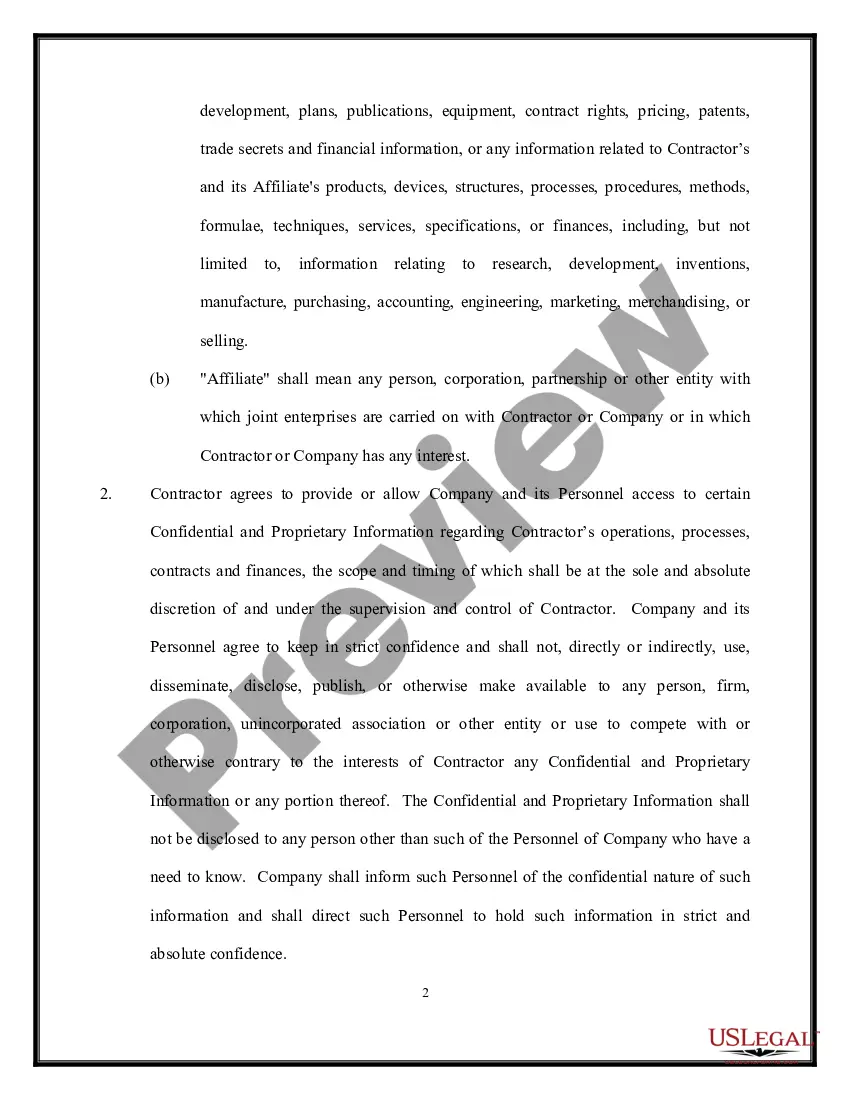
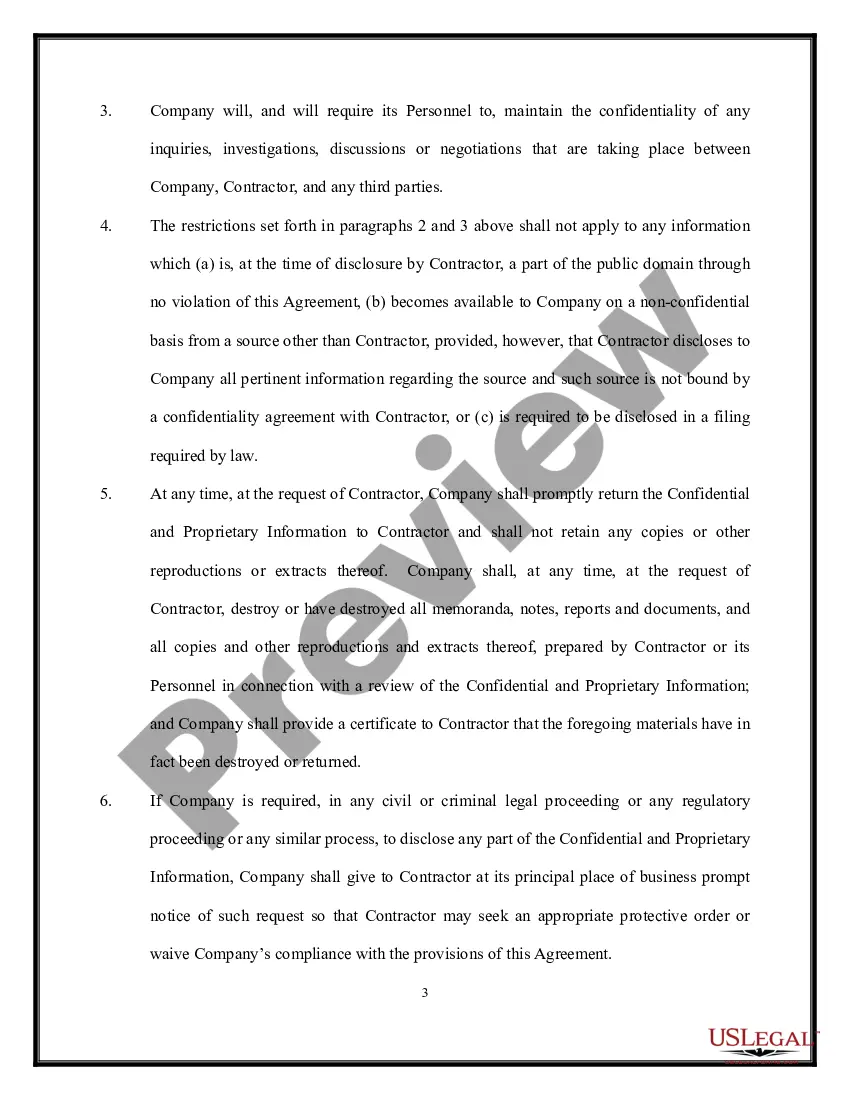
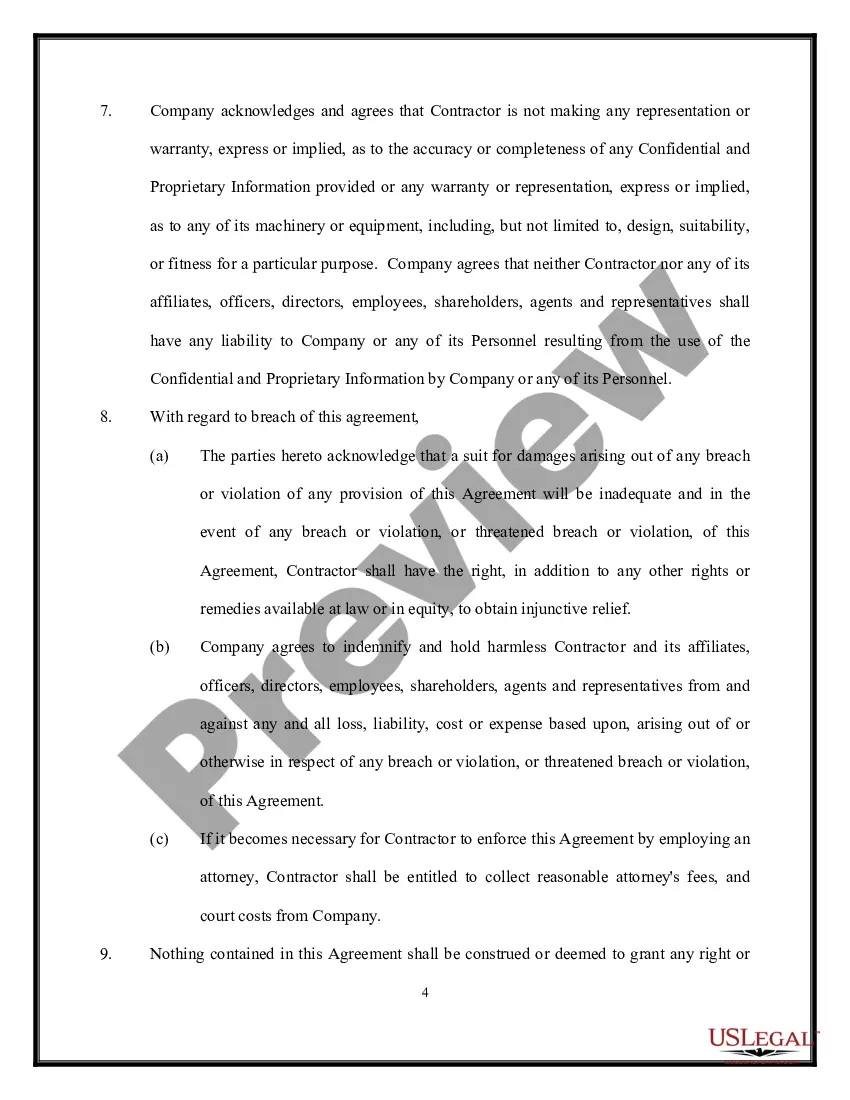
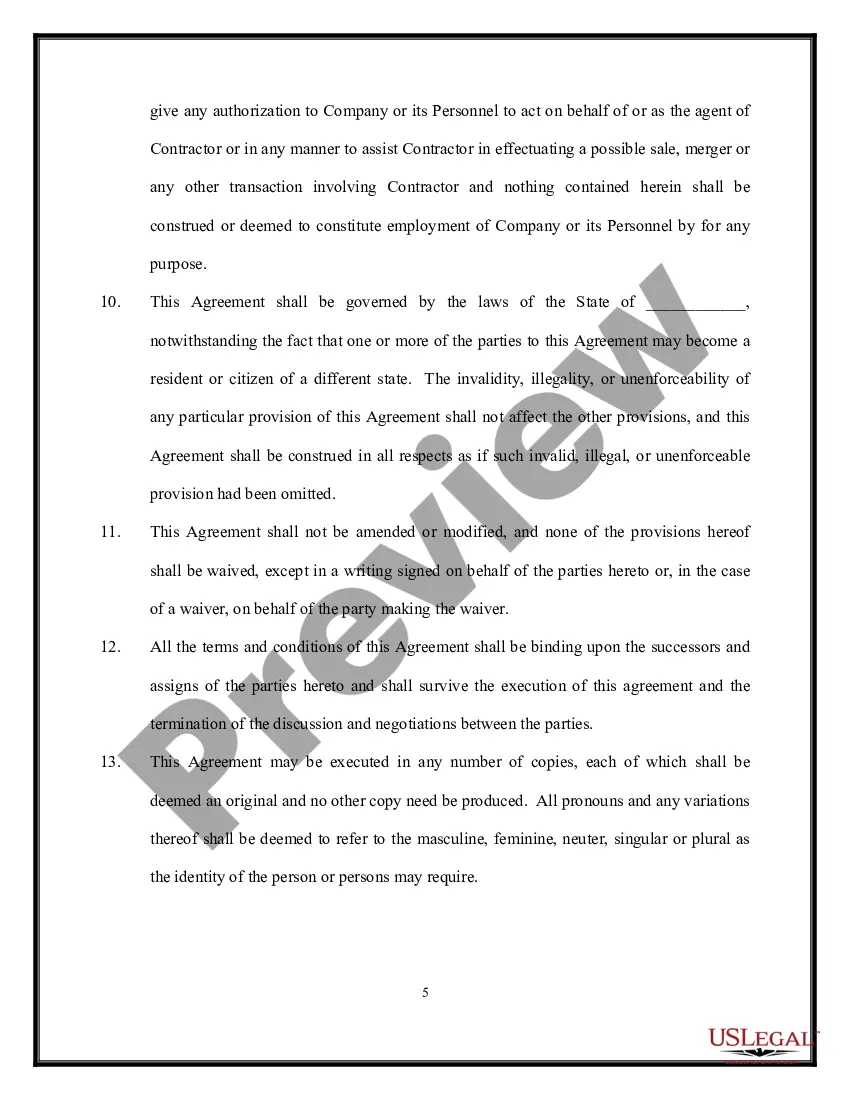
Get your form ready online
Our built-in tools help you complete, sign, share, and store your documents in one place.
Make edits, fill in missing information, and update formatting in US Legal Forms—just like you would in MS Word.
Download a copy, print it, send it by email, or mail it via USPS—whatever works best for your next step.
Sign and collect signatures with our SignNow integration. Send to multiple recipients, set reminders, and more. Go Premium to unlock E-Sign.
If this form requires notarization, complete it online through a secure video call—no need to meet a notary in person or wait for an appointment.
We protect your documents and personal data by following strict security and privacy standards.

Make edits, fill in missing information, and update formatting in US Legal Forms—just like you would in MS Word.

Download a copy, print it, send it by email, or mail it via USPS—whatever works best for your next step.

Sign and collect signatures with our SignNow integration. Send to multiple recipients, set reminders, and more. Go Premium to unlock E-Sign.

If this form requires notarization, complete it online through a secure video call—no need to meet a notary in person or wait for an appointment.

We protect your documents and personal data by following strict security and privacy standards.
Looking for another form?


Form popularity
FAQ
Shall maintain the secrecy all Confidential Information. shall hold in confidence all Confidential Information. shall protect all Confidential Information against disclosure. shall safeguard all Confidential Information.
Guidelines on How to Explain Confidentiality to a Client Start from the Beginning. Define Confidentiality. Clarify the Exceptions. Emphasize the Trust Factor. Encourage Questions. Reporting Harm to Self or Others. Child Abuse or Neglect. Court Orders.
You need to report that therapist to your local licensing board and file a formal complaint. Breaching confidentiality outside of boundaries and ethical reasoning is inexcusable.
Answer: Professionals should communicate a confidentiality breach professionally by acknowledging the breach, informing affected parties, and outlining corrective actions. Transparency and humility are crucial in fostering understanding and trust amidst such incidents.
In Utah, psychologists are not bound by confidentiality laws in cases where “the disclosure is part of an administrative, civil, or criminal proceeding and is made under an exemption from evidentiary privilege under Rule 506, Utah Rules of Evidence.” In other words, the therapist can come forward to law enforcement if ...
5 Best Practices For Maintaining Client Confidentiality Communicate And Share Files On A Secure Platform. Keep All Client Data In A Secure Place. Set Permissions And Secure Login. Implement Security Training And Proper Screening For Staff. Make The Most Of Security Technology.
Follow HIPAA. ing to the law, therapists can share information related to treatment with others involved in the client's care only if the client consents. One of the most important components of HIPAA for therapist confidentiality is Title II.
I cannot and will not tell anyone else what you have told me, or even that you are in therapy with me without your prior permission. You can authorize me to share information with whomever you choose, and you may change your mind and revoke that permission at anytime.
What are examples of Confidential Information? Examples of confidential information include a person's phone number and address, medical records, and social security. Companies also have confidential information such as financial records, trade secrets, customer information, and marketing strategies.
I agree that I owe the Company and such third parties, during the term of my employment and thereafter, a duty to hold all such confidential or proprietary information in the strictest confidence and not to disclose it to any person, firm or corporation (except as necessary in carrying out my work for the Company ...
