Nondisclosure Confidentiality Contract With Client In Santa Clara
Description

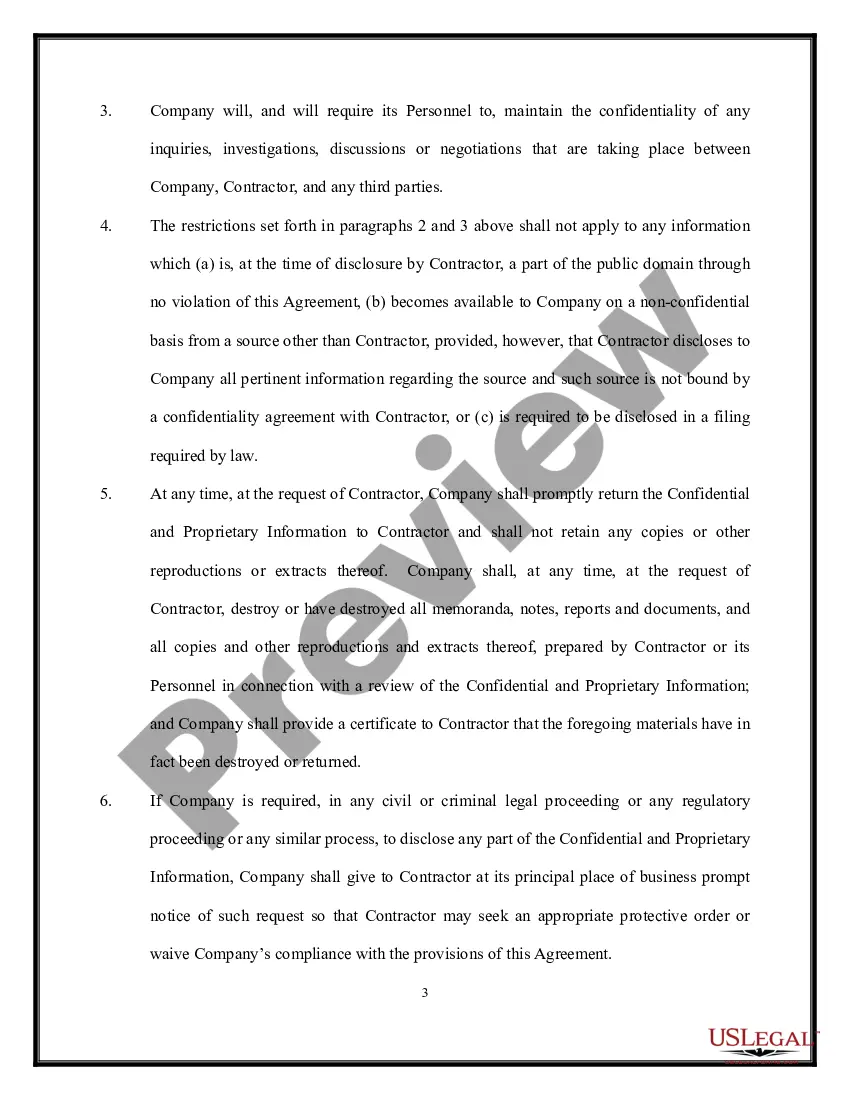
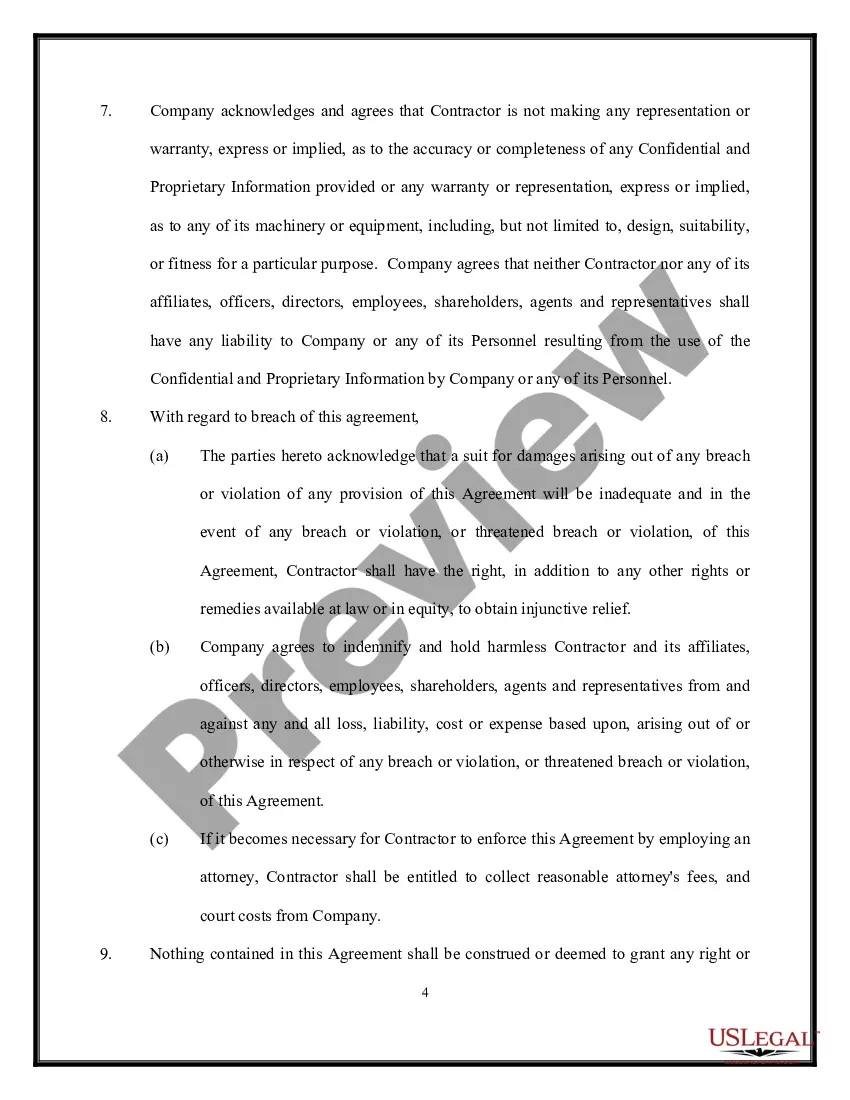
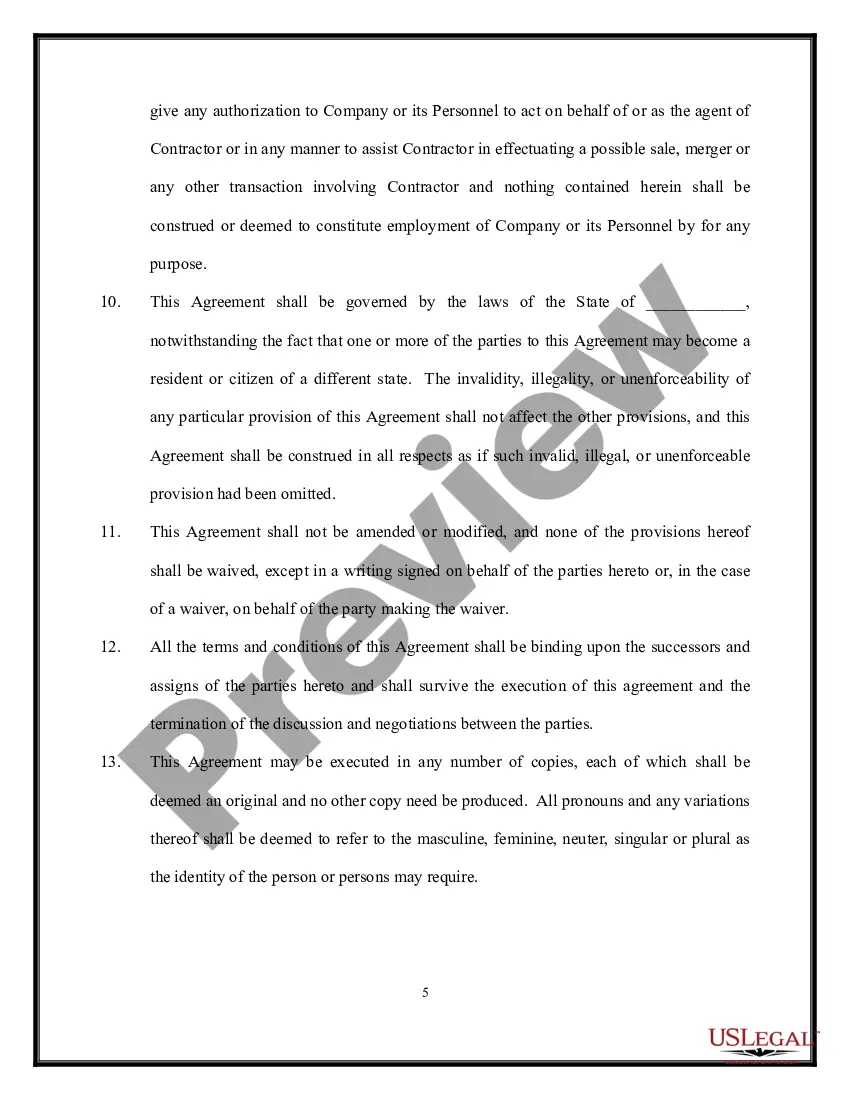
Get your form ready online
Our built-in tools help you complete, sign, share, and store your documents in one place.
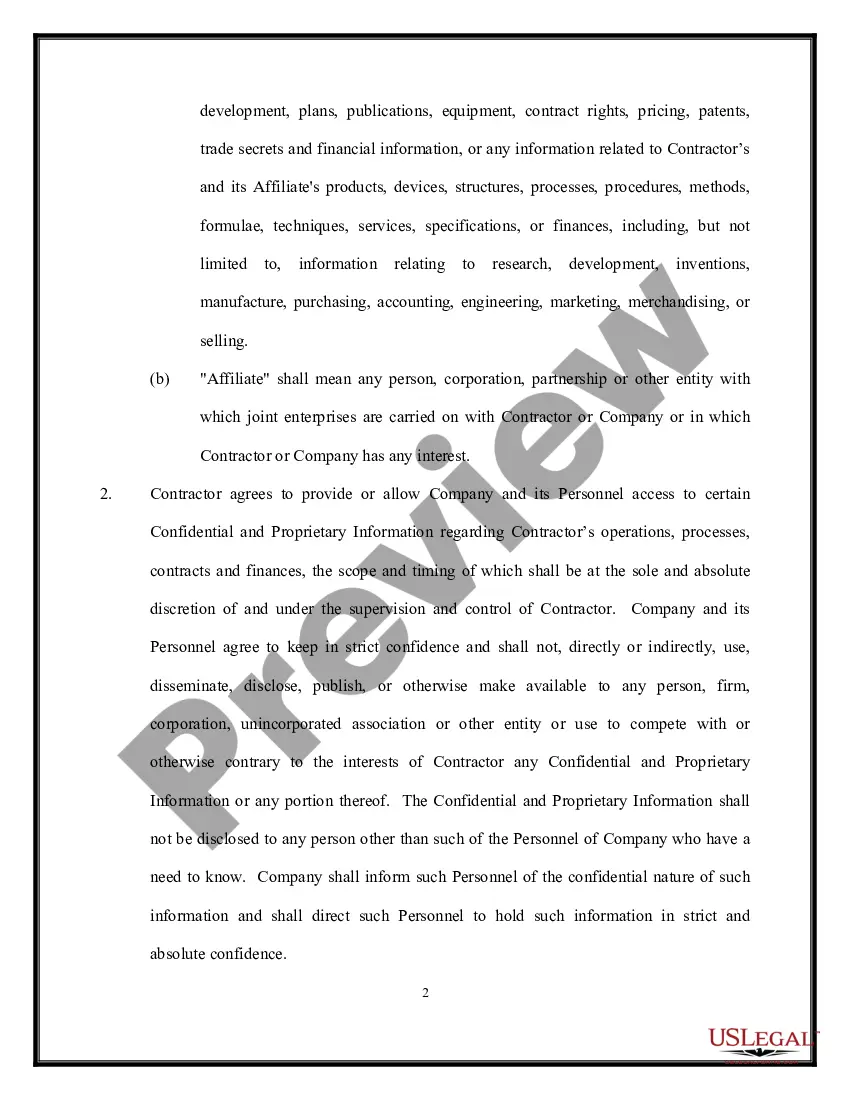
Make edits, fill in missing information, and update formatting in US Legal Forms—just like you would in MS Word.
Download a copy, print it, send it by email, or mail it via USPS—whatever works best for your next step.
Sign and collect signatures with our SignNow integration. Send to multiple recipients, set reminders, and more. Go Premium to unlock E-Sign.
If this form requires notarization, complete it online through a secure video call—no need to meet a notary in person or wait for an appointment.
We protect your documents and personal data by following strict security and privacy standards.

Make edits, fill in missing information, and update formatting in US Legal Forms—just like you would in MS Word.

Download a copy, print it, send it by email, or mail it via USPS—whatever works best for your next step.

Sign and collect signatures with our SignNow integration. Send to multiple recipients, set reminders, and more. Go Premium to unlock E-Sign.

If this form requires notarization, complete it online through a secure video call—no need to meet a notary in person or wait for an appointment.

We protect your documents and personal data by following strict security and privacy standards.
Looking for another form?



Form popularity
FAQ
CMIA requires a health care provider, health care service plan, pharmaceutical company, or contractor who creates, maintains, preserves, stores, abandons, destroys, or disposes of medical records to do so in a manner that preserves the confidentiality of the information contained within those records.
Non-Disclosure Agreements (NDAs) and non-solicit clauses are vital for protecting a company's confidential information and business interests. In these agreements, it should specifically be restricted to using the employer's confidential information for soliciting the company's clients and/or employees.
In California, a nondisclosure agreement may be enforceable, provided it meets basic criteria. The restrictive covenant must be properly drafted. This entails clear writing, detailed information about the confidential components of the contract, and a clearly stated extent of the confidentiality obligation.
Starting January 1, 2025, businesses settling disputes with consumers cannot condition any refund or other consideration on a consumer agreeing not to make statements about the business, regardless of the sentiment or accuracy of those statements. The text of the new Cal. Civ. Code § 1748.50 can be found here.
In California, a nondisclosure agreement may be enforceable, provided it meets basic criteria. The restrictive covenant must be properly drafted. This entails clear writing, detailed information about the confidential components of the contract, and a clearly stated extent of the confidentiality obligation.
NDAs should have a clear description of the purpose, parties, and duration they cover. Specifying time limits or periods that your employees are subject to confidentiality is particularly important to ensure your NDA is enforceable in California. The typical time period is one to five years.
The new rule mandates that businesses inform their employees that they have at least five days to review any separation or severance arrangements.
An NDA that prevents an employee from working in their profession or field of trade may be considered a non-compete agreement. In California, non-compete agreements are more rarely enforceable. NDAs can also not be used to prevent the reporting of illegal activity or to silence whistleblowers.
The key elements of Non-Disclosure Agreements: Identification of the parties. Definition of what is deemed to be confidential. The scope of the confidentiality obligation by the receiving party. The exclusions from confidential treatment. The term of the agreement.
I hereby undertake to treat as confidential all and any information that I receive while participating in the work of evaluating project proposals, to use this information solely for the purpose of evaluation of the proposals, not to disclose it to any third party and not to make it publicly available or accessible ...
