Confidentiality Agreement Form Template With Signature In San Bernardino
Description

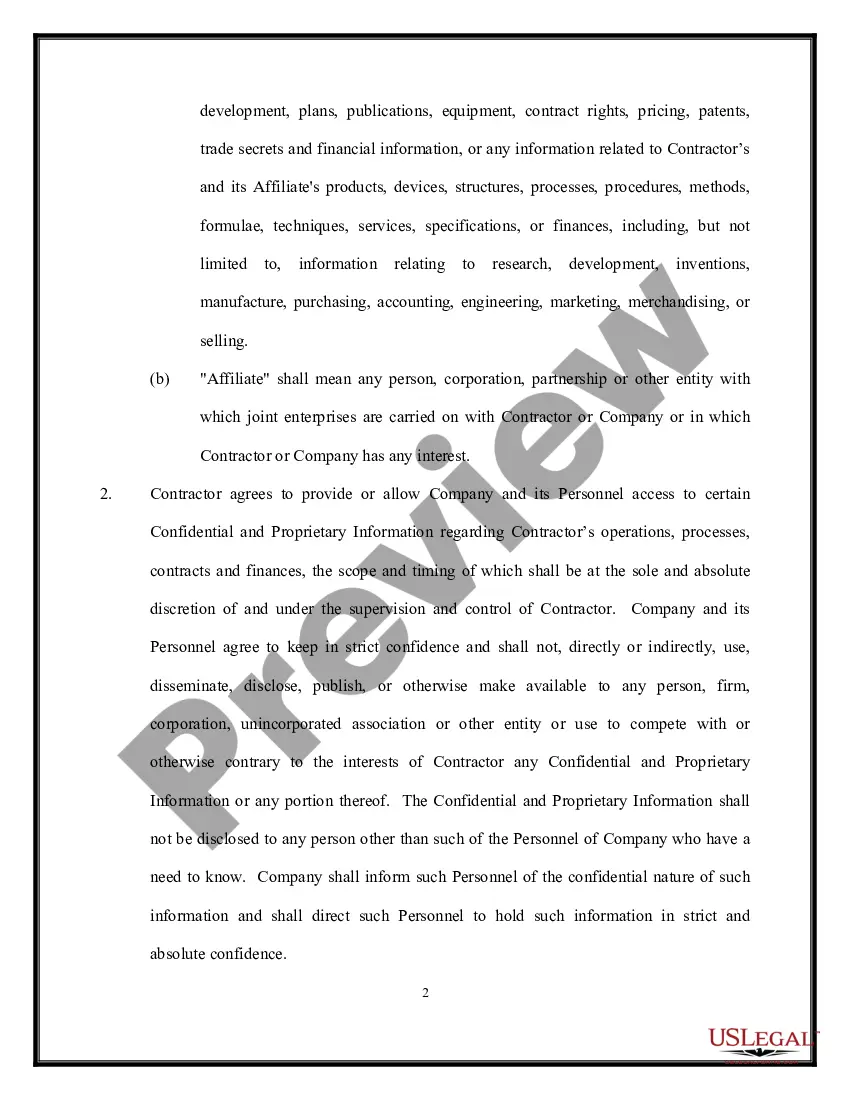
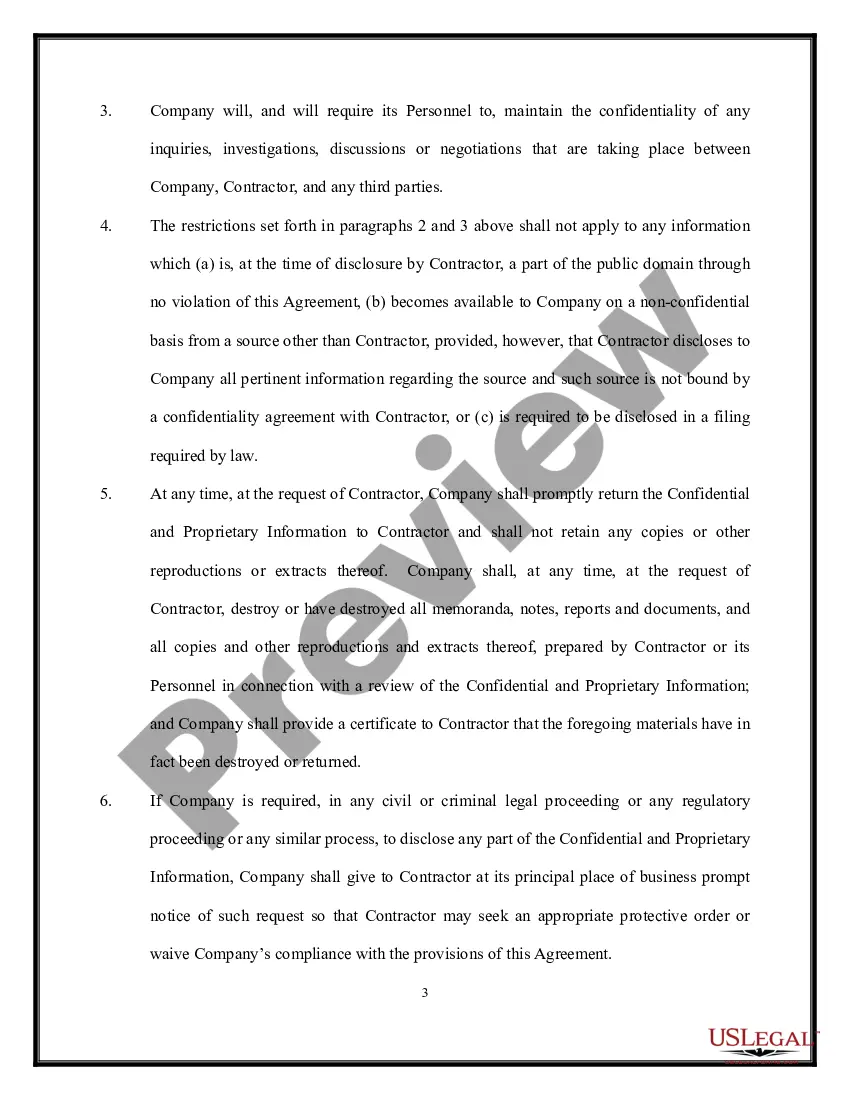
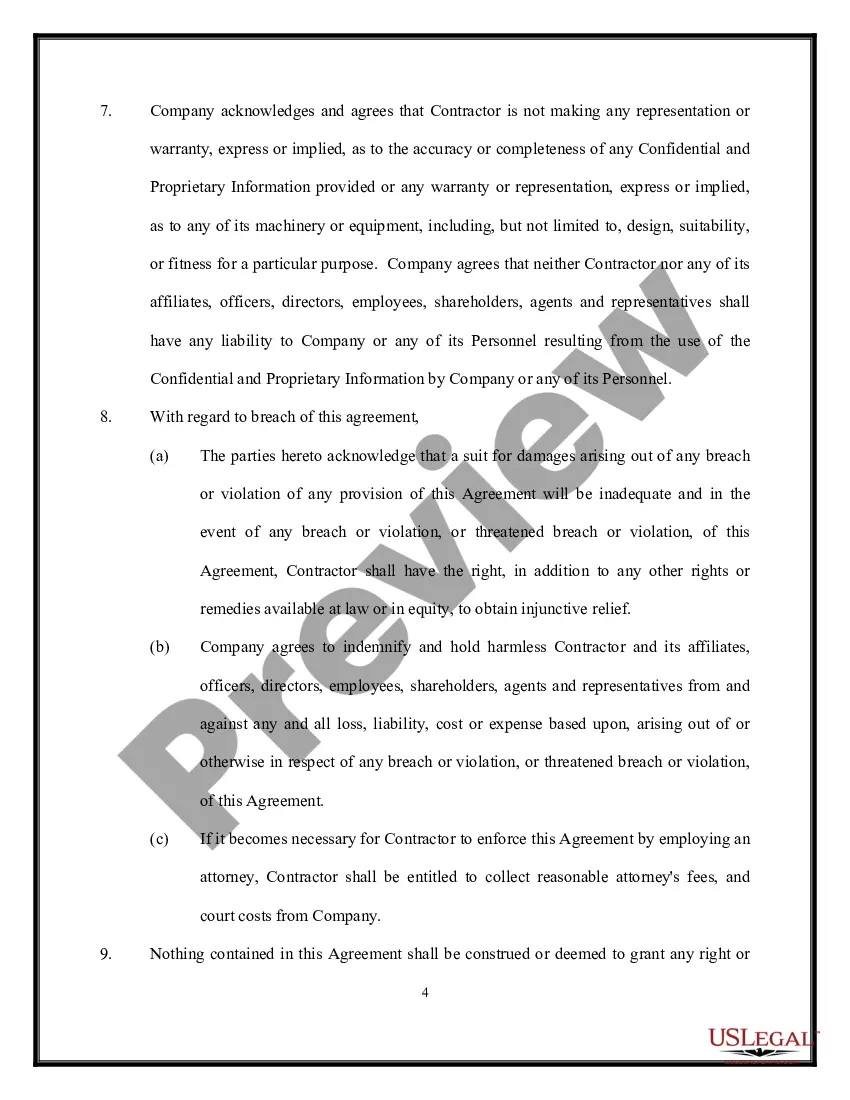
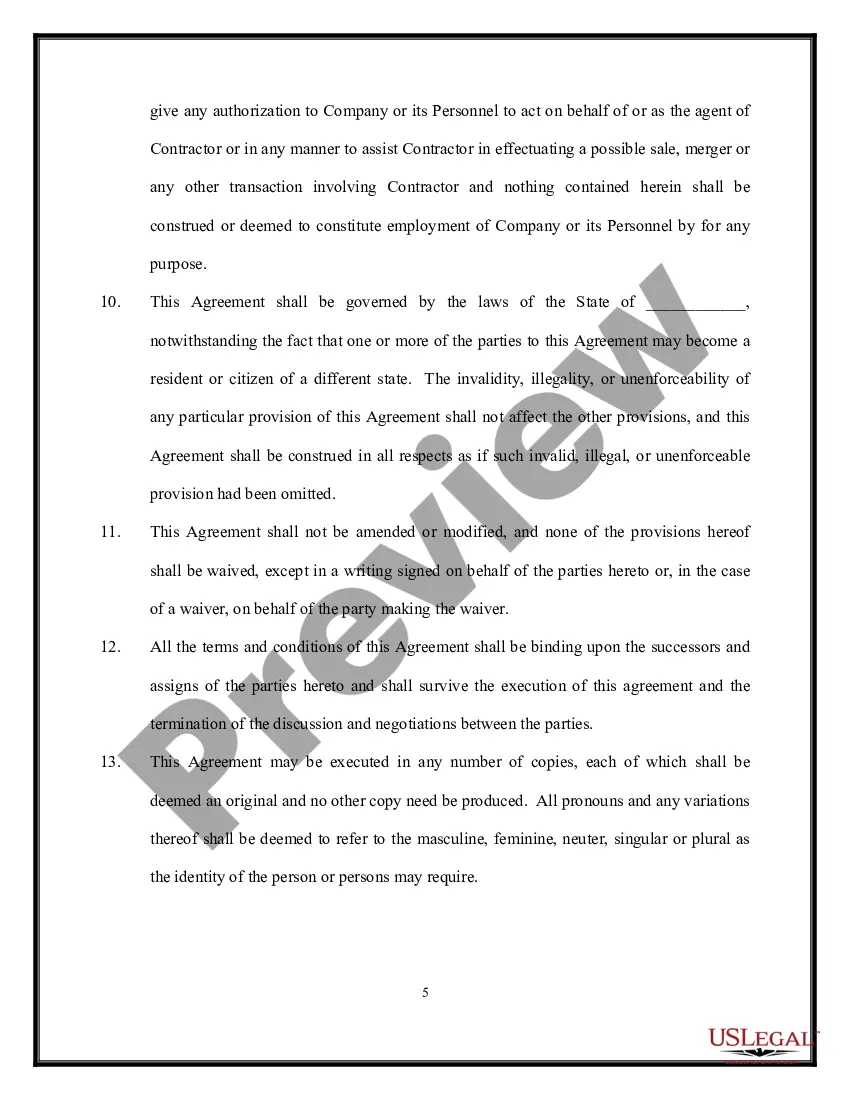
Get your form ready online
Our built-in tools help you complete, sign, share, and store your documents in one place.
Make edits, fill in missing information, and update formatting in US Legal Forms—just like you would in MS Word.
Download a copy, print it, send it by email, or mail it via USPS—whatever works best for your next step.
Sign and collect signatures with our SignNow integration. Send to multiple recipients, set reminders, and more. Go Premium to unlock E-Sign.
If this form requires notarization, complete it online through a secure video call—no need to meet a notary in person or wait for an appointment.
We protect your documents and personal data by following strict security and privacy standards.

Make edits, fill in missing information, and update formatting in US Legal Forms—just like you would in MS Word.

Download a copy, print it, send it by email, or mail it via USPS—whatever works best for your next step.

Sign and collect signatures with our SignNow integration. Send to multiple recipients, set reminders, and more. Go Premium to unlock E-Sign.

If this form requires notarization, complete it online through a secure video call—no need to meet a notary in person or wait for an appointment.

We protect your documents and personal data by following strict security and privacy standards.
Looking for another form?
Form popularity
FAQ
Whether or not the overall agreement has a definite term, the parties' nondisclosure obligations can be stated to survive for a set period. Survival periods of one to five years are typical. The term often depends on the type of information involved and how quickly the information changes.
Confidential Disclosure Agreements (CDAs)/NDAs CDAs are commonly executed when two parties are considering a relationship/collaboration together and need to understand the other's processes, methods, or technology solely for the purpose of evaluating the potential for a future relationship.
A confidentiality agreement should include the names and addresses of the parties to the contract. Consider also including: Reason for the agreement: Explain why you're sharing this information. The information disclosed: Be specific about the subject matter and what exactly is included in the agreement.
How to Write a Confidentiality Agreement Outline the Scope of the Confidentiality Agreement. Outline Potential Exclusions. Define Confidentiality Terms. Outline Consequences. Consult With a Lawyer.
Confidentiality agreements (or non-disclosure agreements (NDAs)) are frequently entered into to protect confidentiality of information disclosed during negotiations for all kinds of transactions such as for the sale of a business, the entry into a partnership or joint venture, when engaging an external consultant and ...
Consider using an NDA any time you enter into a confidential business relationship, but especially before you do any of the following: Discuss the sale or licensing of your intellectual property, including any product or technology. Grant employees or contractors access to trade secrets or other proprietary information.
In California, a nondisclosure agreement may be enforceable, provided it meets basic criteria. The restrictive covenant must be properly drafted. This entails clear writing, detailed information about the confidential components of the contract, and a clearly stated extent of the confidentiality obligation.
An NDA could be unenforceable if it is too broad, is not for a defined time period, covers information that is not confidential, or asks for illegal conduct.
I understand that any information concerning the identities and information shared by people participating in project-related focus groups, individual interviews, or other needs assessment activities is to be kept confidential at all times.
