Non Disclosure Confidentiality Agreement For Employees In San Antonio
Description

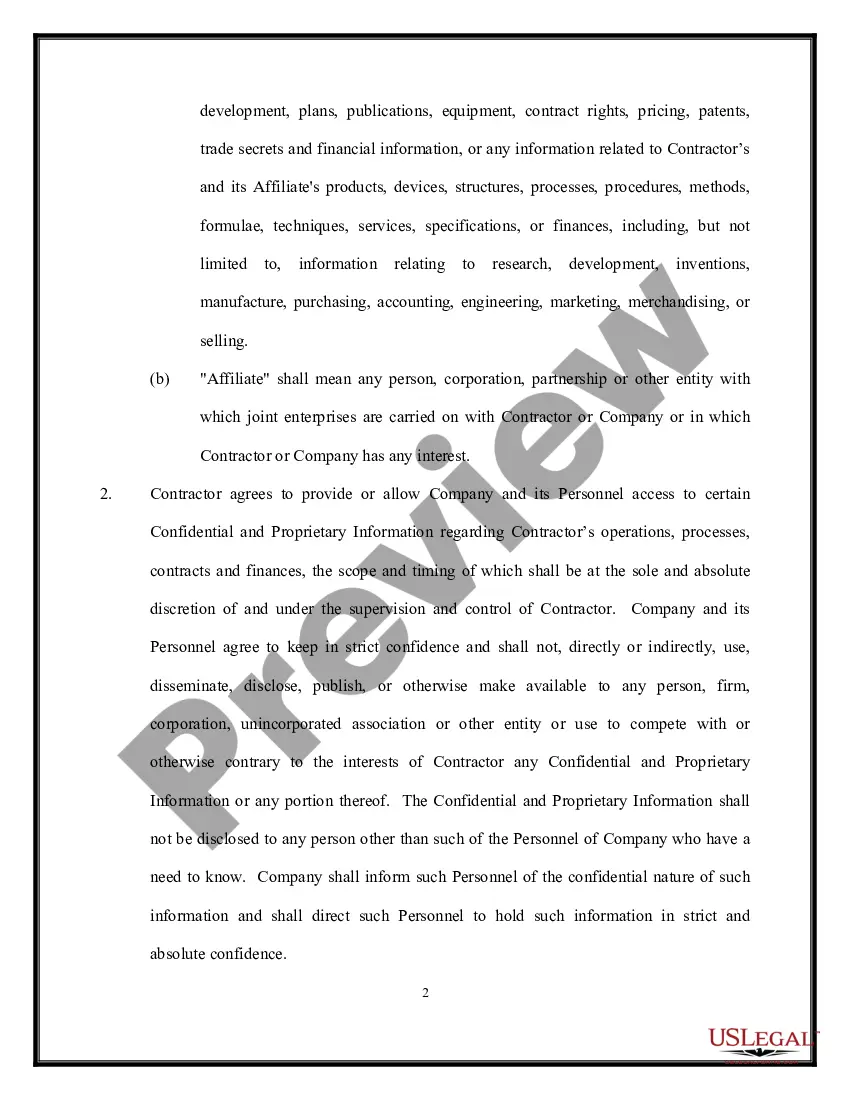
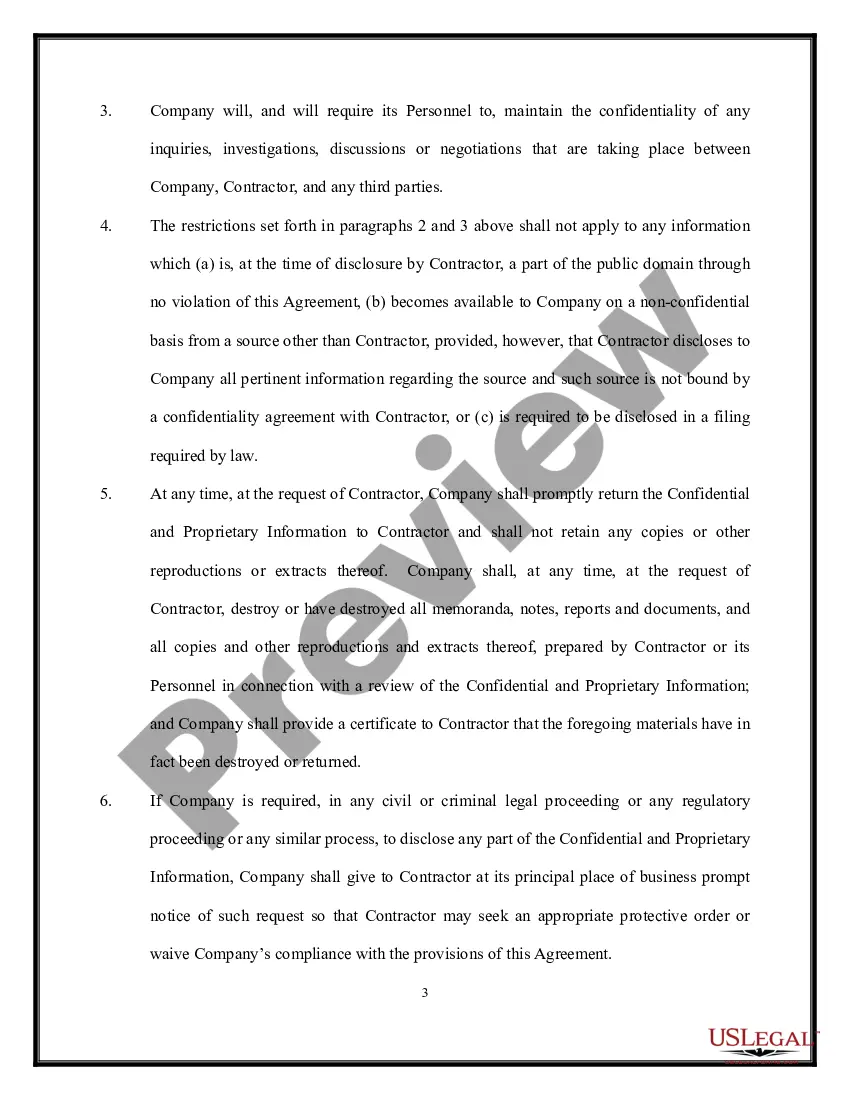
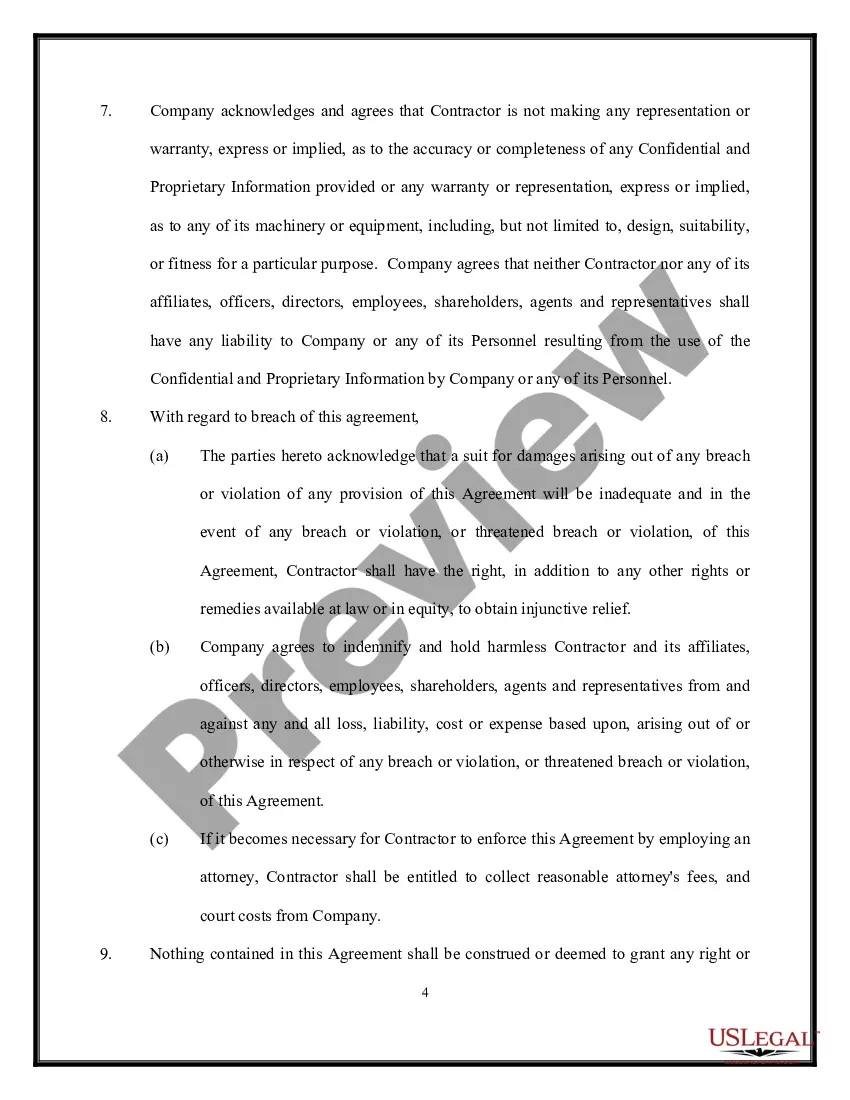
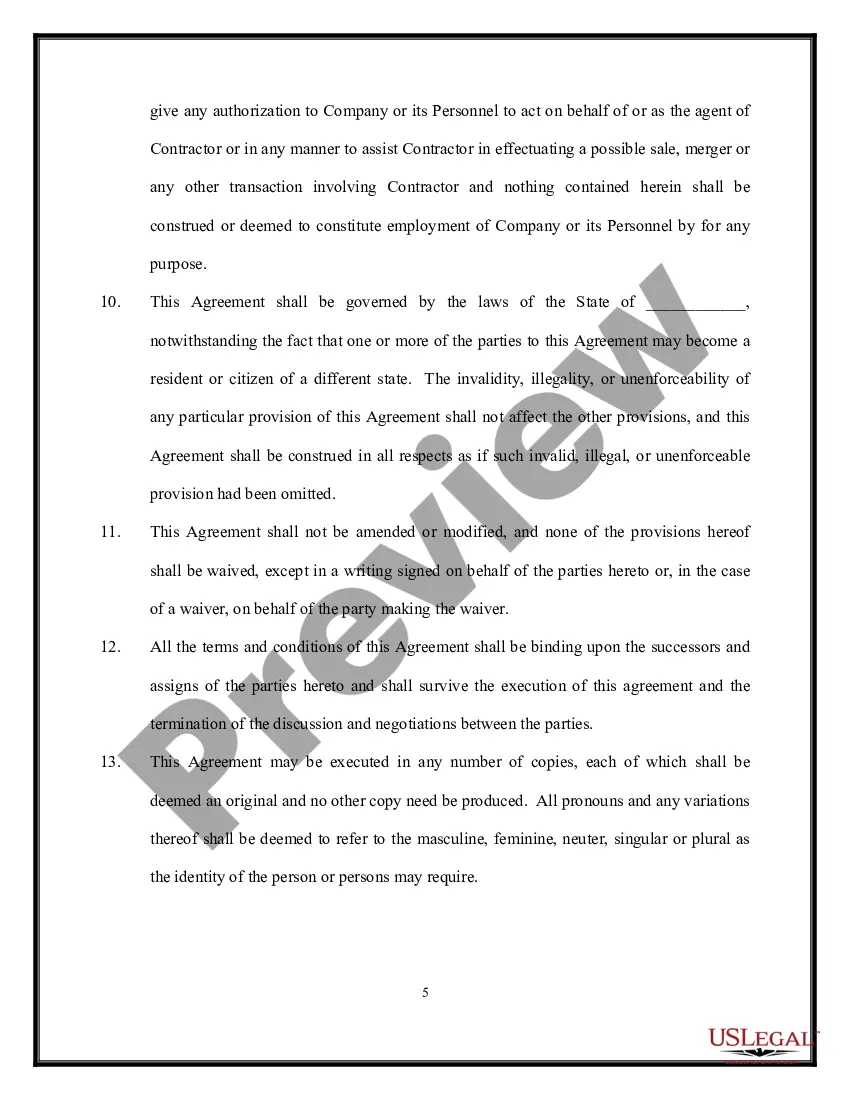
Get your form ready online
Our built-in tools help you complete, sign, share, and store your documents in one place.
Make edits, fill in missing information, and update formatting in US Legal Forms—just like you would in MS Word.
Download a copy, print it, send it by email, or mail it via USPS—whatever works best for your next step.
Sign and collect signatures with our SignNow integration. Send to multiple recipients, set reminders, and more. Go Premium to unlock E-Sign.
If this form requires notarization, complete it online through a secure video call—no need to meet a notary in person or wait for an appointment.
We protect your documents and personal data by following strict security and privacy standards.

Make edits, fill in missing information, and update formatting in US Legal Forms—just like you would in MS Word.

Download a copy, print it, send it by email, or mail it via USPS—whatever works best for your next step.

Sign and collect signatures with our SignNow integration. Send to multiple recipients, set reminders, and more. Go Premium to unlock E-Sign.

If this form requires notarization, complete it online through a secure video call—no need to meet a notary in person or wait for an appointment.

We protect your documents and personal data by following strict security and privacy standards.
Looking for another form?



Form popularity
FAQ
There are three types of NDAs: unilateral, bilateral, and multilateral. Read on to learn when you should use each type.
Employee name agrees and acknowledges that any disclosure of any Confidential Information prohibited herein or any breach of the provisions herein may result in irreparable injury and damage to Company namewhich will not be adequately compensable in monetary damages, that Company namewill have no adequate ...
Yes, nonsolicitation agreements are still enforceable in Texas, provided they meet certain criteria: Reasonableness: The agreement must be reasonable in scope and duration. It should only cover geographic areas and time periods that are necessary to protect legitimate business interests.
The agreements impose burdens that require policing and impose costs on the party receiving confidential information. The receiving party may seek to limit this burden by negotiating for an explicit expiration of the party's obligations to maintain confi- dentiality, often a five- to ten-year term.
Term of agreement and survival of nondisclosure obligations Confidentiality agreements can run indefinitely, covering the parties' disclosures of confidential information at any time, or can terminate on a certain date or event.
“The Receiving Party agrees to maintain the confidentiality of the Disclosing Party's Proprietary Information for a period of five (5) years from the date of disclosure, unless such information becomes publicly available through no fault of the Receiving Party or as required by law.”
In a unilateral NDA, one party agrees not to reveal confidential information. In a mutual NDA, both sides agree that they will not share confidential information. In all other aspects, these two types of confidentiality agreements are identical, especially when it comes to enforcement and the consequences of a breach.
As such, periods of confidentiality are typically 2-5 years from disclosure of the Confidential Information. Consequences of a breach. The NDA should spell out the consequences of a party's breach of the NDA. These can include the damages or other compensation for the breach.
Five other key features must be included in your NDA to ensure it's legally binding, including a description of confidential information, obligations of the parties involved, any exclusions, the term of the agreement and consequences of a breach.
Absolutely. Texas businesses can and should continue to protect their interests through legally compliant nonsolicitation and nondisclosure agreements. The key is ensuring that these agreements are drafted to meet legal standards for reasonableness and necessity.
