Non Disclosure Confidentiality Agreement For Employees In Queens
Description

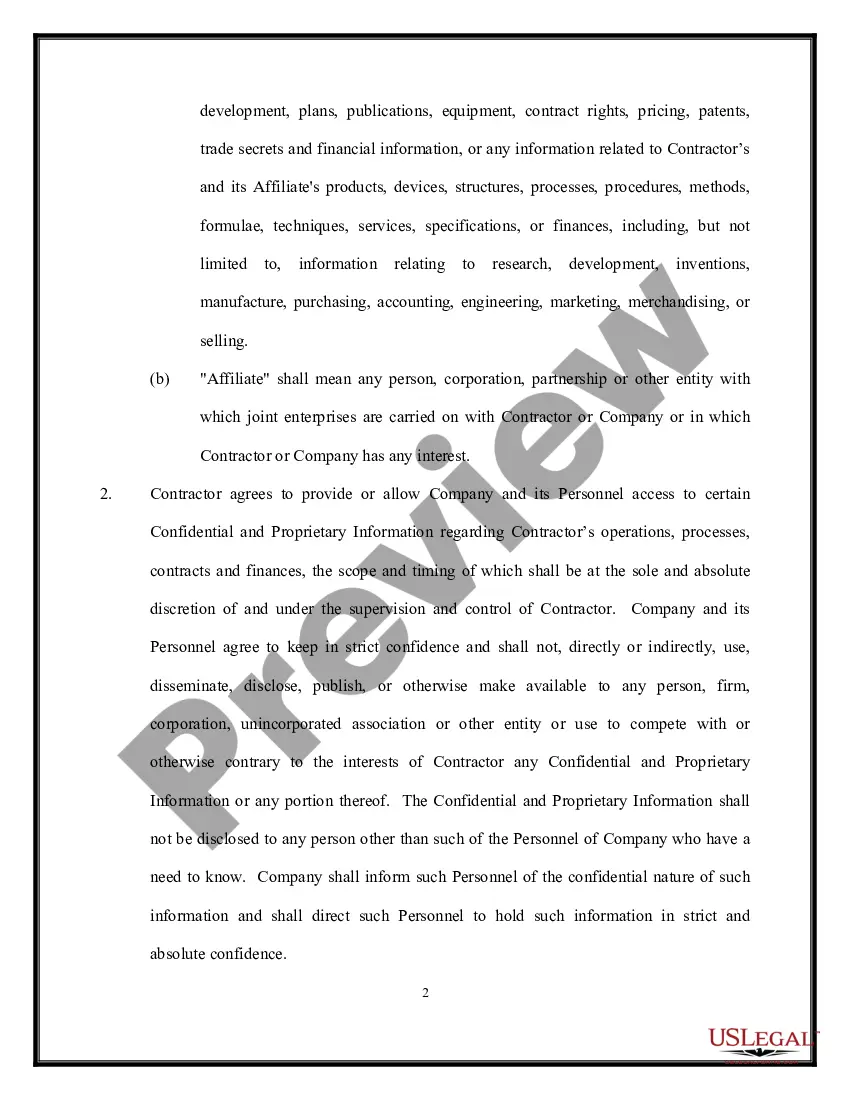
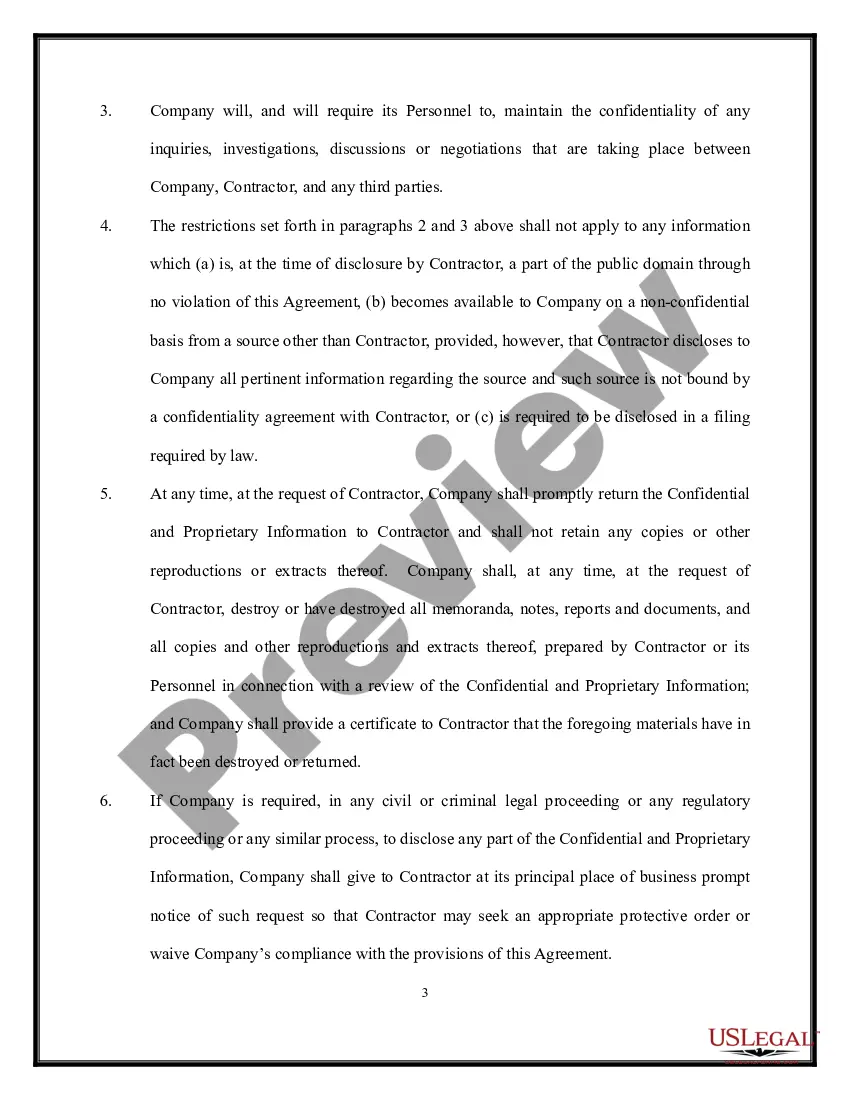
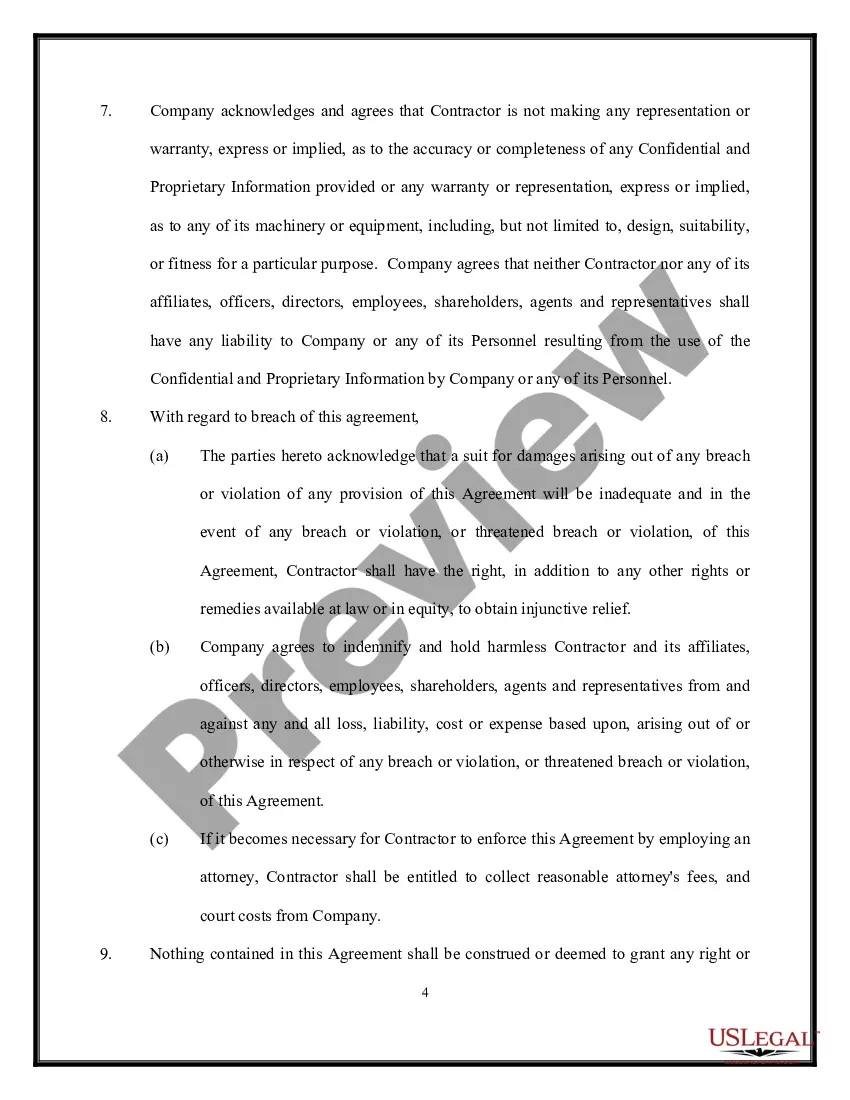
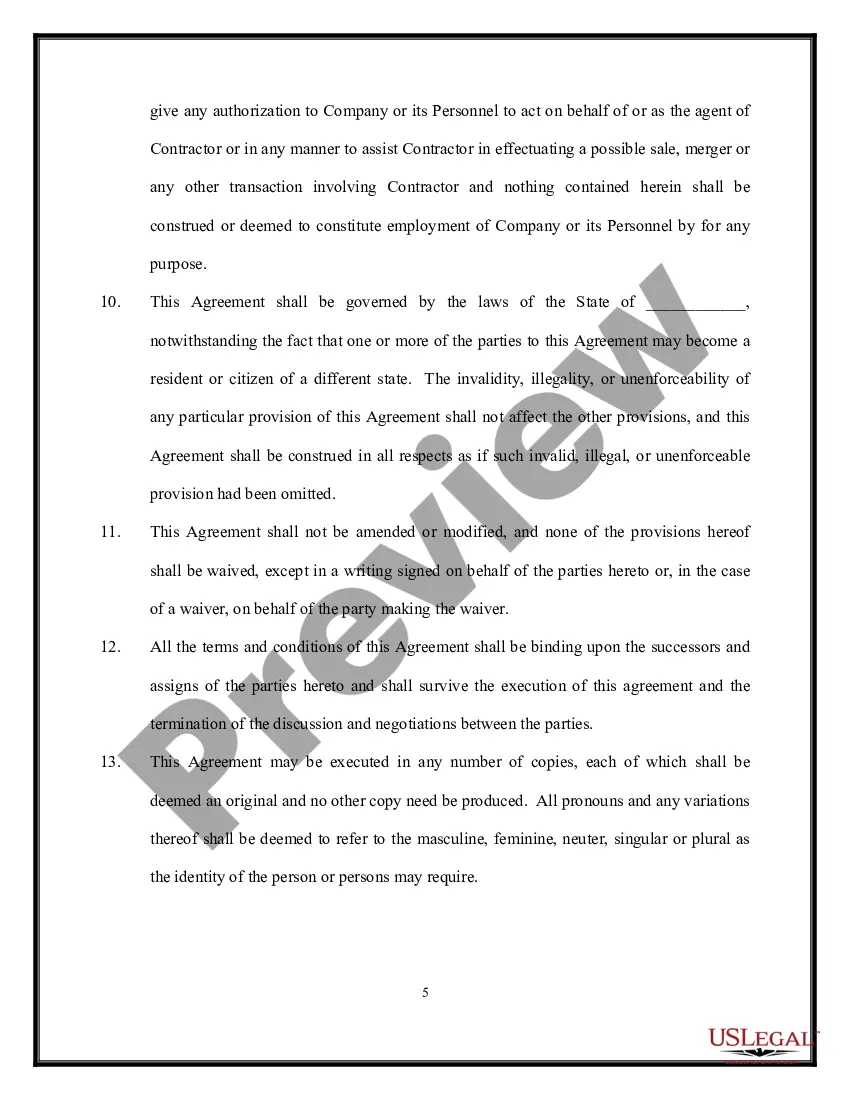
Get your form ready online
Our built-in tools help you complete, sign, share, and store your documents in one place.
Make edits, fill in missing information, and update formatting in US Legal Forms—just like you would in MS Word.
Download a copy, print it, send it by email, or mail it via USPS—whatever works best for your next step.
Sign and collect signatures with our SignNow integration. Send to multiple recipients, set reminders, and more. Go Premium to unlock E-Sign.
If this form requires notarization, complete it online through a secure video call—no need to meet a notary in person or wait for an appointment.
We protect your documents and personal data by following strict security and privacy standards.

Make edits, fill in missing information, and update formatting in US Legal Forms—just like you would in MS Word.

Download a copy, print it, send it by email, or mail it via USPS—whatever works best for your next step.

Sign and collect signatures with our SignNow integration. Send to multiple recipients, set reminders, and more. Go Premium to unlock E-Sign.

If this form requires notarization, complete it online through a secure video call—no need to meet a notary in person or wait for an appointment.

We protect your documents and personal data by following strict security and privacy standards.
Looking for another form?



Form popularity
FAQ
To create a Non-Disclosure Agreement, include the following information: The parties' names and contact information. The length of the non-disclosure period. The scope and definition of the confidential information. The obligations of the Non-Disclosure Agreement. The ownership and return information.
NDAs are enforceable when they are signed — if they are properly drafted and executed. NDAs are enforceable once signed, provided they have been drafted and executed properly. Unilateral NDAs need only the signature of the receiving party, whereas mutual non-disclosure agreements need the signatures of both parties.
NDAs are enforceable once signed, provided they have been drafted and executed properly. Unilateral NDAs need only the signature of the receiving party, whereas mutual non-disclosure agreements need the signatures of both parties.
The amendments expanded restrictions on the use of nondisclosure provisions (“NDAs”) in certain workplace settlement agreements. These amendments, which took effect on November 17, 2023, apply to all agreements entered into after that date.
Now, NDAs preventing the disclosure of factual information relating to any future claim of discrimination are void and unenforceable with respect to contractors as well, unless the NDA makes clear that the individual is not prohibited from speaking to law enforcement, the Equal Employment Opportunity Commission, the ...
In New York, courts largely disfavor non-compete agreements and enforce them only when necessary. They consider four factors when determining whether to enforce an agreement: If the agreement protects legitimate business interests, e.g. trade secrets or special skills acquired during employment.
Employee inclusive of his/her direct beneficiaries in business, interest and title in recognition of the transfer of Confidential and Proprietary Information to Company Name hereby agrees not to directly or indirectly compete with the business of Company name and its successors and assigns during the term of the ...
How are NDAs enforced internationally? NDAs can be enforced internationally depending on the jurisdiction and the laws that will apply to the NDA.
At all times during his or her employment, the Employee shall hold in strictest confidence, and not use, except for the benefit of the Company, or to disclose to any person, firm, or corporation without the prior written authorization of the Company, any of the Company's Confidential Information.
The key elements of Non-Disclosure Agreements: Identification of the parties. Definition of what is deemed to be confidential. The scope of the confidentiality obligation by the receiving party. The exclusions from confidential treatment. The term of the agreement.
