Confidentiality Agreement Form With Employee In Queens
Description

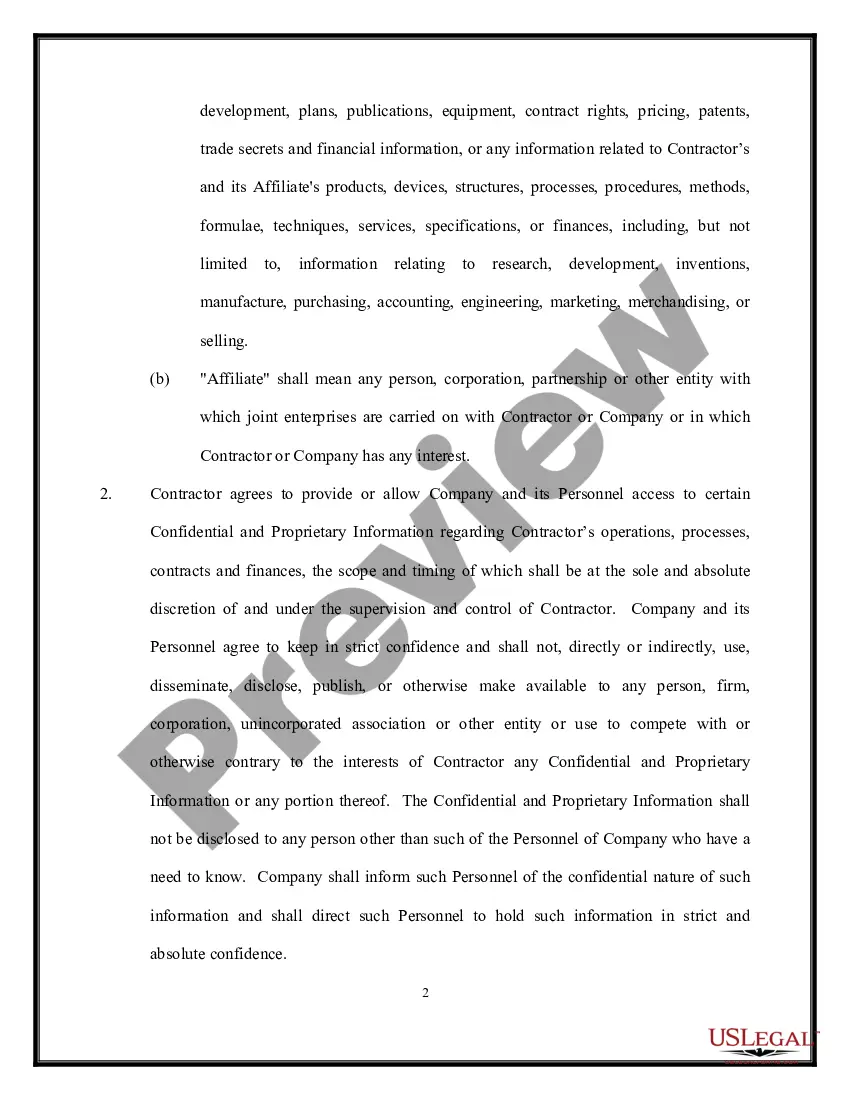
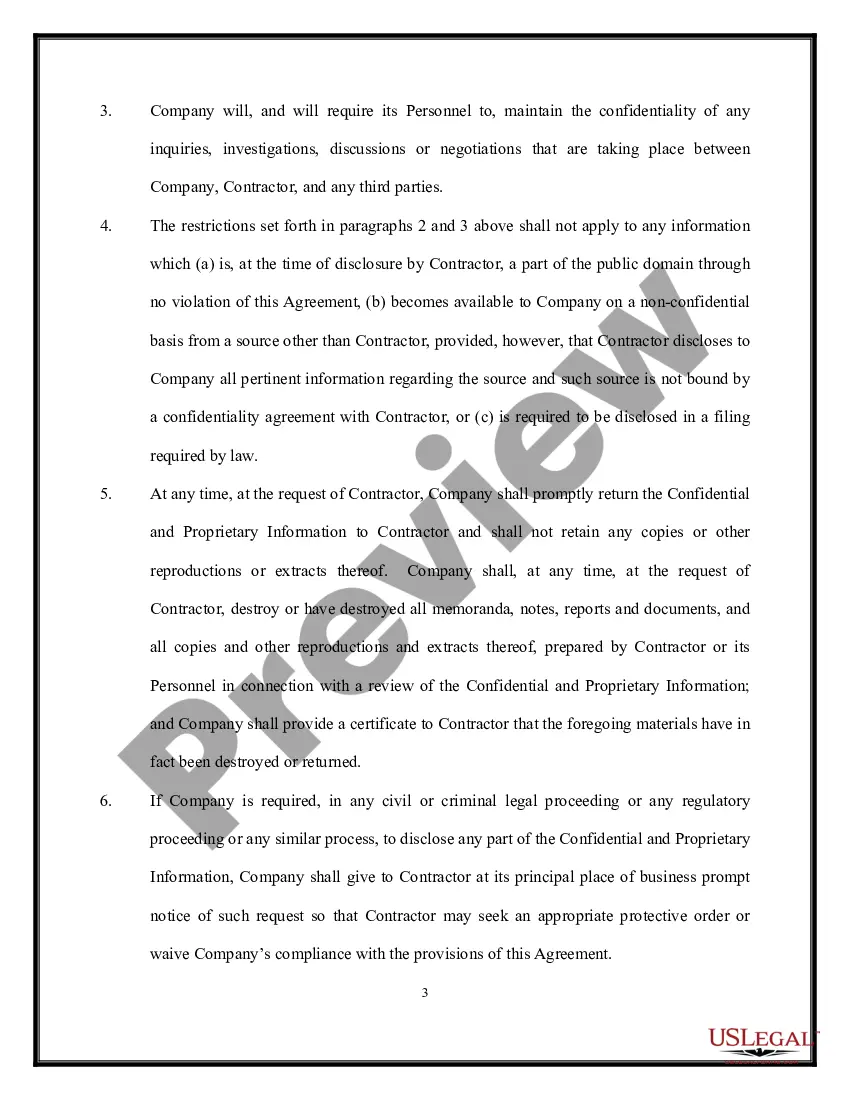
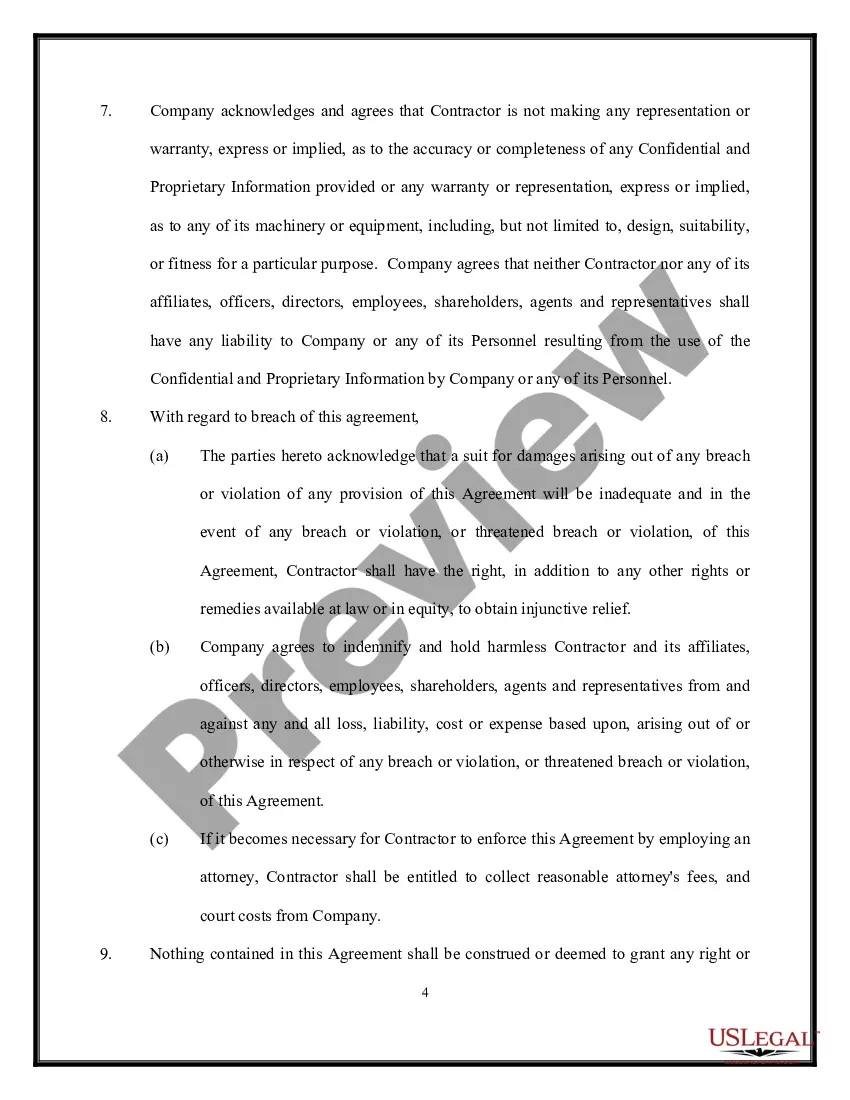
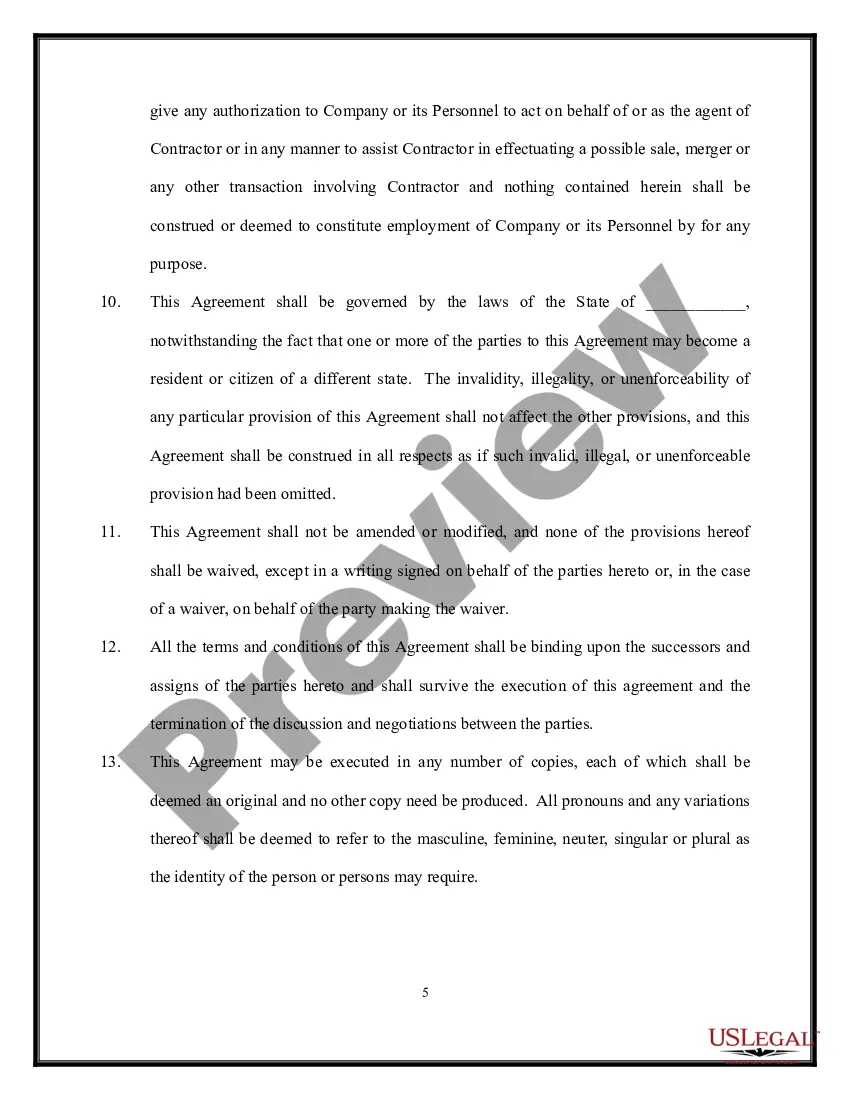
Get your form ready online
Our built-in tools help you complete, sign, share, and store your documents in one place.
Make edits, fill in missing information, and update formatting in US Legal Forms—just like you would in MS Word.
Download a copy, print it, send it by email, or mail it via USPS—whatever works best for your next step.
Sign and collect signatures with our SignNow integration. Send to multiple recipients, set reminders, and more. Go Premium to unlock E-Sign.
If this form requires notarization, complete it online through a secure video call—no need to meet a notary in person or wait for an appointment.
We protect your documents and personal data by following strict security and privacy standards.

Make edits, fill in missing information, and update formatting in US Legal Forms—just like you would in MS Word.

Download a copy, print it, send it by email, or mail it via USPS—whatever works best for your next step.

Sign and collect signatures with our SignNow integration. Send to multiple recipients, set reminders, and more. Go Premium to unlock E-Sign.

If this form requires notarization, complete it online through a secure video call—no need to meet a notary in person or wait for an appointment.

We protect your documents and personal data by following strict security and privacy standards.
Looking for another form?










Form popularity
FAQ
What does it mean? In the workplace, a breach of confidence can take place when a worker, either intentionally or unintentionally, discloses or uses information that could damage the employer's business, clients, or employees.
An employee agreement is a legally binding document that is designed to offer mutual protection to both a business and an employee.
To protect intellectual property: Confidentiality agreements can help safeguard a company's trade secrets, proprietary information, and innovations. By ensuring that employees keep such information confidential, the company can maintain a competitive advantage and prevent unauthorized use or disclosure.
An employee confidentiality agreement, or non-disclosure agreement or an “NDA,” makes it crystal clear to an employee that he or she cannot under any circumstance, with the exception of prior written approval, disclose company secrets.
A confidentiality agreement is a standard written agreement that is used to protect the owner of an invention or idea for a new business. It is also an important document between two companies that are contemplating a merger or a commercial transaction that must be withheld from public knowledge.
Further, non-disclosure agreements for claims involving harassment, discrimination, and/or retaliation between an employer and any employee, potential employee, or independent contractor of the employer are void and unenforceable unless the provision notifies the employee, potential employee, or independent contractor ...
I agree at all times to treat as confidential all information acquired through my employment with the firm, and not to disclose same except as authorized in the course of my employment or by law.
A confidentiality agreement should include a clear definition of the confidential information, scope of the agreement, obligations of the receiving party, the duration of the contract, any exceptions to confidentiality, and the consequences of a breach of the contract.
A confidential disclosure agreement, also called a confidentiality agreement or CDA, is a legal agreement which prohibits employees from disclosing certain information about a company. It is a permanent agreement, which means a signed confidentiality agreement remains valid after employment has ended.
A confidentiality agreement should include the names and addresses of the parties to the contract. Consider also including: Reason for the agreement: Explain why you're sharing this information. The information disclosed: Be specific about the subject matter and what exactly is included in the agreement.
