Non Disclosure Examples In Massachusetts
Description

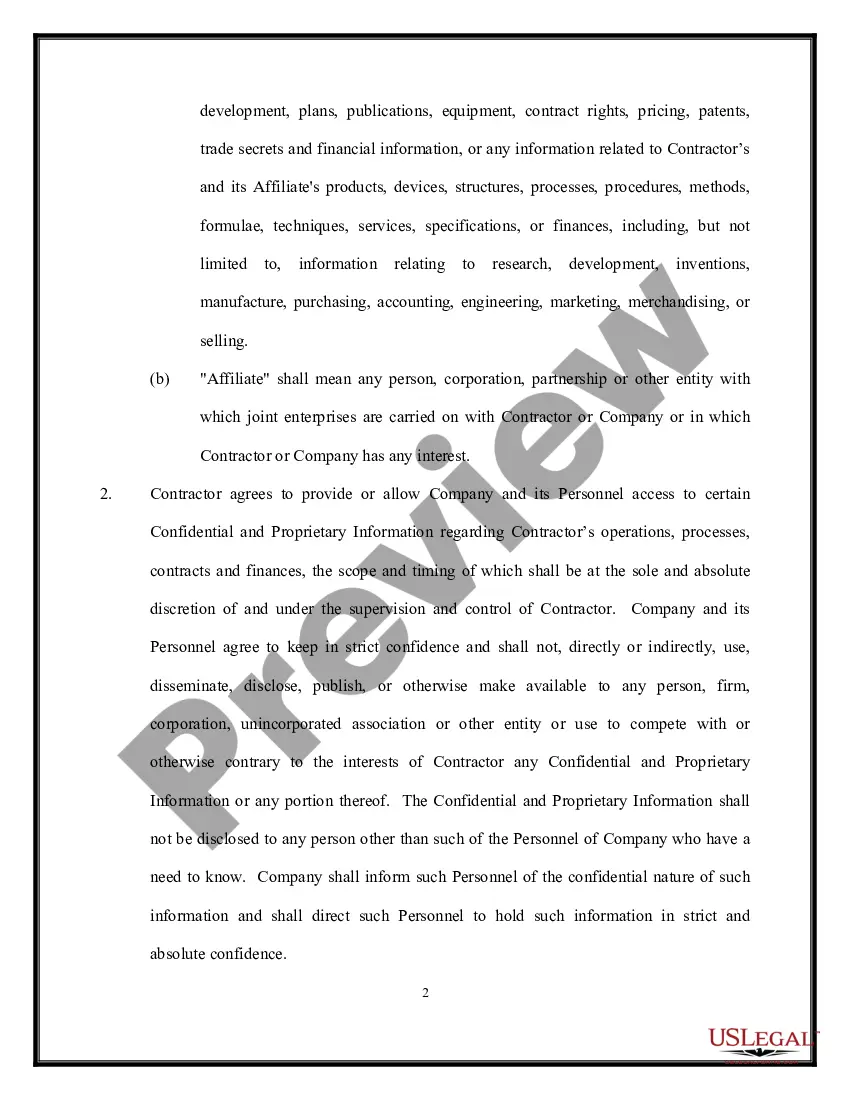
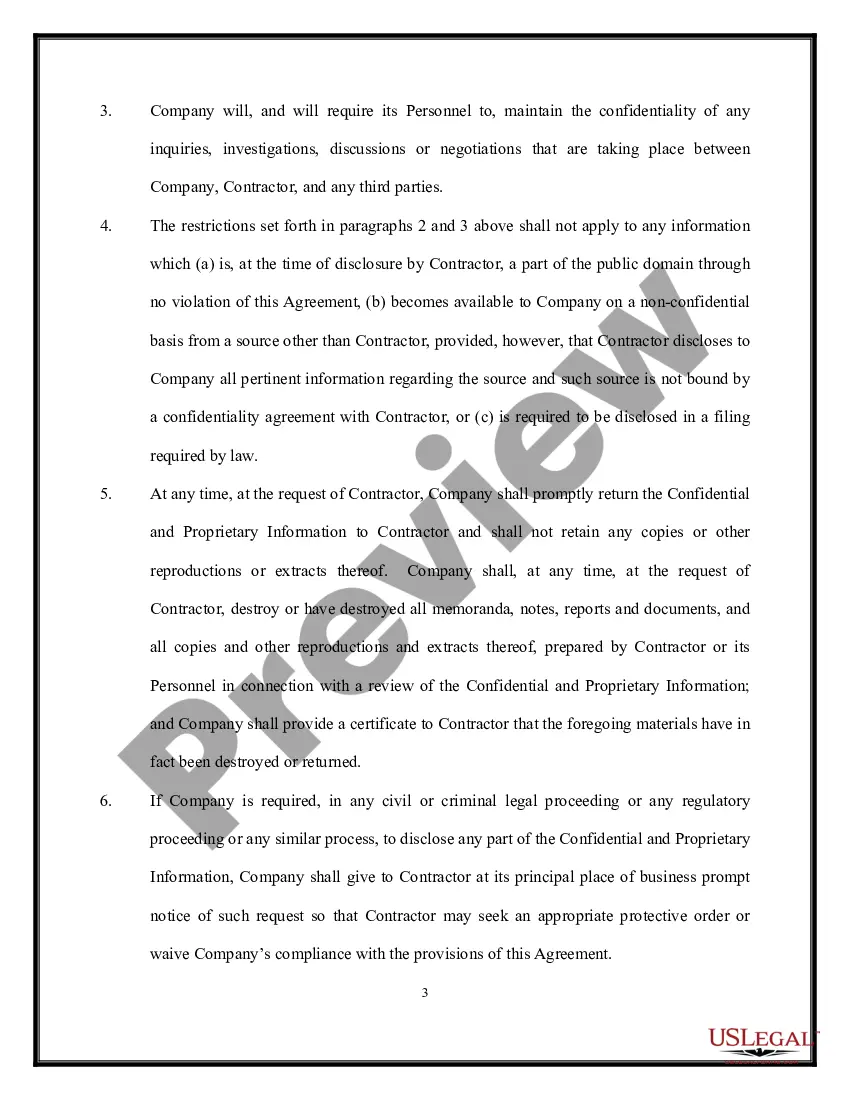
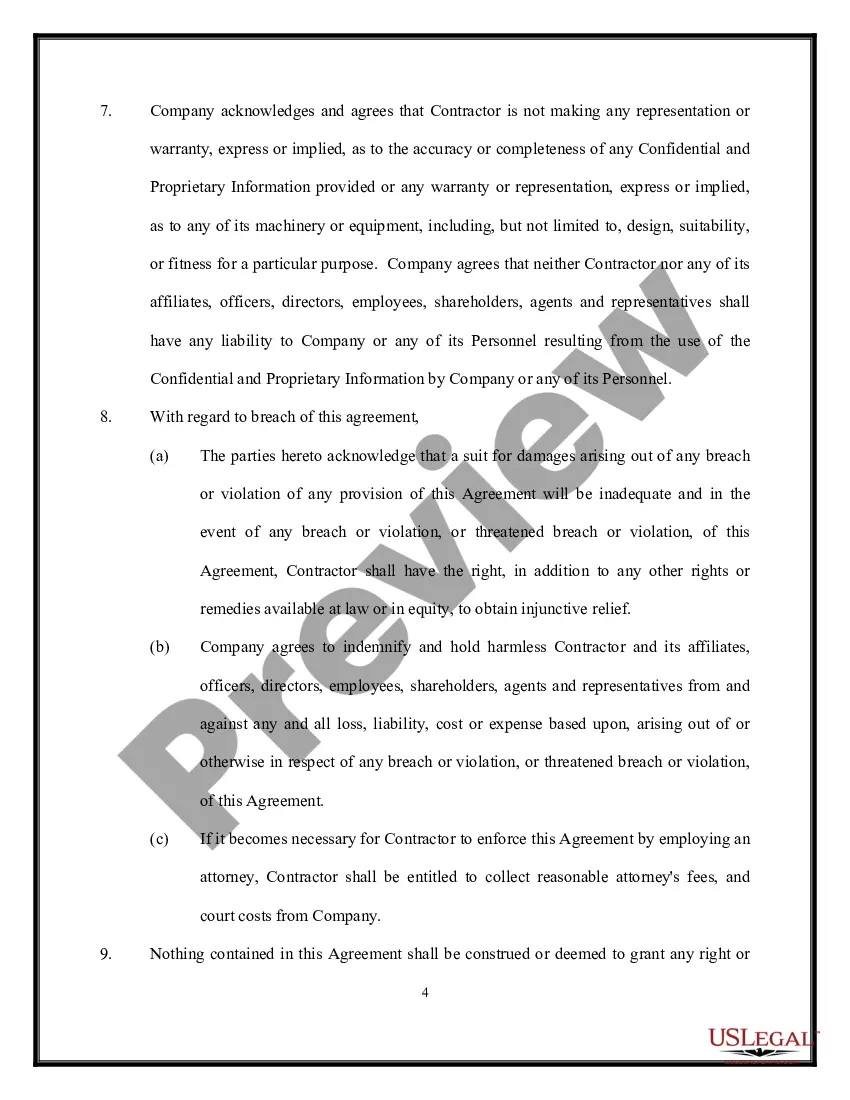
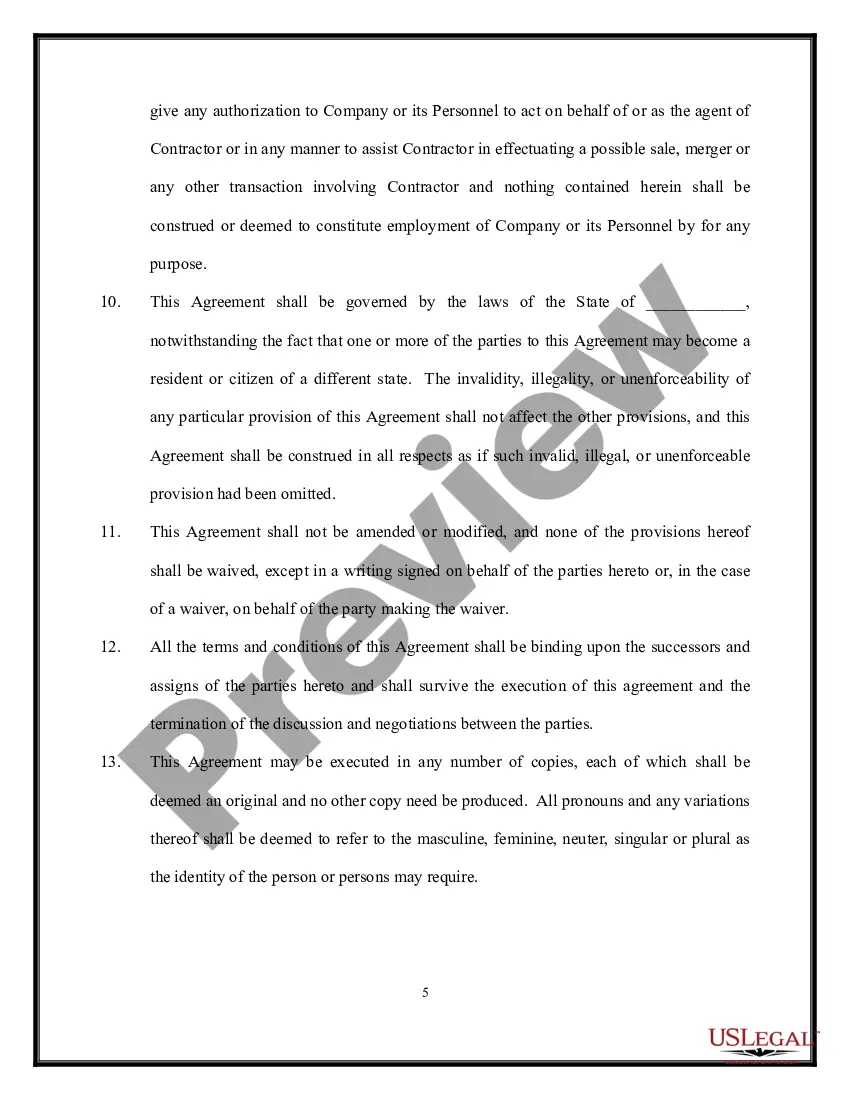
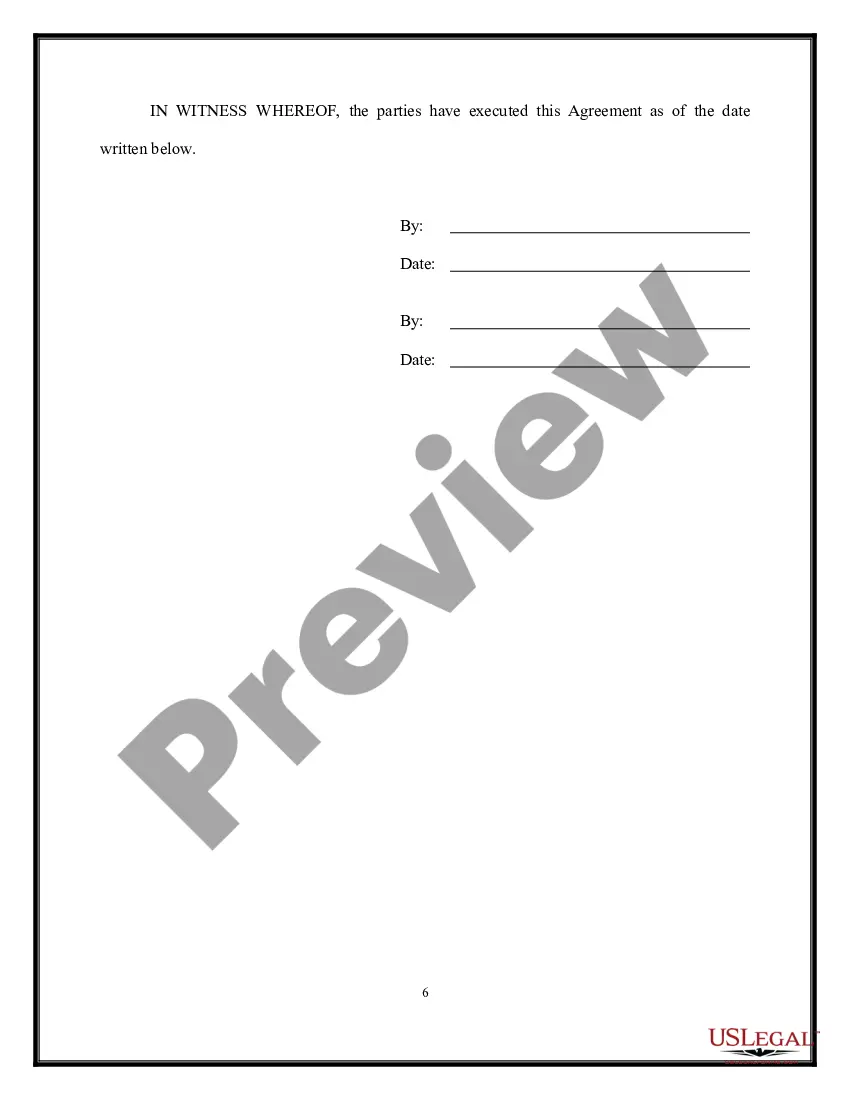
Get your form ready online
Our built-in tools help you complete, sign, share, and store your documents in one place.
Make edits, fill in missing information, and update formatting in US Legal Forms—just like you would in MS Word.
Download a copy, print it, send it by email, or mail it via USPS—whatever works best for your next step.
Sign and collect signatures with our SignNow integration. Send to multiple recipients, set reminders, and more. Go Premium to unlock E-Sign.
If this form requires notarization, complete it online through a secure video call—no need to meet a notary in person or wait for an appointment.
We protect your documents and personal data by following strict security and privacy standards.

Make edits, fill in missing information, and update formatting in US Legal Forms—just like you would in MS Word.

Download a copy, print it, send it by email, or mail it via USPS—whatever works best for your next step.

Sign and collect signatures with our SignNow integration. Send to multiple recipients, set reminders, and more. Go Premium to unlock E-Sign.

If this form requires notarization, complete it online through a secure video call—no need to meet a notary in person or wait for an appointment.

We protect your documents and personal data by following strict security and privacy standards.
Looking for another form?


Form popularity
FAQ
Massachusetts is one of few states that still follows a legal rule known as caveat emptor, or "buyer beware." This basically mean there is not a lot a home seller is legally required to disclose to the buyer when selling a property.
An employment contract is an excellent example of a unilateral NDA. When an employee is hired, they sign a unilateral NDA agreeing not to share information learned on the job.
An employment contract is an excellent example of a unilateral NDA. When an employee is hired, they sign a unilateral NDA agreeing not to share information learned on the job.
If you need an NDA, looking at templates online isn't a bad place to start, but ideally you should work with a lawyer who can write a simple NDA for you or tweak the one you have. You may be able to find someone in your community who can do it for a few hundred bucks.
At the top, there are three types, unilateral, bilateral, and multilateral NDAs. The rest of the specific NDA types fall under these three categories. Most are based on who has to sign the NDA. Not all NDAs are created equally, and they can only demand so much secrecy from strangers when compared to their employees.
NDAs can also be used to impose a contractual obligation on one or both parties not to publish images (or other mentions) of the other and other family members on social media accounts, and/or to delete any such content. This can apply during marriage or in the event of relationship breakdown.
Example of an Appropriate Non-Disclosure In this case, an appropriate non-disclosure agreement might include the following terms: Definition of Confidential Information: This section would specify that the proprietary algorithms and unique software development processes are confidential information.
An NDA constitutes a legally binding agreement, albeit without the same level of scrutiny as a non-compete clause. It solely restricts the use of information rather than overall competition. Typically, the agreement will specify that the employer is entitled to injunctive relief in the event of a breach.
Typically, a legal professional writing the NDA will complete these steps: Step 1 - Describe the scope. Which information is considered confidential? ... Step 2 - Detail party obligations. Step 3 - Note potential exclusions. Step 4 - Set the term. Step 5 - Spell out consequences.
