Non Disclosure Agreement Format For Employees In Maricopa
Description

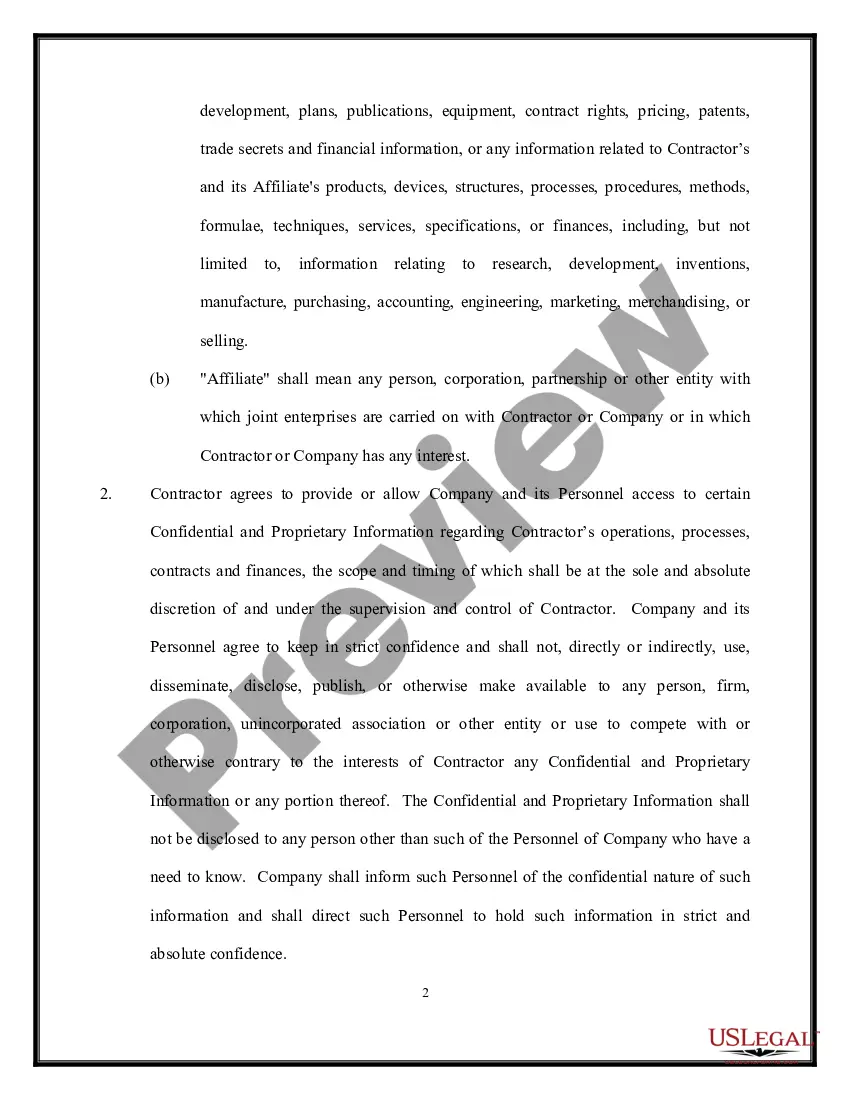
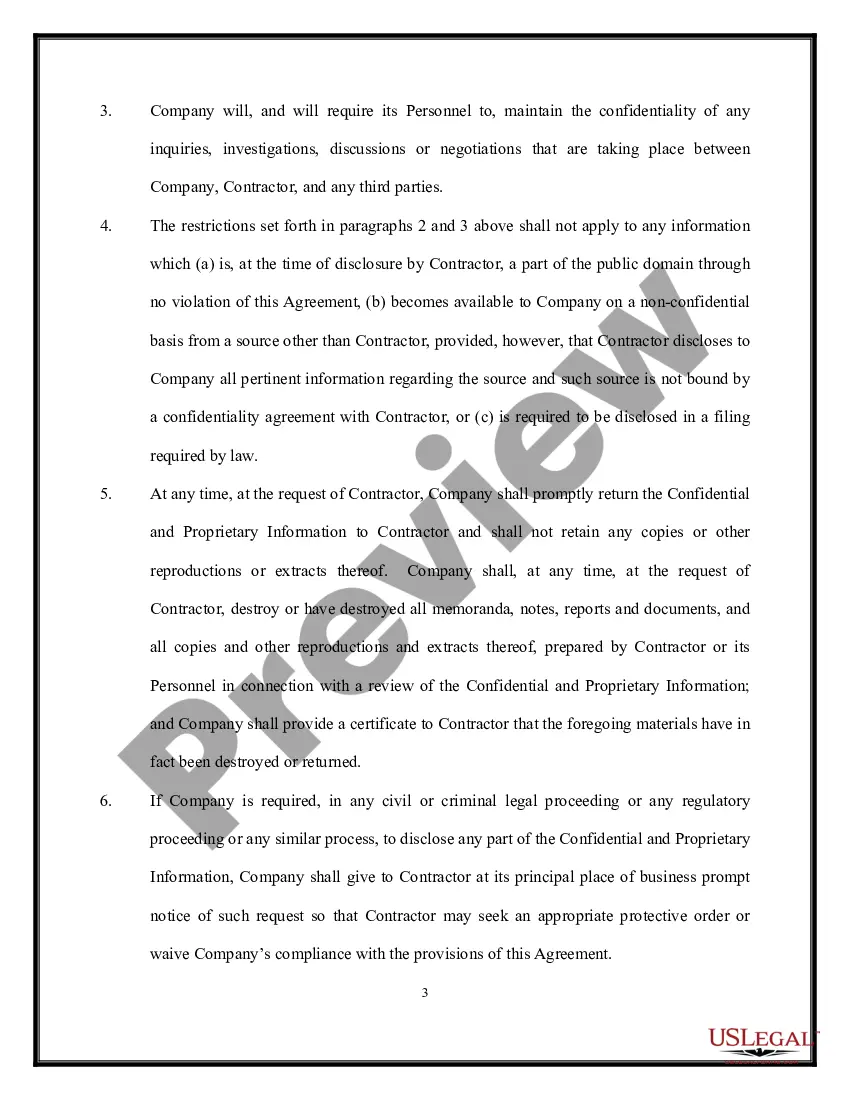
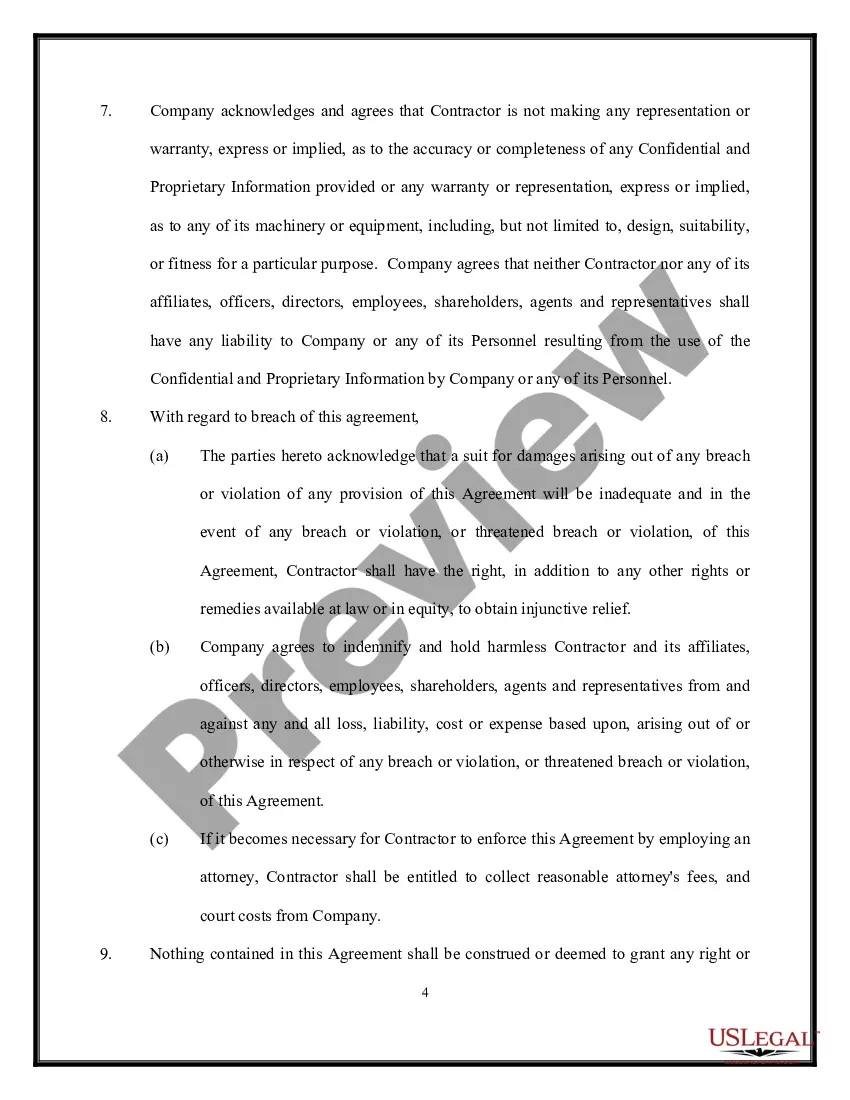
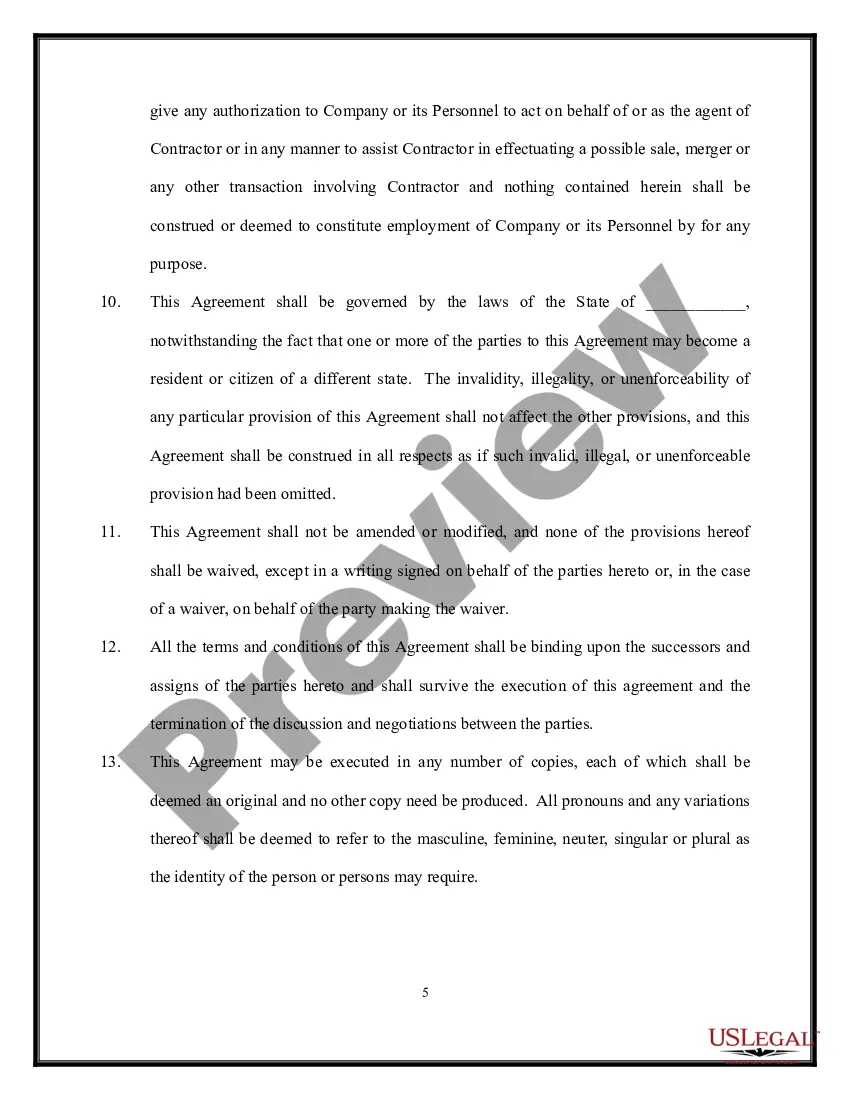
Get your form ready online
Our built-in tools help you complete, sign, share, and store your documents in one place.
Make edits, fill in missing information, and update formatting in US Legal Forms—just like you would in MS Word.
Download a copy, print it, send it by email, or mail it via USPS—whatever works best for your next step.
Sign and collect signatures with our SignNow integration. Send to multiple recipients, set reminders, and more. Go Premium to unlock E-Sign.
If this form requires notarization, complete it online through a secure video call—no need to meet a notary in person or wait for an appointment.
We protect your documents and personal data by following strict security and privacy standards.

Make edits, fill in missing information, and update formatting in US Legal Forms—just like you would in MS Word.

Download a copy, print it, send it by email, or mail it via USPS—whatever works best for your next step.

Sign and collect signatures with our SignNow integration. Send to multiple recipients, set reminders, and more. Go Premium to unlock E-Sign.

If this form requires notarization, complete it online through a secure video call—no need to meet a notary in person or wait for an appointment.

We protect your documents and personal data by following strict security and privacy standards.
Looking for another form?








Form popularity
FAQ
Typically, a legal professional writing the NDA will complete these steps: Step 1 - Describe the scope. Which information is considered confidential? ... Step 2 - Detail party obligations. Step 3 - Note potential exclusions. Step 4 - Set the term. Step 5 - Spell out consequences.
You do not need a lawyer to create and sign a non-disclosure agreement. However, if the information you are trying to protect is important enough to warrant an NDA, you may want to have the document reviewed by someone with legal expertise.
Besides naming all parties to the NDA, five essential elements every NDA should include are: Description Of The Confidential Information. Requirements And Obligations Of The Parties. Exclusions To The Confidentiality Agreement. Term Of The Non-Disclosure Agreement. Consequences Of Breach Of The NDA.
Employee inclusive of his/her direct beneficiaries in business, interest and title in recognition of the transfer of Confidential and Proprietary Information to Company Name hereby agrees not to directly or indirectly compete with the business of Company name and its successors and assigns during the term of the ...
How do I write a Non-Disclosure Agreement? Contact information for the parties involved. Details about the confidential information that needs protection. Permitted uses of the confidential information by the recipient. Time restrictions for keeping information confidential. Reason for disclosure.
7 Key elements to a non-disclosure agreement Identification of involved parties. Definition of the confidential information. Information ownership. Exclusions not considered confidential. Obligations and requirements of the involved parties. Effective agreement period. Consequences of a breach.
How Do I Write a Disclosure Statement? Be Clear and Concise: Use straightforward language to explain the facts or details. Be Comprehensive: Include all relevant information needed for the other party to make an informed decision. Be Honest: Ensure all statements are truthful and accurate to avoid legal repercussions.
Typically, a legal professional writing the NDA will complete these steps: Step 1 - Describe the scope. Which information is considered confidential? ... Step 2 - Detail party obligations. Step 3 - Note potential exclusions. Step 4 - Set the term. Step 5 - Spell out consequences.
Five other key features must be included in your NDA to ensure it's legally binding, including a description of confidential information, obligations of the parties involved, any exclusions, the term of the agreement and consequences of a breach.
