Disclosure Vs Confidentiality In Maricopa
Description

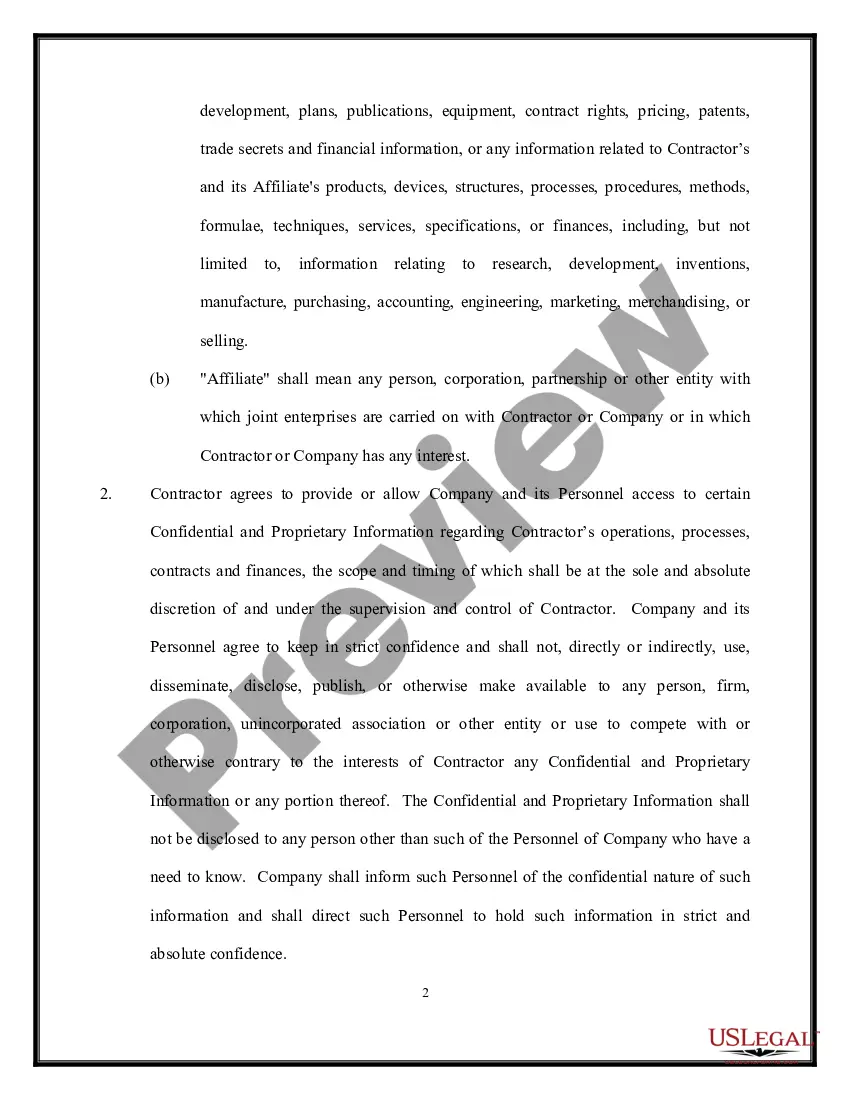
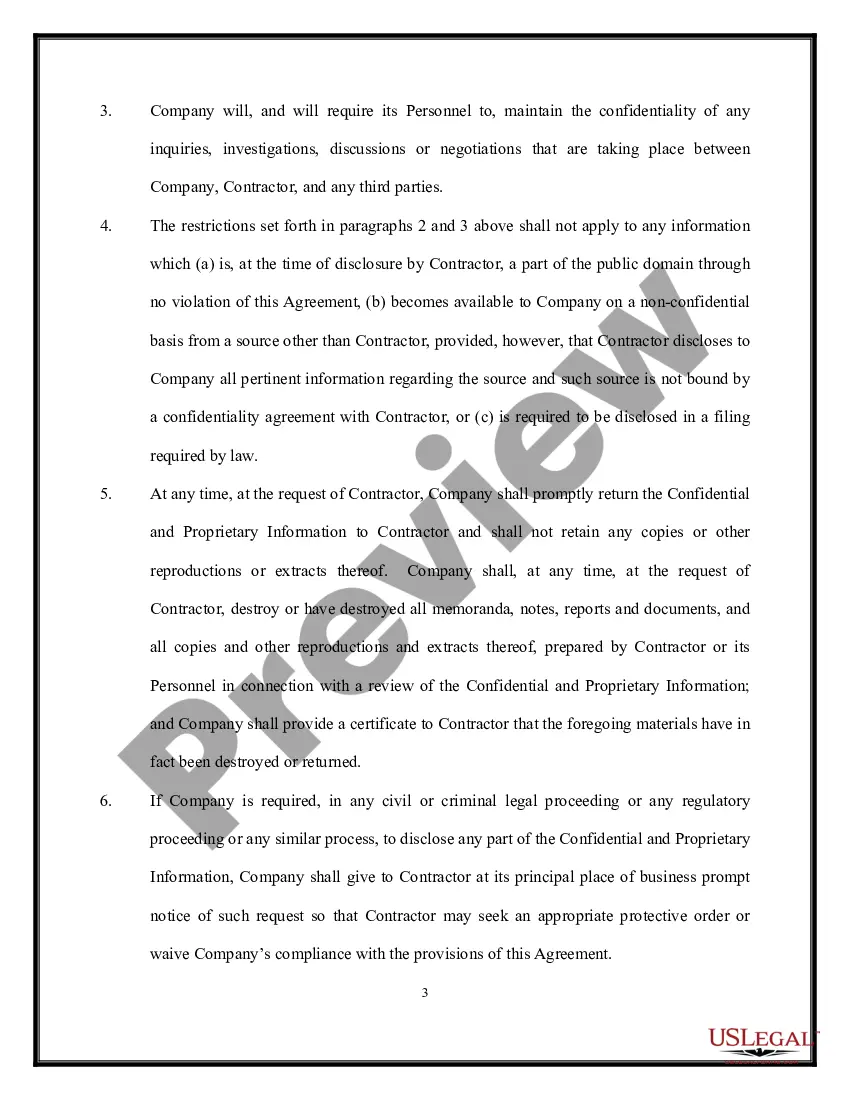
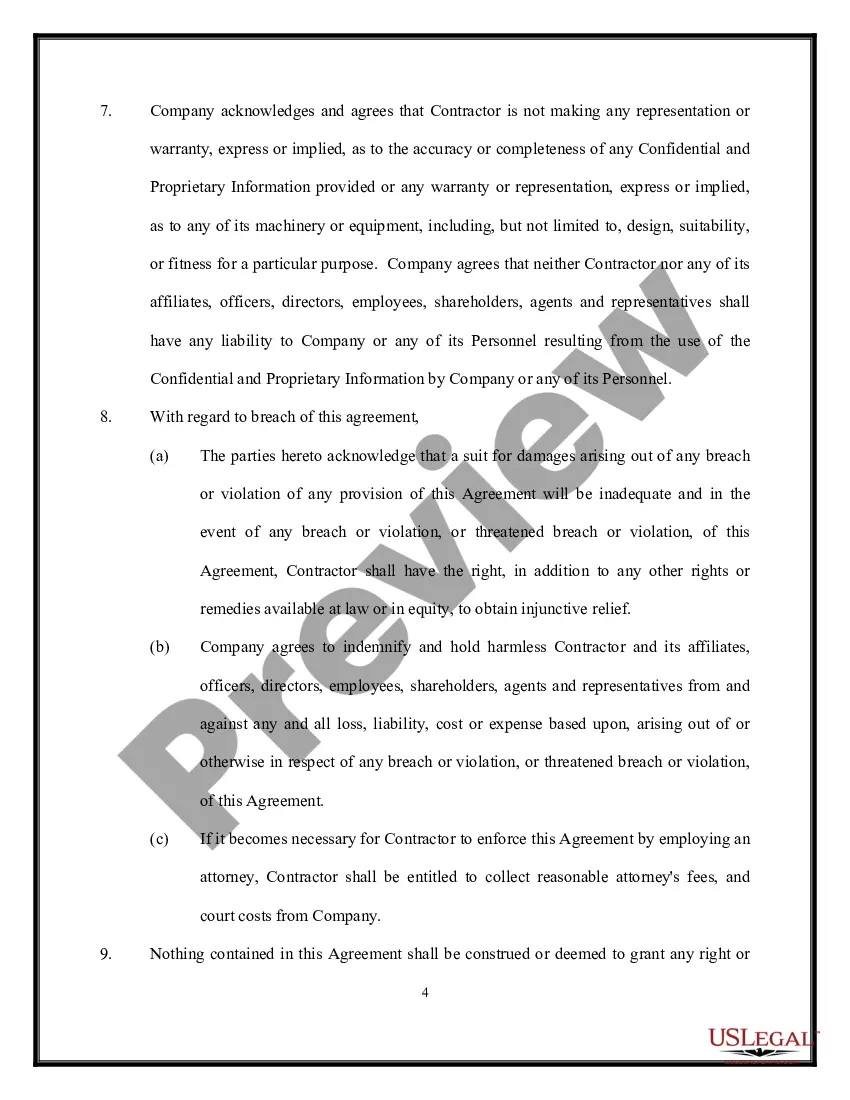
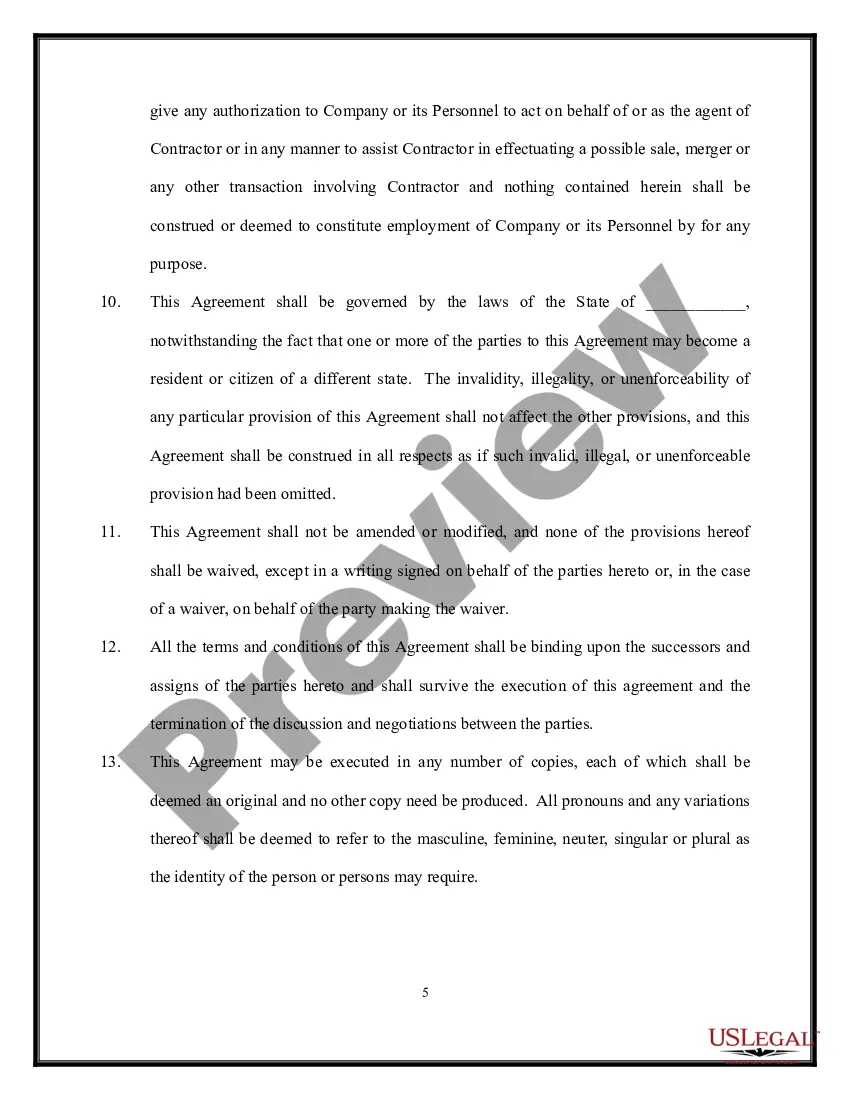
Get your form ready online
Our built-in tools help you complete, sign, share, and store your documents in one place.
Make edits, fill in missing information, and update formatting in US Legal Forms—just like you would in MS Word.
Download a copy, print it, send it by email, or mail it via USPS—whatever works best for your next step.
Sign and collect signatures with our SignNow integration. Send to multiple recipients, set reminders, and more. Go Premium to unlock E-Sign.
If this form requires notarization, complete it online through a secure video call—no need to meet a notary in person or wait for an appointment.
We protect your documents and personal data by following strict security and privacy standards.

Make edits, fill in missing information, and update formatting in US Legal Forms—just like you would in MS Word.

Download a copy, print it, send it by email, or mail it via USPS—whatever works best for your next step.

Sign and collect signatures with our SignNow integration. Send to multiple recipients, set reminders, and more. Go Premium to unlock E-Sign.

If this form requires notarization, complete it online through a secure video call—no need to meet a notary in person or wait for an appointment.

We protect your documents and personal data by following strict security and privacy standards.
Looking for another form?







Form popularity
FAQ
The Australian Privacy Principles are principles-based law. This gives an organisation or agency flexibility to tailor their personal information handling practices to their business models and the diverse needs of individuals. They are also technology neutral, which allows them to adapt to changing technologies.
Information is 'confidential' if there is a restriction on its disclosure, normally placed by the person or organisation that provides it.
Private refers to personal matters, while confidential involves sensitive information not meant to be shared. #speakenglish #englishgrammar #englishtenses #anglais #ingles #inglese #inglés #inglês #angielski #englisch.
The main difference between privacy and confidentiality is the type of information each protects. Privacy safeguards personal information as mandated by legislation such as the Privacy Act 1988, while confidentiality's protection is determined by how you've defined it in your contracts or internal policies.
Confidentiality controls protect against the unauthorized use of information already in the hands of an institution, whereas privacy protects the rights of an individual to control the information that the institution collects, maintains and shares with others.
The duty of confidentiality is set out in rule 9 of the Legal Profession Uniform Law Australian Solicitors' Conduct Rules 2015 (the professional conduct rules). This includes certain exceptions to the duty which permit the disclosure of confidential information that are important to understand.
Scope: Privacy has a broader scope, encompassing personal spaces, communications, and data. Confidentiality typically focuses on specific agreements or policies to protect data like trade secrets, patient records, or classified information.
Rule 76 - Resolution Management Conference (a)Purpose and Setting. The purpose of a resolution management conference ("RMC") is to facilitate agreements between the parties. The court may, and on a party's request must, set an RMC.
Arizona has some of the most restrictive sentencing laws in the country, with every person who is incarcerated required to serve a minimum 85 percent of his or her sentence— regardless of good behavior.
Rule 76 - Resolution Management Conference (a)Purpose and Setting. The purpose of a resolution management conference ("RMC") is to facilitate agreements between the parties. The court may, and on a party's request must, set an RMC.
