Disclosure Vs Confidentiality In Kings
Description

Get your form ready online
Our built-in tools help you complete, sign, share, and store your documents in one place.
Make edits, fill in missing information, and update formatting in US Legal Forms—just like you would in MS Word.
Download a copy, print it, send it by email, or mail it via USPS—whatever works best for your next step.
Sign and collect signatures with our SignNow integration. Send to multiple recipients, set reminders, and more. Go Premium to unlock E-Sign.
If this form requires notarization, complete it online through a secure video call—no need to meet a notary in person or wait for an appointment.
We protect your documents and personal data by following strict security and privacy standards.

Make edits, fill in missing information, and update formatting in US Legal Forms—just like you would in MS Word.

Download a copy, print it, send it by email, or mail it via USPS—whatever works best for your next step.

Sign and collect signatures with our SignNow integration. Send to multiple recipients, set reminders, and more. Go Premium to unlock E-Sign.

If this form requires notarization, complete it online through a secure video call—no need to meet a notary in person or wait for an appointment.

We protect your documents and personal data by following strict security and privacy standards.
Looking for another form?

Form popularity
FAQ
The most common types of conflicts of interest include: Financial interests. Non-financial professional interests. Non-financial personal interests. Indirect interests.
The personal statement is one of the many factors in the overall assessment of your application: it's your opportunity to introduce yourself to King's and tell us about your interest in your chosen subject, as well as any work experience or extracurricular activities you have done.
1.2 A conflict of interest can occur when duties to the university compete with personal interests or duties to another party. Actual or perceived conflicts of interest can arise from an individual's external roles which are undertaken in addition to their university role or from personal relationships.
Conflicts of interest may arise where an individual's personal or family interests and/or loyalties conflict with those of the entity. As a general rule, no conflict between the personal interests of members of a governing body and the interests of the entity which they serve should be allowed.
4.2 'Conflict of Interest' means: a a situation in which the duty of an RICS member (working independently or within a. non-regulated firm or within a regulated firm) or a regulated firm to act in the interests. of a client or other party in a professional assignment conflicts with a duty owed to.
What is a Conflict of Interest? A conflict of interest occurs when an individual's personal interests – family, friendships, financial, or social factors – could compromise his or her judgment, decisions, or actions in the workplace. Government agencies take conflicts of interest so seriously that they are regulated.
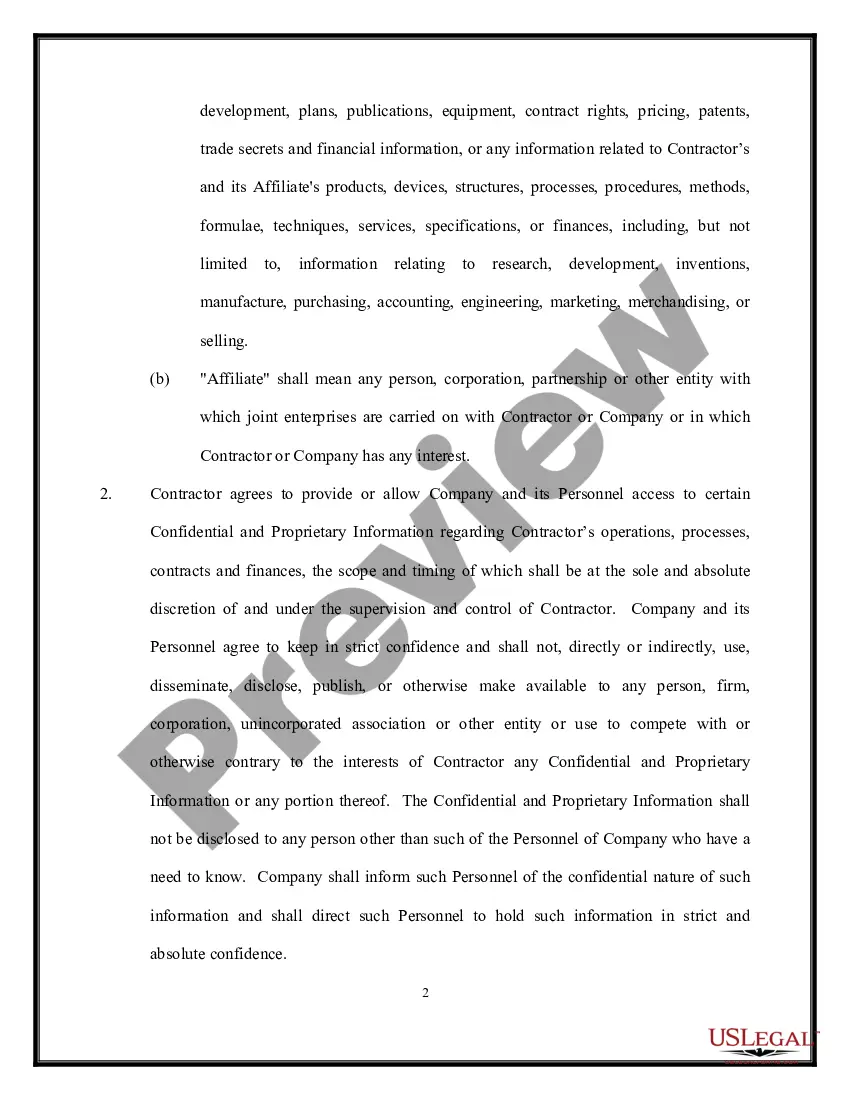
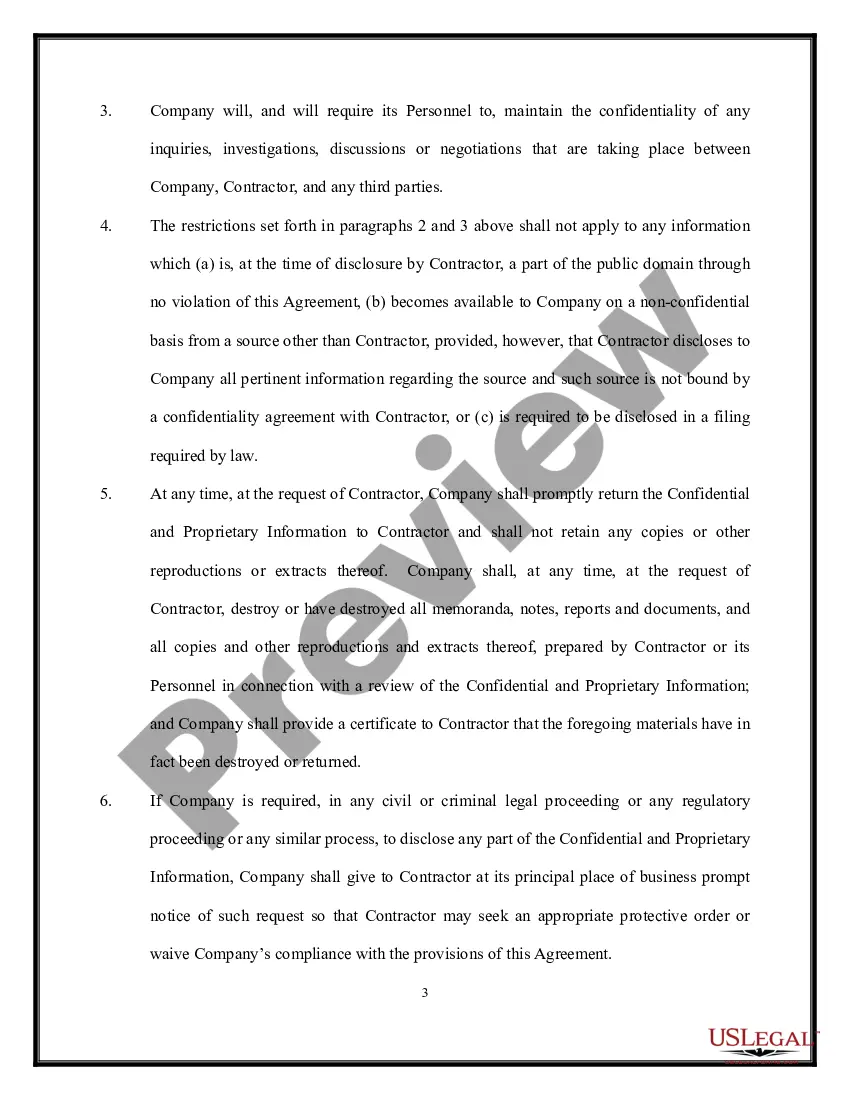
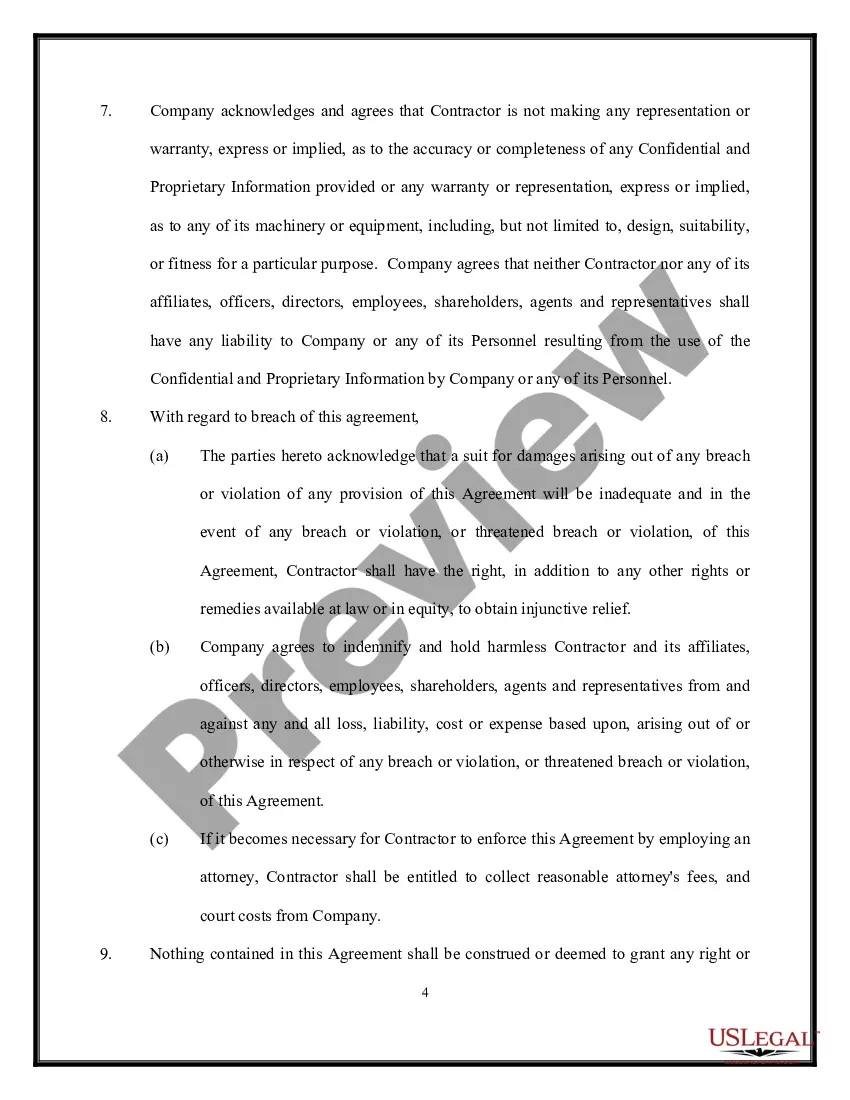
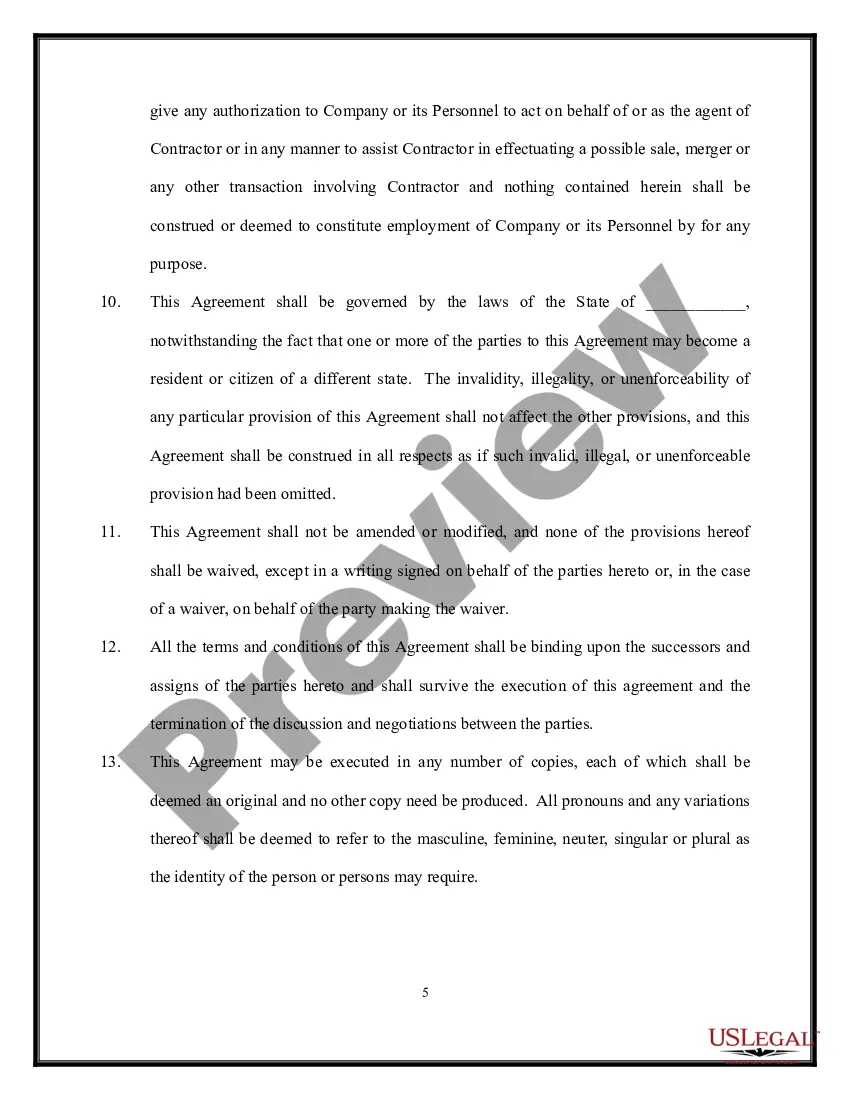
Information is 'confidential' if there is a restriction on its disclosure, normally placed by the person or organisation that provides it.
Example: Confidentiality Clause None of the parties shall disclose to any person or use for any purpose any confidential information of the other as a result of entering into this Agreement. This restriction shall continue to apply after the expiration or termination of this agreement without limit of time.
The following information is confidential: Social Security number. Name. Personal financial information. Family information. Medical information. Credit card numbers, bank account numbers, amount / what donated. Telephone / fax numbers, e-mail, URLs.
THIS DOCUMENT AND THE INFORMATION IN IT ARE PROVIDED IN CONFIDENCE, FOR THE SOLE PURPOSE OF INSERT DETAILS, AND MAY NOT BE DISCLOSED TO ANY THIRD PARTY OR USED FOR ANY OTHER PURPOSE WITHOUT THE EXPRESS WRITTEN PERMISSION OF INSERT DETAILS.
