Non Disclosure Agreement With Non Compete Clause In Houston
Description


Get your form ready online
Our built-in tools help you complete, sign, share, and store your documents in one place.
Make edits, fill in missing information, and update formatting in US Legal Forms—just like you would in MS Word.
Download a copy, print it, send it by email, or mail it via USPS—whatever works best for your next step.
Sign and collect signatures with our SignNow integration. Send to multiple recipients, set reminders, and more. Go Premium to unlock E-Sign.
If this form requires notarization, complete it online through a secure video call—no need to meet a notary in person or wait for an appointment.
We protect your documents and personal data by following strict security and privacy standards.

Make edits, fill in missing information, and update formatting in US Legal Forms—just like you would in MS Word.

Download a copy, print it, send it by email, or mail it via USPS—whatever works best for your next step.

Sign and collect signatures with our SignNow integration. Send to multiple recipients, set reminders, and more. Go Premium to unlock E-Sign.

If this form requires notarization, complete it online through a secure video call—no need to meet a notary in person or wait for an appointment.

We protect your documents and personal data by following strict security and privacy standards.
Looking for another form?





Form popularity
FAQ
In Texas, a court has the ability to modify – or even nullify – the non-compete if the court determines that it is not reasonable. The courts are given wide latitude to reform a non-compete if the court believes the scope of activity, duration, or geographic area are too restrictive.
To be enforceable, non-compete agreements in Texas must be reasonable and specific with regards to geographic area, the scope of activities, and the duration (i.e. how long the restriction lasts). A typical duration for non-competes in Texas is somewhere between six months and two years.
You are bound by whatever conditions you agreed to in the non compete contract. You can leave the job and likely still practice in your given field. The most common restriction is one of distance. So you cannot leave your current company and go across the street to work for a competitor.
Flexibility: Unlike non-compete agreements , NDAs do not restrict employees from working for competitors or starting their own ventures. They focus solely on protecting confidential information, allowing individuals to pursue their careers freely.
Under Texas law noncompete agreements can be enforceable if: The noncompete provision is part of an otherwise enforceable agreement. The non-compete requirement is supported by valid consideration (consideration meaning something of value provided to the employee).
That said: In general, an NDA should not stop you from getting a new job. When you signed the NDA you promised not to disclose certain types of information about the company. So it shouldn't matter where you go to work after that, as long as you don't disclose this information.
Under Texas law noncompete agreements can be enforceable if: The noncompete provision is part of an otherwise enforceable agreement. The non-compete requirement is supported by valid consideration (consideration meaning something of value provided to the employee).
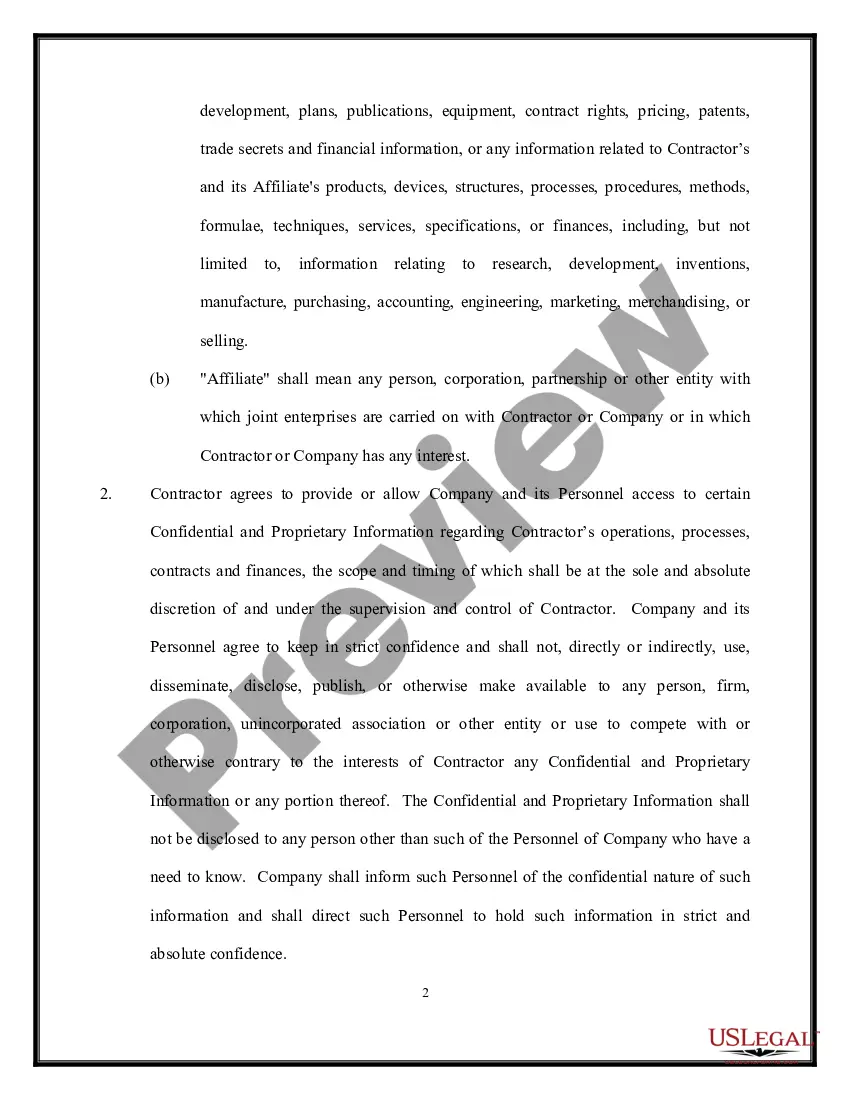
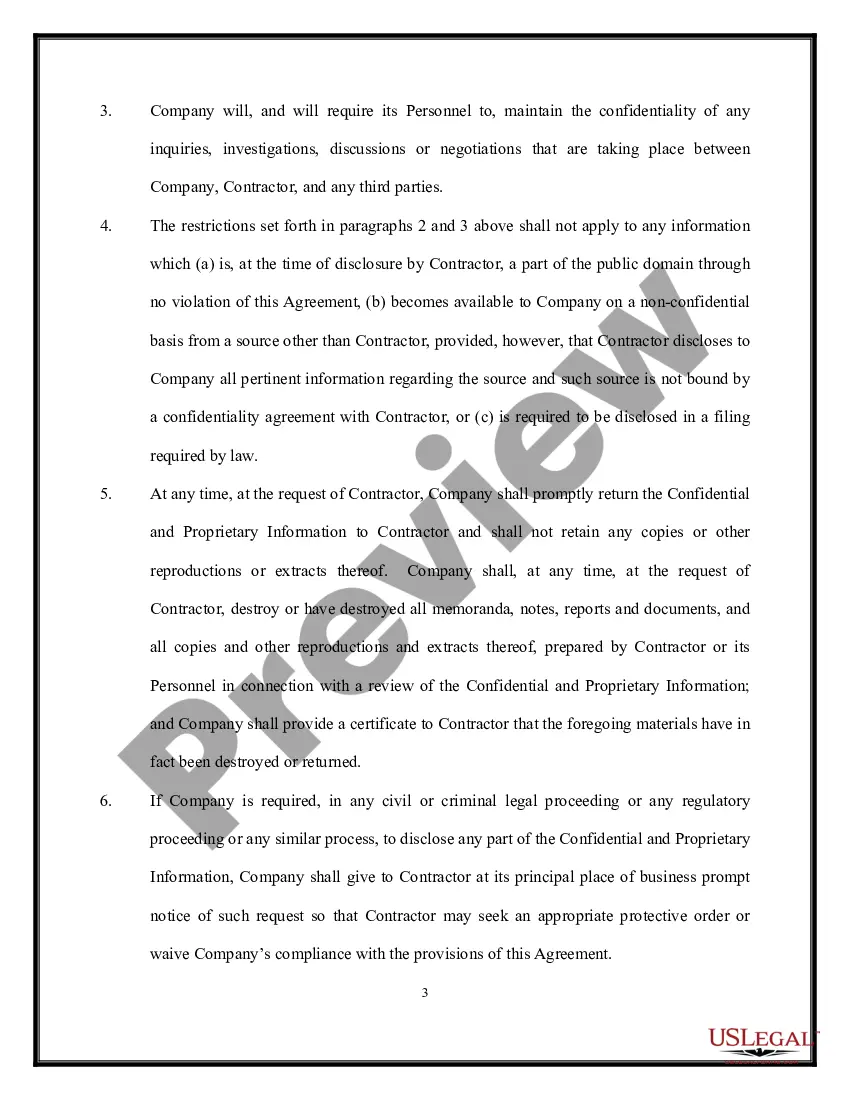
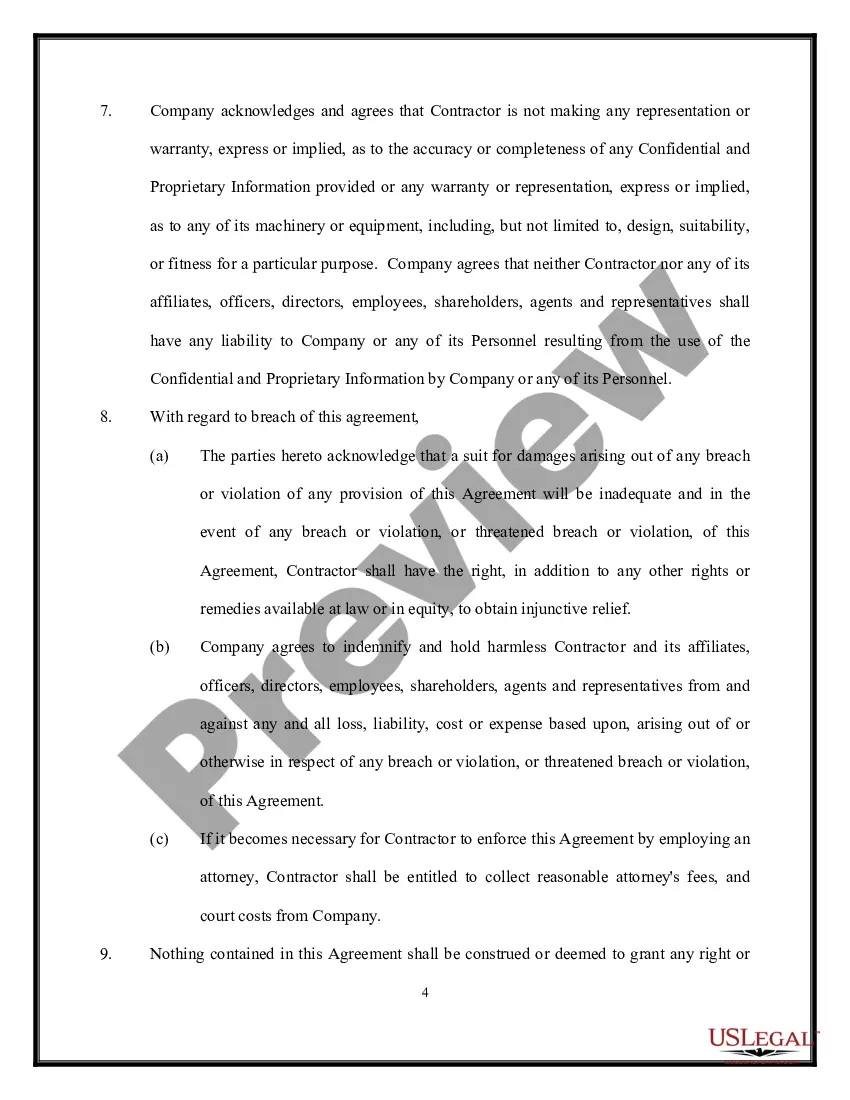
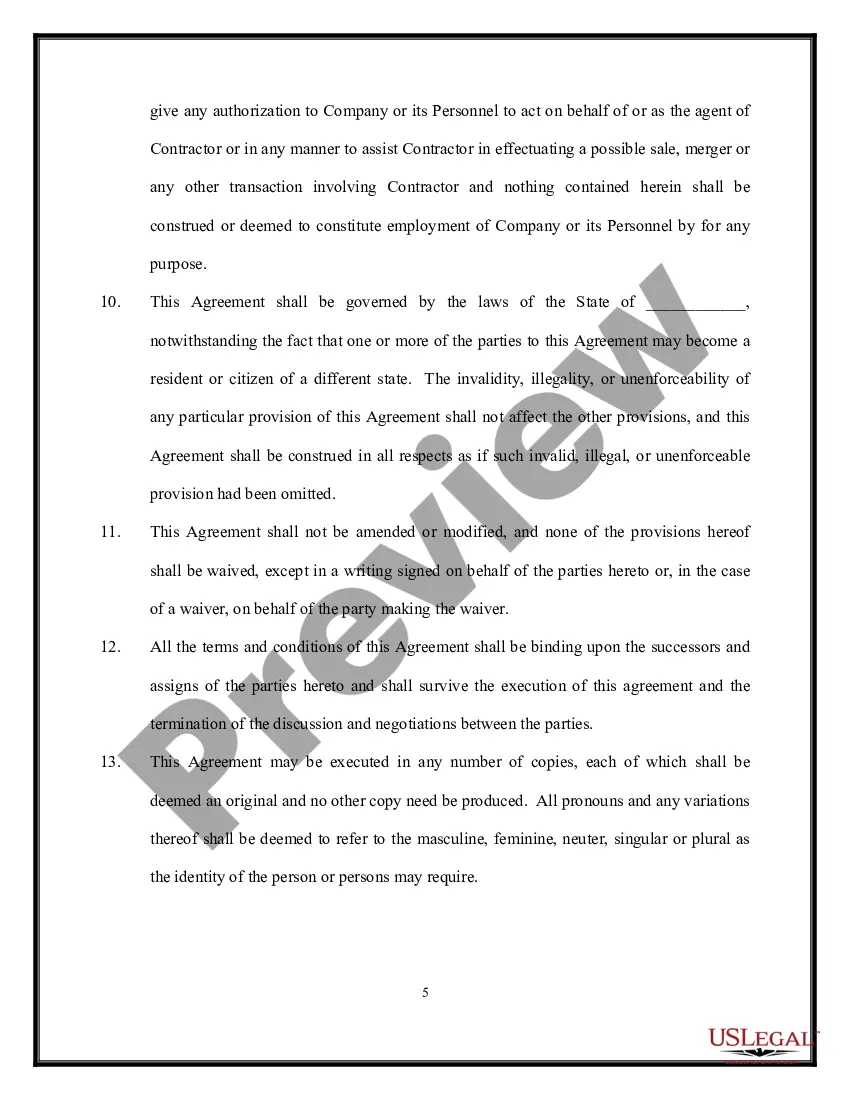
Confidentiality and nondisclosure agreements typically: Describe the context for the parties' agreement, referencing any related transactional documents. Define the specific information to remain confidential. Outline the parameters for the parties' use of confidential information.
Federal judge tosses U.S. ban on noncompetes A federal judge in Texas has struck down the government's ban on noncompetes. An estimated 30 million U.S. workers are subject to the employment agreements.
Yes. Texas is a very pro-employer state, and employers can legally propose non-compete agreements to employees. However, that doesn't mean that there aren't any limitations—there are. Only four states have completely banned non-competes altogether: California, Oklahoma, Minnesota, and North Dakota.
