Disclosure Vs Confidentiality In Franklin
Description

Get your form ready online
Our built-in tools help you complete, sign, share, and store your documents in one place.
Make edits, fill in missing information, and update formatting in US Legal Forms—just like you would in MS Word.
Download a copy, print it, send it by email, or mail it via USPS—whatever works best for your next step.
Sign and collect signatures with our SignNow integration. Send to multiple recipients, set reminders, and more. Go Premium to unlock E-Sign.
If this form requires notarization, complete it online through a secure video call—no need to meet a notary in person or wait for an appointment.
We protect your documents and personal data by following strict security and privacy standards.

Make edits, fill in missing information, and update formatting in US Legal Forms—just like you would in MS Word.

Download a copy, print it, send it by email, or mail it via USPS—whatever works best for your next step.

Sign and collect signatures with our SignNow integration. Send to multiple recipients, set reminders, and more. Go Premium to unlock E-Sign.

If this form requires notarization, complete it online through a secure video call—no need to meet a notary in person or wait for an appointment.

We protect your documents and personal data by following strict security and privacy standards.
Looking for another form?










Form popularity
FAQ
Common law confidentiality is not codified in an Act of Parliament but built up from case law through individual judgments. The key principle is that information confided should not be used or disclosed further, except as originally understood by the confider, or with their subsequent permission.
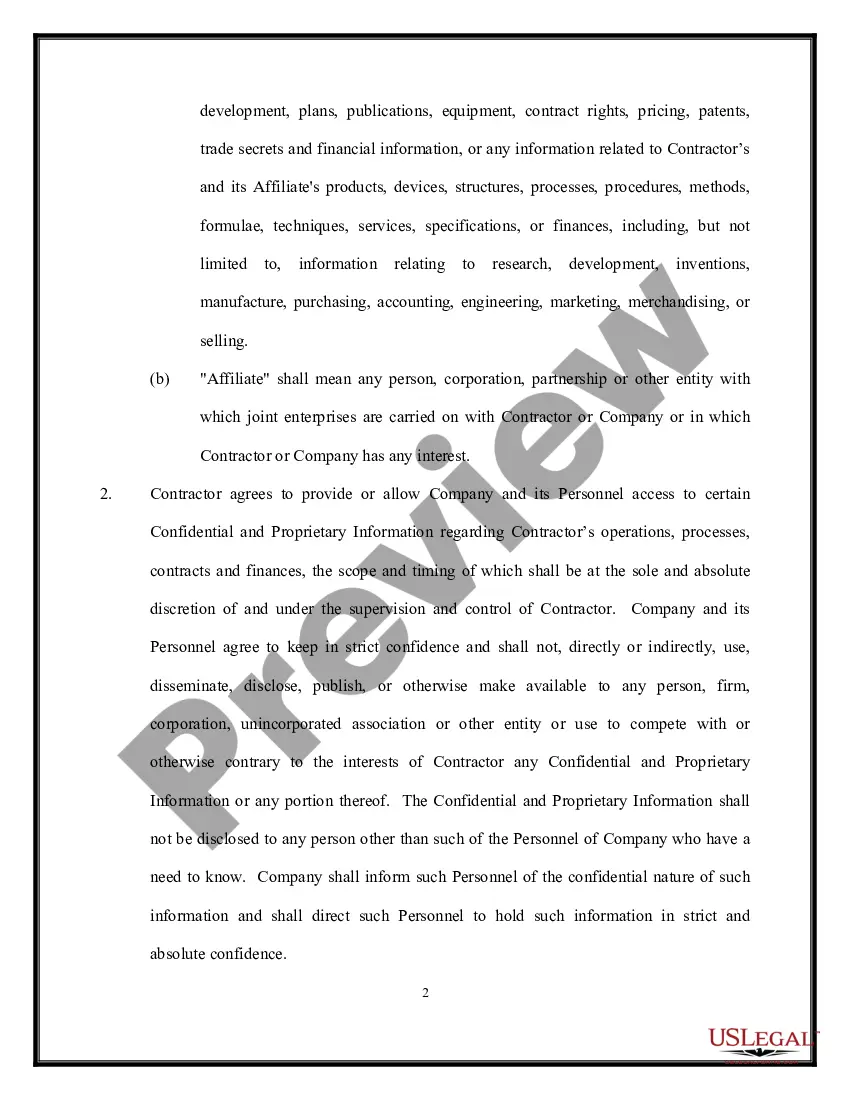
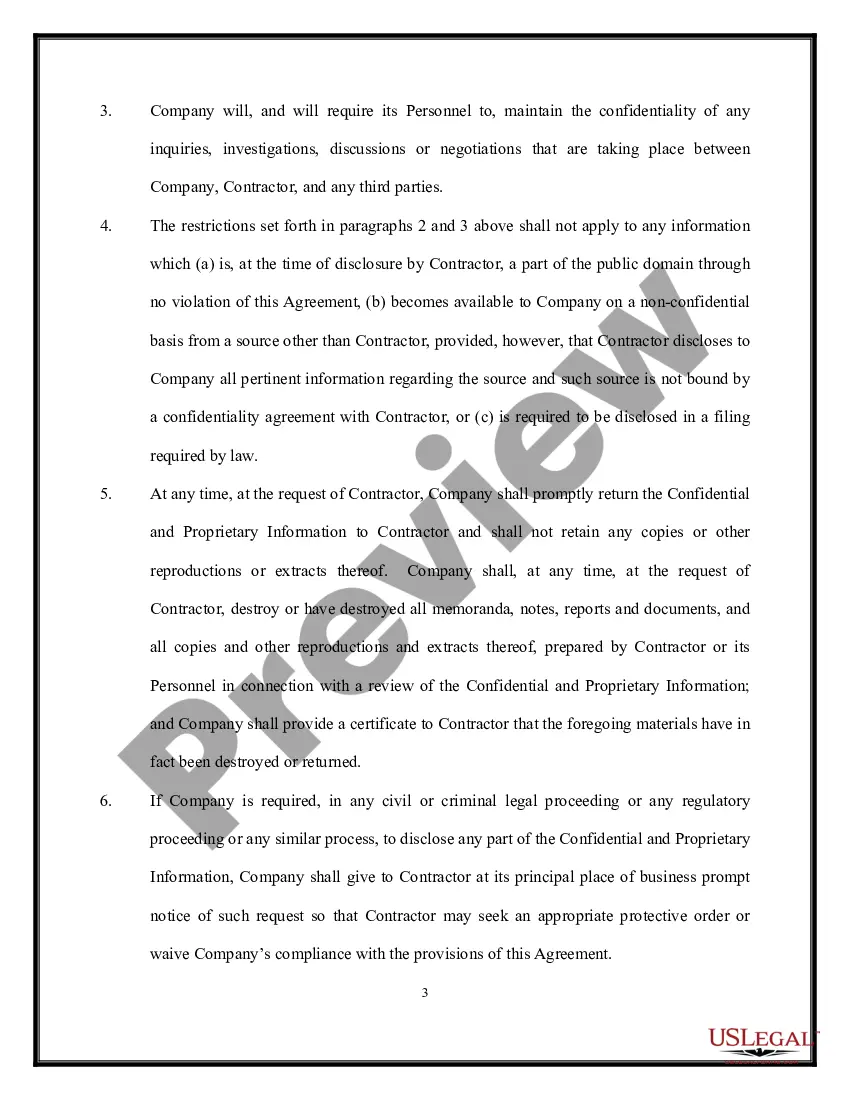
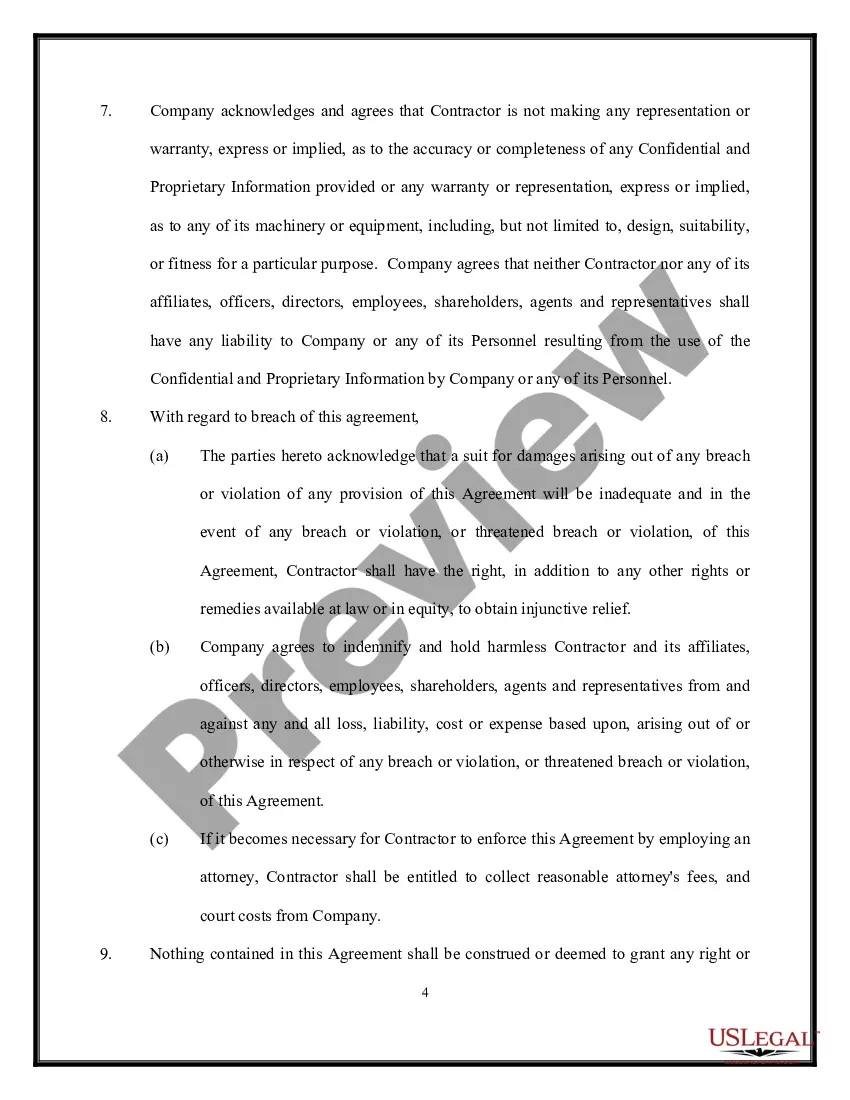
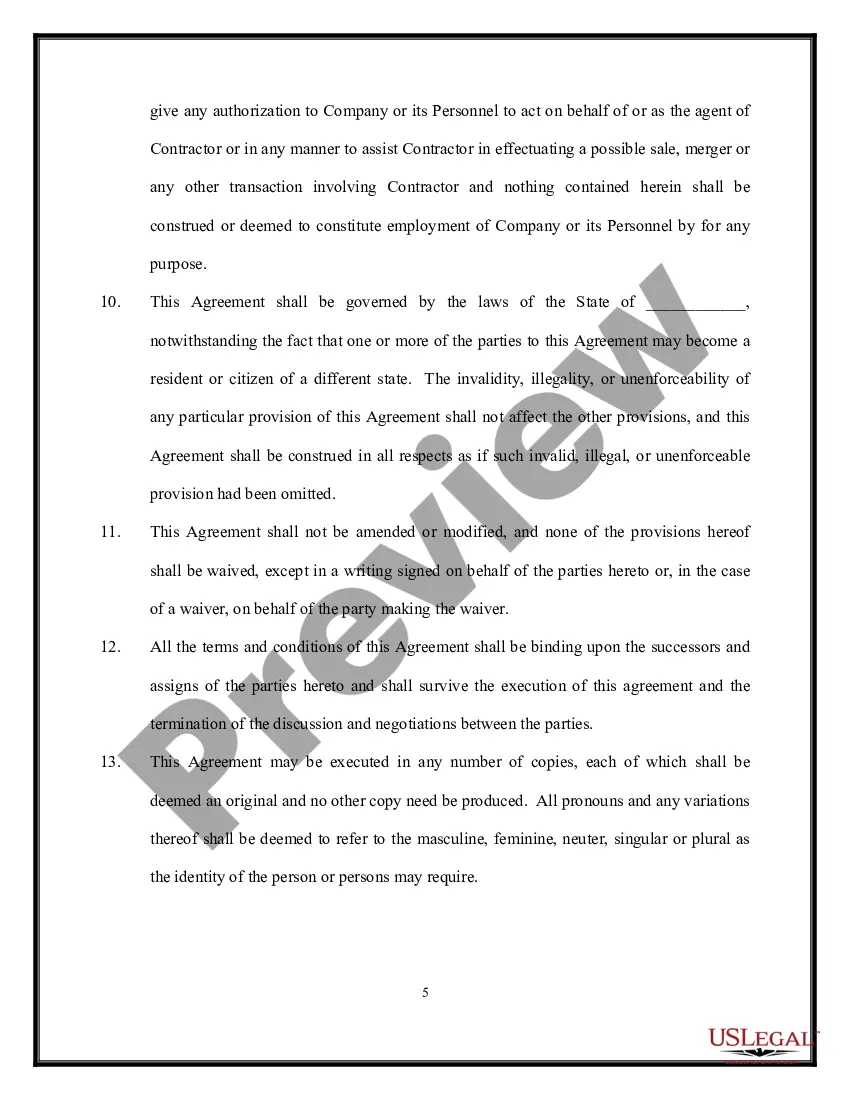
The Confidential Information clause typically outlines obligations regarding the handling and protection of sensitive data shared between parties in a contract.
Confidentiality – what kind of confidential? There are two types of confidentiality relevant to access applications under the RTI Act: Equitable confidentiality, which must meet a specific set of criteria; and. Contractual confidentiality.
Confidentiality Clause Both parties shall be obligated to keep confidential for the business, technical information, and trade secrets of the other party known or held in the course of business cooperation. It shall not be disclosed to a third party without the written consent of the other party.
This message contains confidential information and is intended solely for the individual named. If you are not the named addressee, you should not disseminate, distribute, or copy this email. Please notify the sender immediately by email if you have received this email by mistake and delete this email from your system.
Confidentiality Agreement is used when more secrecy is required. Non-disclosure implies you must not disclose personal or private information. However, keeping confidential implies you should be more proactive in making sure information is kept secret.
NDAs, or non-disclosure agreements, are legally enforceable contracts that create a confidential relationship between a person who has sensitive information and a person who will gain access to that information. A confidential relationship means one or both parties has a duty not to share that information.
Non-Disclosure Agreement is used when the obligation is one-way (or unilateral). However, if there is a two-way (or multi-lateral) exchange of secret or commercially sensitive information, the agreement is more likely to be titled a Confidentiality Agreement.
Anonymity means you don't know who the participants are, while confidentiality means you know who they are but remove identifying information from your research report. Both are important ethical considerations.
In contrast to secrecy with its withholding of guilt and shame, confidentiality can be viewed as a therapeutic factor. Information shared in confidence within the group is not withheld in a spirit of fear or antagonism to some agency outside the group.
