Non Disclosure Agreement With Penalty Clause In Chicago
Description

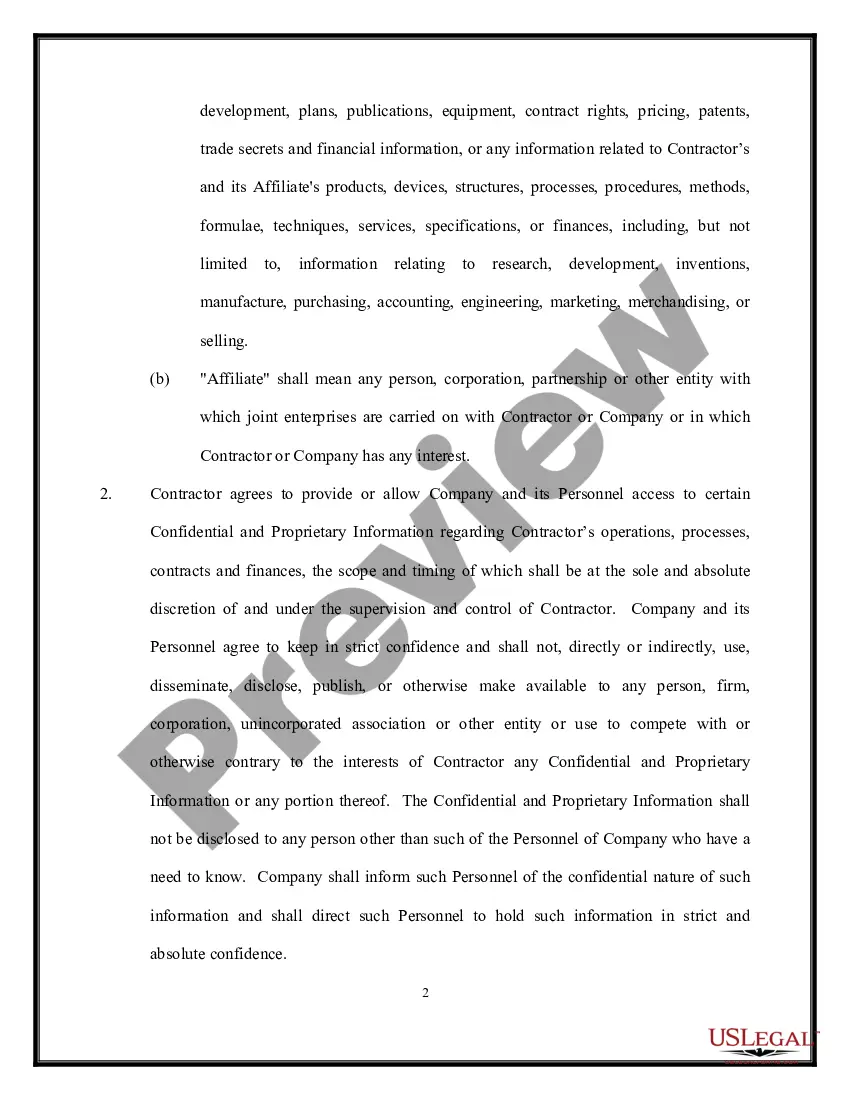
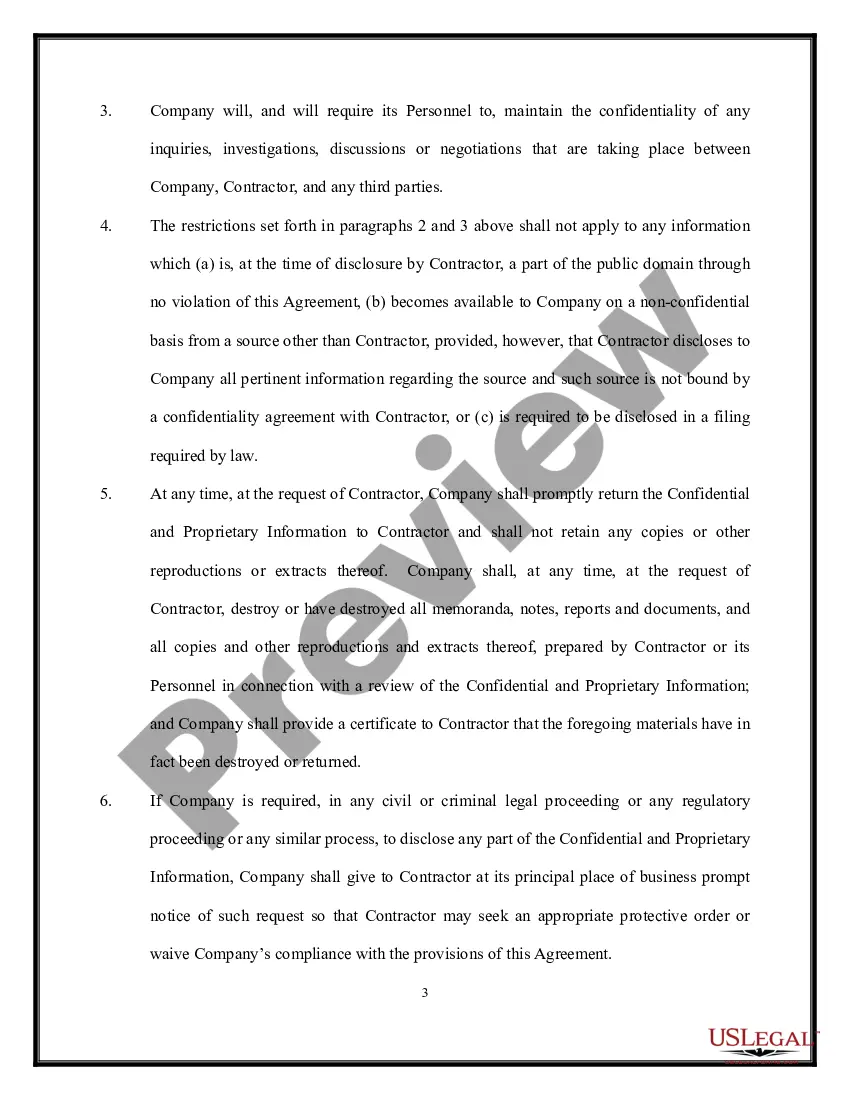
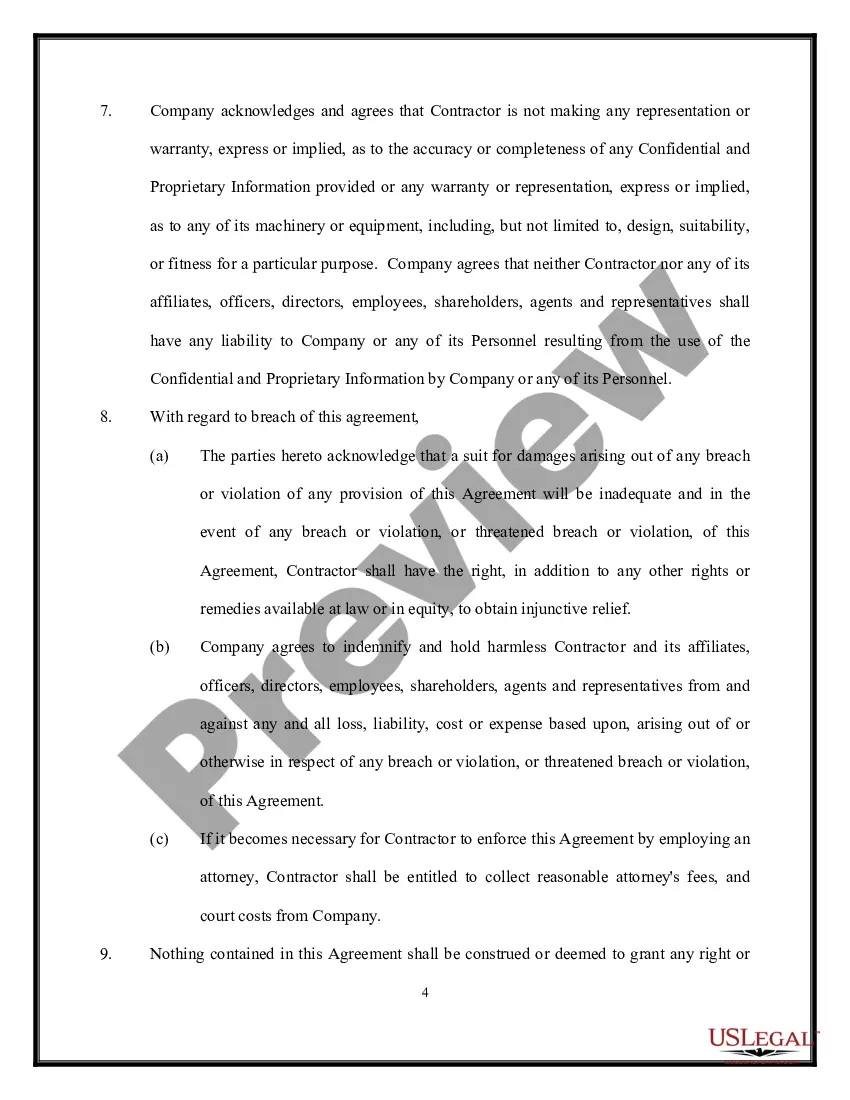
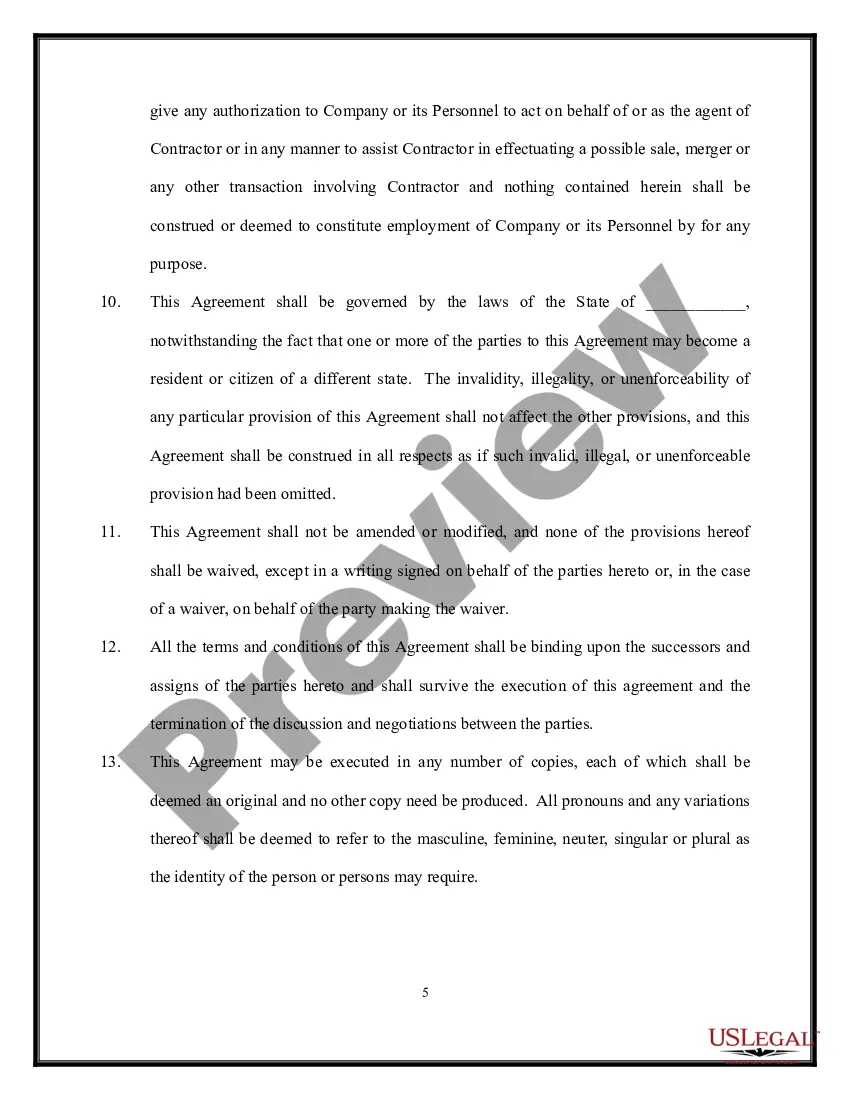
Get your form ready online
Our built-in tools help you complete, sign, share, and store your documents in one place.
Make edits, fill in missing information, and update formatting in US Legal Forms—just like you would in MS Word.
Download a copy, print it, send it by email, or mail it via USPS—whatever works best for your next step.
Sign and collect signatures with our SignNow integration. Send to multiple recipients, set reminders, and more. Go Premium to unlock E-Sign.
If this form requires notarization, complete it online through a secure video call—no need to meet a notary in person or wait for an appointment.
We protect your documents and personal data by following strict security and privacy standards.

Make edits, fill in missing information, and update formatting in US Legal Forms—just like you would in MS Word.

Download a copy, print it, send it by email, or mail it via USPS—whatever works best for your next step.

Sign and collect signatures with our SignNow integration. Send to multiple recipients, set reminders, and more. Go Premium to unlock E-Sign.

If this form requires notarization, complete it online through a secure video call—no need to meet a notary in person or wait for an appointment.

We protect your documents and personal data by following strict security and privacy standards.
Looking for another form?




Form popularity
FAQ
Typically, a legal professional writing the NDA will complete these steps: Step 1 - Describe the scope. Which information is considered confidential? ... Step 2 - Detail party obligations. Step 3 - Note potential exclusions. Step 4 - Set the term. Step 5 - Spell out consequences.
Civil Liability for Damages If the breach of confidentiality results in reputational damage, financial loss, or harm to the employer, the former employee could be ordered to compensate for these damages.
Victims of confidentiality breaches, whether individuals or organisations, may be entitled to compensation for damages suffered. This can include financial losses directly related to the breach, reputational damage. Legal advice is essential to navigate these claims effectively.
Breaking an NDA usually doesn't result in jail time — as NDAs are civil contracts, not criminal agreements. Typically, the consequence is a breach of contract lawsuit, where the harmed party may seek financial compensation if the court rules in their favor.
Monetary damages, Compensation for financial losses suffered by the affected party, Injunctive relief through court orders to prevent further unauthorized disclosure, and. Rescission of contracts or agreements impacted by the breach.
In the workplace, a breach of confidence can take place when a worker, either intentionally or unintentionally, discloses or uses information that could damage the employer's business, clients, or employees. If a worker breaches confidentiality, legal action may be taken against them by their employer.
Contractual penalties in non-disclosure agreements serve as a deterrent and as financial compensation for various types of breaches of contract. These penalties oblige the parties involved to respect the importance of confidentiality and to ensure compliance with the agreed terms.
The Purpose of a Non-Disclosure Agreement An NDA creates the legal framework to protect ideas and information from being stolen or shared with competitors or third parties. Breaking an NDA agreement triggers a host of legal ramifications, including lawsuits, financial penalties, and even criminal charges.
Imagine a worker or former worker breaks an NDA. If the business learns of this, it may seek an injunction to prevent the employee from further disclosure. The business may also file a lawsuit seeking financial damages for all losses related to the breach of confidentiality obligations.
Breaking an NDA usually doesn't result in jail time — as NDAs are civil contracts, not criminal agreements. Typically, the consequence is a breach of contract lawsuit, where the harmed party may seek financial compensation if the court rules in their favor.